
While the allure of precious stones has long been associated with beauty and personal significance, a fascinating intersection exists between the world of gemstones and cutting-edge technology. The question “What’s June’s birthstone?” opens a door to understanding not just the geological wonders and symbolic meanings of these gems, but also the sophisticated technological advancements that are revolutionizing how we discover, identify, enhance, and even create them. This exploration delves into the technological landscape that underpins the enduring appeal of June’s birthstones, moving beyond their traditional mystique to embrace the innovation that shapes their modern presence.

The Dual Birthstones of June: Pearl and Alexandrite Through a Technological Lens
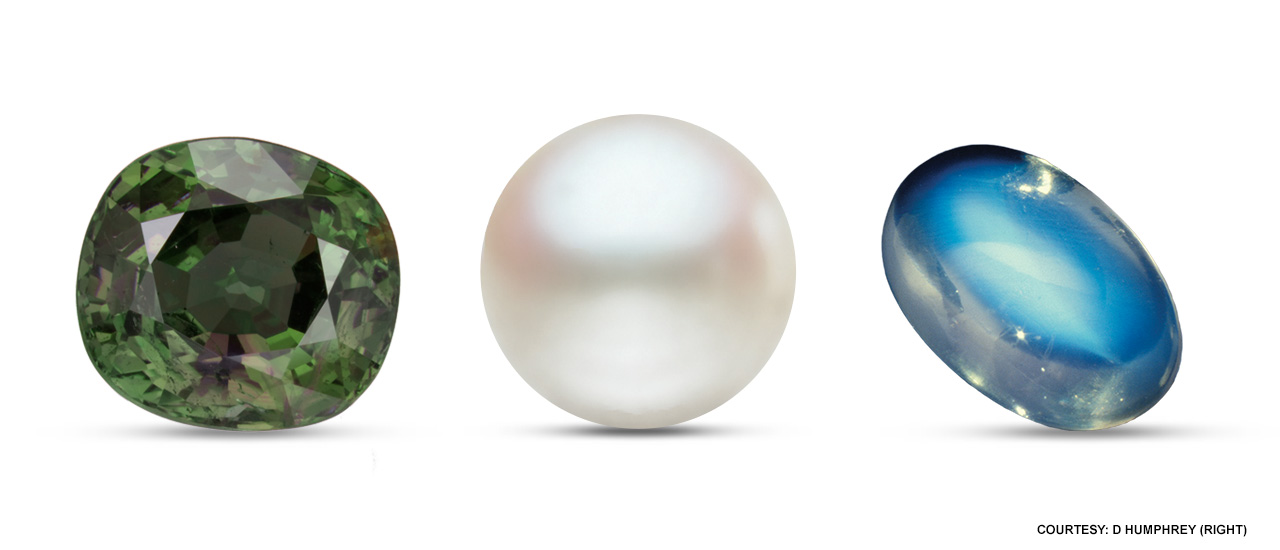
June is uniquely fortunate to boast two distinct birthstones: the lustrous Pearl and the enigmatic Alexandrite. Each presents a distinct set of technological touchpoints, from scientific cultivation methods to advanced diagnostic tools. Understanding these gems through a technological lens reveals the intricate processes and scientific rigor involved in bringing them to market and appreciating their value.
The Cultivation of Pearls: From Biology to Precision Engineering
The pearl, a product of living organisms, has seen its production transformed by technological innovation. Gone are the days of purely serendipitous discoveries of perfect pearls. Today, the cultivation of pearls is a sophisticated bio-engineering process.
The Science of Oyster Conditioning and Nucleation
The journey of a cultured pearl begins with meticulous care for the host oysters. Advanced aquaculture techniques now employ precise monitoring systems for water quality, temperature, and salinity, ensuring optimal conditions for oyster health and pearl formation. This goes beyond traditional farming to encompass data-driven environmental management, utilizing sensors and real-time analytics. The critical step of nucleation – the implantation of a bead or tissue into the oyster – has also been refined. Micro-surgical techniques, employing specialized instruments and even robotic assistance in some cutting-edge facilities, ensure accurate placement and minimize stress to the oyster. Research into the genetic predisposition of oysters for producing higher quality pearls is also an active area, hinting at future advancements in selective breeding and enhancement.
Imaging and Quality Assessment: Seeing Beyond the Surface
Traditionally, assessing a pearl’s quality involved visual inspection, a subjective and often limited method. Today, technology offers a far more objective and comprehensive evaluation. Non-destructive imaging techniques, such as X-ray fluorescence (XRF) and Raman spectroscopy, can analyze the elemental composition and molecular structure of pearls. This not only helps in identifying the origin of pearls (e.g., saltwater vs. freshwater, specific geographical regions) but also detects internal imperfections or treatments that might not be visible to the naked eye. Advanced optical microscopy and digital imaging systems allow for detailed examination of luster, surface texture, and the nacre layers, providing quantifiable data for grading. Furthermore, artificial intelligence (AI) is beginning to play a role in pearl grading, with algorithms trained on vast datasets of expertly graded pearls to identify patterns and predict quality with remarkable accuracy.
Alexandrite: The Phenomenal Gem Under the Microscope of Science
Alexandrite, renowned for its striking color-change phenomenon, is a variety of the mineral chrysoberyl. Its rarity and unique optical properties make it a prime candidate for technological scrutiny and enhancement.
Spectroscopic Analysis for Authenticity and Origin
The defining characteristic of alexandrite is its ability to shift color depending on the light source – typically appearing green in daylight and reddish-purple under incandescent light. Identifying and verifying this phenomenon, and distinguishing natural alexandrite from synthetics or simulants, relies heavily on advanced spectroscopic techniques. UV-Vis-NIR spectrophotometry is crucial for measuring the absorption spectra of the gem, identifying the trace elements (primarily chromium and iron) responsible for its color. Raman spectroscopy provides insights into the crystal lattice structure, further aiding in identification. These analytical tools are indispensable for gemological laboratories, providing objective data that underpins a gem’s authenticity and value.
Advanced Imaging for Inclusions and Treatments
Like other precious gemstones, alexandrite can contain natural inclusions – microscopic mineral formations trapped within the crystal. Advanced imaging technologies, including digital microscopes with high magnification and specialized lighting, allow gemologists to study these inclusions in detail. This not only aids in identification but can also provide clues about the gem’s geological origin. Furthermore, these technologies are vital for detecting any treatments that may have been applied to a gemstone to enhance its color or clarity. Techniques like fluorescence microscopy can reveal subtle differences between natural and treated stones, ensuring transparency and consumer confidence.
The Digital Realm of Gemstones: From Online Retail to Blockchain Verification
The journey from the earth to a consumer’s jewelry box has been profoundly shaped by digital technologies. The online marketplace and the demand for provenance have spurred the development of sophisticated digital solutions for the gemstone industry.
E-commerce and Virtual Gemology: Bringing the Showroom to Your Screen
The internet has democratized access to gemstones, allowing consumers to explore a vast array of options from anywhere in the world. Online retailers leverage high-resolution photography, 360-degree video, and detailed descriptions to showcase their inventory. However, the intangible nature of a gemstone’s beauty and feel presents a challenge. Virtual reality (VR) and augmented reality (AR) technologies are emerging to bridge this gap. AR applications allow potential buyers to virtually “try on” jewelry, overlaying the stones onto their own hands or in their chosen setting. VR experiences can offer immersive tours of gem mines or workshops, providing a deeper connection to the origin and craftsmanship of the stones.
AI-Powered Recommendations and Virtual Gemologists
AI is also revolutionizing the online gemstone shopping experience. Recommendation engines, similar to those used by streaming services and e-commerce giants, can analyze a user’s browsing history and preferences to suggest suitable gemstones. Imagine an AI that can learn your aesthetic and suggest pearls with specific undertones or alexandrites that exhibit a particularly strong color change, based on your past interactions. The concept of a “virtual gemologist” is also gaining traction, where AI-powered chatbots can answer common questions about birthstones, gem properties, and care, freeing up human experts for more complex consultations.
Blockchain and Traceability: Ensuring Transparency and Trust
The inherent value and potential for fraud in the gemstone industry have made blockchain technology a significant development. Blockchain provides a secure, immutable ledger that can record every step of a gemstone’s journey from its origin to its final sale.
From Mine to Finger: A Digital Audit Trail
By recording information such as the mine of origin, cut, carat weight, and any treatments applied, blockchain creates a verifiable and transparent supply chain. This is particularly important for precious and rare gems like alexandrite, where provenance can significantly impact value. For June’s birthstones, blockchain can offer consumers confidence that their pearl was ethically sourced or that their alexandrite is natural and accurately represented. Smart contracts, embedded within the blockchain, can further automate transactions and ensure compliance with industry standards.
Combating Counterfeits and Enhancing Consumer Confidence
The ability of blockchain to store tamper-proof data makes it an effective tool in combating counterfeit gemstones. By registering each unique gemstone on a blockchain, its authenticity can be verified at any point in the supply chain, deterring the introduction of fakes. This increased transparency and traceability not only protects consumers from deception but also enhances the overall trust and integrity of the gemstone market, benefiting both buyers and legitimate sellers of June’s birthstones.
The Future of June’s Birthstones: Synthesis, Simulation, and Sustainable Sourcing
The technological evolution of gemstones is far from over. Emerging fields like synthetic gem creation and advanced sustainability initiatives are set to redefine the landscape of precious stones, including those associated with June.
Lab-Grown Gems: The Technological Frontier of Synthesis
The creation of synthetic gemstones in a laboratory setting has advanced significantly. While historically used to create simulants, modern technology allows for the production of lab-grown pearls and alexandrites that are chemically and physically identical to their natural counterparts.
Cultured Pearls and the Future of Sustainable Ornamentation
While “cultured” pearls are technically grown, the term “lab-grown” in the context of pearls often refers to pearls formed with advanced technological interventions beyond traditional oyster cultivation, or those specifically engineered for enhanced properties. The future may see the development of pearls grown in controlled laboratory environments, potentially offering greater consistency, a wider range of colors and sizes, and a reduced environmental footprint compared to some traditional aquaculture methods. This could make the beauty of pearls more accessible and sustainable.
The Rise of Synthetic Alexandrite: A Boon for Accessibility
Lab-grown alexandrite is now a reality, offering consumers a more affordable and ethically sourced alternative to natural stones. Advanced crystal growth techniques, such as the Czochralski process, are used to create alexandrite crystals with the same color-change properties as their natural counterparts. This technology not only provides a more accessible option for those seeking June’s color-changing birthstone but also reduces the pressure on natural reserves. The challenge for the industry and consumers alike lies in clear and transparent labeling to distinguish between natural and synthetic stones, a challenge that technology is helping to address through advanced verification methods.
Sustainable Practices and Environmental Monitoring
As consumer awareness regarding environmental impact grows, technology is playing a crucial role in promoting sustainable practices within the gemstone industry.
Precision Mining and Reduced Environmental Footprint
For mined gemstones like alexandrite, technological advancements are leading to more precise and less destructive mining techniques. Remote sensing, geological modeling, and advanced drilling technologies help to identify viable deposits more accurately, reducing the amount of land disturbed and the waste generated. Furthermore, water management systems and energy-efficient machinery are becoming standard in responsible mining operations.

Ethical Sourcing and Traceability Technologies
Beyond environmental concerns, the ethical sourcing of gemstones is paramount. Technologies that enable complete traceability, as discussed with blockchain, are vital for ensuring that gemstones are not associated with conflict, human rights abuses, or exploitative labor practices. This includes the development of secure digital identities for individual stones and transparent reporting mechanisms throughout the supply chain. The question “What’s June’s birthstone?” now also encompasses the ethical journey of that stone, a journey increasingly illuminated by technology.
In conclusion, the seemingly simple question about June’s birthstone unlocks a complex and dynamic technological ecosystem. From the bio-engineering of pearls to the spectroscopic analysis of alexandrite, and from the immersive world of online gemology to the unassailable integrity of blockchain, technology is not just an enabler but a fundamental driver in how we perceive, acquire, and value these precious gifts of nature. The future promises even more innovation, ensuring that the magic of June’s birthstones continues to shine, both in their intrinsic beauty and in the brilliance of the technologies that illuminate their path to us.
aViewFromTheCave is a participant in the Amazon Services LLC Associates Program, an affiliate advertising program designed to provide a means for sites to earn advertising fees by advertising and linking to Amazon.com. Amazon, the Amazon logo, AmazonSupply, and the AmazonSupply logo are trademarks of Amazon.com, Inc. or its affiliates. As an Amazon Associate we earn affiliate commissions from qualifying purchases.