
William Shakespeare. The name itself evokes images of sweeping romances, bloody tragedies, witty comedies, and a profound understanding of the human condition that continues to resonate across centuries and continents. He is, without question, one of the most influential and recognizable brands in the history of human creative output. Yet, like any monumental brand, Shakespeare’s journey began somewhere. Understanding the inception of his prolific career, particularly the identity of his very first play, offers a unique lens through which to examine the formation of an enduring cultural icon. This exploration is not merely an academic exercise in literary history; it’s a study in the nascent stages of a brand that would eventually define an era and continue to shape global discourse.

The question of Shakespeare’s first play is, surprisingly, not as straightforward as one might initially assume. The lack of definitive contemporary records, coupled with the nature of theatrical production in Elizabethan and Jacobean England, has led to considerable scholarly debate. However, by piecing together historical clues, stylistic analysis, and thematic considerations, we can construct a compelling narrative about the play that likely marked the debut of the Bard’s extraordinary career. This initial offering, whatever its title, was the first brushstroke on a canvas that would become a masterpiece of literary and dramatic history, laying the groundwork for the immense brand recognition Shakespeare enjoys today.
The Elusive Beginning: Challenges in Pinpointing Shakespeare’s Debut
The very nature of early modern English theatre makes definitive attribution a complex undertaking. Unlike today, where authorship is meticulously documented and rigorously defended, the theatrical landscape of Shakespeare’s time was often a more collaborative and fluid environment. Playwrights might contribute to existing works, revise them extensively, or even have their works performed anonymously or under pseudonyms. Furthermore, the primary records we rely on – playhouse accounts, manuscript copies, and early printings – are often incomplete, fragmented, or subject to misinterpretation.
Documenting the Dawn: The Scarcity of Contemporary Evidence
One of the most significant hurdles in identifying Shakespeare’s first play is the paucity of concrete, irrefutable evidence. While we have a substantial body of work attributed to him, precise dating and chronological order are often inferred rather than explicitly stated. Official lists of plays, such as the title page of the First Folio published in 1623, seven years after Shakespeare’s death, are invaluable but do not necessarily present plays in the order of their composition. Personal letters, diaries, and contemporary accounts that might shed light on the premieres of his earliest works are rare and often anecdotal. This lack of a clear, definitive timeline creates a fertile ground for scholarly investigation and, at times, fervent debate. The challenge lies in sifting through these historical whispers to construct a coherent narrative of the brand’s genesis.
The Role of Stylistic Analysis and Thematic Echoes
In the absence of definitive documentation, scholars have turned to other methods to approximate the chronology of Shakespeare’s oeuvre. Stylistic analysis, which examines linguistic patterns, vocabulary, meter, and dramatic conventions, can reveal developmental stages in a playwright’s writing. Early works might exhibit a less refined command of language, a greater reliance on certain stock characters or plot devices, or a more conventional dramatic structure. Conversely, later plays often demonstrate greater complexity, nuanced characterization, and a more sophisticated thematic exploration. By comparing the stylistic features of plays with known historical contexts or probable early composition dates with those that feel more nascent, scholars can build a case for specific works as being among Shakespeare’s first. Moreover, thematic echoes and recurring motifs can also offer clues. Certain ideas, character archetypes, or philosophical questions might appear in embryonic form in earlier plays and mature in later works, suggesting a developmental progression that helps to situate the debut. This analytical approach is akin to a brand diagnostician tracing the evolution of a company’s core messaging and aesthetic from its earliest advertisements to its current campaigns.
The Leading Contenders: Examining the Probable First Plays
Despite the challenges, several plays consistently emerge as strong candidates for Shakespeare’s earliest works. These contenders are identified through a combination of the aforementioned historical and stylistic evidence. Each offers a glimpse into the young playwright’s emerging voice and his initial engagement with the dramatic forms that would come to define his career.

The Two Gentlemen of Verona: A Comedy of Early Themes
Often cited as a strong contender for Shakespeare’s first comedy, The Two Gentlemen of Verona presents a narrative that, while possessing some of the romantic and comedic elements that would become hallmarks of his later work, also exhibits a certain thematic immaturity and structural simplicity. The play explores themes of love, loyalty, betrayal, and disguise, all of which would be revisited and deepened in more profound ways throughout his career. Its relatively straightforward plot and less complex characterizations have led many scholars to believe it was an early exploration of comedic form. The play’s exploration of shifting affections and the sometimes-unpredictable nature of romantic relationships can be seen as an initial foray into the psychological complexities that Shakespeare would later master. This early work, in essence, served as a foundational experiment in establishing the comedic brand that would eventually capture the imaginations of audiences worldwide.
Titus Andronicus: A Blood-Soaked Debut in Tragedy
On the tragic end of the spectrum, Titus Andronicus is another frequently cited candidate for Shakespeare’s earliest tragedy. This play is notable for its extreme violence and sensationalism, a characteristic that distinguishes it from the more psychologically nuanced tragedies of his mature period. Its revenge plot, filled with mutilation, murder, and retribution, aligns with the popular taste for melodramatic and visceral drama in the late 16th century. While some scholars point to its less sophisticated structure and reliance on sensationalism as evidence of its early composition, others find echoes of Roman history and classical revenge tragedies that Shakespeare would have been exposed to. The sheer brutality and directness of Titus Andronicus can be interpreted as an initial, perhaps even experimental, engagement with the genre of tragedy, aiming for a powerful immediate impact before delving into the deeper philosophical and emotional explorations of works like Hamlet or King Lear. It’s a raw, unpolished manifestation of the dramatic power that would later be refined into a sophisticated and enduring brand.
Henry VI, Parts 1, 2, and 3: Historical Ambition and Early Collaboration
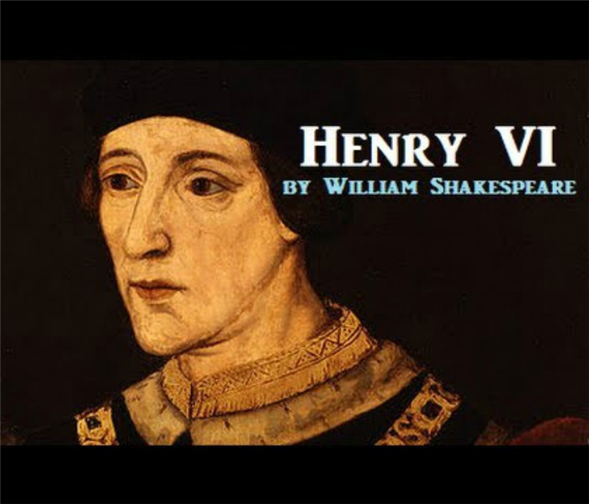
The Henry VI trilogy is also a significant contender, particularly for Shakespeare’s early engagement with historical drama. These plays, dealing with the turbulent Wars of the Roses, are often believed to have been written and performed in the early stages of his career, possibly even before his sole-authored works. There is evidence suggesting potential collaboration with other playwrights in these early historical epics, a common practice at the time. The trilogy showcases Shakespeare’s ambition to tackle grand historical narratives, his development of patriotic themes, and his early attempts at creating a vast tapestry of English history. While less polished in their dramatic execution compared to later histories like Richard III or Henry V, the Henry VI plays are crucial in understanding the nascent stages of Shakespeare’s historical brand, demonstrating his early interest in national identity and political power.
The Brand Evolution: From Early Experiments to Global Iconography
Regardless of which play can definitively claim the title of Shakespeare’s first, the journey from that initial offering to the globally recognized literary brand we know today is a testament to his unparalleled genius and his capacity for continuous artistic growth. The early plays, with their strengths and perceived weaknesses, served as crucial stepping stones, allowing him to hone his craft, experiment with different genres, and develop his unique voice.
Cultivating a Unique Voice: Linguistic Innovation and Thematic Depth
The evolution of Shakespeare’s writing is evident in the increasing sophistication of his language and the deepening of his thematic concerns. From the more straightforward verse of his early comedies and histories, he progressed to the complex and multi-layered soliloquies and dialogues that characterize his mature tragedies and romances. His masterful use of metaphor, imagery, and wordplay, which became integral to his brand identity, was cultivated and refined over time. Similarly, his exploration of universal human experiences – love, loss, ambition, jealousy, madness, redemption – grew in complexity and nuance, offering profound insights that transcended his immediate historical context. This continuous development in both form and content is what solidified his brand as one of enduring relevance and profound intellectual depth.
The Lasting Impact: Shaping Literary and Cultural Landscapes
The brand of William Shakespeare is not static; it is a living entity that continues to influence and inspire. His plays have been translated into every major language, adapted into countless films, operas, and ballets, and continue to be performed on stages around the world. The language he pioneered has enriched the English lexicon, and the archetypes he created populate our collective imagination. Understanding the origins of this monumental brand, the likely identity of his first play, allows us to appreciate the long and intricate journey of a creative force that has indelibly shaped our literary and cultural landscapes, solidifying his position as an unparalleled and timeless brand. The genesis of his work, even in its most rudimentary forms, set the stage for a legacy that continues to command immense global recognition and profound admiration.
aViewFromTheCave is a participant in the Amazon Services LLC Associates Program, an affiliate advertising program designed to provide a means for sites to earn advertising fees by advertising and linking to Amazon.com. Amazon, the Amazon logo, AmazonSupply, and the AmazonSupply logo are trademarks of Amazon.com, Inc. or its affiliates. As an Amazon Associate we earn affiliate commissions from qualifying purchases.