
In an increasingly complex financial landscape, managing your bank accounts effectively is a cornerstone of sound personal finance. While opening an account is often straightforward, the decision to close one requires careful consideration and a structured approach to avoid potential pitfalls. Whether you’re consolidating finances, seeking better terms, or simply moving on from a particular institution, understanding the “how-to” of closing a bank account is vital for maintaining financial health and peace of mind. This guide will walk you through the motivations, preparations, steps, and post-closure considerations, ensuring a smooth transition in your financial journey.
Why Close a Bank Account? Understanding Your Motivations
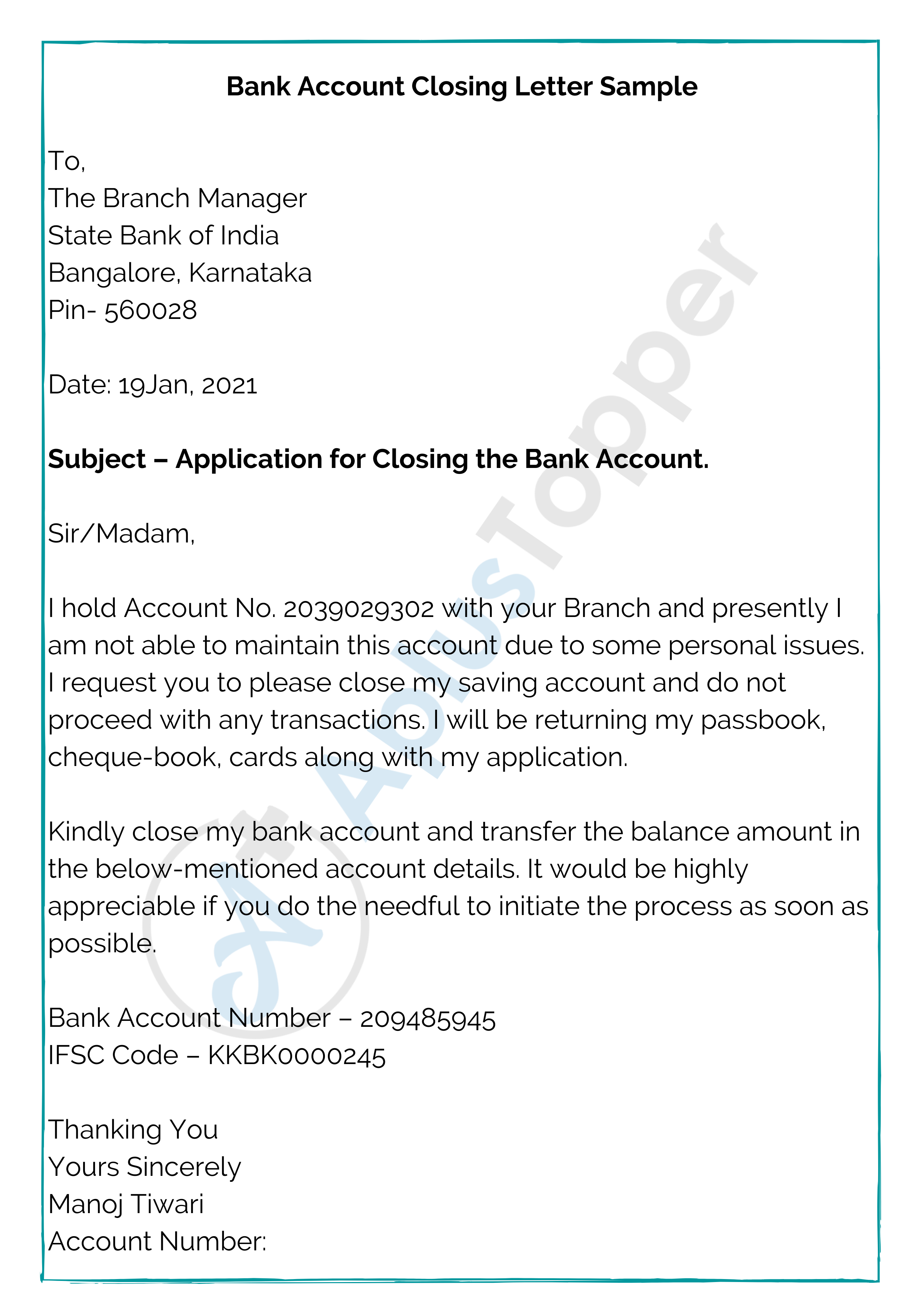
The decision to close a bank account is rarely impulsive; it’s often driven by specific financial goals or evolving personal circumstances. Recognizing your core motivation is the first step toward a strategic and successful account closure.
Consolidating Finances for Simplicity
Many individuals find themselves with multiple bank accounts accumulated over years—perhaps from different jobs, student accounts, or even joint accounts from past relationships. Consolidating these into a manageable few can significantly simplify your financial life. Fewer accounts mean less administrative overhead, easier tracking of spending and savings, and a clearer overall financial picture. This streamlined approach not only saves time but can also reduce the chances of overlooking dormant accounts that might incur fees. A simpler financial structure often leads to better oversight and more effective budgeting, fostering a sense of control over your money.
Avoiding Unnecessary Fees
Bank fees can erode your savings over time, especially if you have accounts that don’t meet minimum balance requirements or are subject to monthly maintenance charges for features you no longer use. Dormant accounts, in particular, can be a hidden drain, as banks often levy fees on inactive accounts. If you find yourself consistently paying fees that could be avoided by switching to another institution or consolidating accounts, closing an underperforming account becomes a financially prudent decision. Identifying and eliminating these unnecessary expenses directly contributes to increasing your net wealth.
Dissatisfaction with Service or Features
Customer service quality, outdated banking technology, lack of desired features, or unfavorable interest rates can all be compelling reasons to seek a new financial home. If your current bank no longer meets your needs, or if another institution offers more competitive rates, superior digital tools, or better customer support, it’s reasonable to consider a move. Loyalty is commendable, but not at the expense of your financial well-being. Modern banking offers a plethora of choices, and switching to a bank that aligns better with your current preferences can significantly enhance your banking experience.
Relocating or Changing Financial Needs
Life events such as moving to a new city, starting a new job, getting married, or planning for retirement often necessitate a reassessment of banking relationships. A local credit union might be more suitable after a relocation, or a bank specializing in investment services might be preferable as retirement approaches. Your financial needs evolve, and your banking solutions should evolve with them. Closing accounts that no longer serve a purpose in your new life stage is a practical step in adapting your financial infrastructure.
The Importance of a Strategic Approach
Regardless of the motivation, approaching account closure strategically ensures that you minimize disruption and maximize financial benefit. It’s not just about severing ties; it’s about making an informed decision that supports your broader financial objectives. A strategic approach involves careful planning, diligent execution, and a clear understanding of the implications, preventing future headaches and ensuring a smooth transition to your new banking arrangements.
Essential Preparations Before You Close
Closing a bank account isn’t as simple as emptying it out. There are several crucial steps you must take to ensure a seamless transition and prevent future financial complications. Think of this phase as a thorough pre-flight checklist.
Reviewing Account Activity and Balances
Before initiating closure, perform a comprehensive review of your account’s transaction history for the past 6-12 months. This will help you identify any recurring deposits or withdrawals you might have forgotten about. Confirm your current balance and ensure all outstanding checks have cleared. It’s also important to check for any pending transactions that haven’t posted yet. Leaving insufficient funds to cover these could lead to overdraft fees or even a negative mark on your banking history, which could impact your ability to open accounts elsewhere.
Updating Direct Deposits and Automatic Payments
This is perhaps the most critical preparatory step. All incoming funds, such as salary, government benefits, or investment dividends, that are directed to the account you wish to close must be rerouted. Similarly, all outgoing automatic payments—utility bills, loan payments, subscriptions, insurance premiums, rent/mortgage payments—must be updated with your new bank account details. Missing this step can lead to late fees, service interruptions, or even damage to your credit score if critical payments like loan installments are missed. Create a detailed list of all such transactions and systematically update them well in advance of the closure date. Allow enough time for these changes to take effect with all payees and payers.
Transferring Funds Safely
Once all direct deposits and automatic payments are rerouted, you’ll need to transfer the remaining balance from the account you’re closing to your new primary account. The safest and most common methods include an electronic transfer (ACH), a wire transfer (though often associated with fees), or requesting a cashier’s check from the bank. For smaller balances, withdrawing cash might be an option, but for significant sums, secure electronic transfers are preferable. Confirm the transfer has been completed and the funds are accessible in your new account before proceeding with closure.
Cancelling Linked Services and Cards
Beyond direct debits, consider other services linked to the account. This includes any debit cards, credit cards (if the bank offers both and they are linked in some way), overdraft protection, safe deposit boxes, or investment accounts held at the same institution. If you have a debit card associated with the account, ensure you destroy it properly once the account is closed. For credit cards, ensure their automatic payments are linked to a different account, or that you’ve made alternative arrangements. Overdraft protection usually terminates with the account, but it’s wise to confirm.
Retaining Records for Future Reference
Maintain thorough records of your transactions, account statements, and any communication with the bank regarding the closure. This documentation can be invaluable for tax purposes, disputing charges, or simply for your personal financial history. Digital copies are convenient, but consider physical backups for essential documents. Having these records readily available provides a safety net if any discrepancies arise after the account is officially closed.
The Step-by-Step Process of Account Closure
With your preparations complete, you are now ready to formally initiate the closure process. While specific procedures may vary slightly between financial institutions, the general steps remain consistent.
Contacting Your Bank
Your first official step is to contact your bank. You can typically do this in one of three ways:
- In-person: Visiting a branch is often the most direct method, allowing you to speak with a representative, ask questions, and complete necessary paperwork on the spot. Bring valid identification (driver’s license, passport) and your account number.
- By phone: Many banks allow you to initiate the closure process over the phone. Be prepared for identity verification questions. This method is convenient but might require follow-up for signatures or document submission.
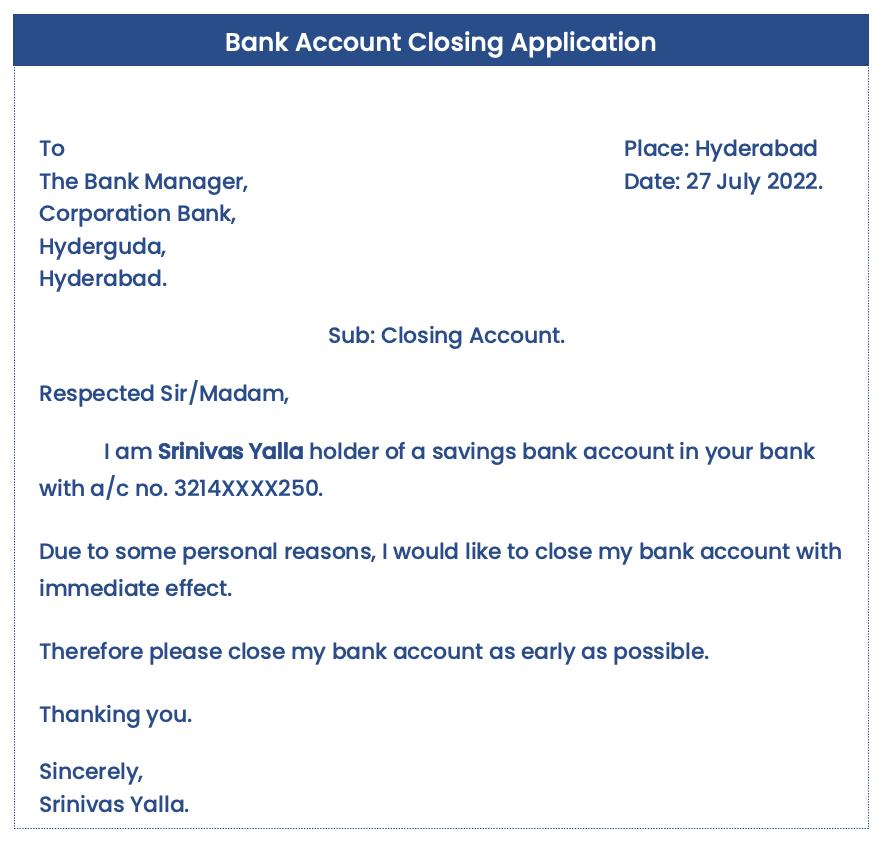
- In writing: Sending a formal letter via certified mail (with a return receipt requested) provides a clear paper trail, which can be useful for documentation. Include your account number, full name, address, and a clear request to close the account, specifying how you wish to receive any remaining balance.
Submitting a Formal Request
Regardless of the contact method, the bank will likely require you to submit a formal account closure request. This might be a specific form, an official letter, or an online request within their banking portal. Ensure all required fields are accurately filled out and any necessary signatures are provided. Read the fine print, especially regarding any associated fees or final balance disbursement.
Verifying Your Identity
For security purposes, your bank will require stringent identity verification. This is to protect you from fraudulent account closures. If you’re in a branch, you’ll present physical IDs. Over the phone or online, you’ll answer security questions related to your account history or personal information. Be prepared to provide account numbers, your Social Security number, and potentially other identifying details.
Addressing Outstanding Issues
Before the bank can finalize the closure, they will ensure there are no outstanding issues. This includes checking for pending transactions, uncashed checks (from you or to you), or any unpaid fees. If there’s a negative balance, you’ll need to clear it before the account can be closed. Conversely, if there’s a remaining positive balance, you’ll confirm how you wish to receive these funds—typically via a cashier’s check mailed to you, an electronic transfer to another account, or cash if closing in person.
Receiving Confirmation
Once all steps are completed and any remaining balance has been disbursed, request written confirmation that your account has been officially closed and that there is a zero balance. This could be a letter, an email, or a statement from the bank. This document is your proof of closure and should be kept with your other financial records. Without this confirmation, you cannot be certain the account is fully shut down, leaving potential for future complications.
Potential Pitfalls and How to Avoid Them
Even with careful planning, closing a bank account can present challenges. Being aware of common pitfalls can help you navigate the process smoothly and avoid unnecessary stress or financial loss.
Overlooking Pending Transactions
One of the most frequent issues arises from neglecting pending transactions. A check you wrote a week ago might not have cleared, or a recurring online payment might be scheduled to process just after your intended closure date. If the account is closed with insufficient funds to cover these, it can lead to bounced payments, fees for non-sufficient funds (NSF), and a negative mark on your banking record. To avoid this, monitor your account meticulously in the days leading up to closure and confirm all transactions have posted. It’s often safer to wait a week or two after your last expected transaction before initiating closure.
Forgetting About Linked Accounts or Services
Beyond direct deposits and automatic payments, many individuals forget about ancillary services linked to their bank accounts. This could include investment portfolios managed by the same institution, overdraft protection lines of credit, or even a safe deposit box whose annual fee is debited from the checking account. Forgetting to decouple these services can lead to confusion, unexpected charges, or even the closure of accounts you intended to keep. Create a comprehensive inventory of all services associated with the account you plan to close.
Closing an Account Prematurely
Rushing the closure process without ensuring all preparations are complete is a recipe for disaster. If you close an account before updating all direct deposits and automatic withdrawals, you risk missing payments, incurring late fees, and disrupting your financial stability. Give yourself ample time—at least a full billing cycle, if not two—to ensure all recurring transactions have been successfully rerouted to your new account before you even contact your bank to begin the closure process. Patience in this phase is a virtue that prevents significant headaches down the line.
Understanding Fees Associated with Closure
While many banks do not charge a fee to close an account, some might, particularly if the account has been open for a very short period (e.g., less than 90 days) or if you’re requesting a wire transfer for the remaining balance. Always inquire about any potential closure fees upfront. Factor these into your decision-making, as an unexpected charge could negate some of the savings you hoped to achieve by switching banks. Transparency from the bank, and diligence from you, are key here.
The Impact on Your Credit Score (if any)
For most individuals, closing a checking or savings account has no direct impact on your credit score, as these accounts are not typically reported to credit bureaus. However, if the account you’re closing is linked to an overdraft protection line of credit, or if you have a joint credit card with the same bank that you’re also closing, there could be an indirect effect. For example, closing a long-standing credit card can slightly impact your credit utilization ratio or the average age of your credit accounts. Always understand the specific products you’re closing and their potential implications. If you leave an account with a negative balance that goes to collections, that will severely damage your credit. Therefore, ensure a zero balance upon closure.
What to Do After Your Account is Closed
The successful closure of your bank account isn’t the absolute final step. A few post-closure actions are recommended to ensure complete peace of mind and maintain robust financial hygiene.
Confirming Closure
Even after receiving a confirmation letter or email from your bank, it’s a good practice to double-check. A few weeks after the official closure, you can attempt to log in to the online banking portal for the closed account. If successful, it means the account might still be active, or there was an error in processing. If you are denied access or the account no longer appears, it’s a strong indicator that the closure was complete. Additionally, review your credit report occasionally to ensure no unexpected entries or active accounts that should be closed are appearing.
Shredding Old Documents and Cards
Once you have confirmed the account is officially closed and you have retained all necessary digital and physical records, it’s crucial to securely dispose of any physical documents, old statements, and associated debit cards. Identity theft is a persistent threat, and simply throwing these items in the trash is risky. Use a cross-cut shredder for paper documents and physically cut up your old debit card through the chip and magnetic strip. This minimizes the risk of sensitive information falling into the wrong hands.
Monitoring Your New Account Activity
With your old account closed, your focus shifts entirely to your new primary bank account. For the first few months, diligently monitor its activity. Ensure all direct deposits are coming through as expected and that all automatic payments are being debited correctly. This vigilance helps catch any forgotten recurring transactions or errors from service providers that might still be trying to debit the old account. Proactive monitoring prevents financial disruptions and provides an early warning system for any lingering issues from the transition.
Keeping a Record of Closure Confirmation
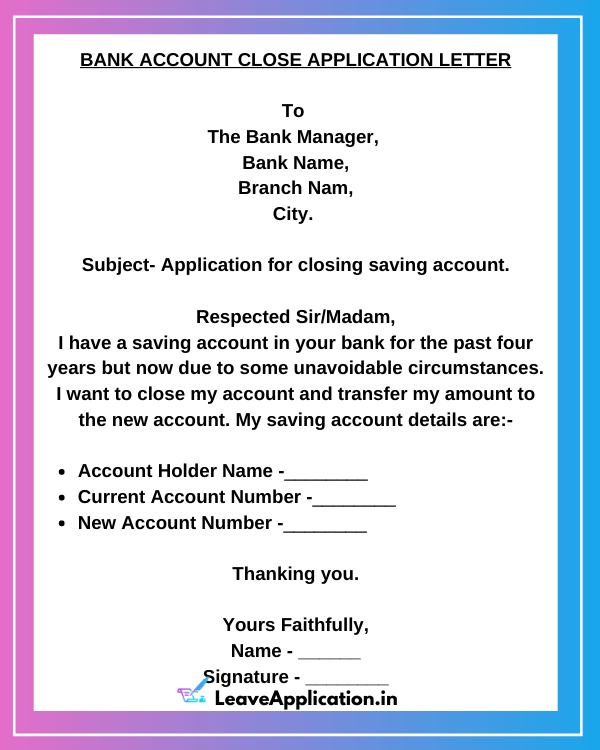
As mentioned, the written confirmation of closure from your bank is an important document. Keep this record alongside your other critical financial paperwork. It serves as definitive proof that the account was closed on a specific date, with a zero balance. This documentation can be invaluable for tax purposes, resolving any future disputes, or simply for your long-term financial audit trail. Store it in a secure location, whether a physical file cabinet or a password-protected digital folder.
Successfully navigating the bank account closure process is a testament to sound personal financial management. By understanding the motivations, preparing thoroughly, executing methodically, avoiding common pitfalls, and taking prudent post-closure steps, you can ensure a smooth and stress-free transition, setting a solid foundation for your ongoing financial health.
aViewFromTheCave is a participant in the Amazon Services LLC Associates Program, an affiliate advertising program designed to provide a means for sites to earn advertising fees by advertising and linking to Amazon.com. Amazon, the Amazon logo, AmazonSupply, and the AmazonSupply logo are trademarks of Amazon.com, Inc. or its affiliates. As an Amazon Associate we earn affiliate commissions from qualifying purchases.