
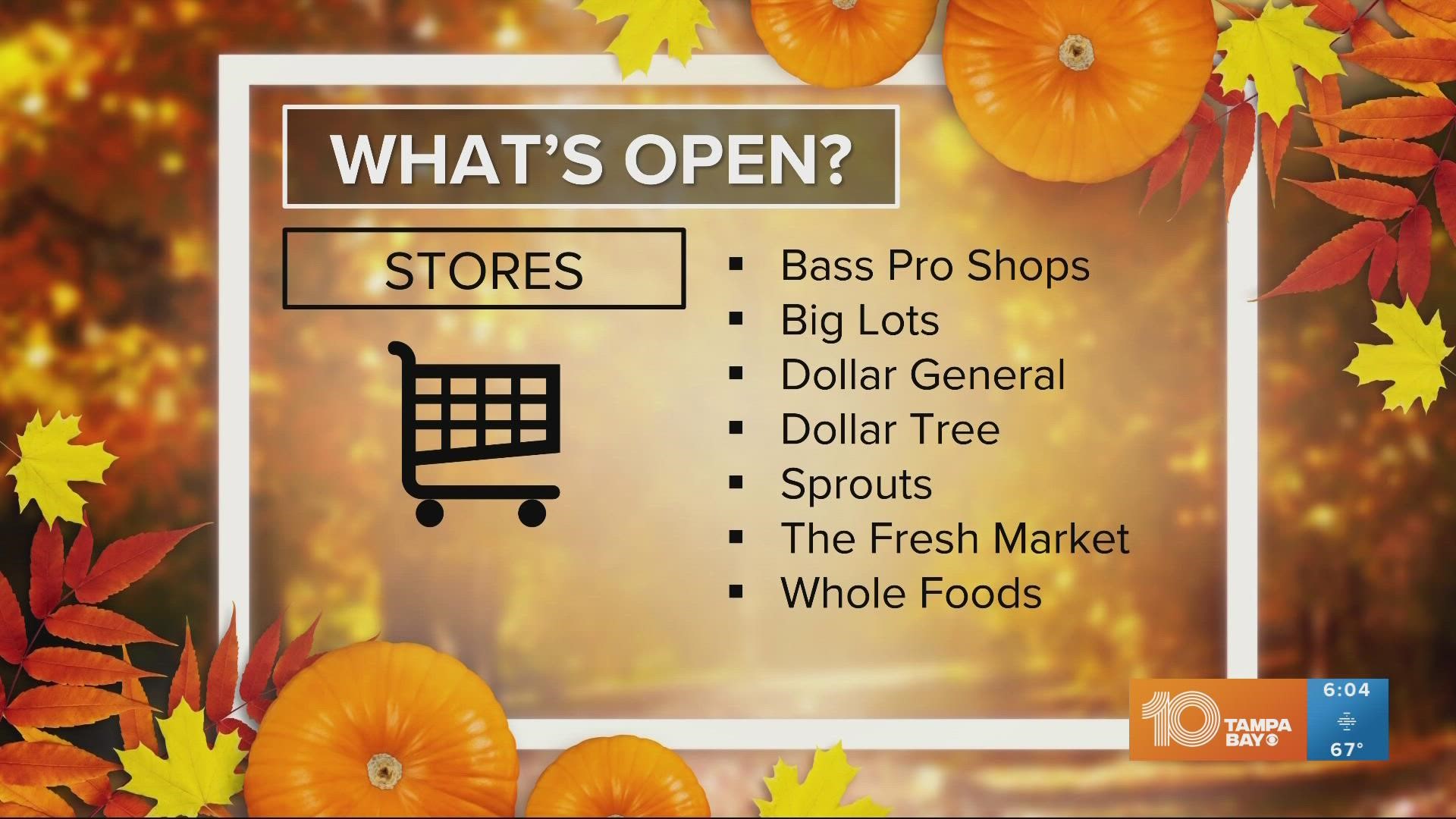
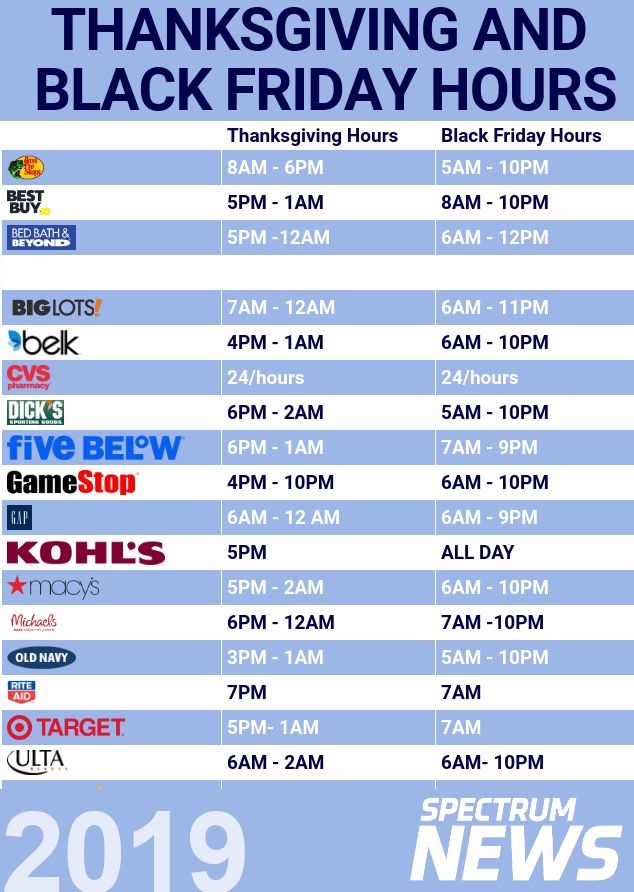
Thanksgiving Day, traditionally a time for gratitude and family gatherings, has increasingly become a significant marker in the retail calendar, often heralding the unofficial start of the holiday shopping season. While many businesses close their doors to allow employees to celebrate with loved ones, a growing number of retailers, both brick-and-mortar and online, remain open, offering enticing deals and early Black Friday promotions. For the financially savvy consumer, understanding which stores are open and strategically planning your shopping can lead to substantial savings and a more efficient approach to holiday budgeting. This article delves into the financial implications of Thanksgiving Day shopping, exploring how to leverage these opportunities to your advantage and make informed decisions that benefit your personal finances.
The Financial Landscape of Thanksgiving Day Retail
Thanksgiving Day has evolved from a holiday focused solely on tradition to a key commercial event. Retailers recognize the immense potential for revenue generation by opening their doors, sometimes even before the traditional Black Friday morning. This strategic move not only captures early holiday spenders but also aims to gain a competitive edge over rivals. For consumers, this presents a dichotomy: the opportunity for significant discounts versus the ethical considerations of shopping on a day traditionally reserved for rest and family. From a purely financial perspective, however, the availability of deals cannot be ignored if the goal is to optimize holiday spending.
Early Bird Discounts and Black Friday Previews
The primary financial allure of Thanksgiving Day shopping lies in the “early bird” discounts and Black Friday previews that many retailers offer. These promotions are designed to entice shoppers into stores and online platforms, often featuring deep price cuts on popular items. From electronics and apparel to home goods and toys, the range of discounted products can be extensive. Understanding that these are often limited-time offers, and sometimes even limited in stock, necessitates a proactive approach to budgeting and planning. Consumers who have already established their holiday wish lists and budgets are best positioned to capitalize on these early deals.
Identifying the Most Lucrative Deals
The key to successful Thanksgiving Day shopping from a financial standpoint is to identify the most lucrative deals. This involves research, comparison, and a clear understanding of what constitutes a genuine bargain. Many retailers will advertise their Thanksgiving Day sales in advance, allowing consumers to compare prices across different stores. Websites, apps, and email newsletters dedicated to deal aggregation can be invaluable tools in this process. By tracking prices leading up to Thanksgiving, consumers can discern true discounts from inflated “sale” prices. Prioritizing purchases of items that are frequently on sale during this period, and that are indeed on your shopping list, will maximize the return on your holiday spending.
The Psychological Impact of Early Sales on Spending Habits
The early release of Black Friday deals on Thanksgiving Day can have a significant psychological impact on consumer spending habits. The feeling of getting a head start on holiday shopping can create a sense of urgency and excitement, sometimes leading to impulsive purchases. From a financial management perspective, it’s crucial to maintain discipline. Creating a detailed budget before the sales begin, and sticking to it rigidly, is paramount. Allowing the allure of “doorbuster” deals to derail your financial plan can lead to overspending and potential debt. The ability to distinguish between a truly good deal on an item you need or want and a persuasive marketing tactic is a hallmark of a disciplined shopper.
The Role of Online Retailers in Thanksgiving Day Sales
While brick-and-mortar stores have historically been central to Thanksgiving Day shopping, the rise of e-commerce has dramatically shifted the landscape. Online retailers, unburdened by physical store hours and staffing requirements, can and do offer extensive sales throughout Thanksgiving Day. This accessibility means that consumers can shop from the comfort of their homes, avoiding crowds and the logistical challenges of traveling to physical stores. For those focused on maximizing savings, the digital realm often presents a wider array of deals and a more convenient shopping experience.
Leveraging Online Shopping for Maximum Efficiency
Online shopping on Thanksgiving Day offers unparalleled efficiency for the budget-conscious consumer. With a few clicks, you can compare prices, read reviews, and make purchases without leaving your home. Many e-commerce platforms offer free shipping during this period, further reducing costs. Setting up accounts with your preferred online retailers in advance, creating wish lists, and signing up for email notifications can streamline the process and ensure you don’t miss out on key deals. The ability to use price comparison tools and browser extensions can also help identify the best prices in real-time, maximizing your financial advantage.
Cybersecurity and Financial Security During Online Shopping
While the convenience and potential savings of online Thanksgiving Day shopping are significant, it’s crucial to prioritize cybersecurity and financial security. The increased volume of online transactions during this period can attract cybercriminals looking to exploit vulnerabilities. Ensuring that you are shopping on secure websites (look for “https” in the URL and a padlock icon), using strong, unique passwords for your online accounts, and being wary of phishing scams are essential protective measures. Using a credit card for online purchases often provides better fraud protection than debit cards, offering an additional layer of financial security. Keeping your financial software and operating systems updated is also a vital step in safeguarding your digital financial life.
Strategic Financial Planning for Thanksgiving Day Shoppers
The decision to shop on Thanksgiving Day, or to engage with the sales that begin on this day, should be an informed one, rooted in careful financial planning. Simply chasing discounts without a strategy can be counterproductive. A disciplined approach ensures that holiday spending contributes positively to your overall financial well-being, rather than becoming a source of stress or debt.
Creating a Holiday Budget That Accommodates Early Sales
The foundation of any successful holiday spending strategy, especially when early sales are involved, is a comprehensive budget. Before Thanksgiving Day even arrives, sit down and outline your anticipated holiday expenses. This includes gifts, decorations, travel, food, and any other associated costs. Allocate specific amounts to each category and be realistic about your spending capacity. When considering Thanksgiving Day sales, integrate these potential savings into your budget. If you identify an item you need on sale, adjust your budget to reflect that purchase, but ensure you are not overspending overall. This proactive approach prevents impulse buys from derailing your financial goals.
Tracking Your Spending in Real-Time
To ensure your Thanksgiving Day shopping remains within budget, it’s essential to track your spending in real-time. Many banking apps and personal finance tools allow you to monitor your transactions as they occur. This immediate feedback loop helps you stay aware of how much you’ve spent and how much you have remaining in each budget category. If you find yourself approaching your limit in a particular area, you can pause your shopping or re-evaluate your priorities. This discipline is crucial in preventing the common pitfall of overspending during sales events.
The Long-Term Financial Implications of Holiday Spending Habits
The financial habits formed during the holiday season, including Thanksgiving Day shopping, can have long-term implications. Consistently overspending on gifts and holiday-related purchases can lead to accumulating credit card debt, which incurs interest charges and can negatively impact your credit score. Conversely, a disciplined approach to holiday budgeting and smart shopping can free up funds for other financial goals, such as saving for a down payment, investing, or paying down existing debt.
Building Sustainable Spending Habits for Future Holidays
The lessons learned from strategically navigating Thanksgiving Day sales can be applied to develop sustainable spending habits for all future holidays. By prioritizing needs over wants, researching deals diligently, and sticking to a budget, you can transform holiday spending from a potential financial burden into an opportunity for smart financial management. This proactive approach fosters financial resilience and allows for a more joyful and less stressful holiday season, year after year.

The Opportunity Cost of Impulsive Thanksgiving Day Purchases
Every dollar spent impulsively on Thanksgiving Day sales is a dollar that could have been allocated to more impactful financial goals. This is the concept of opportunity cost. For instance, a significant purchase of non-essential items during early Black Friday sales might mean delaying a crucial debt repayment or foregoing a modest investment that could grow over time. Understanding this trade-off encourages a more mindful approach to spending, ensuring that your holiday purchases align with your broader financial aspirations. Prioritizing financial health over fleeting deals is a cornerstone of long-term financial success.
aViewFromTheCave is a participant in the Amazon Services LLC Associates Program, an affiliate advertising program designed to provide a means for sites to earn advertising fees by advertising and linking to Amazon.com. Amazon, the Amazon logo, AmazonSupply, and the AmazonSupply logo are trademarks of Amazon.com, Inc. or its affiliates. As an Amazon Associate we earn affiliate commissions from qualifying purchases.