
In the dynamic landscape of personal finance, managing your banking relationships effectively is crucial. While opening an account is often a straightforward process, the decision to close one requires careful consideration and a systematic approach. Whether you’re consolidating finances, seeking better services, or simply simplifying your financial life, understanding how to properly cancel a bank account is a fundamental aspect of sound personal financial management. This comprehensive guide will walk you through the motivations, preparations, procedures, and post-closure steps involved in ensuring a smooth and secure transition.
Why You Might Consider Closing an Account
The reasons for closing a bank account are as varied as individual financial circumstances. Recognizing these motivations can help you assess whether account closure is the right step for your financial strategy.

Consolidating Finances
Many individuals find themselves with multiple bank accounts accumulated over time, perhaps from different life stages or financial needs. Consolidating these accounts into one or two primary ones can simplify financial oversight, reduce the chances of overlooking minor balances, and streamline budgeting efforts. Fewer accounts mean fewer statements to review, fewer login credentials to manage, and a clearer picture of your overall cash flow. This is particularly relevant for those looking to optimize their personal balance sheet and reduce administrative overhead.
Avoiding Fees
Bank accounts often come with various fees, including monthly maintenance charges, overdraft fees, ATM usage fees, or even inactivity fees. While some accounts waive these fees under certain conditions (e.g., maintaining a minimum balance, setting up direct deposits), not all users meet these criteria. If an account consistently incurs fees that outweigh its benefits, closing it can be a financially prudent decision. Regularly auditing your accounts for recurring charges can reveal opportunities to save money by switching to fee-free alternatives or consolidating services with a single, more accommodating institution.
Dissatisfaction with Services
The banking industry is competitive, and customer expectations for service quality, digital tools, and interest rates are constantly evolving. If you’ve experienced poor customer service, encountered persistent technical issues with online banking, or found that your bank’s product offerings no longer meet your needs (e.g., uncompetitive savings rates, limited lending options), seeking a new financial institution is a valid response. Closing an account due to dissatisfaction is a powerful way to vote with your wallet and encourage banks to improve their offerings.
Moving or Lifestyle Changes
Major life events often necessitate changes in banking relationships. Moving to a new city, state, or even country might mean your current bank no longer has convenient branch access or offers localized services that are important to you. Similarly, significant lifestyle changes, such as getting married, starting a business, or retiring, can alter your financial requirements, making a previously suitable account less ideal. In such cases, closing an old account and opening a new one better aligned with your current life stage can be a practical step.
Security Concerns
While banks employ robust security measures, data breaches and identity theft remain a persistent threat. If you’ve been a victim of fraud associated with a specific account, or if you have concerns about a bank’s security practices, closing the compromised account can be a crucial step in protecting your financial well-being. Additionally, dormant accounts can sometimes be targets for fraudsters, making their closure a proactive security measure.
Essential Preparations Before Closing
Before you formally request to close your bank account, several preparatory steps are vital to prevent financial disruptions and ensure a smooth transition. Rushing this stage can lead to bounced payments, unexpected fees, or difficulties accessing your funds.
Reviewing Account Activity and Balances
The first step is to thoroughly review recent statements and transaction history for the account you intend to close. Identify any pending transactions, such as checks you’ve written that haven’t cleared, debit card purchases that are still processing, or direct debits scheduled to occur soon. Ensure that all these transactions have cleared or been cancelled before proceeding. Confirm the exact balance, making sure there are no outstanding payments or debits that could leave the account overdrawn upon closure. It’s often advisable to leave a small buffer amount in the account until you’re absolutely sure all activity has ceased.
Updating Direct Deposits and Automatic Payments
This is perhaps the most critical step. Almost every active bank account is linked to various recurring financial activities. List all direct deposits (e.g., salary, government benefits, investment dividends) and automatic payments (e.g., utility bills, loan repayments, subscriptions, insurance premiums). You must contact each payer and payee individually to update your banking details with your new account information. Do not rely on your bank to automatically transfer these; it is your responsibility to ensure they are redirected. Give yourself ample time for these changes to take effect, often a full billing cycle or more, to avoid missed payments or disruptions to your income.
Transferring Funds and Settling Debts
Once you’ve updated all recurring transactions, you’ll need to transfer any remaining funds from the account you’re closing to your new primary account. This can typically be done via an electronic transfer (ACH), wire transfer, or by writing a check from the old account to yourself or your new bank. If the account has an associated line of credit or overdraft facility, ensure these are paid off completely and closed separately if they are not part of the standard checking/savings account closure process. Leaving a negative balance can complicate closure and potentially impact your credit score.
Retrieving Important Statements and Records
Before the account is officially closed, download or request paper copies of all statements, transaction histories, and any other important documents you might need for tax purposes, audits, or personal record-keeping. Most banks allow you to access several years of statements online. Store these records securely, as once the account is closed, accessing past information can become more challenging or incur fees.
Considering Alternative Banking Options
If you are closing an account without having a new one already established, this step becomes even more crucial. Research and select a new bank or credit union that better fits your current financial needs and goals. Consider factors like fees, interest rates, ATM access, online and mobile banking capabilities, customer service reputation, and branch locations. Having a new account fully operational before closing an old one provides a safety net and ensures uninterrupted access to banking services.
The Step-by-Step Process of Account Closure
Once your preparations are complete, you can proceed with the formal steps to close your bank account. Adhering to this process will help prevent future issues and ensure the account is properly terminated.
Contacting Your Bank
The first formal step is to contact your bank to initiate the closure process. You can typically do this in one of three ways:
- In Person: Visiting a branch is often the most straightforward method, especially if you prefer face-to-face interaction or need to provide physical signatures. Bring a valid photo ID and your account details.
- By Phone: Many banks allow account closure over the phone. Be prepared for security verification questions.
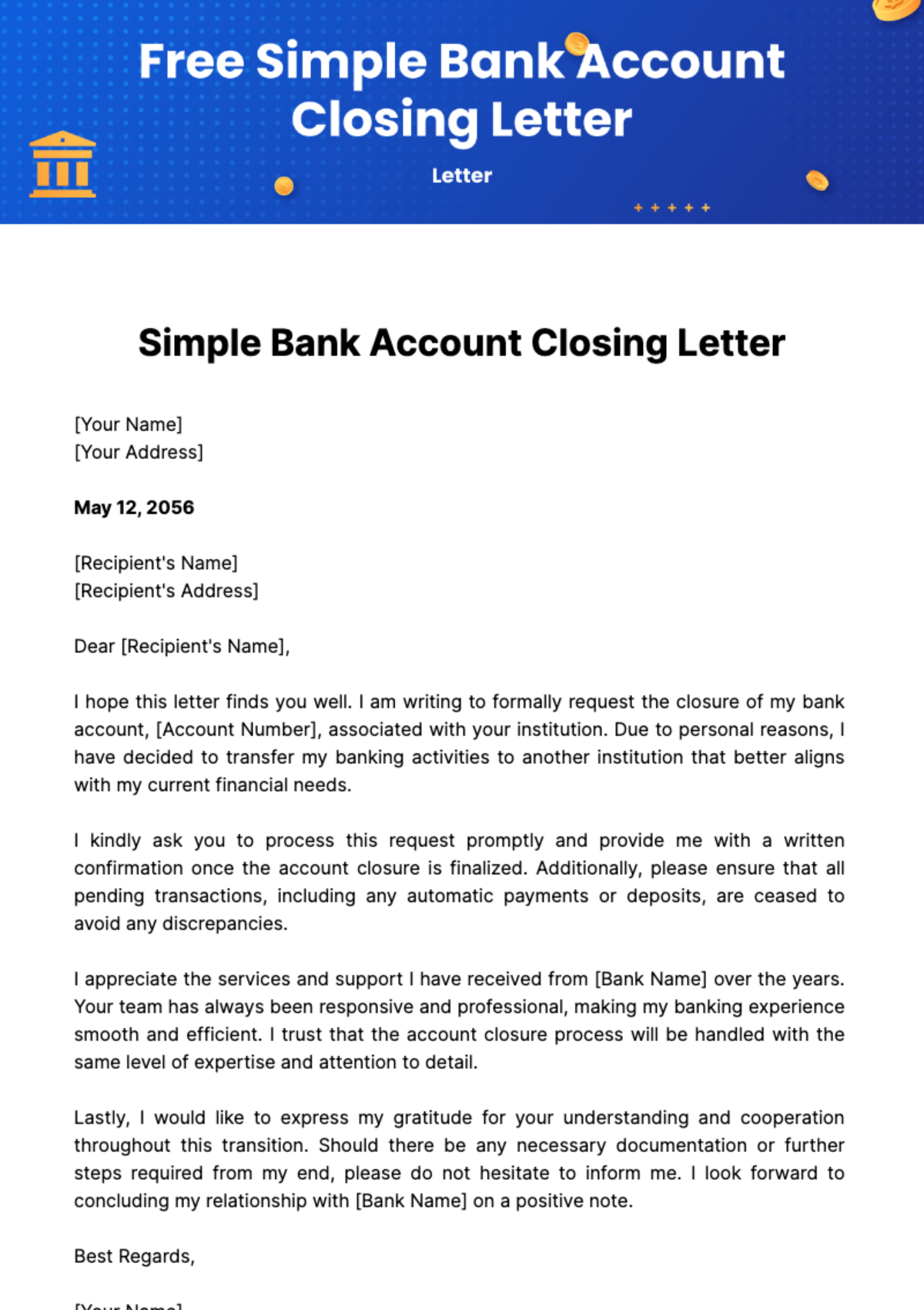
- In Writing: Sending a written request (certified mail with a return receipt is recommended) provides a documented trail. This is particularly useful if you’re unable to visit a branch or experience difficulties closing via other methods. Some banks may require a written request regardless of the initial contact method.

Clearly state your intention to close the account and confirm that all funds have been transferred and all recurring transactions updated.
Providing Required Information and Documentation
Regardless of the contact method, you will likely need to provide specific information and documentation. This typically includes:
- Your full name and address.
- The account number(s) you wish to close.
- A valid government-issued photo identification (for in-person requests).
- Your signature (if required on a form).
- In some cases, the bank may ask for your reason for closing, though you are generally not obligated to provide one.
Be polite but firm in your request. If the bank tries to retain your business with new offers, respectfully decline if you are certain about closing.
Confirming Zero Balance and Final Transactions
Before final closure, the bank will verify that the account balance is zero. If there’s a small positive balance remaining, they may issue you a check for the amount, transfer it to another account you hold with them, or ask how you wish for the funds to be disbursed. Conversely, if there’s any outstanding balance or pending fee, you’ll need to clear it before the account can be closed. Double-check with the bank representative that no final fees (like an account closure fee, though less common now) will be applied.
Obtaining Written Confirmation of Closure
This is a critical step for your records. Always request written confirmation that the account has been officially closed and that there are no remaining liabilities or outstanding issues. This confirmation can be a letter mailed to your address or an email. Keep this document with your financial records, as it serves as proof that you fulfilled your obligations and that the bank no longer considers you to have an open account with them. This documentation can be invaluable if any discrepancies arise in the future.
Destroying Associated Cards and Checks
Once you have confirmation that your account is closed, physically destroy all debit cards, ATM cards, and unused checks associated with that account. Cut through the magnetic stripe and chip on cards, and shred unused checks to prevent unauthorized use. This final action safeguards against any potential fraudulent activity that could occur if these items fell into the wrong hands after the account’s closure.
Potential Pitfalls and How to Avoid Them
Closing a bank account can be fraught with minor complexities if not approached methodically. Awareness of common pitfalls can help you navigate the process without incident.
Overlooking Pending Transactions
A frequent issue is forgetting about a check written recently that hasn’t cleared, or a small, infrequent debit card purchase that is still processing. If these transactions hit an account after the balance has been transferred out or after the closure request, it can lead to an overdraft, reversal of the closure, or unexpected fees. The best way to avoid this is to allow sufficient time (e.g., a week or two) after your last transaction before initiating closure, and to confirm all activity has ceased.
Forgetting Recurring Payments
This is arguably the most significant pitfall. Missing a crucial recurring payment (like a mortgage, car loan, or insurance premium) because you failed to update the banking details can lead to late fees, damaged credit scores, or even cancellation of services. Create a detailed list of all recurring payments and direct deposits, no matter how small or infrequent, and methodically update each one with your new bank account information. Confirm with the payee that the new details have been registered.
Ignoring Account Minimums and Closure Fees
Some accounts carry specific requirements, such as minimum daily balances to avoid fees. If you fall below this minimum while preparing for closure, you could incur an unexpected charge. Additionally, while less common, some banks may charge an account closure fee, especially if the account has been open for a very short period. Always read your account agreement or ask a representative about any potential fees associated with closing the account.
Not Verifying Closure
Assuming an account is closed simply because you made the request can be a mistake. Without written confirmation, there’s a chance of miscommunication or administrative error, leaving the account technically open and potentially accumulating fees. Always follow up and obtain that official confirmation to have tangible proof of closure.
Impact on Credit Score (if linked to overdraft or credit products)
While closing a standard checking or savings account typically has no direct impact on your credit score, if the account has an associated overdraft protection line of credit or is linked to other credit products, closing it without proper attention could have indirect effects. For example, closing an old line of credit might reduce your overall available credit, which could subtly impact your credit utilization ratio. Ensure any credit-related products are handled separately and understood in terms of their credit implications.
After Your Account is Closed: What’s Next?
The process doesn’t end the moment you receive confirmation of closure. A few final steps are advisable to ensure your financial health remains on track.
Monitoring Your Financial Health
For the first few months after closing an account, diligently monitor your new bank account statements and credit report. Check for any unexpected debits from the old account, or any missed direct deposits or payments that you thought you had updated. Early detection of such issues allows for quick resolution before they escalate into larger problems. Review your credit report periodically to ensure no fraudulent activity or missed payments related to the old account closure appear incorrectly.
Storing Records Safely
Keep the written confirmation of closure, along with relevant statements from the old account, in a secure place. This documentation serves as an important record for your personal financial history and can be crucial if any disputes or questions arise regarding the closed account years down the line. A secure digital or physical archive is recommended.
Establishing New Financial Habits
With your finances consolidated or moved to a new institution, take the opportunity to reassess and refine your financial habits. Explore the features and tools offered by your new bank. Are there better budgeting tools, higher-yield savings options, or more convenient mobile banking services? Leverage these to strengthen your financial management practices. This might be an ideal time to review your budget, set new savings goals, or explore investment opportunities, ensuring your financial strategy is always optimized for your current circumstances.
By approaching the task of canceling a bank account with diligence and attention to detail, you can navigate what might seem like a complex process with confidence, ultimately reinforcing your financial security and control.
aViewFromTheCave is a participant in the Amazon Services LLC Associates Program, an affiliate advertising program designed to provide a means for sites to earn advertising fees by advertising and linking to Amazon.com. Amazon, the Amazon logo, AmazonSupply, and the AmazonSupply logo are trademarks of Amazon.com, Inc. or its affiliates. As an Amazon Associate we earn affiliate commissions from qualifying purchases.