
The question of which side of the road a nation drives on might appear to be a mere detail of traffic law. However, when examined through the lens of brand strategy, it reveals itself as a surprisingly significant element of national identity, a quiet yet powerful component of a country’s operational brand. Canada’s adherence to driving on the right-hand side of the road is not an arbitrary choice; it’s a decision deeply intertwined with historical influences, economic considerations, and its unique relationship with the dominant global economic power to its south. Understanding this seemingly simple aspect offers valuable insights into how a country cultivates and maintains its brand on a global stage.
The Historical Roots of Canadian Driving Conventions
The choice of driving side is rarely a spontaneous decision. For Canada, it’s a practice shaped by centuries of evolving transportation norms and the powerful gravitational pull of its largest trading partner and cultural influence.
Colonial Legacies and American Influence
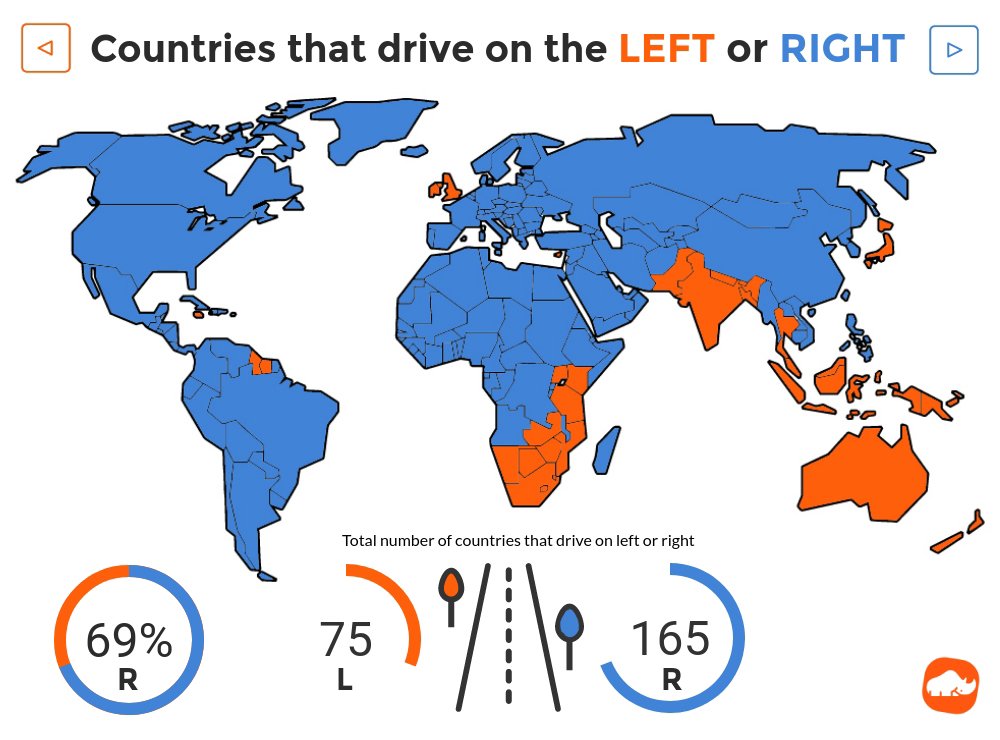
Canada’s driving practices are a direct reflection of its colonial past and its ongoing, deep-seated relationship with the United States. While many former British colonies, including Australia and India, retained left-hand driving, Canada largely aligned with American conventions for practical and economic reasons. This wasn’t a singular, sudden shift but rather a gradual process influenced by the flow of goods, people, and vehicles across the border.
Early in the history of wheeled transportation, there was no universally adopted standard. However, as North America developed, the burgeoning automotive industry in the United States, with its established right-hand driving model, began to exert significant influence. Manufacturers, primarily American, produced vehicles designed for right-hand driving. For Canada, importing these vehicles and ensuring interoperability with American roads became increasingly crucial for trade and travel. The sheer volume of American cars and trucks entering Canada, coupled with the increasing ease of cross-border movement, made adopting the right-hand side the most logical and economically sensible decision.
The Impact of Early Automotive Development
The early 20th century was a pivotal period for automotive adoption. As the automobile transitioned from a luxury item to a more common mode of transport, standardization became essential for safety and efficiency. Canada, with its nascent automotive manufacturing sector and its strong economic ties to the US, found itself in a position where aligning driving practices was a natural progression. This alignment wasn’t just about the cars themselves but also about the infrastructure that supported them – road signage, traffic signals, and the design of intersections all began to fall into a familiar pattern for those crossing the border. The brand of “North American driving” began to solidify, with Canada firmly embedded within it.
The Economic and Practical Implications of a Unified Driving Brand
The decision to drive on the right-hand side of the road has profound economic and practical implications for Canada, shaping its infrastructure, trade, and the consumer experience. These aspects contribute to the operational efficiency and predictability of its national brand.

Seamless Cross-Border Trade and Transportation
One of the most significant brand advantages of Canada driving on the right is the seamless integration with the United States. This shared convention dramatically simplifies cross-border trade and transportation. Trucks carrying goods can traverse the border without the need for complex vehicle reconfigurations or specialized drivers. Passengers can drive their own vehicles back and forth without facing the disorientation or increased risk associated with switching sides of the road. This fluidity in movement reinforces Canada’s brand as an accessible and integrated partner within the North American economic bloc. Imagine the logistical nightmares and increased costs if Canada drove on the left; it would create a significant barrier to efficient commerce, a negative mark on its operational brand.
Vehicle Manufacturing and Consumer Choice
The alignment of driving sides also has a direct impact on the automotive industry within Canada. While Canada has its own automotive manufacturing base, it is heavily integrated with the American industry. The vast majority of vehicles produced in North America are designed for right-hand driving. For Canada to adopt left-hand driving would necessitate a complete overhaul of its manufacturing sector, a prohibitively expensive and impractical undertaking. Furthermore, it would severely limit the availability of vehicles for Canadian consumers, restricting their choice to models specifically manufactured for left-hand driving, which are scarce and often significantly more expensive. This commonality ensures Canadian consumers have access to the same diverse range of vehicles as their American counterparts, reinforcing the brand of consumer parity and convenience.
Infrastructure and Public Safety
The consistency in driving side also simplifies the design and implementation of road infrastructure. Traffic signs, road markings, and the overall layout of intersections and highways are designed with right-hand driving in mind. This standardization enhances public safety by reducing confusion for both domestic drivers and those visiting from the United States. A sudden shift to left-hand driving would require a monumental and costly redesign of virtually all Canadian roads, a prospect that is economically unfeasible and poses significant safety risks during the transition. Maintaining the current standard reinforces Canada’s brand as a country with well-ordered and predictable infrastructure, contributing to a sense of security and ease of navigation for all.
Canada’s Driving Brand in the Global Context
While the primary influence on Canada’s driving side is its North American proximity, it’s also worth considering how this aligns with global trends and contributes to Canada’s broader international brand perception.
The Dominance of Right-Hand Driving Globally
Globally, the vast majority of countries drive on the right-hand side of the road. Estimates suggest that around 65% of the world’s population lives in right-hand driving countries. This means that Canada’s choice aligns it with a significant majority of global traffic conventions. This alignment can subtly enhance Canada’s brand as a participant in a broadly understood and practiced system. For international visitors and businesses, navigating Canada presents a familiar experience, reducing potential points of friction or confusion. This familiarity contributes to a positive brand association, suggesting a country that is easy to engage with and understand on a fundamental level.
A Subtle Indicator of Integration and Practicality
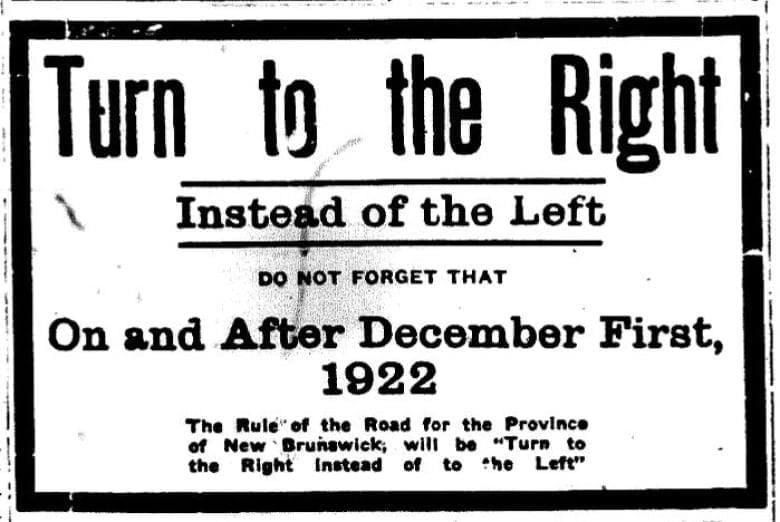
The consistent driving side is a subtle yet powerful indicator of Canada’s pragmatic approach to national branding and its deep integration within the North American economic and cultural sphere. It’s a characteristic that speaks to efficiency, economic sensibility, and a desire for seamless interaction with its most important global partner. Unlike some historical anomalies in driving side choices, Canada’s adherence to the right-hand norm reinforces its brand as a rational, modern, and well-connected nation. It’s a quiet testament to a branding strategy that prioritizes functionality and ease of integration, ensuring that its operational elements contribute positively to its overall global image. In essence, the side of the road Canada drives on is a small but crucial element that reinforces its identity as a reliable, accessible, and practically-minded member of the global community.
aViewFromTheCave is a participant in the Amazon Services LLC Associates Program, an affiliate advertising program designed to provide a means for sites to earn advertising fees by advertising and linking to Amazon.com. Amazon, the Amazon logo, AmazonSupply, and the AmazonSupply logo are trademarks of Amazon.com, Inc. or its affiliates. As an Amazon Associate we earn affiliate commissions from qualifying purchases.