
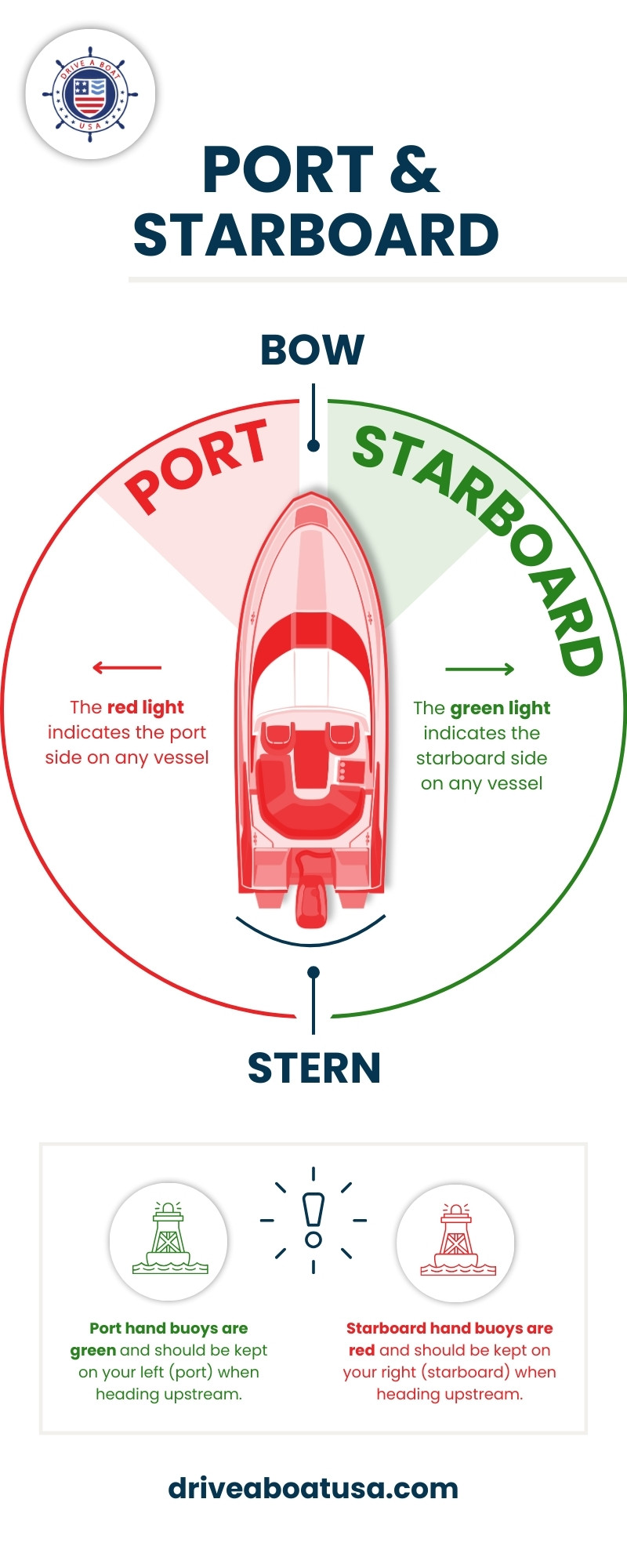
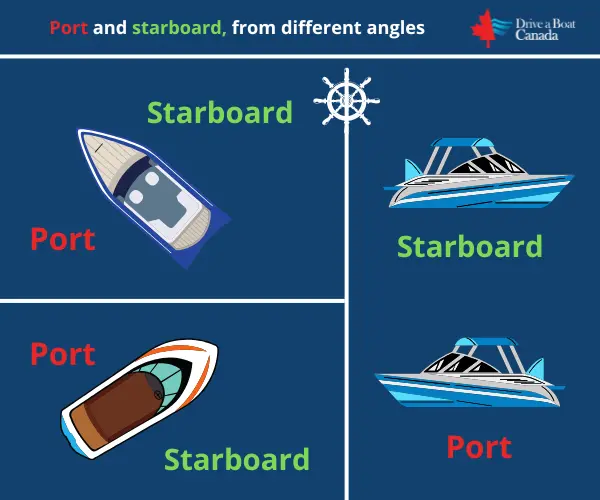
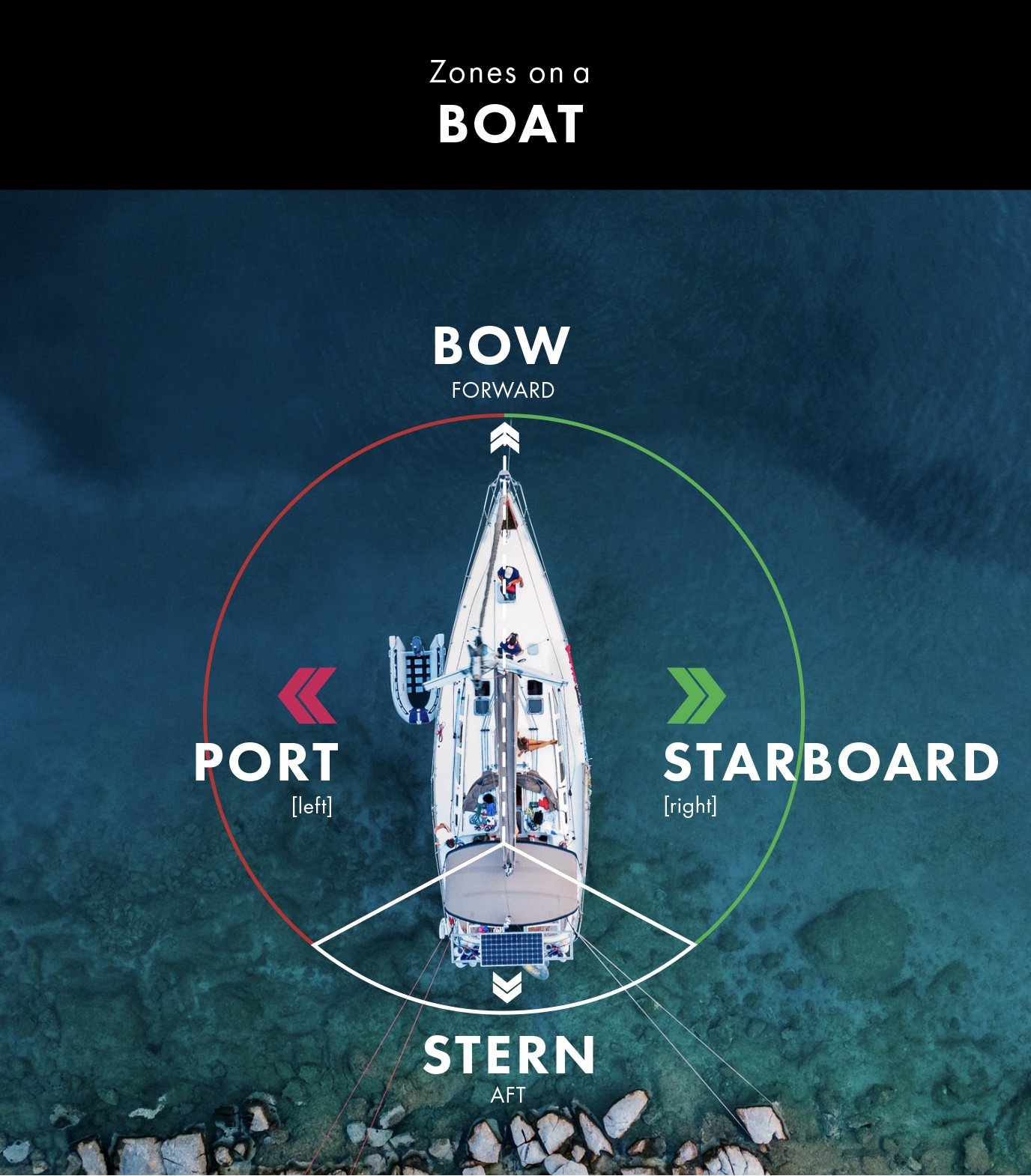
The term “starboard” originates from nautical language, signifying the right-hand side of a vessel when facing forward. While its literal application remains firmly rooted in seafaring, the underlying concept of designated directions and relative positioning has a surprisingly potent analogy within the realm of technology. In the digital landscape, understanding specific “sides” or orientations is crucial for effective design, intuitive user experience, and the efficient flow of information. This exploration delves into how the principle of “starboard” manifests in the technological world, from the visual layout of our screens to the underlying architecture of complex systems.
The User Interface: Right-Hand Navigation and Action
The most immediate and relatable manifestation of “starboard” in tech lies within the User Interface (UI). Modern software and web applications are meticulously designed to guide users through a digital experience, and the placement of interactive elements often mirrors the nautical concept of keeping essential functions readily accessible on a primary “side.”
Primary Action Buttons and Calls to Action
In many graphical user interfaces (GUIs), the dominant action buttons – those that initiate a primary process or task – are strategically positioned on the right side of a dialog box or a section of the screen. This placement is not arbitrary; it’s rooted in human-computer interaction (HCI) principles and the common flow of visual attention. Consider the “Save,” “Submit,” “Continue,” or “OK” buttons. These are often found on the right, suggesting a natural progression towards completion. This mirrors the idea of the starboard side being the primary side for commands and actions when navigating.
Contextual Menus and Toolbars
Similarly, contextual menus, which appear when a user right-clicks on an item, often “pop out” to the right of the cursor. This ensures that the menu doesn’t obstruct the item it’s related to. Toolbars, particularly in productivity software, frequently have their most frequently used or primary tools clustered on the right-hand side. This allows for quick access without requiring extensive mouse travel across the screen. This strategic grouping on the “starboard” side of the interface aims to minimize cognitive load and enhance efficiency for the user.
Mobile App Navigation Patterns
On mobile devices, the concept of “starboard” becomes even more nuanced due to screen real estate constraints and touch-based interaction. While some navigation elements might reside on the left (like a hamburger menu), the right side often hosts crucial actions. For instance, in messaging apps, the send button is typically on the right of the text input field. In e-commerce apps, the “Add to Cart” button, a primary call to action, is often prominently displayed on the right. This deliberate placement capitalizes on thumb accessibility and the user’s expected path of interaction.
Data Orientation and Information Architecture
Beyond the visual layout, the principle of “starboard” can be extrapolated to how data is organized and processed within technological systems. The concept of directional orientation within data structures and algorithms is paramount for efficient operation and analysis.
Data Columns and Fields in Databases
In relational databases, data is typically organized into tables with rows and columns. While there isn’t a strict “starboard” designation for columns, the convention of presenting key identifying information on the left and more descriptive or transactional data on the right can be seen as an analogous organization. For instance, a primary key or a descriptive name might appear on the left, while associated values or status indicators, which could be considered more “active” or “result-oriented,” might appear further to the right. This aids in scanning and understanding the relationships within the data.
Algorithmic Directionality and Processing Flows
Within algorithms and data processing pipelines, there are often defined start and end points, or sequential steps. While not explicitly labeled “starboard,” the directionality of data flow can be understood in this context. For example, in a complex data transformation process, the input data might be considered the “port” side, and the processed, refined output, or the “destination” of the transformation, could be viewed as being on the “starboard” side. This conceptual framing helps in understanding the purpose and direction of computational processes.
Geographic Information Systems (GIS) and Spatial Data
Geographic Information Systems (GIS) deal extensively with spatial data, where orientation and direction are fundamental. While not a direct mapping to “starboard,” the concept of relative positioning is critical. For instance, when analyzing spatial relationships, one might consider the relative position of a point of interest to a reference point. If the reference point is considered the origin, then features located to the “right” or in a particular quadrant could be analyzed in relation to their directional proximity, a concept akin to identifying something on a specific “side.”
Network Infrastructure and System Architecture
The “starboard” concept can even be applied to the broader architecture of technological systems and networks, where the direction of communication and the flow of critical signals are essential for functionality.
Server Rack Orientation and Connectivity
In data centers, server racks are meticulously organized. While not a standardized term, the way network cables are routed and connected can embody a directional logic. For instance, a primary data uplink might be consistently routed from a specific side of a rack or server chassis. This ensures ease of maintenance, troubleshooting, and scalability. Identifying the “starboard” side of a rack could, in practical terms, mean the side where critical network uplinks are managed, ensuring the system’s primary data flow is kept accessible and organized.
Network Traffic Flow and Directionality
Network protocols and traffic management systems often deal with the direction of data packets. While not termed “starboard,” understanding the “ingress” and “egress” points of network traffic is crucial. If we consider a system’s active processing or outbound communication as the primary direction of action, then the pathways or interfaces associated with this outbound flow could be metaphorically considered the “starboard” side of the network architecture. This is particularly relevant in firewall configurations and traffic routing, where defining outbound rules on a specific network interface (or “side”) is critical for security and performance.
API Endpoints and Data Exchange
Application Programming Interfaces (APIs) are the conduits through which different software systems communicate. The design of API endpoints can also reflect a directional logic. Certain endpoints might be designated for initiating primary requests or receiving critical data, akin to the functions found on the “starboard” side. Understanding which endpoints are responsible for outbound requests or primary data pushes helps developers navigate and utilize APIs effectively.
Conclusion: Navigating the Digital Realm with Directional Awareness
While the term “starboard” is deeply rooted in the physical world of maritime navigation, its underlying principle of designating a primary direction or side for action, orientation, and critical functions finds compelling parallels in the digital realm. From the intuitive layout of our interfaces, guiding our interactions with buttons and menus, to the organized structure of data and the directional flow of information within complex systems, the concept of a designated “starboard” side is a recurring theme. Recognizing these patterns, even if not explicitly labeled as such, enhances our ability to understand, design, and effectively utilize the technologies that permeate our lives. By appreciating these directional conventions, we can navigate the ever-evolving technological landscape with greater clarity and efficiency, ensuring that our digital journeys are as purposeful and well-directed as any voyage at sea.
aViewFromTheCave is a participant in the Amazon Services LLC Associates Program, an affiliate advertising program designed to provide a means for sites to earn advertising fees by advertising and linking to Amazon.com. Amazon, the Amazon logo, AmazonSupply, and the AmazonSupply logo are trademarks of Amazon.com, Inc. or its affiliates. As an Amazon Associate we earn affiliate commissions from qualifying purchases.