
In an increasingly digital age where transactions can happen with a tap on a smartphone, the seemingly simple question, “What time do banks close?” still holds significant relevance. While the omnipresence of online and mobile banking might suggest traditional branch hours are becoming obsolete, understanding the nuances of when physical banks operate remains crucial for a variety of financial activities. From depositing a large check to meeting with a loan officer, or simply needing expert advice, the brick-and-mortar branch continues to play a vital role. This article delves into the intricacies of bank closing times, exploring the factors that influence them, the services tied to these hours, and how modern financial tools are reshaping our relationship with traditional banking schedules.
The Traditional Landscape of Banking Hours and Their Variations
For generations, the rhythmic opening and closing of bank doors dictated much of an individual’s financial planning. While technology has offered unparalleled convenience, the core concept of a bank’s operating hours is still rooted in established practices and regulatory frameworks.
Typical Operating Hours: A General Overview
Most banks adhere to a relatively standardized schedule across the United States and many other developed nations. Weekdays typically see banks open from 9:00 AM to 5:00 PM or 4:00 PM, though variations are common. Some branches, particularly those in high-traffic commercial areas or suburbs, might extend their hours to 6:00 PM one or two days a week. Weekends present a different picture; while many branches offer limited Saturday hours, often from 9:00 AM to 1:00 PM, Sunday operations are exceedingly rare, usually reserved for specialized services within certain financial institutions.
Factors Influencing Branch Schedules
Several elements contribute to the specific hours a bank branch maintains. The size and type of the financial institution are primary differentiators.
- Large National Banks: Major players like Chase, Bank of America, Wells Fargo, and Citibank often have more standardized hours across their vast networks, although regional adjustments for local holidays or market demands can occur. They typically have sophisticated online and mobile platforms designed to absorb routine transactions, allowing physical branches to focus on more complex services.
- Community Banks and Credit Unions: These smaller, locally focused institutions might offer more flexible or community-centric hours. They might open earlier, close later, or even have specific “late nights” to accommodate local businesses or residents. Their schedules are often tailored to the specific needs of their immediate clientele, sometimes reflecting regional work schedules or local cultural practices.
- Geographical Location: Urban branches might have different hours than suburban or rural ones. Downtown financial districts might have earlier openings to cater to business clients, while branches in shopping centers might align their hours with retail operations. Time zone differences, of course, also mean “what time banks close” can be very different from coast to coast.
- Drive-Thru vs. Lobby Hours: Many banks offer drive-thru services that extend beyond their lobby hours, allowing for basic transactions like deposits and withdrawals earlier in the morning or later into the evening. This separation acknowledges the different levels of service that require direct interaction versus those that can be handled through a teller window.
Understanding these variations is crucial for anyone planning a visit, especially for time-sensitive transactions. Always check the specific branch’s website or call ahead to confirm their current operating schedule.
Beyond the Branch: The Expansion of Banking Access
While the question “what time do banks close” still points to physical locations, the reality of modern banking means that financial access far transcends these traditional constraints. The digital revolution has fundamentally reshaped how we interact with our money, offering unparalleled convenience and virtually 24/7 access to many essential banking services.
The Rise of Digital Banking: 24/7 Financial Access
The most significant shift has been the proliferation of online and mobile banking platforms. These digital channels have effectively dismantled the concept of banking hours for a vast array of services.
- Online Banking Portals: Accessible from any computer with an internet connection, online banking allows customers to check balances, view transaction history, transfer funds between accounts, pay bills, set up direct deposits, and even apply for loans or credit cards, all at any time of day or night. The “closing time” for these services is simply when a transaction’s processing cut-off occurs, not when a physical door locks.
- Mobile Banking Applications: Taking convenience a step further, mobile apps bring most online banking functionalities to smartphones and tablets. Features like mobile check deposit, where users can photograph a check and deposit it digitally, have revolutionized how people handle incoming funds, significantly reducing the need for a trip to a physical branch. Real-time alerts, budgeting tools, and even biometric login methods enhance both security and user experience.
- ATMs (Automated Teller Machines): Long before widespread internet banking, ATMs were the original 24/7 banking solution. They remain a cornerstone of accessible banking, allowing for cash withdrawals, deposits, balance inquiries, and sometimes even loan payments, independently of branch operating hours. While not all services are available, ATMs provide crucial basic financial access at all times.
- Telephone Banking: Many banks offer automated phone banking services or customer support lines that operate outside of standard branch hours. While automated systems can handle routine inquiries and transfers, live customer service representatives may have more limited availability, though often extending later than branch closings.
This digital expansion means that for many routine financial tasks, the traditional question of “what time do banks close” has become largely irrelevant. The focus has shifted to understanding cut-off times for processing and availability of funds rather than physical access.
Critical Cut-off Times and Their Impact on Transactions
While digital banking offers 24/7 access, it’s important to differentiate this from 24/7 processing. Many critical banking functions, particularly those involving the movement of money, are still governed by daily cut-off times. Missing these deadlines can lead to delays that impact personal finances, bill payments, and business operations.
Understanding Deposit and Transaction Cut-offs
The most common cut-off time relates to deposits and funds availability.
- Physical Deposits: If you deposit a check at a branch or ATM before the daily cut-off time (often 2:00 PM to 5:00 PM local time), it will generally be processed on that business day. Deposits made after this time, or on weekends/holidays, will typically be processed on the next business day. This impacts when the funds become available for withdrawal or use.
- Mobile Check Deposits: Similar cut-off times apply to mobile deposits. While you can deposit a check via your phone at 3 AM, it won’t be processed until the next business day if made after the bank’s daily mobile deposit cut-off.
- Electronic Transfers (ACH and Wire Transfers): ACH (Automated Clearing House) transfers, commonly used for direct deposits, bill payments, and person-to-person transfers, have specific daily cut-off times for initiation. If you schedule an ACH transfer after this time, it will begin processing on the next business day, extending the total transfer time. Wire transfers, designed for faster, larger sum transfers, also have strict cut-off times, often earlier in the day, due to their immediate and irreversible nature. Missing a wire transfer deadline can significantly delay critical payments.
- Bill Pay: While you can schedule a bill payment any time, the bank needs time to process and send the payment. It’s crucial to understand the lead time required (often 3-5 business days for electronic payments and even longer for mailed checks) and schedule payments well in advance of their due dates to avoid late fees.
The Implications for Personal and Business Finance
These cut-off times have tangible consequences. For personal finance, forgetting a cut-off time could mean a late bill payment, an overdraft fee, or a delay in accessing critical funds. For businesses, especially small businesses, understanding these timelines is paramount.
- Payroll: Missing a payroll processing cut-off can delay employee salaries, leading to significant dissatisfaction and potential legal issues.
- Vendor Payments: Late payments to suppliers can strain relationships, incur late fees, and impact a business’s creditworthiness.
- Large Transactions: For real estate closings, major investments, or other significant financial movements, adherence to cut-off times for wire transfers or certified checks is absolutely critical.
Financial tools often provide clear indications of these cut-off times, and it’s prudent for individuals and businesses to familiarize themselves with them for their specific banking products.
Navigating Exceptions and Planning for Future Needs
Beyond daily schedules and digital conveniences, various exceptions and future trends continue to shape how we interact with banking hours. Being aware of these can prevent unexpected delays and optimize financial planning.
Holiday Schedules and Unexpected Closures
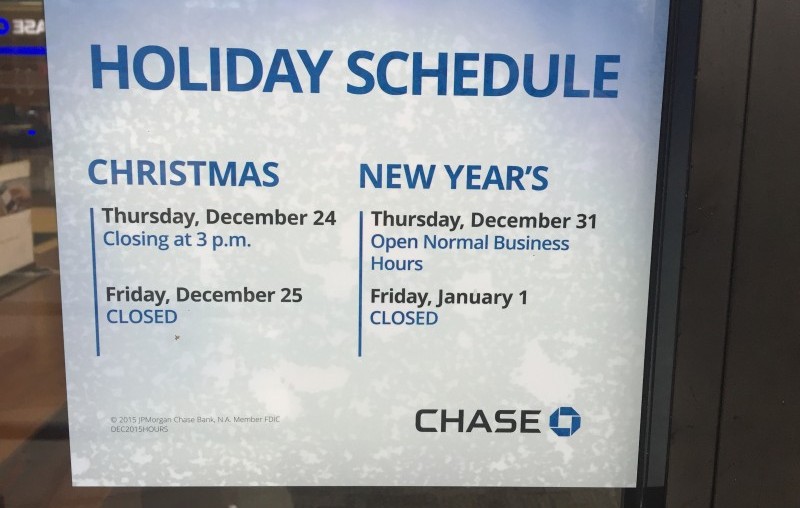
Banks observe federal holidays, which means they are closed on days like New Year’s Day, Memorial Day, Independence Day, Labor Day, Thanksgiving, and Christmas. It’s essential to factor these into any financial planning, as no transactions will be processed on these days. Furthermore, unexpected closures can occur due to severe weather, natural disasters, or other local emergencies. While most banks will communicate such closures, it underscores the importance of having digital banking access as a backup. Always check your bank’s website for specific holiday schedules and emergency notifications.
Specialized Services and Appointment-Based Banking
While basic transactions have largely moved online, certain banking services still benefit from or require in-person interaction, often by appointment.
- Loan Applications: While initial applications can be online, discussions with mortgage advisors, business loan officers, or personal loan specialists often involve in-person meetings. These appointments are usually scheduled during standard business hours but might offer more flexibility than walk-in service.
- Investment Advice: Meeting with a financial advisor for investment planning, retirement strategies, or wealth management is typically appointment-based and conducted within a branch’s professional environment.
- Complex Transactions: Opening certain types of accounts, resolving complex account disputes, or dealing with trust and estate planning often necessitates direct interaction with bank staff, making an understanding of “what time banks close” for walk-ins or scheduled appointments crucial.
The Future of Banking Hours: Personalization and AI
Looking ahead, the evolution of banking access is likely to continue towards even greater personalization and technological integration.
- AI-Powered Virtual Assistants: Already present, these tools are becoming more sophisticated, capable of answering complex queries and even executing certain transactions, blurring the lines between human and digital support and potentially extending “service hours” to 24/7 for even more advanced tasks.
- Hyper-Personalized Banking: Banks may leverage data to offer highly personalized services, including customized operating hours for specific client segments or even pop-up branches in unexpected locations during peak times.
- Open Banking and Integrated Platforms: The rise of open banking means that financial services may become even more embedded within other platforms, further abstracting the concept of a “bank closing time” as financial interactions become seamless within daily digital life.

Conclusion
The question “what time do banks close?” is far more nuanced than it appears on the surface. While physical branches adhere to traditional schedules dictated by various factors, the advent of digital banking has revolutionized access, offering a plethora of services around the clock. However, this convenience comes with the caveat of understanding crucial cut-off times that govern when transactions are actually processed.
For individuals and businesses alike, mastering the interplay between traditional banking hours, digital access, and processing deadlines is key to effective financial management. By leveraging online and mobile tools for routine tasks, respecting cut-off times for critical transactions, and knowing when to seek in-person expert assistance, consumers can navigate the dynamic financial landscape with confidence and efficiency, ensuring their financial needs are met regardless of the clock on the bank’s front door. The future promises even greater flexibility, but a foundational understanding of banking hours, in all their forms, will remain an indispensable part of savvy financial living.
aViewFromTheCave is a participant in the Amazon Services LLC Associates Program, an affiliate advertising program designed to provide a means for sites to earn advertising fees by advertising and linking to Amazon.com. Amazon, the Amazon logo, AmazonSupply, and the AmazonSupply logo are trademarks of Amazon.com, Inc. or its affiliates. As an Amazon Associate we earn affiliate commissions from qualifying purchases.