
The financial landscape has undergone a seismic shift since the inception of Bitcoin in 2009. What began as a niche experiment in decentralized cryptography has evolved into a trillion-dollar asset class, often referred to by institutional investors as “digital gold.” For the modern investor, Bitcoin represents more than just a technological curiosity; it is a hedge against inflation, a tool for portfolio diversification, and a cornerstone of the emerging digital economy. However, because Bitcoin operates outside the traditional banking system, the process of acquiring it requires a specialized understanding of digital infrastructure, security protocols, and market dynamics.
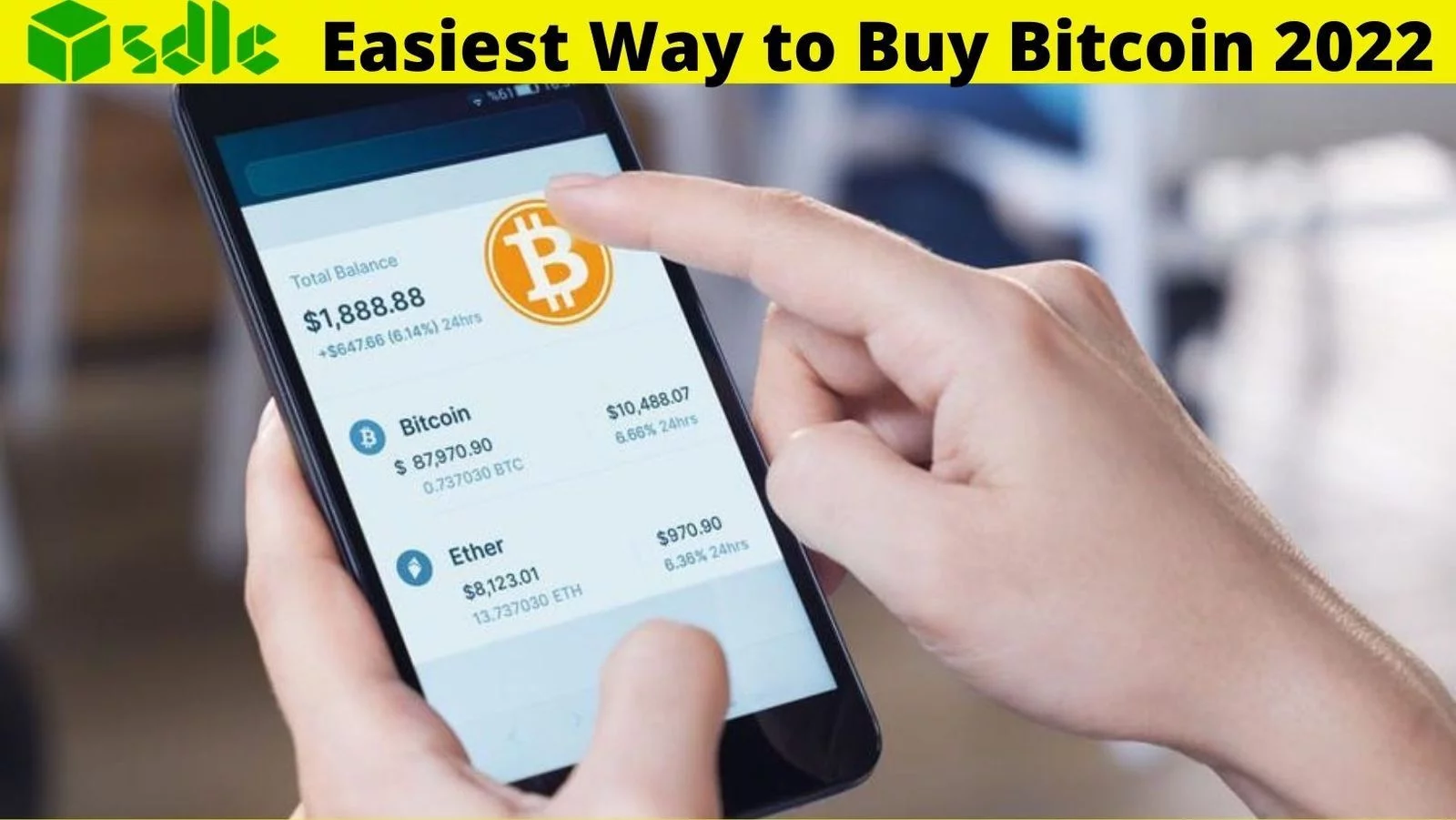
This guide provides a professional roadmap for navigating the complexities of the cryptocurrency market, focusing on the financial strategies and practical steps necessary to integrate Bitcoin into your investment portfolio.
Selecting a Gateway: Choosing the Right Financial Platform
The first step in any Bitcoin investment journey is selecting a platform to facilitate the transaction. In the early days, buying Bitcoin was a cumbersome process involving peer-to-peer transfers and high technical barriers. Today, the “Money” ecosystem has matured, offering several regulated entry points tailored to different investor needs.
Centralized Exchanges (CEX)
Centralized exchanges like Coinbase, Kraken, and Gemini are the most common entry points for retail and institutional investors alike. These platforms function similarly to traditional stock brokerages, providing high liquidity, a user-friendly interface, and robust customer support. When choosing a CEX, an investor must prioritize regulatory compliance and insurance. Ensure the platform is licensed to operate in your jurisdiction and maintains a strong track record of protecting client funds.
Traditional Fintech and Brokerage Apps
For those who prefer to keep their financial life consolidated, traditional fintech apps such as Robinhood, PayPal, and Revolut now offer Bitcoin purchasing options. While these platforms are incredibly convenient, they often come with limitations regarding “withdrawals.” Some apps allow you to buy the price action of Bitcoin but do not permit you to move the actual coins to a private wallet. For the serious investor, the ability to control the underlying asset is often a prerequisite.
Bitcoin ETFs and Institutional Vehicles
The approval of Spot Bitcoin ETFs (Exchange-Traded Funds) has revolutionized the way institutional and retirement investors approach this asset. By purchasing a Bitcoin ETF through a standard brokerage account (like Fidelity or Vanguard), you gain exposure to Bitcoin’s price movements without the need to manage digital keys or navigate crypto-specific exchanges. This is an ideal route for those focused on tax-advantaged accounts like IRAs or 401(k)s.
Securing Your Investment: Custody and Digital Wallets
In the world of personal finance, the phrase “not your keys, not your coins” is a fundamental principle. When you keep Bitcoin on an exchange, the exchange technically controls the asset. To truly own your investment and mitigate “exchange risk,” you must understand the mechanics of digital custody.
Understanding Self-Custody and Private Keys
Every Bitcoin “address” has a public key (like an IBAN or bank account number) and a private key (like a high-level digital signature). To move Bitcoin, the private key is required. Self-custody involves the investor taking personal responsibility for these keys, ensuring that no third party can freeze, seize, or lose the assets.
Hot Wallets vs. Cold Storage
There are two primary categories of wallets: hot and cold.
- Hot Wallets: These are software applications connected to the internet. They are convenient for frequent trading or small transactions but are susceptible to malware and hacking.
- Cold Storage (Hardware Wallets): For long-term wealth preservation, cold storage is the gold standard. Devices like Trezor or Ledger store your private keys offline, completely disconnected from the internet. This creates a physical barrier that prevents remote digital theft, making it the preferred choice for significant holdings.
Multi-Signature and Institutional Custody
For high-net-worth individuals or business entities, “multi-sig” (multi-signature) setups offer an added layer of security. This requires multiple private keys to authorize a single transaction, preventing a single point of failure. Alternatively, professional custodial services offer bank-grade security for those who prefer not to manage the technical aspects of self-custody.
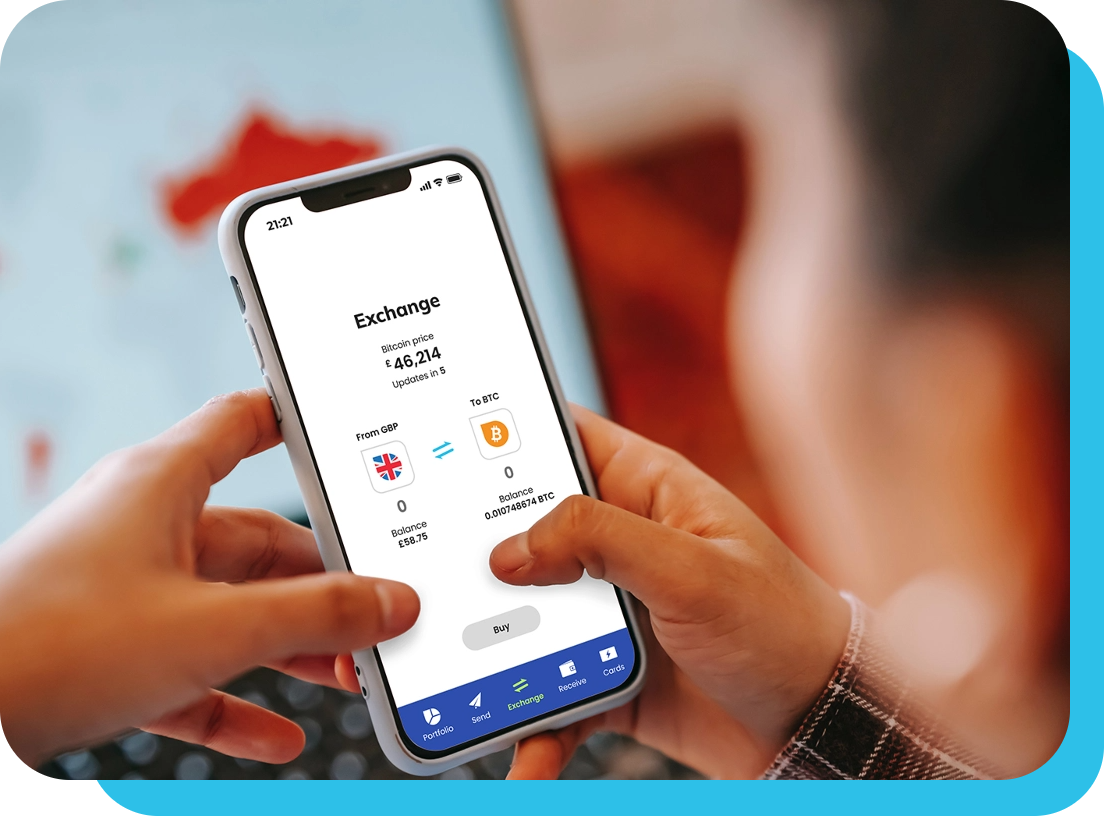
Executing the Trade: A Practical Step-by-Step Roadmap
Once you have selected a platform and determined your custody strategy, the execution of the trade involves several logistical and financial steps. This process ensures that your capital is moved securely from the fiat banking system into the digital asset realm.
The Verification Process (KYC/AML)
To comply with global financial regulations, reputable exchanges require “Know Your Customer” (KYC) and Anti-Money Laundering (AML) verification. You will typically need to provide a government-issued ID, proof of residence, and sometimes a biometric “liveness” check. While this may feel intrusive to some, it is a hallmark of a legitimate, regulated financial entity.
Funding Your Account
After verification, you must link a source of capital. The most cost-effective method is usually an ACH transfer or a wire transfer. While many platforms allow for credit or debit card purchases, these often carry high fees (sometimes upwards of 3-5%) and are generally discouraged for serious investors looking to maximize their cost-basis.
Placing Market vs. Limit Orders
When you are ready to buy, you will face two primary order types:
- Market Orders: These execute immediately at the current market price. While fast, you may experience “slippage” if the market is volatile.
- Limit Orders: These allow you to set a specific price at which you are willing to buy. The trade only executes if Bitcoin hits that price. This is the preferred method for disciplined investors who want to avoid overpaying during sudden price spikes.
Strategic Asset Allocation and Risk Management
Bitcoin is a high-volatility asset. While its long-term growth has outperformed almost every traditional asset class over the last decade, its short-term price swings can be jarring. Successful Bitcoin investing is as much about psychology and risk management as it is about timing.
Dollar-Cost Averaging (DCA)
One of the most effective strategies for accumulating Bitcoin is Dollar-Cost Averaging. Instead of attempting to “time the bottom” with a lump-sum investment, you invest a fixed amount of money at regular intervals (e.g., $200 every month). This strategy smooths out volatility, reducing the emotional stress of price drops and ensuring that you buy more units when prices are low and fewer when prices are high.
Managing Portfolio Volatility
Financial advisors typically recommend that Bitcoin occupy a specific percentage of a total portfolio—often ranging from 1% to 5% for conservative investors, or higher for those with a longer time horizon and higher risk tolerance. Because Bitcoin is non-correlated or semi-correlated with the S&P 500, it can actually lower the overall volatility of a diversified portfolio by providing a different source of returns.
Tax Implications and Record Keeping
In many jurisdictions, including the United States, Bitcoin is treated as “property” for tax purposes. This means every time you sell Bitcoin or trade it for another cryptocurrency, it is a taxable event. It is crucial to maintain meticulous records of your “cost basis” (the price at which you bought) to accurately calculate capital gains or losses. Utilizing specialized crypto-tax software can automate this process and ensure compliance with the IRS or your local tax authority.

The Future of Bitcoin in a Diversified Portfolio
As we look toward the future of personal and corporate finance, Bitcoin’s role continues to solidify. We are moving away from the era of “speculative gambling” and into an era of “institutional adoption.” Central banks, public companies like MicroStrategy, and even sovereign nations have begun to add Bitcoin to their balance sheets.
The value proposition of Bitcoin lies in its mathematical scarcity. With a hard cap of 21 million coins, it stands in stark contrast to fiat currencies, which are subject to inflationary pressures and centralized monetary policy. For the investor, buying Bitcoin is not just about catching a trend; it is about securing a stake in a decentralized global ledger that operates 24/7, 365 days a year, without the need for intermediaries.
By following a disciplined approach—choosing regulated exchanges, prioritizing secure custody, utilizing DCA strategies, and maintaining a long-term perspective—investors can navigate the complexities of the Bitcoin market and potentially capitalize on one of the most significant financial shifts of the 21st century. As with any investment, the key to success is education, patience, and a rigorous commitment to security.
aViewFromTheCave is a participant in the Amazon Services LLC Associates Program, an affiliate advertising program designed to provide a means for sites to earn advertising fees by advertising and linking to Amazon.com. Amazon, the Amazon logo, AmazonSupply, and the AmazonSupply logo are trademarks of Amazon.com, Inc. or its affiliates. As an Amazon Associate we earn affiliate commissions from qualifying purchases.