
The legal distinctions between first- and second-degree murder are foundational to our justice system, carrying profound consequences that extend far beyond the courtroom. While the inherent tragedy of these acts remains paramount, understanding the financial implications is crucial for individuals, families, legal professionals, and even the broader economic landscape. This article delves into the multifaceted financial differences between first- and second-degree murder, examining how these classifications impact sentencing, restitution, insurance, and the economic realities of criminal justice.
The Financial Ramifications of Intent: First-Degree Murder and Its Economic Burden
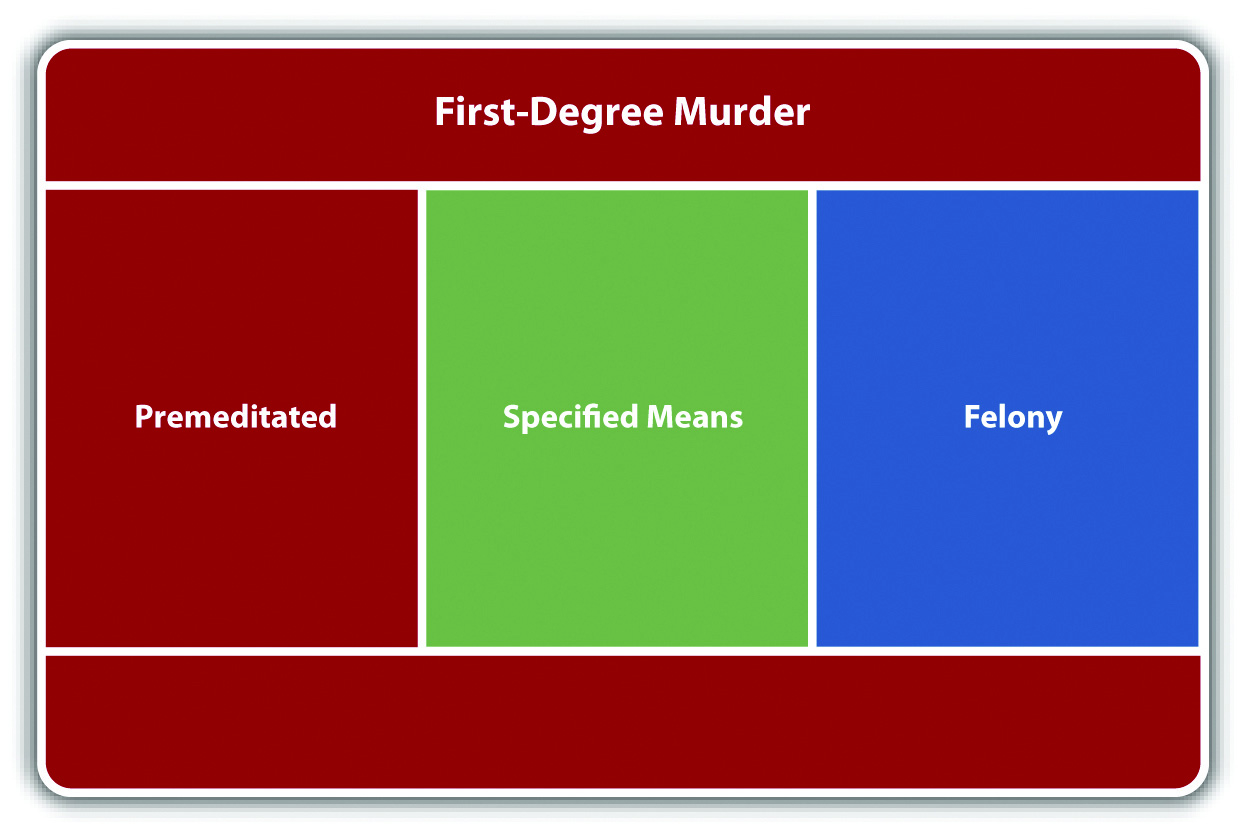
First-degree murder, typically characterized by premeditation and malice aforethought, carries the most severe penalties within the homicide statutes. The financial ramifications associated with this classification are substantial and multifaceted, influencing everything from legal defense costs to the long-term economic impact on victims’ families and the state.
Premeditation and its Costly Legal Defense
The cornerstone of a first-degree murder charge is premeditation. Proving this element requires extensive investigation, expert testimony, and a robust legal defense. The financial burden on the accused, or the state if they are indigent, is immense.
Investigations and Expert Witnesses
Unraveling the timeline of events, establishing motive, and demonstrating a deliberate plan requires significant resources. Private investigators may be hired to gather evidence, interview witnesses, and reconstruct the crime scene. Forensic experts, ballistics specialists, and psychological evaluators are often crucial in building a defense. The fees for these professionals can run into tens of thousands, if not hundreds of thousands, of dollars. For example, a complex forensic analysis of digital communications or a detailed psychological profiling can represent a substantial portion of a legal budget.
Trial Complexity and Duration
First-degree murder trials are often lengthy and complex. Juries are meticulously selected, evidence is presented in detail, and legal arguments can span weeks or months. The legal team’s fees are typically calculated on an hourly basis, and protracted trials dramatically escalate these costs. Beyond attorneys’ fees, court costs, including transcriptions, exhibit preparation, and expert witness fees for court appearances, further contribute to the financial strain. In jurisdictions where the death penalty is a possibility, the pre-trial phase and trial itself are even more elaborate and costly, often doubling or tripling the expenses associated with non-capital murder cases.
Sentencing and its Long-Term Economic Impact
The sentencing for first-degree murder, which can include life imprisonment without parole or capital punishment in some jurisdictions, carries profound and enduring economic consequences for both the convicted individual and society.
Incarceration Costs and Taxpayer Burden
The cost of incarcerating an individual for life is staggering. This includes housing, food, medical care, security, and rehabilitation programs. Estimates vary widely by state and facility, but the per-inmate cost can range from $30,000 to over $60,000 annually. Over a lifetime, this amounts to millions of taxpayer dollars per inmate. Capital punishment, while often perceived as a deterrent, is demonstrably more expensive than life imprisonment due to the protracted appeals process, specialized legal representation, and heightened security measures.
Restitution and Financial Accountability
In cases where a conviction for first-degree murder occurs, courts may order the defendant to pay restitution to the victim’s family. This can include compensation for funeral expenses, lost income, and other financial losses incurred due to the death. While the primary purpose is justice for the victim, the ability of a convicted murderer, especially one facing life imprisonment, to provide meaningful restitution is often limited. This can leave families with enduring financial hardship.
Impact on Insurance Policies and Benefits
The classification of a death as first-degree murder can have significant implications for life insurance policies. In many cases, if a death is ruled a murder, particularly a premeditated one, beneficiaries may face delays or denial of claims. Insurance companies will conduct their own investigations to determine if the death falls under exclusion clauses, such as intentional acts by the insured. This can lead to prolonged legal battles and financial uncertainty for surviving family members who were relying on these benefits.
The Financial Landscape of Second-Degree Murder: A Comparative Analysis
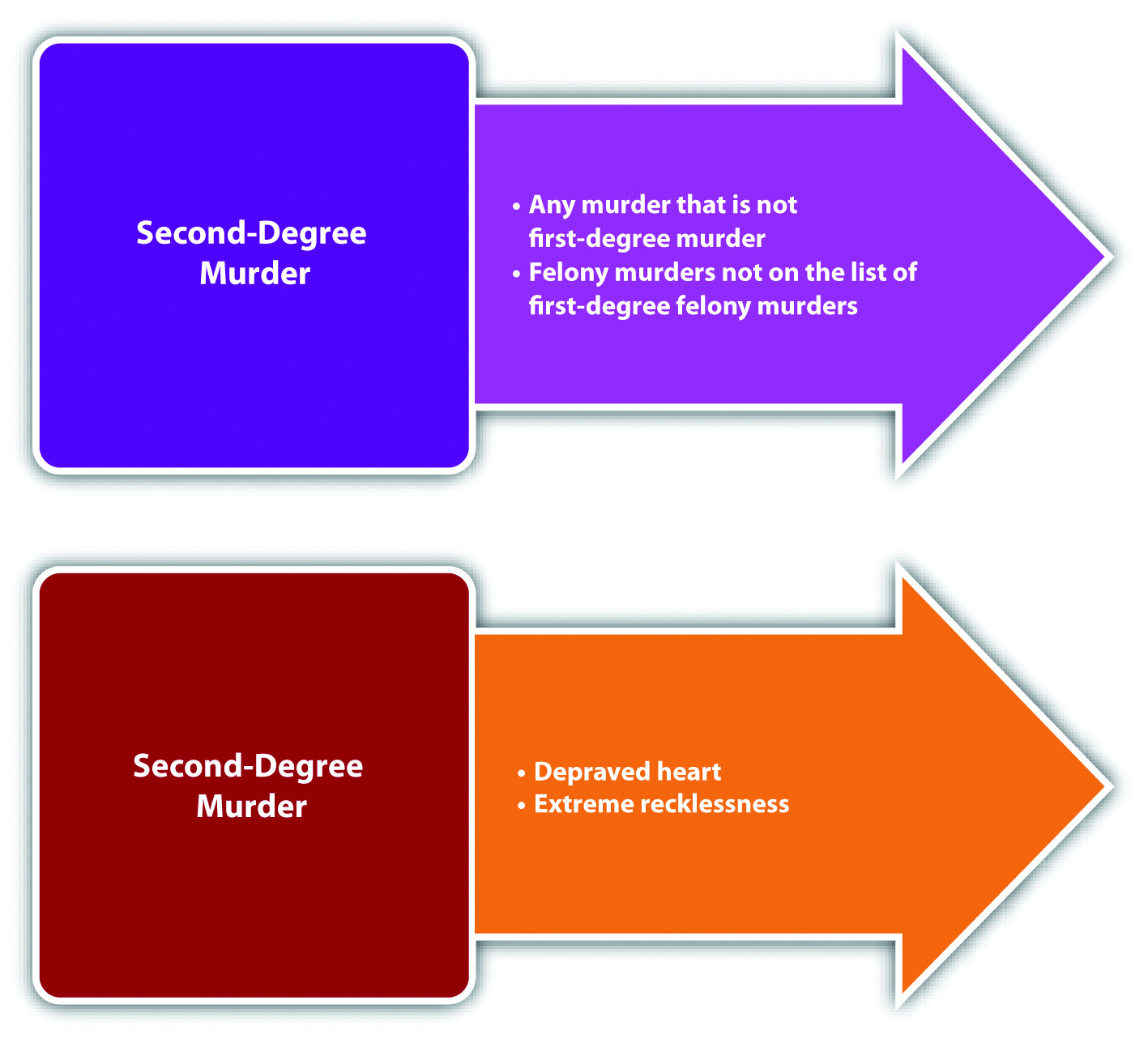
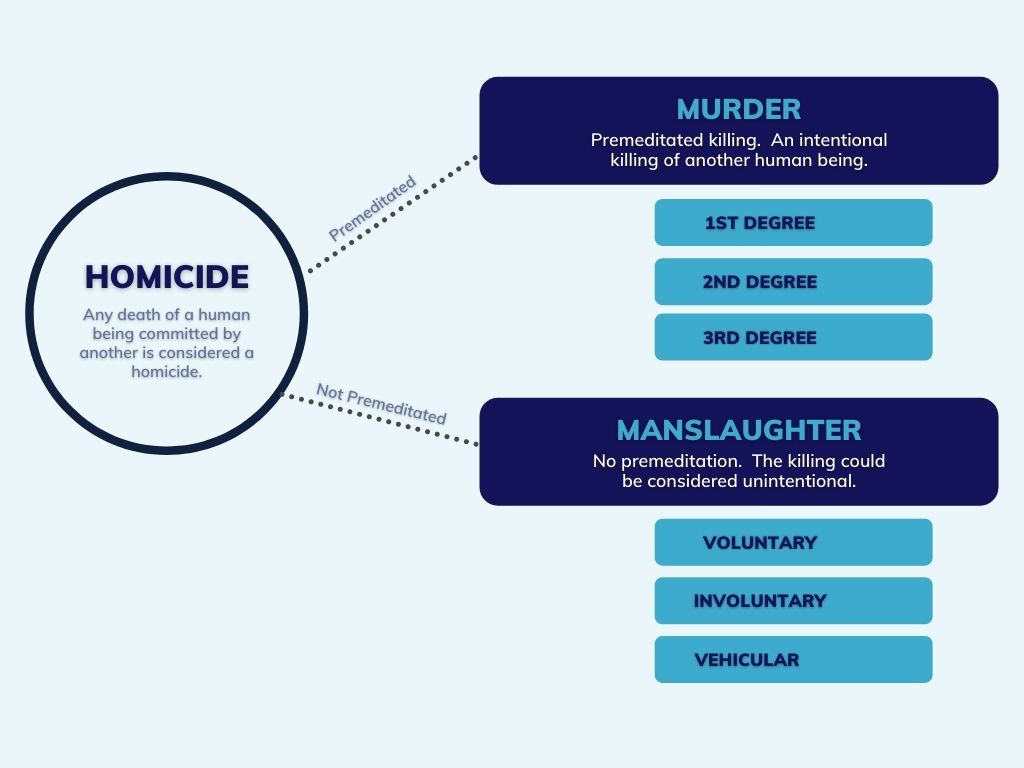
Second-degree murder, generally defined as a killing that is not premeditated but still involves malice aforethought, carries less severe penalties than first-degree murder. However, the financial implications remain significant, albeit often with differing emphases compared to first-degree offenses.
Intent Without Premeditation: Defense and Trial Dynamics
While lacking the element of premeditation, proving or disproving the “malice aforethought” in second-degree murder still necessitates considerable legal resources. The defense strategies and trial proceedings, while typically less elaborate than first-degree cases, still incur substantial costs.
Proving or Disproving Reckless Indifference
The distinction often lies in whether the act was a deliberate plan or a result of extreme recklessness or an intentional act that led to an unintended death. Defending against such charges requires expert analysis of the events, witness testimonies, and potentially psychological evaluations to understand the defendant’s state of mind. While the investigations may not delve into elaborate planning, establishing the nuances of intent still requires skilled legal professionals and can involve significant upfront costs for retainer fees and initial investigations.
Plea Bargains and Reduced Sentencing Costs
Second-degree murder cases are more frequently resolved through plea bargains than first-degree cases. This can sometimes reduce the overall financial burden on the legal system and the accused. A plea bargain often involves a negotiated sentence, which can mean a shorter prison term, potentially reducing long-term incarceration costs for the state. For the defendant, a plea can avoid the exorbitant costs of a full trial. However, even plea negotiations involve legal fees, and the potential for restitution orders remains a significant financial consideration.
Sentencing Outcomes and Their Financial Ripple Effects
The sentencing for second-degree murder typically involves a range of penalties, from significant prison terms to probation, depending on the specifics of the crime and jurisdiction. These outcomes have direct financial repercussions.
Incarceration Costs: A Comparative View
While generally less than for first-degree murder, the cost of incarcerating an individual convicted of second-degree murder for extended periods is still substantial. Shorter potential sentences can translate to lower overall taxpayer expenditure on imprisonment. However, even a decade or more in prison represents millions of dollars in public funds.
Restitution and Financial Recovery for Victims’ Families
The possibility and extent of restitution orders in second-degree murder cases are still significant. Courts will assess the financial losses incurred by the victim’s family. While the defendant may have a greater chance of securing employment upon release or may have fewer years of incarceration, making restitution more feasible, the impact of a wrongful death can still be devastating for families, who may require ongoing financial support or compensation.
Insurance Claims and Dispute Resolution
Similar to first-degree murder, life insurance policies can be affected by a second-degree murder conviction. While the intentionality aspect might be less clear-cut than in premeditated killings, insurers will still scrutinize the circumstances. This can lead to disputes and legal challenges. However, depending on the policy’s language and the specific facts of the case, beneficiaries may have a stronger claim for benefits compared to first-degree murder scenarios. The financial settlement of such claims can still involve considerable legal effort and time.
Broader Economic Impacts and Societal Costs
Beyond the direct financial implications for individuals involved, the legal distinctions between first- and second-degree murder have broader economic impacts on society, influencing criminal justice spending, economic productivity, and public safety initiatives.
The Economics of the Criminal Justice System
The differing levels of severity in murder charges directly influence resource allocation within the criminal justice system. First-degree murder cases, with their heightened complexity and potential for capital punishment, demand more resources in terms of police investigations, prosecution, defense, and court time. This diverts financial resources that could potentially be allocated to other areas of public service or crime prevention.
Resource Allocation and Budgetary Strain
The significant financial commitment required for prosecuting and handling capital or life-without-parole cases can strain the budgets of local and state governments. This often leads to difficult decisions regarding funding for other essential services. Understanding these costs can inform policy decisions regarding criminal justice reform and sentencing guidelines.
The Economic Argument for Justice Reform
Analyzing the financial disparities between how different degrees of murder are prosecuted and sentenced can inform discussions about justice reform. For instance, the extremely high cost of capital punishment often fuels debates about its efficacy and whether those resources could be better utilized in rehabilitation programs or addressing the root causes of violent crime, which might ultimately have a more positive economic impact by reducing future crime rates.
Economic Productivity and Community Impact
The financial consequences of murder extend to the economic productivity of both individuals and communities. The loss of a life represents a loss of potential economic contribution to society. Furthermore, the incarceration of individuals, regardless of the degree of murder, removes them from the workforce, impacting their own future earning potential and that of their families.
Loss of Workforce and Economic Contribution
When an individual is convicted of murder, their ability to contribute to the economy through employment and taxes is eliminated. This loss of economic potential, particularly for younger individuals, can have a ripple effect on families and communities. The financial impact on dependents left behind can be profound, often requiring social services and support.
The Economic Rationale for Crime Prevention
Ultimately, a deeper understanding of the financial implications of murder, from legal defense to incarceration and lost productivity, underscores the economic rationale for investing in crime prevention strategies. Reducing violent crime through social programs, education, and community development can yield significant long-term economic benefits by minimizing the costly repercussions associated with homicide.
In conclusion, while the legal definitions of first- and second-degree murder are rooted in intent and culpability, their financial consequences are far-reaching and profound. From the immense legal defense costs associated with premeditation to the long-term economic burden of incarceration and the impact on insurance and victim families, understanding these financial dimensions provides a crucial layer of insight into the broader societal costs and considerations surrounding homicide. By examining these financial aspects, we can foster more informed discussions about justice, resource allocation, and the overarching economic impact of our criminal justice system.
aViewFromTheCave is a participant in the Amazon Services LLC Associates Program, an affiliate advertising program designed to provide a means for sites to earn advertising fees by advertising and linking to Amazon.com. Amazon, the Amazon logo, AmazonSupply, and the AmazonSupply logo are trademarks of Amazon.com, Inc. or its affiliates. As an Amazon Associate we earn affiliate commissions from qualifying purchases.