
The concept of Single Room Occupancy (SRO) is deeply intertwined with urban housing solutions and often carries significant implications for individuals facing housing instability and the broader economic landscape of cities. While the term itself might evoke a simple image of a small, private dwelling, its reality is far more complex, touching upon affordability, social services, and urban development. Understanding SRO housing requires delving into its historical context, its contemporary role, and its multifaceted impact on both individuals and communities.
The Multifaceted Nature of Single Room Occupancy Housing
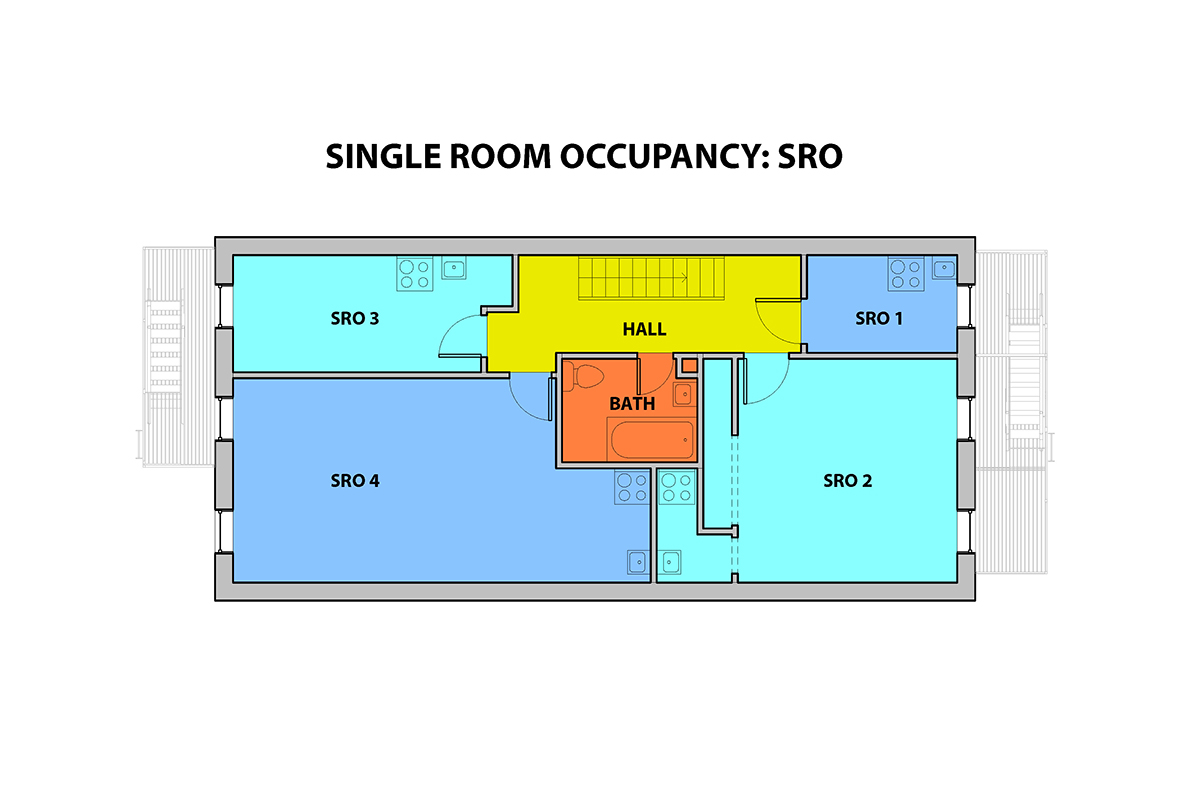
Single Room Occupancy (SRO) housing represents a specific model of residential living, characterized by individual rooms that are typically rented to one person. These rooms often serve as the primary living space, encompassing sleeping areas, and sometimes a small desk or storage. Crucially, SROs differ from traditional apartments in that they usually provide shared facilities, such as bathrooms, kitchens, and common areas, for multiple residents. This communal aspect is a defining feature and often a source of both affordability and community, as well as potential challenges related to privacy and shared resource management. The historical evolution of SROs reveals a pattern of adaptation to changing urban needs, from serving transient workers in industrial eras to becoming a crucial component of affordable housing strategies in contemporary cities.
Historical Roots and Evolution
The genesis of SRO housing can be traced back to the late 19th and early 20th centuries, a period marked by rapid industrialization and urbanization. As cities swelled with migrating populations seeking work, there was an urgent need for affordable, albeit basic, lodging. SROs emerged to meet this demand, providing single rooms, often in boarding houses or residential hotels, for a predominantly male workforce. These early SROs were instrumental in housing laborers, transient workers, and single individuals who could not afford or did not require larger, family-oriented accommodations. They offered a degree of privacy and independence compared to dormitories or barracks, while remaining significantly more economical than traditional rental units.
As urban demographics and economies shifted, so too did the role of SROs. During periods of economic prosperity and suburbanization, the demand for SROs declined in some areas, with many buildings being converted to other uses or falling into disrepair. However, the affordability crisis that began to grip many major cities in the latter half of the 20th century breathed new life into the SRO model. As rents soared and the supply of affordable housing dwindled, SROs re-emerged as a critical safety net for low-income individuals, including seniors, people with disabilities, and those experiencing homelessness. This resurgence highlighted the inherent flexibility of the SRO model in providing a basic housing solution when other options are out of reach.
Defining Characteristics of SRO Units
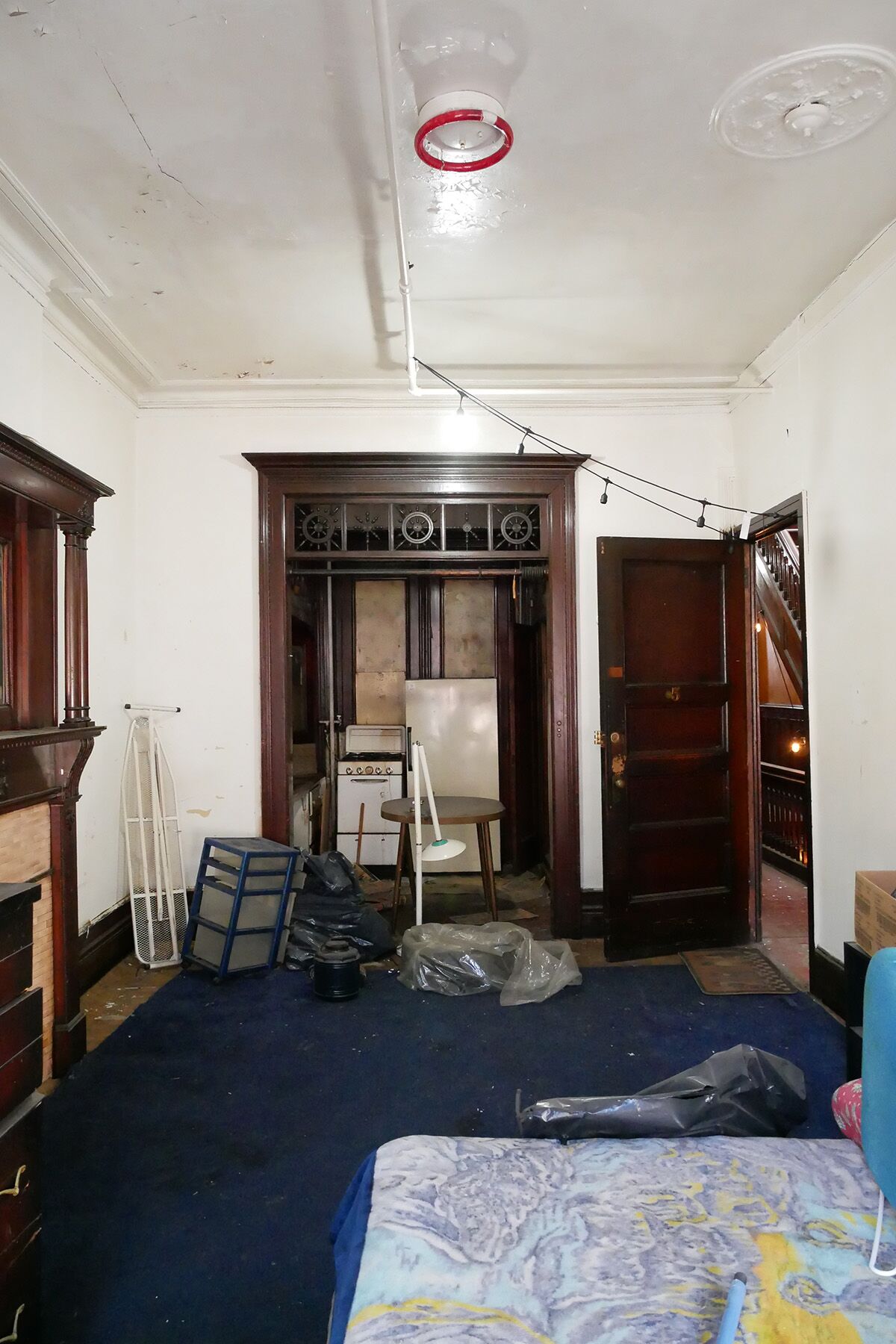
The physical and functional characteristics of SRO units are central to their identity and purpose. The defining feature is the individual room, designed for single occupancy. These rooms are typically modest in size, often ranging from 80 to 150 square feet, and may or may not include private plumbing facilities. While some higher-end SROs might offer private bathrooms, the majority rely on shared facilities located within the building. This shared amenity model is a key driver of affordability, as it reduces individual utility costs and the need for extensive private infrastructure within each unit.
Beyond the individual room, SRO buildings often incorporate shared spaces. These can range from communal kitchens, where residents can prepare their meals, to lounges or common rooms designed to foster social interaction. Laundry facilities are also a common feature. The management and upkeep of these shared amenities can significantly impact the living experience. Well-managed SROs often provide a sense of community and support, while poorly managed ones can lead to conflicts and hygiene issues. The specific configuration and quality of these shared spaces can vary widely, influencing the desirability and livability of an SRO.
The Economic Implications of Single Room Occupancy
The economic significance of SRO housing extends beyond the individual resident, impacting urban economies and the broader housing market. SROs represent a uniquely cost-effective form of housing, offering a crucial entry point into stable accommodation for individuals with limited financial resources. Their existence can help to prevent homelessness, reduce the burden on social services, and contribute to the economic diversity of urban neighborhoods. However, the economic model of SROs is also susceptible to market fluctuations and can face challenges in terms of maintenance, reinvestment, and the potential for displacement if not managed with appropriate policy interventions.
Affordability as a Core Economic Driver
The primary economic appeal of SROs lies in their unparalleled affordability. In cities where the cost of traditional rental housing has become prohibitively expensive, SROs offer a significantly lower-cost alternative. This affordability is a critical factor for individuals and households living at or below the poverty line. For many, an SRO room is the only viable housing option, providing a stable base from which they can seek employment, access education, or receive social services. This low cost of entry into the housing market is essential for preventing individuals from falling into homelessness, which incurs significant public costs in terms of emergency services, healthcare, and criminal justice.
Furthermore, the economic model of SROs often relies on efficient use of space and shared resources. By consolidating living spaces and communal facilities, the overall cost per resident is reduced. This allows for rental rates that are accessible to those with the lowest incomes. The presence of SROs can therefore act as a crucial stabilizing force within the urban housing ecosystem, ensuring that a segment of the population has access to basic shelter, thereby contributing to a more inclusive and economically diverse city.
Impact on Urban Housing Markets
The presence and preservation of SROs can have a considerable impact on the broader urban housing market. In areas with a significant SRO stock, these buildings can help to maintain a level of housing diversity and affordability that would otherwise be eroded by rising market rents. They provide a vital option for individuals who cannot compete in the more expensive segments of the market. This can prevent gentrification from displacing lower-income residents and contribute to the social fabric of neighborhoods.
Conversely, the economic pressure to redevelop or convert SRO buildings into more lucrative uses, such as luxury apartments or commercial spaces, can lead to the loss of this critical affordable housing resource. Such conversions can accelerate gentrification, displace long-term residents, and exacerbate housing affordability challenges in the city. Therefore, policies aimed at preserving SROs and ensuring their continued availability are crucial for maintaining balanced and equitable urban housing markets. The economic vitality of a city is often enhanced by having a range of housing options that cater to diverse income levels and household types.
Social and Community Dimensions of SRO Living
Beyond their economic functions, SROs play a significant role in the social fabric of urban environments. They provide a form of housing for individuals who may be marginalized or face unique social challenges. The communal nature of SRO living can foster a sense of community and mutual support, offering a buffer against isolation. However, it can also present challenges related to privacy, personal space, and the management of diverse resident needs. Addressing these social aspects is crucial for ensuring that SROs serve as positive and supportive environments for their residents.
Serving Vulnerable Populations
SROs are a vital housing solution for a range of vulnerable populations. Many SRO residents are seniors on fixed incomes, individuals with disabilities, or those who have experienced chronic homelessness. For these groups, the affordability and relative simplicity of SRO living can be essential for maintaining independence and stability. The structured environment of many SROs, often coupled with on-site support services, can be particularly beneficial for individuals who require assistance with daily living or access to healthcare.
The availability of SROs can be a critical intervention in preventing homelessness. By providing a low-barrier housing option, they offer a pathway out of temporary shelters or street living. This can have profound positive impacts on individual well-being, enabling residents to focus on improving their health, securing employment, and rebuilding their lives. The communal aspects of SROs can also provide a sense of belonging for individuals who may have previously felt isolated or disconnected from society.
The Role of Community and Support Services
The social success of SROs is often directly linked to the presence of a supportive community and accessible social services. In well-managed SROs, shared spaces can become hubs for informal social interaction, fostering friendships and a sense of mutual aid among residents. This can be particularly important for individuals who lack strong social networks or family support. Many SROs are operated by non-profit organizations or housing authorities that integrate crucial support services. These services can include case management, job counseling, health services, and access to public benefits.
The provision of these services is not merely an add-on; it is often integral to the stability and well-being of SRO residents. By addressing underlying issues such as mental health challenges, substance abuse, or lack of vocational skills, these support systems can empower residents to achieve greater independence and improve their overall quality of life. A strong sense of community, combined with effective support services, can transform an SRO from merely a room to a genuine home and a stepping stone towards more stable housing.
Challenges and Opportunities in SRO Living
Despite their crucial role, SROs face a number of challenges. These can include issues related to building maintenance, sanitation, security, and the potential for overcrowding. Managing shared facilities can also be a source of conflict if not handled effectively. Furthermore, the stigma associated with SRO living can sometimes lead to social isolation and a lack of integration with the broader community.
However, these challenges also present opportunities for innovation and improvement. By investing in the rehabilitation and modernization of SRO buildings, and by implementing robust management practices, the living conditions and overall quality of life for residents can be significantly enhanced. Integrating more comprehensive support services and fostering stronger community engagement can further address the social needs of residents. The ongoing development of policies that protect existing SROs and encourage the creation of new, well-managed SROs is essential for ensuring their continued viability as a critical component of urban housing solutions. By recognizing and addressing these multifaceted aspects, SROs can continue to serve as a vital resource for individuals and contribute to the health and inclusivity of urban communities.
aViewFromTheCave is a participant in the Amazon Services LLC Associates Program, an affiliate advertising program designed to provide a means for sites to earn advertising fees by advertising and linking to Amazon.com. Amazon, the Amazon logo, AmazonSupply, and the AmazonSupply logo are trademarks of Amazon.com, Inc. or its affiliates. As an Amazon Associate we earn affiliate commissions from qualifying purchases.