
In the world of personal finance and wealth management, we often focus on the accumulation of assets, the optimization of portfolios, and the relentless pursuit of the “hustle.” However, a critical component of long-term financial sustainability is the strategic integration of rest and ritual. One of the most enduring examples of this is the Shabbat dinner—a weekly Friday night meal that marks the beginning of the Jewish Day of Rest. While primarily a religious and cultural tradition, from a “Money” perspective, Shabbat dinner represents a sophisticated model of household budgeting, social capital investment, and a radical departure from the consumerist cycles that often deplete personal wealth.
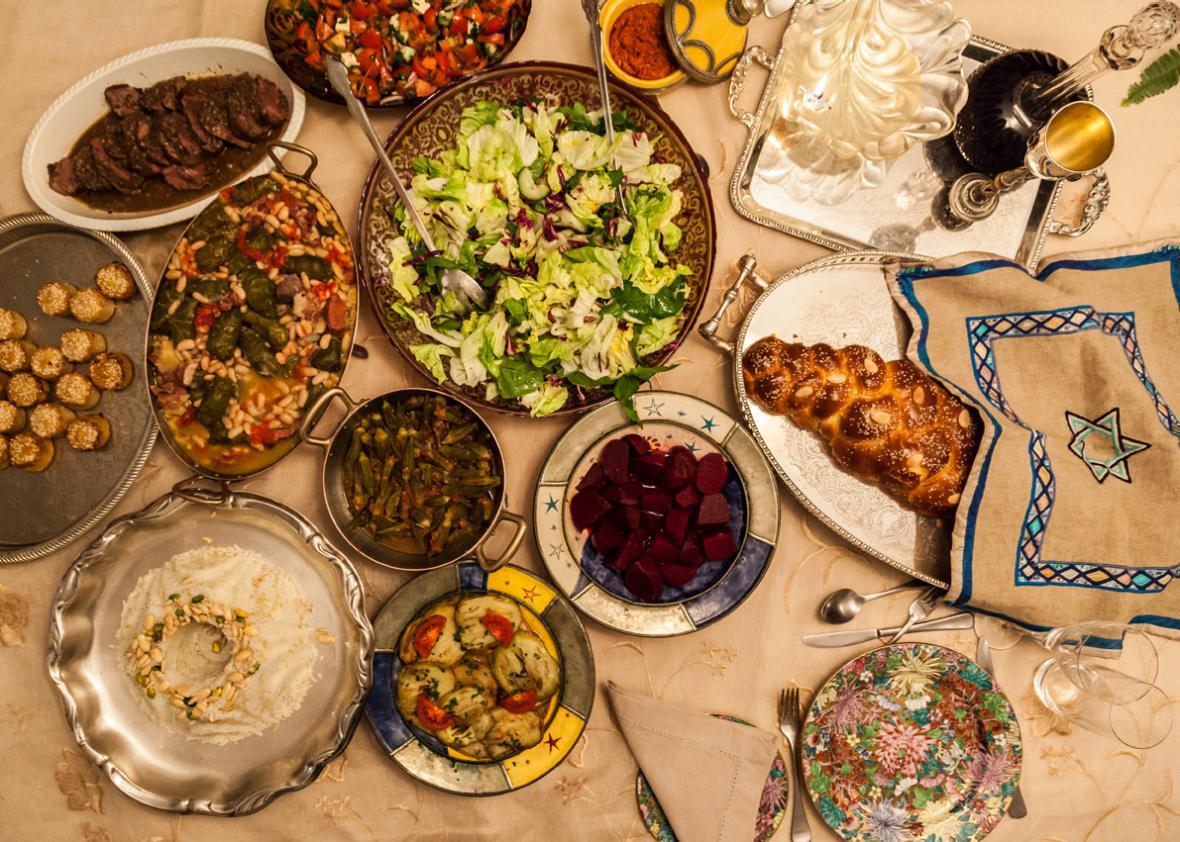
Understanding what Shabbat dinner is through the lens of finance requires us to look past the candles and the wine to see the underlying economic structure: a recurring weekly expenditure that, when managed correctly, yields a high return on investment (ROI) in the form of family stability, networking, and mental clarity.
The Financial Framework of a Weekly Ritual
At its core, Shabbat dinner is a high-frequency financial event. Unlike annual holidays or one-off celebrations, Shabbat occurs 52 times a year. This regularity demands a specific type of financial discipline and logistical planning that mirrors corporate operational strategies.
Understanding Fixed vs. Variable Costs
For the modern household, Shabbat dinner involves a mix of fixed and variable expenses. Fixed costs include the “ritual essentials”—items like challah (traditional bread), wine or grape juice for Kiddush, and candles. These are predictable expenses that can be accounted for in a monthly budget with high precision. Variable costs arise from the menu complexity and the number of guests. By treating Shabbat dinner as a “line item” in a personal budget rather than an incidental expense, families can apply the principles of cost-averaging to their grocery bills, ensuring that the luxury of a festive meal does not compromise long-term savings goals.
Scaling for Guests: The Business of Hospitality
In many circles, Shabbat dinner is not a closed affair; it is a hub for hospitality. From a financial networking perspective, this is an investment in social capital. Hosting colleagues, mentors, or community members facilitates a “soft” networking environment that is often more effective than formal business mixers. However, scaling a meal for ten people instead of four requires an understanding of “economies of scale.” Smart hosts utilize bulk purchasing and “loss leader” strategies—focusing their spending on one high-quality protein while filling the rest of the menu with high-volume, low-cost side dishes like grains and seasonal vegetables.
Strategic Budgeting and Procurement for the Sabbath Table
Maintaining a weekly tradition of high-quality dining requires more than just a healthy bank account; it requires a sophisticated approach to procurement and supply chain management within the household.
Leveraging Bulk Purchasing and Seasonal Planning
The most financially savvy practitioners of Shabbat dinner often employ “just-in-time” inventory management or bulk-buy strategies. Purchasing dry goods, wine, and frozen items in bulk from wholesalers reduces the per-unit cost significantly. Furthermore, aligning the menu with the seasonal commodity market—buying produce when it is in peak supply and at its lowest price point—is a classic move for maximizing the “purchasing power” of the grocery budget. This level of intentionality prevents the “convenience tax” often paid by those who shop without a plan on Friday afternoons.
Digital Tools for the Modern Consumer
In the niche of financial tools, various apps and software have emerged to help manage the “Kosher Tax”—the often higher price point of certified products. Savvy spenders use price-tracking apps and digital couponing specifically geared toward the Shabbat table. By treating the Friday night meal as a recurring “project,” households can use expense-tracking software like YNAB (You Need A Budget) or Mint to categorize these expenses under “Values-Based Spending,” ensuring that the cost of the tradition is balanced against other financial priorities like retirement contributions or debt repayment.

The ROI of Rest: Shabbat as a Productivity Multiplier
Perhaps the most significant “Money” aspect of Shabbat dinner is its role in the “Day of Rest” that follows. In our 24/7 digital economy, the ability to disconnect is a rare and valuable commodity.
The Cost of Digital Detox
There is an overlooked financial gain in the “Digital Shabbat.” By turning off electronics and ceasing commercial activity from Friday sundown to Saturday night, an individual effectively exits the consumerist ecosystem. No online shopping, no exposure to targeted ads, and no impulsive digital transactions. This 25-hour “spending freeze” serves as a natural hedge against lifestyle creep and impulsive consumption. It is a weekly “reset” for the brain’s dopamine receptors, which, in the long run, leads to more rational and less emotional financial decision-making.
Mental Health as a Financial Asset
From a professional standpoint, the “Shabbat Effect” acts as a productivity multiplier. Burnout is a major risk to one’s “human capital”—the ability to earn an income. By mandating a break through the ritual of Shabbat dinner, individuals invest in their own longevity and cognitive performance. The mental clarity gained from a scheduled period of rest often leads to better problem-solving and strategic thinking in the ensuing work week. In this light, the cost of the meal is not an “expense” but an “operating cost” for maintaining one’s primary wealth-generating engine: the mind.
Investing in Human Capital and Social Equity
Shabbat dinner is also a vehicle for the intergenerational transfer of values, including financial literacy and the ethics of wealth.
Teaching Financial Literacy to the Next Generation
The Shabbat table is a prime location for “Table Talk,” where financial concepts can be introduced in a low-stress environment. Discussing the cost of the meal, the importance of hospitality, and the allocation of resources teaches children about budgeting and “delayed gratification.” By involving family members in the preparation and budgeting of the meal, parents provide a hands-on education in resource management that no textbook can replicate. This is a direct investment in the “Human Capital” of the next generation, ensuring they understand the relationship between labor, rest, and reward.
The Practice of Tzedakah (Charity)
A traditional component of the lead-up to Shabbat dinner is the act of giving tzedakah, or charity. Financially, this integrates “Philanthropy” as a standard part of the weekly cash-flow cycle. Instead of making large, impulsive donations at the end of the year, the practice of weekly giving creates a disciplined approach to social investing. It reinforces the financial principle that wealth is not just for accumulation, but for circulation within the community to create a “multiplier effect” of social good.
Balancing Tradition with Modern Financial Goals
While the costs of hosting a weekly Shabbat dinner can be significant, they must be weighed against the long-term benefits of the practice. For those pursuing “Financial Independence, Retire Early” (FIRE), the Shabbat dinner might seem like an unnecessary luxury. However, when viewed through the lens of “Values-Based Budgeting,” it becomes clear that this tradition provides the emotional and social stability necessary to stay the course of a long-term financial plan.
Side Hustles and the “Shabbat Economy”
Interestingly, the demand for Shabbat-related goods and services has birthed a mini-economy of side hustles. From boutique challah bakers to personal chefs and professional “Shabbat planners,” there are numerous opportunities for individuals to generate “Online Income” or “Side Hustle” revenue by catering to those who wish to observe the tradition but lack the time. This creates a circular economy within the community where money is reinvested into local small businesses, strengthening the overall economic resilience of the group.

Conclusion: The Bottom Line on Shabbat Dinner
What is Shabbat dinner? From a financial perspective, it is a Strategic Financial Ritual. It is a weekly audit of one’s values, a disciplined exercise in budgeting, a networking event with an incredible ROI, and a necessary investment in mental health. By shifting our view of Shabbat from a religious obligation to a financial and personal development tool, we can see how the “Day of Rest” is actually a foundational pillar of a wealthy, well-balanced life. In the economy of the future, where focus and community are the scarcest resources, the Shabbat dinner stands as a masterclass in how to spend money on what truly matters.
aViewFromTheCave is a participant in the Amazon Services LLC Associates Program, an affiliate advertising program designed to provide a means for sites to earn advertising fees by advertising and linking to Amazon.com. Amazon, the Amazon logo, AmazonSupply, and the AmazonSupply logo are trademarks of Amazon.com, Inc. or its affiliates. As an Amazon Associate we earn affiliate commissions from qualifying purchases.