
The fundamental principles governing the flow of electricity are critical for anyone venturing into the world of electronics, electrical engineering, or even advanced computing where hardware interactions are paramount. Ohm’s Law, a cornerstone of electrical theory, provides a simple yet profound relationship between voltage, current, and resistance. While often presented in a purely abstract manner, understanding each component, particularly ‘I’ for current, is essential for comprehending how modern technology functions. This article delves into the meaning and significance of ‘I’ within Ohm’s Law, specifically through the lens of technology, exploring its implications for everything from the microprocessors in our devices to the vast data centers that power the internet.
The Foundation: Ohm’s Law and Its Components
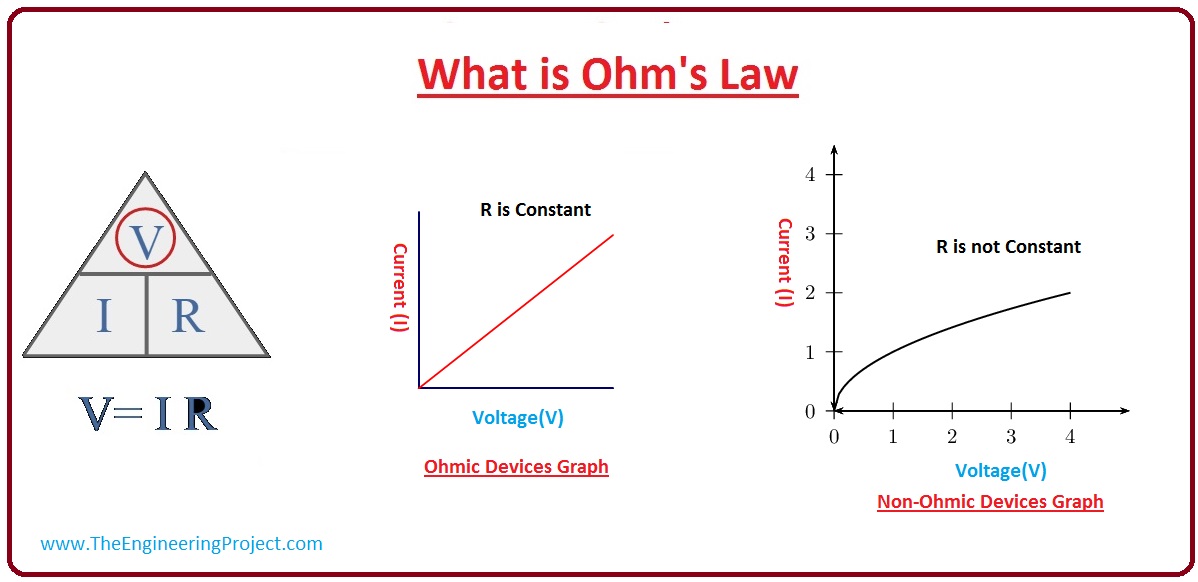
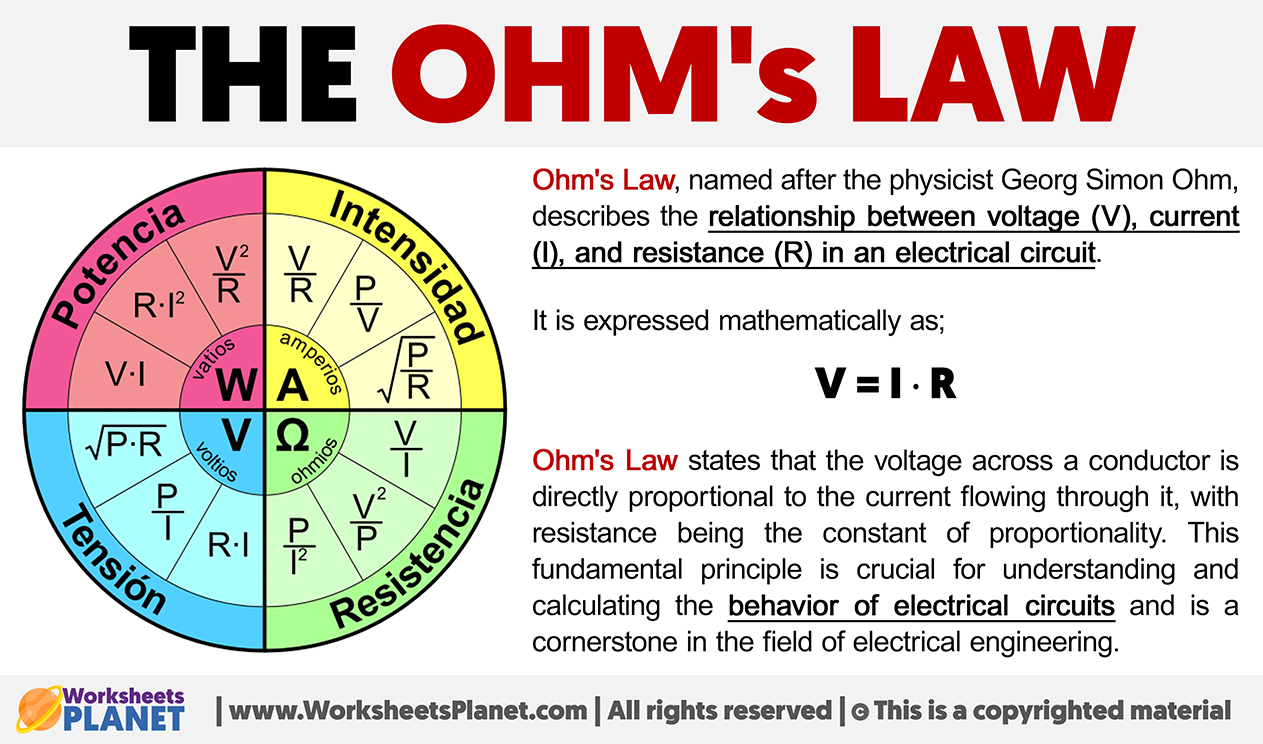
At its core, Ohm’s Law is a mathematical expression that describes the behavior of electrical circuits. Formulated by the German physicist Georg Simon Ohm, it establishes a linear relationship between three key electrical quantities: voltage, current, and resistance.
Voltage (V): The Driving Force
Voltage, represented by the symbol ‘V’ (or sometimes ‘E’ for electromotive force), is the electrical potential difference between two points in a circuit. It’s often conceptualized as the “pressure” that pushes electrical charge through a conductor. Think of it like the water pressure in a pipe; higher pressure means more force pushing the water. In electronic devices, voltage is supplied by power sources like batteries or power adapters, and it’s the energy per unit charge that drives the flow of electrons. Without voltage, there is no movement of charge, and therefore no electrical current. The unit of voltage is the Volt (V).
Resistance (R): The Obstacle to Flow
Resistance, denoted by the symbol ‘R’, is a measure of how much a material opposes the flow of electrical current. Every material has some degree of resistance, though some are much better conductors (lower resistance) than others. In the context of Ohm’s Law, resistance acts as a bottleneck or an impediment to the electrical flow. Imagine a narrower pipe in our water analogy; it restricts the flow of water. In electronic circuits, resistors are deliberately added components to control the amount of current flowing to specific parts of a circuit. Resistance is measured in Ohms (Ω).
Current (I): The Flow of Charge
This brings us to the central question: what is ‘I’ in Ohm’s Law? ‘I’ represents electrical current, which is the rate at which electric charge flows through a conductive path. In most common scenarios, this charge is carried by electrons moving through a wire. Current is essentially the “flow” or “movement” of electricity. Using our water analogy, if voltage is the pressure and resistance is the narrowness of the pipe, then current is the actual amount of water flowing through the pipe per unit of time. A higher current means more charge is flowing past a given point in the circuit per second. The unit of electrical current is the Ampere (A), often shortened to Amp.
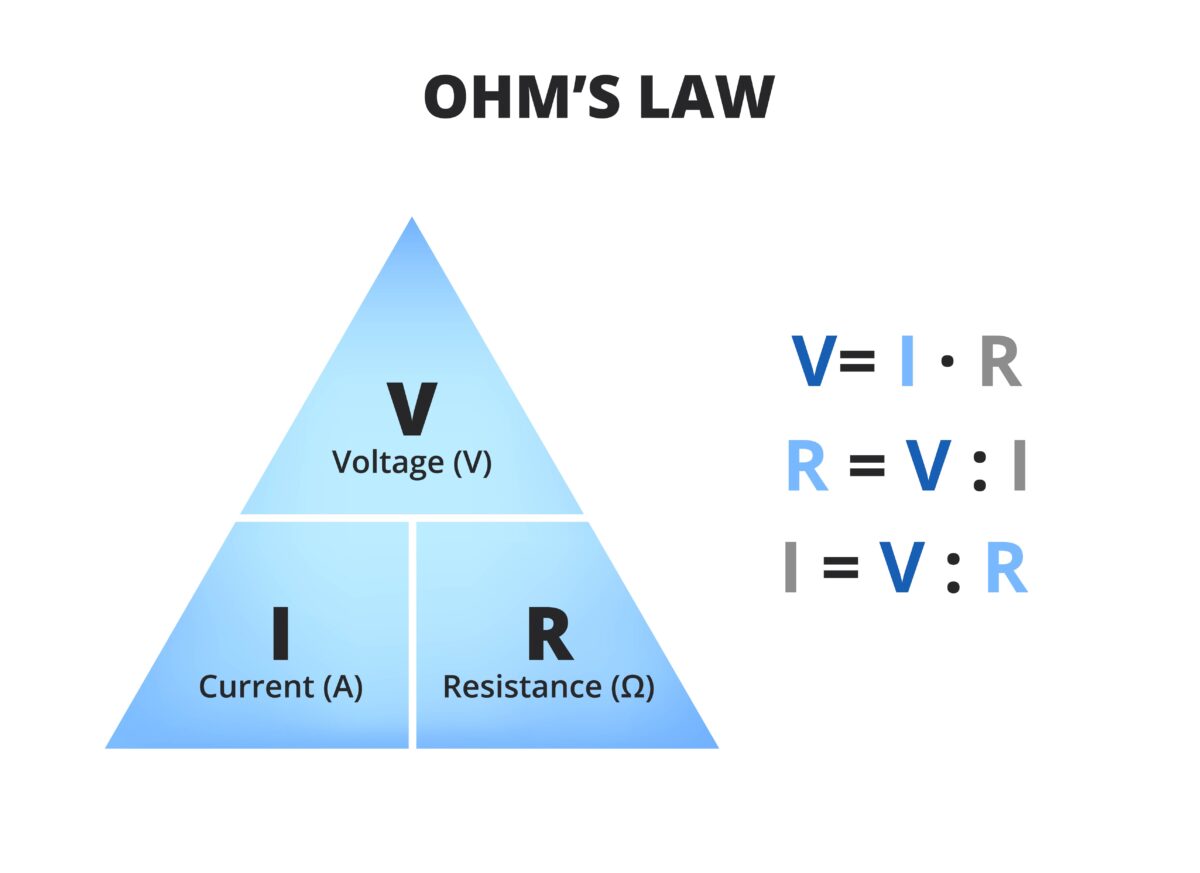
Ohm’s Law is typically expressed by the formula:
$V = I times R$
This equation can be rearranged to solve for any of the three variables:
- To find current (I): $I = V / R$
- To find resistance (R): $R = V / I$
This simple formula is the bedrock of countless electronic designs and troubleshooting processes.
Understanding Current (‘I’) in Technological Applications
The concept of current (‘I’) is not merely a theoretical construct; it is the lifeblood of virtually all modern technology. From the tiny currents that power the pixels on your smartphone screen to the immense currents within data center servers, understanding current is fundamental.
Microelectronics and the Importance of Current Control
In the realm of microelectronics, where components are miniaturized to an incredible degree, the precise control of current is paramount. Microprocessors, GPUs, and memory chips are composed of billions of transistors, each acting as a tiny switch. The operation of these switches relies on minuscule amounts of electrical current flowing through them.
Power Consumption and Thermal Management
The amount of current drawn by a chip directly correlates with its power consumption. Higher current means more power is being used, which in turn generates more heat. For devices like smartphones and laptops, which are battery-powered and often used in close proximity to users, efficient thermal management is crucial. Excessive heat can degrade performance, shorten the lifespan of components, and even pose a safety risk. Engineers meticulously design circuits to ensure that the current flowing through various components remains within optimal limits, balancing performance with power efficiency and thermal dissipation. This is where Ohm’s Law becomes a practical tool, allowing designers to calculate the current drawn by a specific circuit segment given a known voltage and resistance, and to adjust resistance values (through resistor selection) to manage current flow.
Signal Integrity and Data Transmission
In high-speed digital circuits, current plays a critical role in signal integrity. Data is transmitted as electrical signals, and the speed and reliability of this transmission depend on how quickly and accurately these signals can change. The current pulses that represent these signals must be of the correct magnitude and timing. If the current is too low, the signal might be too weak to be reliably detected. If it’s too high or fluctuates erratically, it can lead to signal distortion and data errors. Understanding the current dynamics within these high-frequency circuits is essential for designing systems that can transmit data at gigabits per second without corruption. The choice of conductive materials, trace widths on printed circuit boards (PCBs), and termination resistors all influence current behavior and, consequently, signal integrity.
Power Delivery and Management in Electronic Devices
Beyond the internal workings of chips, current is fundamental to how electronic devices receive and distribute power.
Battery Life and Current Draw
For portable electronics like smartphones, tablets, and laptops, battery life is a primary concern for consumers. The duration a device can operate on a single charge is directly related to its current draw. When a device is performing demanding tasks, such as running a graphically intensive game or streaming high-definition video, its components draw more current, leading to a faster depletion of the battery. Conversely, during periods of inactivity, the device enters low-power modes, reducing its current draw. Power management integrated circuits (PMICs) are sophisticated components that monitor and control the current supplied to different parts of the device, optimizing for battery life while ensuring sufficient power for active operations. Ohm’s Law provides the basic framework for understanding these current requirements.
Charging and Power Adapters
The process of charging a battery also heavily involves current. Power adapters and chargers are designed to supply a specific amount of current (and voltage) to a device’s battery. Faster charging technologies often involve delivering higher currents, but this must be done carefully to avoid damaging the battery. The charger’s output current rating, measured in Amperes, is a key specification that indicates how quickly it can replenish the device’s battery. Understanding Ohm’s Law helps in comprehending why different chargers may charge devices at different rates, as the resistance within the charging circuitry and the battery itself, combined with the charger’s voltage, dictates the resulting current flow.
The Role of Current in Larger Systems: From Networks to Power Grids
The significance of current extends far beyond individual devices, underpinning the infrastructure that connects our digital world.
Data Centers and High-Current Demands
Modern computing relies on massive data centers that house thousands of servers, networking equipment, and storage systems. These facilities consume enormous amounts of electrical power, and consequently, handle significant currents. The power distribution units (PDUs) and uninterruptible power supplies (UPS) within data centers are designed to manage and deliver these high currents safely and reliably. The electrical engineers responsible for designing and maintaining these facilities use Ohm’s Law and related principles daily to calculate power loads, ensure proper wiring gauge, and prevent overcurrent situations that could lead to catastrophic failures. The continuous flow of data across the internet is facilitated by the controlled movement of electrical current through vast networks of cables and equipment.
The Internet of Things (IoT) and Low-Power Current Considerations
The burgeoning field of the Internet of Things (IoT) presents a unique set of challenges and opportunities related to current. IoT devices, such as smart sensors, wearable fitness trackers, and connected appliances, are often battery-powered and designed for long operational life without frequent recharging. This necessitates an extreme focus on minimizing current consumption. Engineers developing IoT devices are constantly seeking ways to reduce the current drawn by their circuits, often employing ultra-low-power microcontrollers, energy-efficient wireless communication protocols, and sophisticated power management techniques. In this context, even a slight reduction in current, when multiplied across millions or billions of devices, can have a significant impact on overall energy consumption and battery longevity. Ohm’s Law, in its simplest form, becomes a critical tool for understanding and optimizing these minuscule current flows.
Conclusion: ‘I’ as the Measure of Digital Activity
In essence, ‘I’ in Ohm’s Law represents the dynamic flow of electricity, the very pulse of our technological world. It is the movement of charge that enables our devices to process information, communicate, and perform the myriad functions we rely on. From the precise current levels within a silicon chip orchestrating complex computations to the robust current flow powering a global network, understanding ‘I’ is key to understanding how technology works.
As technology continues to evolve, with an ever-increasing demand for faster processing, greater connectivity, and enhanced energy efficiency, the precise management and understanding of electrical current will only become more critical. Whether you are a budding electrical engineer, a software developer curious about hardware, or simply an informed user of technology, recognizing the fundamental role of current – the ‘I’ in Ohm’s Law – provides invaluable insight into the intricate and fascinating mechanisms that drive our digital age. It is the tangible manifestation of the invisible forces that power our modern lives.
aViewFromTheCave is a participant in the Amazon Services LLC Associates Program, an affiliate advertising program designed to provide a means for sites to earn advertising fees by advertising and linking to Amazon.com. Amazon, the Amazon logo, AmazonSupply, and the AmazonSupply logo are trademarks of Amazon.com, Inc. or its affiliates. As an Amazon Associate we earn affiliate commissions from qualifying purchases.