
Hotshot trucking has emerged as a dynamic and increasingly popular segment within the broader logistics and transportation industry. It’s a specialized niche characterized by its emphasis on speed, agility, and the transportation of time-sensitive, often high-value, or specialized freight. Unlike traditional long-haul trucking, which often involves scheduled routes and larger loads, hotshot trucking typically involves smaller, lighter loads, a greater degree of flexibility, and a focus on rapid delivery. This model has seen significant growth, driven by evolving supply chain demands, e-commerce expansion, and the need for responsive logistics solutions. Understanding the intricacies of hotshot trucking is crucial for both aspiring owner-operators looking to enter this field and businesses seeking to leverage its unique advantages.
The Core Concept and Operational Model
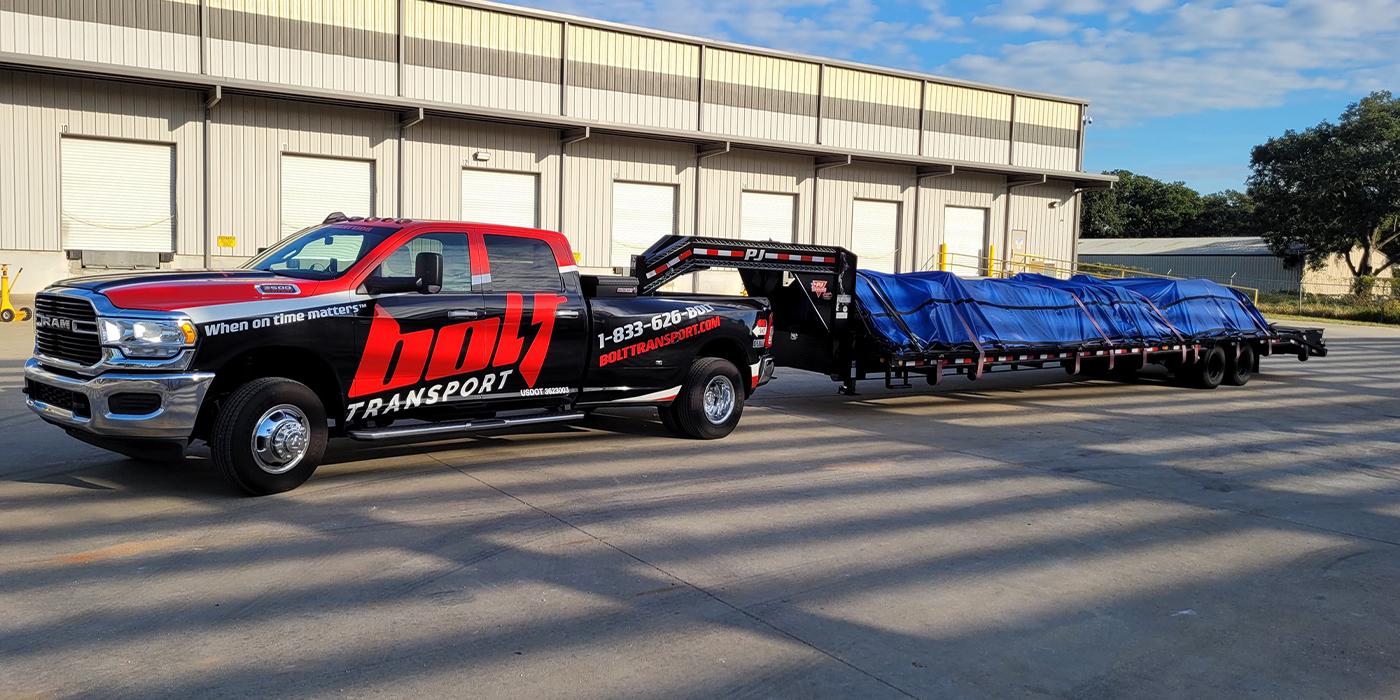
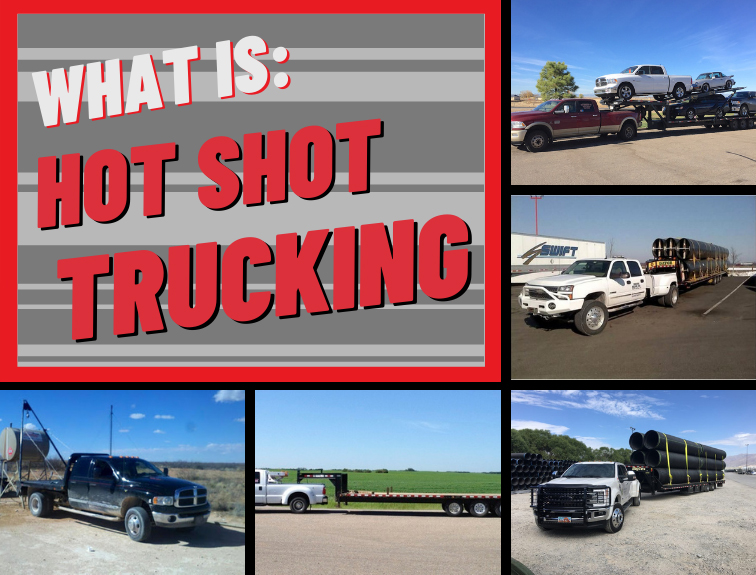
At its heart, hotshot trucking is defined by its ability to respond quickly to freight needs. The term “hotshot” itself implies urgency and a direct, efficient delivery. This often translates into operating with smaller trucks, such as pickup trucks or heavy-duty vans, towing trailers, rather than the massive semi-trailer trucks that dominate long-haul routes. This difference in equipment is fundamental to the operational model and the types of loads hotshot truckers handle.
Defining Characteristics of Hotshot Loads
Hotshot loads are typically characterized by their size, weight, and urgency. They are often too small to fill a standard freight truck, making them uneconomical for traditional carriers to dispatch. However, their time-sensitive nature makes them critical for the businesses that rely on them. Examples of common hotshot loads include:
- Construction Equipment and Materials: Small excavators, generators, specialized tools, and building materials needed on short notice for construction sites.
- Agricultural Equipment: Replacement parts for farm machinery, small tractors, or specialized harvesting equipment, particularly crucial during peak seasons.
- Industrial Parts and Machinery: Critical components for manufacturing processes, emergency repair parts for factories, or specialized industrial equipment that cannot afford downtime.
- Vehicles: Cars, motorcycles, ATVs, or boats that need to be transported quickly or to specific locations not served by standard auto transport.
- Specialty Items: Any freight that is oversized, overweight for standard parcel services, or requires expedited delivery due to its value or critical function.
The common thread among these loads is that they require a dedicated, immediate transportation solution that can bypass the consolidated freight systems.
The Role of Speed and Flexibility
The defining advantage of hotshot trucking is its inherent speed and flexibility. Because hotshot truckers often operate independently or as part of smaller networks, they can be dispatched and on their way with minimal lead time. This responsiveness is invaluable in situations where delays can lead to significant financial losses or operational disruptions.
- Rapid Dispatch: Unlike larger freight operations that require extensive planning and consolidation of loads, hotshot trucking can often be initiated within hours of a request.
- Direct Routes: Hotshot loads are typically transported directly from the pickup location to the delivery destination without multiple stops or transfers, further minimizing transit time.
- Adaptability: Hotshot drivers are generally more adaptable to changing schedules, rerouting, and last-minute adjustments compared to drivers in more structured, scheduled operations.
- Access to Diverse Locations: The smaller vehicle size allows hotshot truckers to access locations that may be difficult or impossible for larger semi-trucks, such as remote job sites, smaller businesses, or residential areas.
This combination of speed and flexibility makes hotshot trucking an indispensable service for a wide range of industries that cannot afford the delays inherent in traditional shipping methods.
The Business of Hotshot Trucking: Opportunities and Considerations
For individuals and small businesses, hotshot trucking presents a compelling opportunity to enter the transportation industry with a potentially lower barrier to entry compared to establishing a large-scale freight company. However, like any business venture, it comes with its own set of challenges and requires careful planning and execution.
Becoming a Hotshot Trucker: Requirements and Setup
Establishing a successful hotshot trucking operation involves several key steps and considerations. The initial investment and ongoing operational costs are significant, but the potential for earning can be attractive for those who are prepared.
- Vehicle and Equipment: The choice of vehicle is paramount. While pickup trucks (often ¾-ton or 1-ton models) are common, specialized vans with towing capabilities are also used. A robust, reliable trailer that can accommodate the intended types of freight is also essential. The capacity and type of trailer (e.g., gooseneck, flatbed, car hauler) will dictate the range of loads that can be handled.
- Licensing and Permits: Depending on the weight of the vehicle, trailer, and load, specific commercial driver’s licenses (CDLs) might be required. Federal Motor Carrier Safety Administration (FMCSA) regulations, state-specific permits, and potentially overweight or oversized load permits are also crucial. Compliance with these regulations is non-negotiable.
- Insurance: Comprehensive insurance is vital for hotshot trucking. This includes commercial auto liability insurance, cargo insurance (to cover the value of the goods being transported), and potentially physical damage insurance for the truck and trailer. The cost of insurance can be a significant operating expense.
- Business Structure: Deciding whether to operate as a sole proprietor, LLC, or corporation impacts liability, taxes, and operational complexity. Setting up a business bank account and handling bookkeeping are also essential.
- Authority and Operating Authority: Depending on the state and the nature of operations (e.g., interstate vs. intrastate commerce), obtaining an operating authority (MC number from the FMCSA) might be necessary. This process involves proving financial responsibility and meeting safety standards.
Sourcing Loads and Building a Client Base
The success of a hotshot trucking business hinges on its ability to consistently secure profitable loads. This requires a proactive approach to marketing, networking, and utilizing load boards.
- Load Boards: These online platforms are central to the hotshot trucking ecosystem. They connect carriers with shippers and brokers who have freight to move. Popular load boards cater specifically to hotshot and smaller freight, offering real-time listings, rates, and dispatch opportunities. Effective use of these boards involves understanding pricing, bid strategies, and communication protocols.
- Direct Shipper Relationships: Building direct relationships with businesses that frequently have hotshot needs can provide a more stable and profitable revenue stream. This requires direct sales efforts, showcasing the value proposition of speed and reliability, and fostering trust.
- Brokerage Networks: Working with freight brokers can open up a wider array of opportunities. Brokers act as intermediaries between shippers and carriers, often handling the negotiation and administrative aspects. Developing strong relationships with reputable brokers is key.
- Networking and Referrals: Attending industry events, participating in online forums, and relying on word-of-mouth referrals from satisfied clients can also be valuable for acquiring new business.
Profitability Factors and Financial Management
The earning potential in hotshot trucking can be substantial, but it requires careful financial management and a clear understanding of profitability drivers.
- Rate Negotiation: Understanding market rates, the cost of operation, and the value of the service being provided is crucial for negotiating profitable rates. Drivers who can consistently command higher rates are often those who offer exceptional service, specialize in certain types of freight, or have a strong reputation.
- Cost Management: Diligent tracking and management of operational costs are paramount. This includes fuel, maintenance, insurance, tolls, permits, and any other expenses. Minimizing unnecessary costs without compromising safety or service quality is a continuous effort.
- Downtime Reduction: Minimizing unproductive time, whether it’s waiting for a load, waiting for repairs, or being stuck in traffic, directly impacts profitability. Efficient route planning and proactive maintenance are key to maximizing revenue-generating hours.
- Tax Considerations: Understanding tax deductions available to owner-operators, such as mileage, fuel, and equipment depreciation, can significantly impact net earnings. Consulting with a tax professional experienced in the trucking industry is highly recommended.
The Technology Revolutionizing Hotshot Trucking
While hotshot trucking has historically relied on traditional methods, technology is rapidly transforming the landscape, offering new tools and efficiencies for operators and businesses alike. The integration of digital solutions is no longer a luxury but a necessity for staying competitive.
Digital Tools for Operations and Efficiency
The core of technological advancement in hotshot trucking lies in enhancing operational efficiency, improving communication, and streamlining administrative tasks.
- Load Boards and Dispatch Software: As mentioned, digital load boards are foundational. Beyond basic listings, many platforms now offer integrated dispatch software that allows drivers to accept loads, track shipments, manage documentation, and communicate with brokers and shippers directly from a mobile device. These tools often provide real-time market data, helping drivers make informed decisions about accepting loads and pricing.
- GPS and Navigation Systems: Advanced GPS and navigation systems are indispensable. Beyond basic routing, these tools can now offer real-time traffic updates, predict arrival times with greater accuracy, and suggest optimal routes based on factors like fuel efficiency and road restrictions. Some systems are specialized for commercial vehicles, taking into account truck dimensions and weight limits.
- Telematics and Fleet Management: For operators managing multiple trucks or for those who want to closely monitor their own vehicle’s performance, telematics systems offer a wealth of data. These devices track engine diagnostics, driver behavior (e.g., speeding, hard braking), fuel consumption, and location. This data can be used to improve fuel efficiency, reduce wear and tear on the vehicle, enhance safety, and identify areas for operational improvement.
- Electronic Logging Devices (ELDs): ELDs have become mandatory for many commercial drivers to track hours of service (HOS). These devices automate the logging process, ensuring compliance with regulations and reducing the administrative burden on drivers. They also provide transparency for both drivers and enforcement agencies.
Communication and Connectivity
Effective communication is the lifeblood of hotshot trucking, and technology has significantly enhanced this aspect.
- Mobile Communication Apps: Beyond standard phone calls and texts, specialized communication apps and platforms allow for seamless interaction between dispatchers, drivers, and customers. These can include instant messaging, document sharing, and even video calls for remote inspections or problem-solving.
- Real-time Tracking and Visibility: Many hotshot operations now offer real-time tracking of shipments to clients. This technology provides shippers with constant updates on their freight’s location and estimated time of arrival, offering peace of mind and enabling better planning for receiving parties. GPS trackers integrated with web portals or mobile apps are standard for this.
- Digital Documentation: The move away from paper logs and manifests to digital alternatives streamlines administrative processes. Electronic proof of delivery (ePOD), digital invoices, and electronic bill of lading (eBOL) systems reduce errors, speed up payment cycles, and improve record-keeping.
The Future of Hotshot Trucking: Data Analytics and AI
The ongoing integration of more advanced technologies promises to further refine and optimize hotshot trucking operations.
- Data Analytics for Optimization: The vast amounts of data generated by telematics, GPS, and load boards can be analyzed to identify trends, optimize routes, predict maintenance needs, and even forecast demand for specific types of freight in certain regions. This data-driven approach allows for more strategic decision-making.
- Artificial Intelligence (AI) in Logistics: AI is beginning to play a role in logistics by enabling predictive analytics for load forecasting, dynamic pricing, and even automated dispatching. While fully autonomous hotshot trucking is a distant prospect, AI-powered tools can assist in optimizing carrier utilization and matching loads with the most suitable drivers and vehicles.
- Emerging Technologies: Innovations such as blockchain for secure transaction and document management, and advanced sensor technologies for cargo monitoring (e.g., temperature, humidity), will likely find their way into the hotshot sector, further enhancing reliability and transparency.
The embrace of technology is not just about staying current; it’s about gaining a competitive edge, improving efficiency, reducing costs, and ultimately, providing a superior service in the fast-paced world of hotshot trucking.
The Impact of Hotshot Trucking on Supply Chains and Business
Hotshot trucking plays a crucial, often unsung, role in modern supply chains. Its ability to provide rapid, specialized transportation solutions directly impacts the efficiency, responsiveness, and resilience of numerous industries. Understanding this impact is vital for businesses that rely on timely delivery of critical goods and materials.
Enhancing Business Agility and Responsiveness
The primary contribution of hotshot trucking to businesses is its capacity to enhance agility and responsiveness within their operations. In today’s competitive environment, the ability to adapt quickly to changing market demands, unforeseen disruptions, or urgent client needs is a significant advantage.
- Minimizing Downtime for Manufacturing and Production: For industries where production lines rely on a constant flow of specific parts or materials, a breakdown or a shortage can be incredibly costly. Hotshot trucking can deliver these essential components with minimal delay, preventing costly production stoppages. Imagine a critical machine part failing at a manufacturing plant; a hotshot trucker can often source and deliver the replacement part faster than any other method, saving thousands in lost production.
- Supporting Just-in-Time (JIT) Inventory Systems: Many modern businesses operate on JIT principles to reduce inventory holding costs. This model is highly dependent on precise and timely deliveries. Hotshot trucking provides the flexibility and speed required to support JIT systems, ensuring that materials arrive exactly when needed, without excess stock piling up.
- Facilitating Emergency Repairs and Maintenance: In sectors like energy, construction, and heavy industry, equipment failures can occur unexpectedly. Hotshot trucking is instrumental in delivering specialized tools, replacement parts, or even technicians to remote or urgent repair sites, minimizing the duration of service interruptions.
- Responding to Unforeseen Demand Surges: E-commerce has trained consumers to expect rapid delivery. While not always the primary fulfillment method for every item, hotshot trucking can be employed to quickly replenish inventory at distribution centers or deliver high-demand, specialized products to specific markets during peak periods or in response to unexpected surges in customer orders.
Bridging Gaps in Traditional Logistics
Traditional logistics networks, while highly efficient for bulk transport, often struggle with the unique demands that hotshot trucking addresses.
- Handling Niche Freight: Large freight carriers are optimized for consolidating LTL (Less Than Truckload) or FTL (Full Truckload) shipments. Loads that are too small, oddly shaped, or require immediate, dedicated transport are often not economically viable for them. Hotshot trucking fills this void by specializing in these less conventional shipments.
- Accessing Remote or Difficult-to-Reach Locations: Many businesses operate in rural areas, construction sites, or locations with limited infrastructure. Semi-trucks may not be able to navigate these environments. Smaller hotshot trucks and trailers have greater maneuverability and can access these locations, ensuring that goods reach their final destination regardless of logistical challenges.
- Providing a Direct and Secure Chain of Custody: For high-value or sensitive items, a direct delivery route offered by hotshot trucking can be advantageous. It reduces the number of times the cargo is handled, thereby minimizing the risk of damage, theft, or tampering compared to multi-stop LTL shipments. This direct oversight provides a higher level of security and accountability.
- Offering Competitive Advantages: Businesses that can reliably leverage hotshot trucking for their critical shipments gain a competitive edge. They can promise faster delivery times to their own customers, respond more effectively to market changes, and mitigate the financial impact of supply chain disruptions.

The Economic Contribution and Entrepreneurial Spirit
Beyond its functional role, hotshot trucking also represents a significant entrepreneurial sector and contributes to the broader economy.
- Entrepreneurial Opportunities: The relatively lower barrier to entry (compared to establishing a large fleet) allows many individuals to become owner-operators, fostering a spirit of entrepreneurship within the transportation industry. These independent operators contribute to job creation and economic activity.
- Supporting Local and Regional Economies: Hotshot truckers often serve local and regional markets, transporting goods that support small businesses, agricultural operations, and construction projects within those areas. This localized service strengthens regional economic ecosystems.
- Demand for Supporting Industries: The growth of hotshot trucking drives demand for services in related sectors, including truck and trailer manufacturing and sales, maintenance and repair shops, insurance providers, and fuel suppliers.
- Resilience in a Dynamic World: In an era marked by supply chain volatility, natural disasters, and global events that can disrupt traditional shipping, the agile nature of hotshot trucking provides a crucial layer of resilience. It offers an alternative and often faster means of moving essential goods when standard channels are compromised.
In essence, hotshot trucking is more than just a specialized delivery service; it’s a vital component of modern commerce, enabling businesses to operate with greater efficiency, agility, and resilience in an increasingly demanding global marketplace. Its impact is felt from the factory floor to the construction site, and its continued evolution, driven by technology, promises to further solidify its importance in the years to come.
aViewFromTheCave is a participant in the Amazon Services LLC Associates Program, an affiliate advertising program designed to provide a means for sites to earn advertising fees by advertising and linking to Amazon.com. Amazon, the Amazon logo, AmazonSupply, and the AmazonSupply logo are trademarks of Amazon.com, Inc. or its affiliates. As an Amazon Associate we earn affiliate commissions from qualifying purchases.