
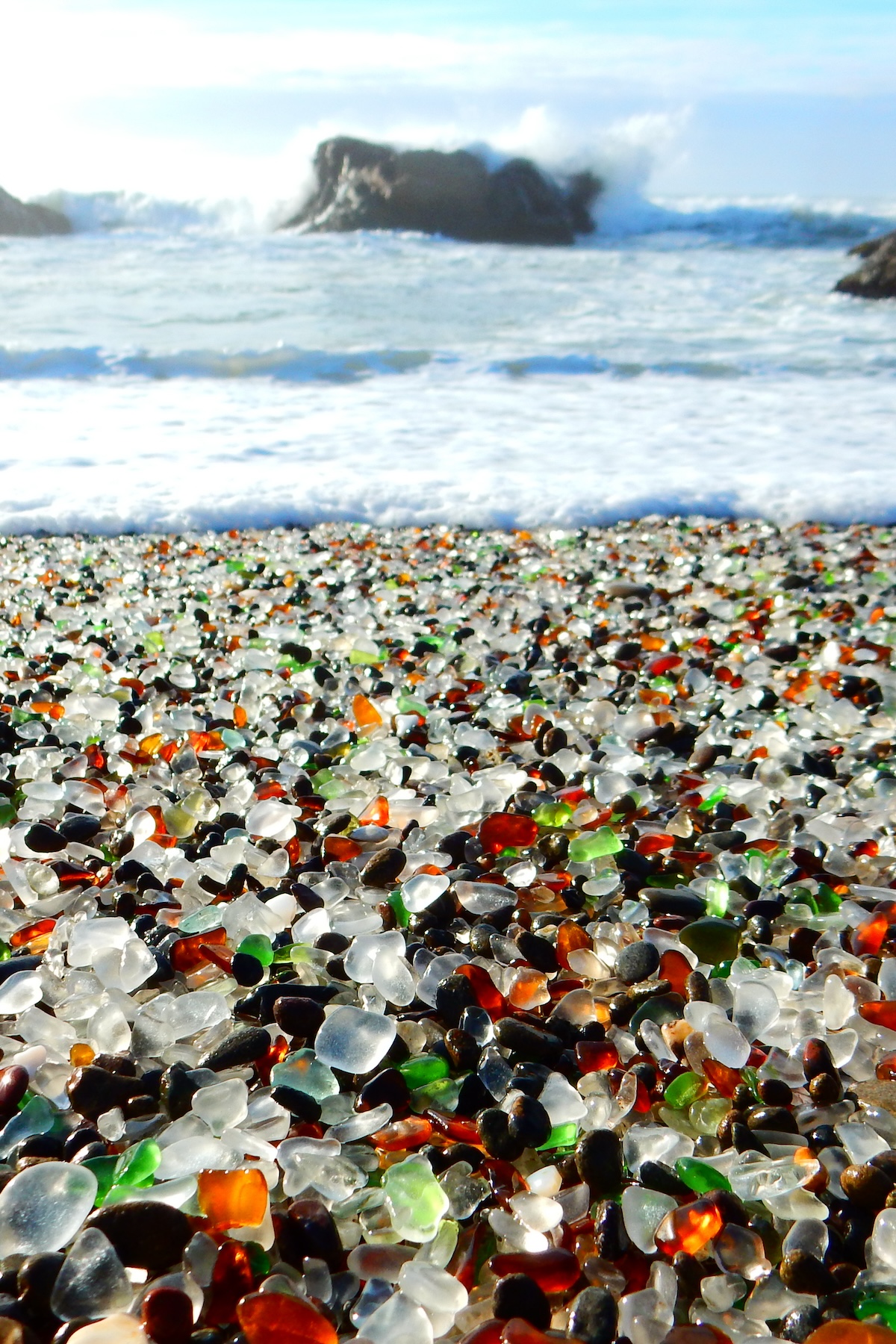
Beach glass, often referred to as sea glass, is a fascinating material born from the transformative power of nature. It’s the smooth, frosted, and often colorful fragments of glass that are found washed ashore on beaches and coastlines worldwide. These pieces are not natural formations; rather, they are the remnants of human-made glass objects – bottles, jars, tableware, and even old windows – that have been broken, discarded, and then subjected to the relentless action of the ocean for years, sometimes decades. The journey from a sharp shard of broken glass to a tumbled, sea-worn treasure is a testament to the gradual erosion and weathering processes that shape our coastlines.
The Alchemical Transformation: From Trash to Treasure
The process by which ordinary glass is transformed into beach glass is a remarkable example of natural alchemy. It’s a slow, steady, and often arduous journey that begins with human waste and ends with a unique, aesthetically pleasing material. Understanding this transformation is key to appreciating the true nature of beach glass.
The Origin Story: Discarded Glass
The vast majority of beach glass originates from human activity. Historically, glass bottles, from soda and beer to medicine and wine, were the primary source. As consumer culture grew, so did the amount of glass waste. Jars, broken tableware, and even discarded window panes also contribute to the supply. These items, often carelessly thrown away or lost at sea, find their way into the ocean. It’s a sad reality that pollution, in this instance, inadvertently creates something beautiful. Without this initial human contribution of glass waste, the phenomenon of beach glass as we know it would simply not exist. The more glass discarded into the marine environment, the more potential beach glass is created.
The Ocean’s Tumbling Machine: Erosion and Weathering
Once in the ocean, these glass fragments begin a long and arduous journey of transformation. The constant motion of waves, tides, and currents acts like a natural, albeit very slow, tumbling machine. Over extended periods, the sharp edges of broken glass are gradually rounded and smoothed. Sand, pebbles, and other abrasive materials in the water work to polish the surface, removing the original sheen and creating the signature frosted appearance. This physical abrasion is the primary driver of the smoothing process. The longer a piece of glass remains in the ocean, the more its edges will be softened, and the more its surface will be etched and frosted.
Chemical Etching: The Frosted Finish
Beyond physical abrasion, chemical weathering also plays a significant role. The salt in seawater is corrosive, and over time, it reacts with the surface of the glass. This chemical process leaches out certain minerals from the glass, creating a dull, matte finish that is distinct from the original glossy surface. This etching is what gives beach glass its characteristic frosted look, a stark contrast to the clear, shiny surface of new glass. This chemical alteration also contributes to the subtle variations in texture and appearance that make each piece of beach glass unique.
The Spectrum of Colors: A Palette of the Sea
The colors of beach glass are as diverse and captivating as the ocean itself. The hue of each piece is determined by the original glass formulation and the specific chemicals used in its manufacturing process. This variety adds to the allure and desirability of collecting beach glass.
Common Hues: The Everyday Glass
The most common colors found in beach glass are the ones most prevalent in everyday glass production. These include:
- Brown: Often from beer bottles, this is one of the most frequently discovered colors.
- Green: Typically from wine bottles and some soda bottles, green is another very common find.
- Clear/White: This comes from a variety of sources, including jars, bottles, and broken windowpanes.
These colors represent the bulk of glass production throughout history and thus are the most abundant in the sea glass supply.
Rarer Shades: The Treasures of the Tide
Certain colors are significantly rarer and are highly prized by collectors. Their scarcity is often due to limited production runs of the original glass items or the use of less common coloring agents:

- Cobalt Blue: Usually from old medicine bottles or specific types of decorative glass.
- Aqua/Seafoam Green: A lighter, more translucent green, often from old soda bottles or canning jars.
- Amber: Similar to brown but with a more reddish-orange tint, often from certain types of beer bottles or apothecary jars.
- Amethyst/Purple: Extremely rare, typically found in very old bottles from the late 19th or early 20th century, where manganese was used as a decolorizer and turned purple when exposed to UV light.
- Red and Orange: Very rare and often the result of specialized glass production or antique decorative items.
The rarity of these colors significantly impacts their value and the excitement associated with their discovery.
The Art of the Hunt: Finding Beach Glass
The pursuit of beach glass is a cherished pastime for many, combining the enjoyment of the outdoors with the thrill of discovery. The ideal locations and conditions for finding beach glass are key to a successful hunt.
Ideal Locations: Where the Ocean Deposits Its Jewels
Certain coastal areas are renowned for their abundant deposits of beach glass. These locations often share common characteristics:
- Areas with a History of Glass Waste: Beaches near former industrial sites, old dumpsites that have eroded into the sea, or popular historical shipping routes are often good hunting grounds.
- Rocky or Pebble Beaches: The rougher terrain of rocky or pebbly beaches helps to break down glass and trap fragments, preventing them from being carried too far out to sea. Sandy beaches, while pleasant to walk on, tend to smooth glass even further and can sometimes allow it to be buried deeper.
- Sheltered Coves and Bays: These areas are less exposed to the full force of the open ocean, allowing glass fragments to accumulate rather than being dispersed.
- Post-Storm Conditions: After strong storms or high tides, the churning of the ocean can bring new treasures to the surface and deposit them along the shore, making these times particularly fruitful for collectors.
Timing and Conditions: Optimizing Your Search
While patience is a virtue when searching for beach glass, certain timing and conditions can significantly improve your chances of finding it:
- Low Tide: The receding tide exposes more of the beach, revealing areas that are typically underwater. This is the prime time to search.
- After a Storm: As mentioned, storms can stir up the seabed and deposit a fresh batch of sea glass onto the shore.
- Morning or Evening Light: The low angle of the sun can help highlight the subtle sheen and texture of the frosted glass against the sand or pebbles.
- Walking Pace: It’s essential to walk slowly and methodically, scanning the shoreline carefully. Beach glass can be small and easily overlooked.
The Value and Allure of Beach Glass
Beyond its aesthetic appeal, beach glass holds a certain intrinsic value and evokes a strong sense of nostalgia and connection to the past. Its appeal spans across generations and has inspired various artistic and decorative uses.
Collecting and Crafting: From Hobby to Art Form
The simple act of collecting beach glass is a popular hobby worldwide. Many enthusiasts meticulously sort their finds by color, size, and rarity. This collected glass then often finds new life through creative endeavors:
- Jewelry Making: Perhaps the most common use, beach glass is incorporated into pendants, earrings, bracelets, and rings. Its natural smoothness and frosted finish lend themselves beautifully to minimalist and bohemian designs.
- Home Decor: Beach glass can be used to create mosaics, embellish picture frames, decorate vases, or as a beautiful filling for glass containers.
- Artistic Projects: Artists use beach glass in mixed-media artworks, sculptures, and decorative panels, harnessing its unique textures and colors.
The value of beach glass isn’t solely monetary. For many, its worth lies in the story it tells and the memories it evokes.
Sentimental and Historical Significance
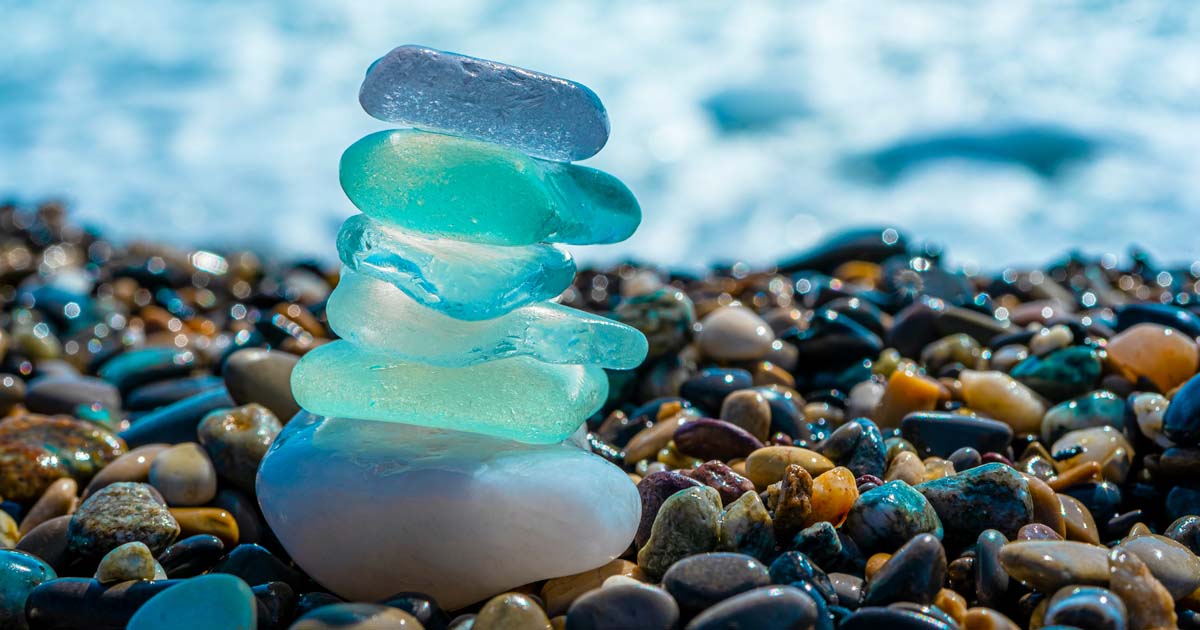
Each piece of beach glass carries a hidden history. It’s a tangible link to past generations and discarded items that once served a purpose. Finding a piece of beach glass can feel like unearthing a small fragment of history, a whisper from the past. The rarity of certain colors, like amethyst or deep red, often points to much older glass, adding to its historical intrigue. This connection to the past, combined with the beauty of the naturally tumbled material, contributes to its enduring allure. It’s a reminder of human consumption, natural resilience, and the unexpected beauty that can emerge from seemingly insignificant origins. The journey of a discarded bottle fragment, transformed by the ocean into a smooth, frosted gem, is a powerful metaphor for renewal and the enduring beauty of the natural world.
aViewFromTheCave is a participant in the Amazon Services LLC Associates Program, an affiliate advertising program designed to provide a means for sites to earn advertising fees by advertising and linking to Amazon.com. Amazon, the Amazon logo, AmazonSupply, and the AmazonSupply logo are trademarks of Amazon.com, Inc. or its affiliates. As an Amazon Associate we earn affiliate commissions from qualifying purchases.