
LoJack, a name synonymous with vehicle recovery for decades, has evolved significantly from its origins. Originally conceived as a purely anti-theft device, its technological underpinnings and application have expanded, placing it firmly within the realm of Tech. While its brand recognition is undeniable, and its financial impact on reducing theft losses is considerable, its core identity and ongoing development lie in the innovative use of technology to solve a persistent problem: asset tracking and recovery. This article will delve into the technological intricacies of LoJack, exploring its history, how it functions, its evolution, and its place in the broader landscape of modern tracking solutions.

The Genesis of a Tracking Solution: Early LoJack Technology
The foundational concept behind LoJack was elegantly simple yet remarkably effective for its time. It leveraged radio frequency (RF) technology, a stark contrast to the GPS-centric systems prevalent today. This early reliance on RF was a deliberate choice, driven by the limitations and costs of early GPS technology, and also by the desire for a system that could work even when a stolen vehicle was hidden within garages, parking structures, or underground locations – places where GPS signals might be weak or non-existent.
Radio Frequency Transponders: The Heart of Early LoJack
At its core, the original LoJack system was a sophisticated RF transponder system. Once a vehicle equipped with a LoJack device was reported stolen to the police, a specific signal was activated remotely. This signal would then prompt the hidden transponder within the vehicle to emit its own unique RF signal. Law enforcement vehicles equipped with specialized RF receivers could then detect this signal. The strength and directionality of the signal allowed officers to triangulate the vehicle’s position, guiding them directly to its location.
How the RF System Worked in Practice
The process was straightforward from a user’s perspective: if a vehicle was stolen, the owner would file a police report and notify LoJack. This activation triggered the system. The RF signal emitted by the transponder was designed to be detectable over a certain range, though it was not as precise as modern GPS. The crucial advantage was its ability to penetrate obstacles that would block satellite signals. This meant that even if a stolen car was concealed, the LoJack signal could still lead authorities to its vicinity, enabling recovery. The system was often integrated with law enforcement databases, streamlining the reporting and recovery process. The success of this early RF-based system was phenomenal, leading to high recovery rates and cementing LoJack’s reputation as a premier anti-theft solution.
The Technological Evolution: From RF to GPS and Beyond
As technology advanced, so too did LoJack. The limitations of solely relying on RF, particularly in terms of pinpoint accuracy and the ability to track vehicles over vast distances in real-time, became apparent. This led to a significant technological shift, integrating more sophisticated tracking and communication technologies into their offerings. The evolution of LoJack reflects the broader trends in the tech industry, moving towards more connected, data-driven, and intelligent solutions.
The Integration of GPS and Cellular Technology
The most significant leap in LoJack’s technological trajectory was the adoption of Global Positioning System (GPS) technology. GPS receivers, which became smaller, more affordable, and more accurate over time, allowed for precise latitude and longitude coordinates to be determined for the vehicle. This dramatically improved the accuracy of tracking, enabling law enforcement to locate stolen vehicles with much greater precision.
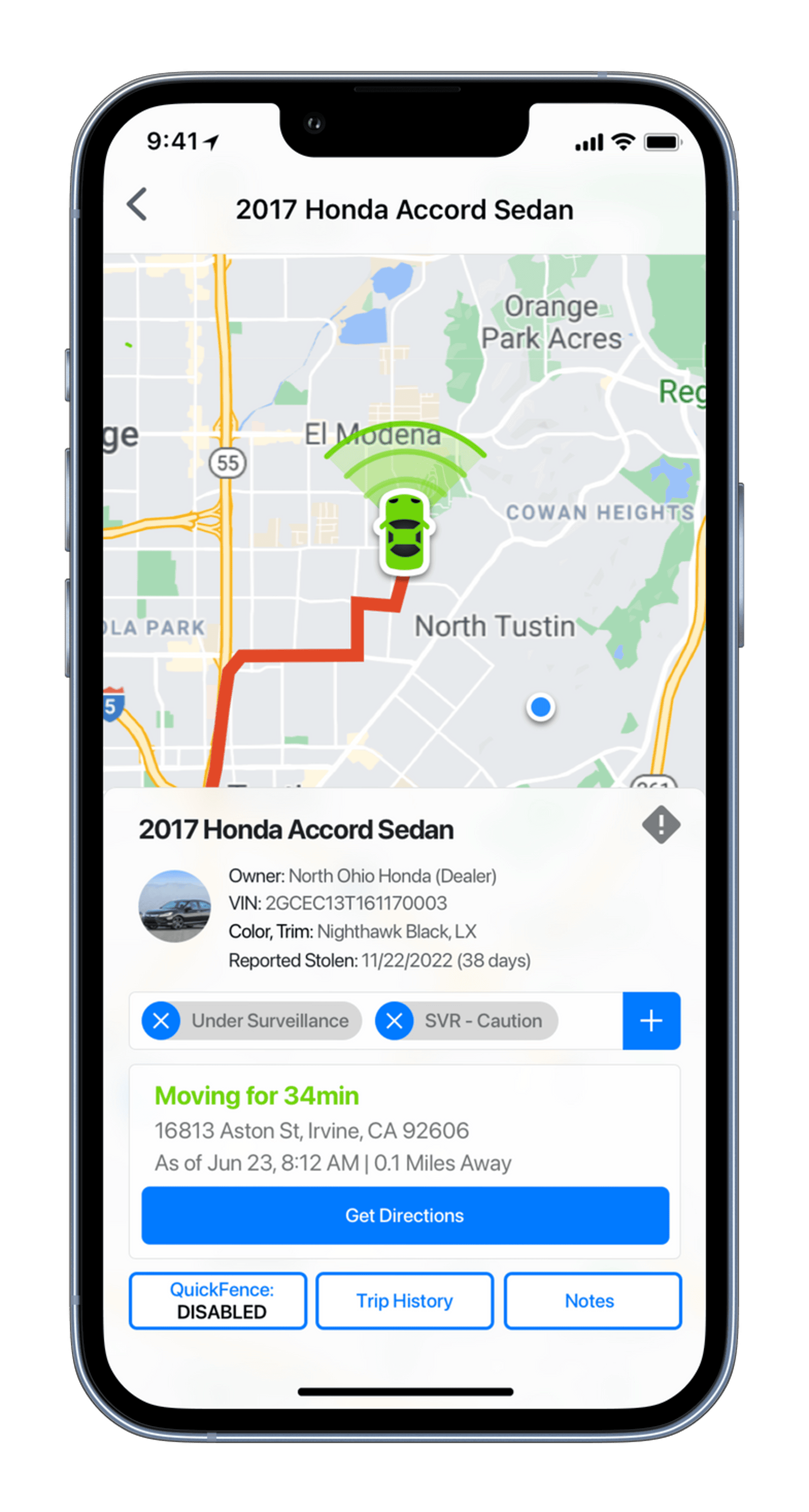
Beyond GPS, LoJack also began integrating cellular communication technology. This enabled the device to transmit the GPS-acquired location data wirelessly to a central server or directly to authorized personnel. This real-time data transmission was a game-changer, allowing for immediate updates on the vehicle’s whereabouts as it moved, facilitating faster and more efficient recovery efforts. This hybrid approach, combining the best of RF for hidden situations and GPS/cellular for precise, real-time tracking, formed the basis of LoJack’s more advanced systems.
Modern LoJack Systems: Connected and Intelligent
Today’s LoJack systems are far more sophisticated than their predecessors. They are not just passive recovery devices; they are increasingly part of a connected ecosystem. Many modern LoJack solutions incorporate features beyond simple theft recovery. These can include:
- Real-time Location Tracking: Continuous monitoring of vehicle location, accessible through dedicated apps or web portals.
- Geofencing: The ability to set virtual boundaries and receive alerts when a vehicle enters or leaves a designated area.
- Vehicle Diagnostics: Some systems can even provide basic vehicle health alerts or performance data.
- Driver Behavior Monitoring: In fleet management applications, LoJack technology can be used to monitor driving habits, promoting safety and efficiency.
- Integration with IoT: LoJack is increasingly exploring integration with the Internet of Things (IoT), allowing vehicles to communicate with other smart devices and infrastructure.
This evolution showcases LoJack’s commitment to staying at the forefront of tracking technology, adapting to new innovations and expanding its use cases beyond just the automotive sector.
The Broader Tech Landscape: LoJack’s Place in Asset Tracking
LoJack, in its current iteration, is a prime example of sophisticated asset tracking technology. The principles behind its operation – locating, monitoring, and securing valuable assets – are central to a rapidly growing segment of the tech industry. The challenges LoJack addresses are not unique to vehicles; the demand for tracking and monitoring extends to a wide array of assets, from valuable equipment and cargo to personal belongings.
The Rise of GPS Trackers and IoT Devices
The market for GPS trackers and other IoT-enabled tracking devices has exploded. This is driven by several factors: the decreasing cost of hardware, the proliferation of wireless communication networks (like 4G and 5G), and the increasing awareness of the benefits of asset visibility. LoJack operates within this broader ecosystem, competing with and often integrating with other tracking solutions.
These solutions range from small, portable trackers for personal items to robust, industrial-grade devices for tracking fleets of trucks or high-value cargo. The underlying technology often includes a combination of GPS for location, cellular or satellite for communication, and sometimes short-range technologies like Bluetooth or RFID for proximity detection. The data generated by these devices is increasingly being analyzed using AI and machine learning to provide predictive insights, optimize logistics, and enhance security.

LoJack’s Competitive Advantage and Future Outlook
LoJack’s long-standing reputation and its established relationships with law enforcement agencies continue to provide a significant competitive advantage, particularly in the automotive sector for vehicle recovery. However, to maintain its edge, the company must continue to innovate and adapt. This means not only enhancing its core tracking capabilities but also leveraging data analytics and AI to offer more intelligent and proactive solutions.
The future of LoJack likely involves deeper integration into smart city initiatives, connected car platforms, and broader IoT applications. The company’s ability to provide reliable, secure, and actionable data about asset location and status will be crucial in a world that is increasingly reliant on real-time information and interconnectedness. As the tech landscape continues to evolve, LoJack’s journey from an RF-based theft recovery system to a comprehensive asset intelligence platform is a testament to its enduring relevance and adaptability.
aViewFromTheCave is a participant in the Amazon Services LLC Associates Program, an affiliate advertising program designed to provide a means for sites to earn advertising fees by advertising and linking to Amazon.com. Amazon, the Amazon logo, AmazonSupply, and the AmazonSupply logo are trademarks of Amazon.com, Inc. or its affiliates. As an Amazon Associate we earn affiliate commissions from qualifying purchases.