
In the modern financial landscape, gift cards have evolved from simple “easy” presents into a significant category of stored-value assets. Every year, billions of dollars are loaded onto these plastic and digital vouchers. However, a staggering percentage of that value—estimated by some financial analysts to be as high as $3 billion annually—goes unspent. This phenomenon, known in the corporate world as “breakage,” represents a direct loss to the consumer’s personal net worth.
Checking a gift card balance is not merely a technical necessity before a shopping trip; it is a fundamental practice of personal finance management. Whether you are dealing with an “open-loop” card (like a prepaid Visa or Mastercard) or a “closed-loop” card (specific to a retailer like Amazon or Starbucks), understanding exactly how much purchasing power you hold is the first step toward financial efficiency.
Understanding the Financial Anatomy of a Gift Card
Before diving into the mechanics of checking a balance, it is essential to understand what a gift card represents in your portfolio. Financially speaking, a gift card is a non-interest-bearing loan you or a benefactor has granted to a corporation. Until you spend that balance, the company holds your capital.
The Concept of Stored Value
A gift card is a form of “stored value,” a financial instrument that contains a specific monetary worth. Unlike cash in a high-yield savings account, the value on a gift card is stagnant. It does not grow with inflation; in fact, its purchasing power often diminishes over time as the prices of goods and services rise. Therefore, keeping track of your balance is a race against the eroding value of the dollar.
Why Frequent Balance Audits Matter
Many consumers treat gift cards as “bonus money” that exists outside their primary budget. This is a psychological trap. From a wealth-management perspective, $50 on a Target gift card is $50 that doesn’t need to come out of your checking account for household essentials. Checking your balance regularly ensures that these “hidden” funds are integrated into your monthly spending plan, preventing you from overextending your liquid cash.
Proven Methods for Verifying and Tracking Your Balances
The process of checking a balance varies depending on the issuer and the type of card. However, most reputable brands provide three primary avenues for verification.
Direct Issuer Verification: Online and Phone Systems
The most reliable way to check a balance is through the official channels provided by the issuer.
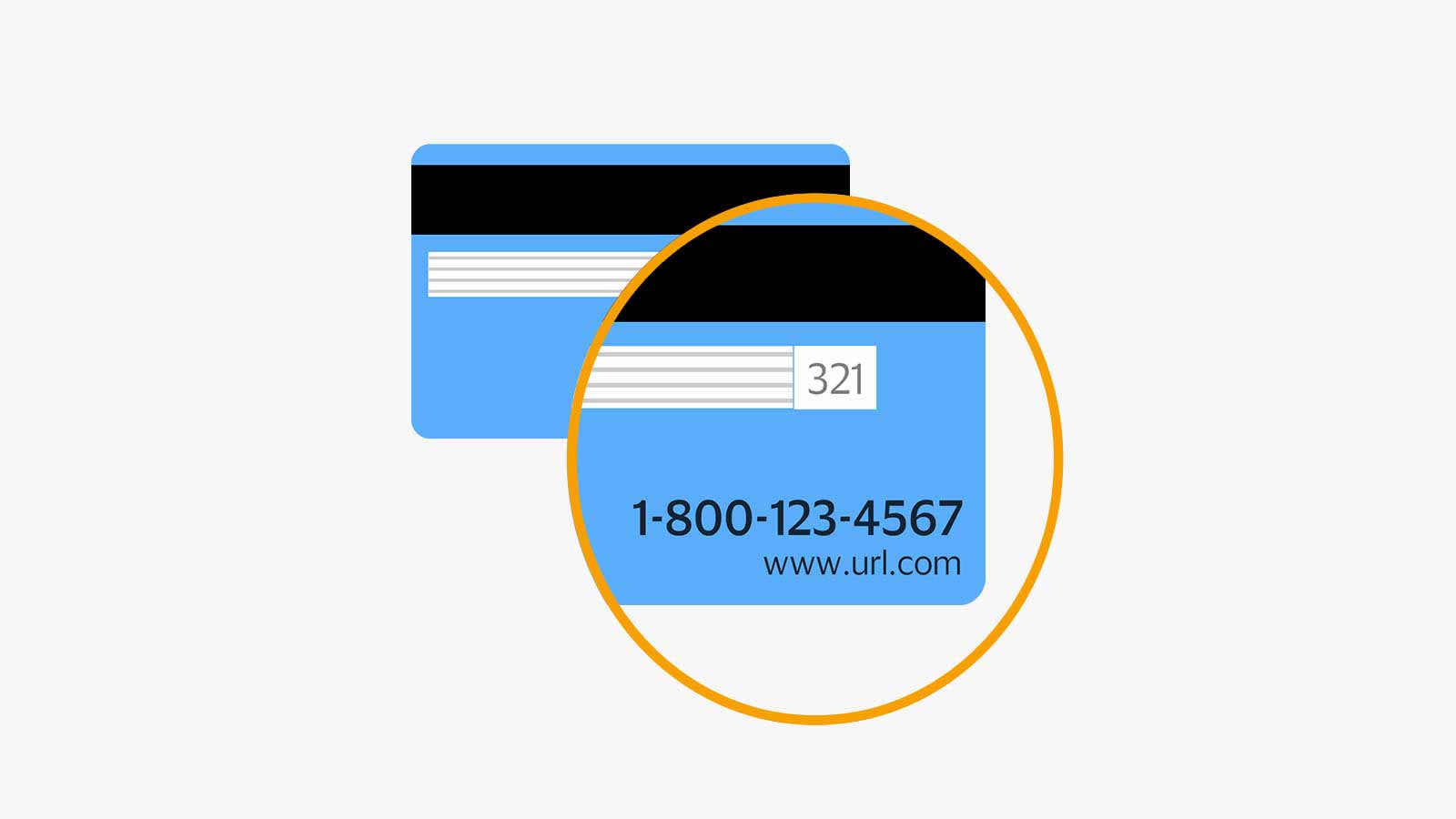
- Web Portals: Almost every major retailer has a dedicated “Balance Check” page. You will typically need the 16-digit card number and the Security Code (CVV or PIN), which is often hidden under a scratch-off coating on physical cards.
- Automated Phone Lines: If you are on the go or lack reliable internet access, the back of the card will almost always feature a toll-free number. These automated systems are highly secure and provide instant updates. For “open-loop” cards like Visa gift cards, this is often the preferred method to see if any “pending” transactions are affecting your available balance.
In-Store Inquiry and Point-of-Sale (POS) Checks
For brick-and-mortar retailers, the most traditional method remains the most effective.
- Customer Service Desks: Most retailers can scan your card at a dedicated service desk to provide a printed receipt showing your remaining balance.
- The Bottom of the Receipt: A common financial oversight is discarding receipts. Most retailers print the “remaining balance” at the bottom of the receipt after a purchase is made. Developing the habit of circling this number and keeping the receipt with the card is an excellent way to maintain a manual ledger of your funds.
Digital Wallets and Third-Party Management
In the age of fintech, checking balances has become more streamlined through digital integration.
- Retailer Apps: Apps like Starbucks, Chick-fil-A, or Target allow you to “load” the gift card into your digital account. Once added, the app provides a real-time display of your balance, eliminating the need to re-enter digits every time you want to check your status.
- Aggregator Tools: While there are third-party apps designed to track multiple gift cards in one place, use caution. From a digital security standpoint, you should only provide card details to reputable, well-known financial tools.

Protecting Your Financial Interest: Security and Fees
A gift card balance is only useful if it is secure. Because gift cards lack the robust federal protections afforded to credit and debit cards (such as the Electronic Fund Transfer Act), losing a balance often means losing the money permanently.
Identifying and Avoiding Balance Theft
Gift card “draining” is a sophisticated form of theft where scammers record the card numbers in a store before they are purchased and then monitor the balance online. Once the card is activated by a legitimate buyer, the thief spends the balance immediately.
To protect your money:
- Inspect the Packaging: Always ensure the scratch-off strip is intact.
- Register the Card: Many issuers allow you to register the card on their website. This links the balance to your identity, making it easier to recover the funds if the physical card is lost or stolen.
- Check the Balance Immediately: Upon receiving or purchasing a card, check the balance right away to ensure the full value is present.
Navigating Expiration Dates and Inactivity Fees
The Credit CARD Act of 2009 provided significant protections for consumers, but loopholes still exist.
- The Five-Year Rule: Federal law generally prevents gift cards from expiring for at least five years from the date of issuance. However, the physical card might expire even if the funds do not.
- Inactivity Fees: Some cards (particularly open-loop cards) may charge a monthly “dormancy fee” if the card is not used for 12 consecutive months. Regularly checking your balance helps you stay aware of these potential deductions, allowing you to spend the remaining value before the issuer begins clawing it back.
Strategic Optimization of Remaining Balances
The final stage of gift card management is “clearing the ledger.” Many people have a drawer full of cards with balances of $1.50, $3.25, or $0.75. Individually, these seem negligible; collectively, they represent lost capital.
Combining Small Balances for Larger Purchases
Most major online retailers, such as Amazon, allow you to use a gift card to “reload” your account balance. If you have a $5 Visa gift card that is too small to use for a major purchase, you can use it to buy a $5 Amazon gift credit. This consolidates fragmented value into a single, usable pool of funds.
The “Split-Tender” Strategy
When shopping in person, don’t let a small balance go to waste. You can perform a “split-tender” transaction, where you tell the cashier you would like to exhaust the remaining $2.14 on a gift card and pay the rest with cash or a debit card. This ensures that you extract every cent of value from the instrument.
The Secondary Market: Reselling and Trading
If you have a balance for a store you never visit, your money is effectively “trapped.” In this case, the best financial move is to convert that stored value into more liquid capital.
- Resale Sites: Platforms like CardCash or Raise allow you to sell your gift card for a percentage of its value (usually 70% to 90%). While you take a small haircut on the total value, receiving $40 in cash for a $50 gift card you would never use is a net gain for your liquidity.
- Direct Trading: Many online communities allow for the 1:1 trading of gift cards. If you have a Home Depot card and need a grocery store card, trading can be a way to reallocate your assets without losing value to a middleman.

Conclusion: Integration into Personal Finance
Checking a gift card balance is the first step in a broader strategy of financial mindfulness. In a world where digital transactions are the norm, it is easy to lose track of “hidden” money. By treating every gift card as a legitimate financial asset—checking its balance regularly, protecting it from theft, and strategically exhausting its value—you ensure that your hard-earned money (or the generous gifts of others) stays where it belongs: in your pocket.
Don’t let your balances become “breakage” for a corporation. Set a quarterly “balance audit” on your calendar to check all your cards, reload your apps, and clear out those small remaining balances. In the grand scheme of personal finance, every dollar accounted for is a dollar that contributes to your overall financial freedom.
aViewFromTheCave is a participant in the Amazon Services LLC Associates Program, an affiliate advertising program designed to provide a means for sites to earn advertising fees by advertising and linking to Amazon.com. Amazon, the Amazon logo, AmazonSupply, and the AmazonSupply logo are trademarks of Amazon.com, Inc. or its affiliates. As an Amazon Associate we earn affiliate commissions from qualifying purchases.