
In the rapidly evolving landscape of consumer electronics and automotive engineering, the way we store and maintain energy has become as critical as the devices themselves. While most consumers are familiar with the standard chargers used for smartphones and laptops, there is a specialized segment of power management technology dedicated to long-term health and sustainability: the battery tender. Often misunderstood as a simple “charger,” a battery tender is actually a sophisticated piece of smart technology designed to communicate with a battery’s internal chemistry to ensure peak performance over extended periods of inactivity.
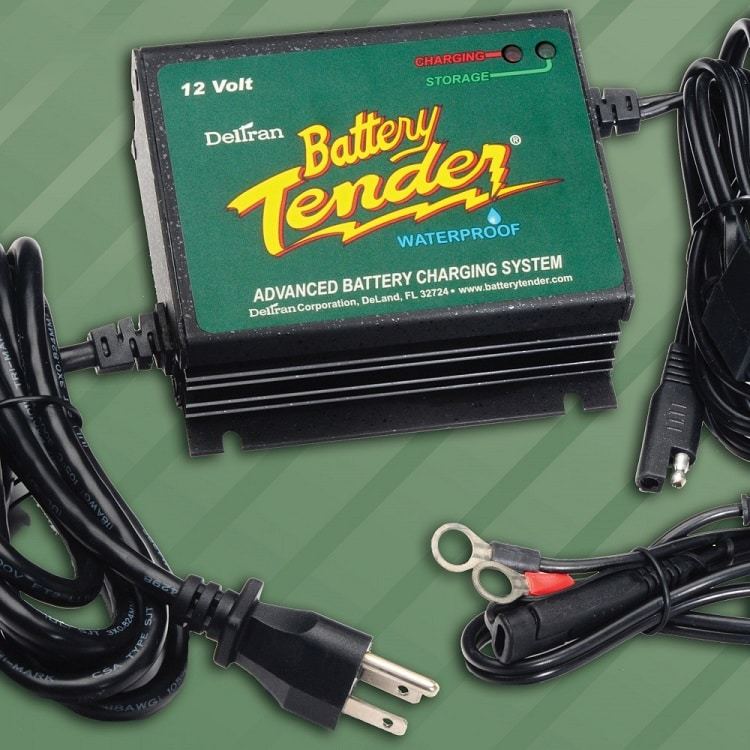
For tech enthusiasts, DIY mechanics, and owners of high-end electronic vehicles, understanding the mechanics of a battery tender is essential. It represents a shift from “dumb” power delivery to intelligent, sensor-driven maintenance. This guide explores the technological architecture of battery tenders, their operational cycles, and why they are a vital component in the modern tech ecosystem.
Understanding the Technology Behind Battery Tenders
To appreciate what a battery tender does, one must first distinguish it from the traditional “trickle charger.” While both devices are intended to keep a battery charged, their internal logic and execution are fundamentally different. A standard charger delivers a constant stream of electricity regardless of the battery’s state of charge, which can lead to overheating and “boiling” the electrolyte fluid. In contrast, a battery tender utilizes a microprocessor to monitor the battery’s voltage and adjust its output accordingly.
How Smart Charging Differs from Traditional Trickle Chargers
The primary technical differentiator is the “brain” inside the unit. A traditional trickle charger is a linear power supply that provides a fixed low-amperage current. If left connected too long, it can overcharge a battery, leading to permanent structural damage or even fire hazards.
A battery tender, however, employs a switching power supply and a feedback loop. It reads the battery’s voltage levels in real-time. Once the battery reaches its optimal threshold, the tender does not simply shut off; it enters a “float” or “storage” mode. In this state, it monitors the natural discharge rate and only provides enough current to offset that loss. This prevents the chemical degradation that occurs when a battery is either undercharged or overcharged.
The Microprocessor Revolution in Power Management
The heart of a modern battery tender is its integrated circuit (IC). These microprocessors are programmed with complex algorithms designed to handle various battery chemistries, including Flooded, AGM (Absorbed Glass Mat), Gel Cell, and more recently, Lithium-Ion (LiFePO4).
These chips allow the device to perform “soft starts”—a process where the charger detects if a battery is deeply discharged and applies a low voltage to safely bring it back to a level where it can accept a full charge. This level of granularity in power delivery is a hallmark of modern gadgetry, ensuring that the hardware is protected from the thermal stress of sudden high-current surges.
Why Every Tech-Savvy Vehicle Owner Needs One
As vehicles and outdoor equipment become increasingly digitized, the demand on the battery has increased exponentially. Modern cars are essentially rolling computers, featuring dozens of Electronic Control Units (ECUs), GPS modules, and security systems that remain active even when the ignition is off. This leads to a phenomenon known as “parasitic drain.”
Protecting Your Investment in Lead-Acid and Lithium Tech
Batteries are chemical engines. When a lead-acid battery sits idle and its charge drops below a certain point (typically 12.4V for a 12V system), a process called sulfation begins. Lead sulfate crystals form on the battery plates, reducing the surface area available for chemical reactions and eventually killing the battery’s ability to hold a charge.
A battery tender uses high-frequency pulses and precision voltage regulation to prevent this crystallization. For those using advanced Lithium-Ion batteries, the stakes are even higher. Lithium batteries require extremely precise voltage balancing between cells. A dedicated lithium-compatible tender ensures that no single cell is overstressed, thereby extending the lifespan of an expensive high-tech component by several years.
Preventing Parasitic Drain in Modern Electronic Systems
In the world of “Internet of Things” (IoT) enabled vehicles, the battery is never truly at rest. Features like remote start, mobile app connectivity, and over-the-air (OTA) updates require a constant, albeit small, amount of power. If a vehicle is left for more than two weeks, these systems can deplete the battery to a “no-start” condition.
By integrating a battery tender into your setup, you provide a stable power floor for these electronic systems. This ensures that when you do decide to use your equipment—be it a classic car, a motorcycle, or a backup generator—the software systems are initialized properly and the hardware has the cranking amps necessary to fire up without putting undue strain on the alternator.

Key Features to Look for in Modern Battery Maintenance Gadgets
Not all battery tenders are created equal. As the market for tech accessories grows, manufacturers have introduced features that move these devices beyond simple utility into the realm of high-performance gadgets.
Multi-Stage Charging Cycles Explained
Top-tier battery tenders typically utilize a 4-stage or even 7-stage charging process. These stages include:
- Initialization: Checking the battery’s condition and polarity.
- Bulk Charge: Delivering the maximum constant current to bring the battery to roughly 80% capacity.
- Absorption: Holding a constant voltage while the current tapers off, ensuring a deep, thorough charge.
- Float/Maintenance: Keeping the battery at a constant “ready” voltage without overcharging.
Some advanced models also include a Desulfation Stage, which uses high-frequency pulses to break down existing sulfate crystals, potentially “reviving” a battery that would otherwise be destined for the recycling center.
Safety Protocols: Spark-Proof Tech and Reverse Polarity Protection
From a hardware safety perspective, modern tenders are equipped with several fail-safes. “Spark-proof” technology ensures that the leads are not active until they are securely connected to a battery, preventing the dangerous sparks often associated with jumping a car. Furthermore, “Reverse Polarity Protection” is a critical electronic safeguard. If a user accidentally connects the positive lead to the negative terminal, the microprocessor detects the error and refuses to engage the circuit, protecting both the tender and the vehicle’s sensitive ECU from a catastrophic short circuit.
Integrating Battery Tenders into Your Digital Lifestyle
The modern user expects connectivity and ease of use. This expectation has forced a transformation in how battery maintenance tools are designed and used.
Smart Tenders and IoT Connectivity
We are now seeing the rise of Wi-Fi and Bluetooth-enabled battery tenders. These devices connect to a smartphone app, allowing the user to monitor their battery’s health from anywhere in the world. Tech enthusiasts can view real-time voltage graphs, receive push notifications if the power goes out, or get alerted if the battery is failing to hold a charge. This integration into the broader smart-home ecosystem allows for a proactive rather than reactive approach to maintenance.
Maintenance Schedules for Seasonal Tech and Recreational Vehicles
For many, a battery tender is a seasonal tool. It is the bridge between the summer use of a jet ski or motorcycle and the winter storage in a garage. In a tech-focused workflow, the “set it and forget it” nature of the battery tender is its greatest asset. By using quick-connect harnesses (pigtails) that remain permanently attached to the battery terminals, the user can plug in their vehicle as easily as they plug in their laptop, ensuring that their high-value tech is always in peak condition.
The Future of Battery Maintenance Tech
As we look toward the future, the technology of battery maintenance is converging with the broader trends in electrification and solid-state electronics.
Solid-State Advancements and Universal Compatibility
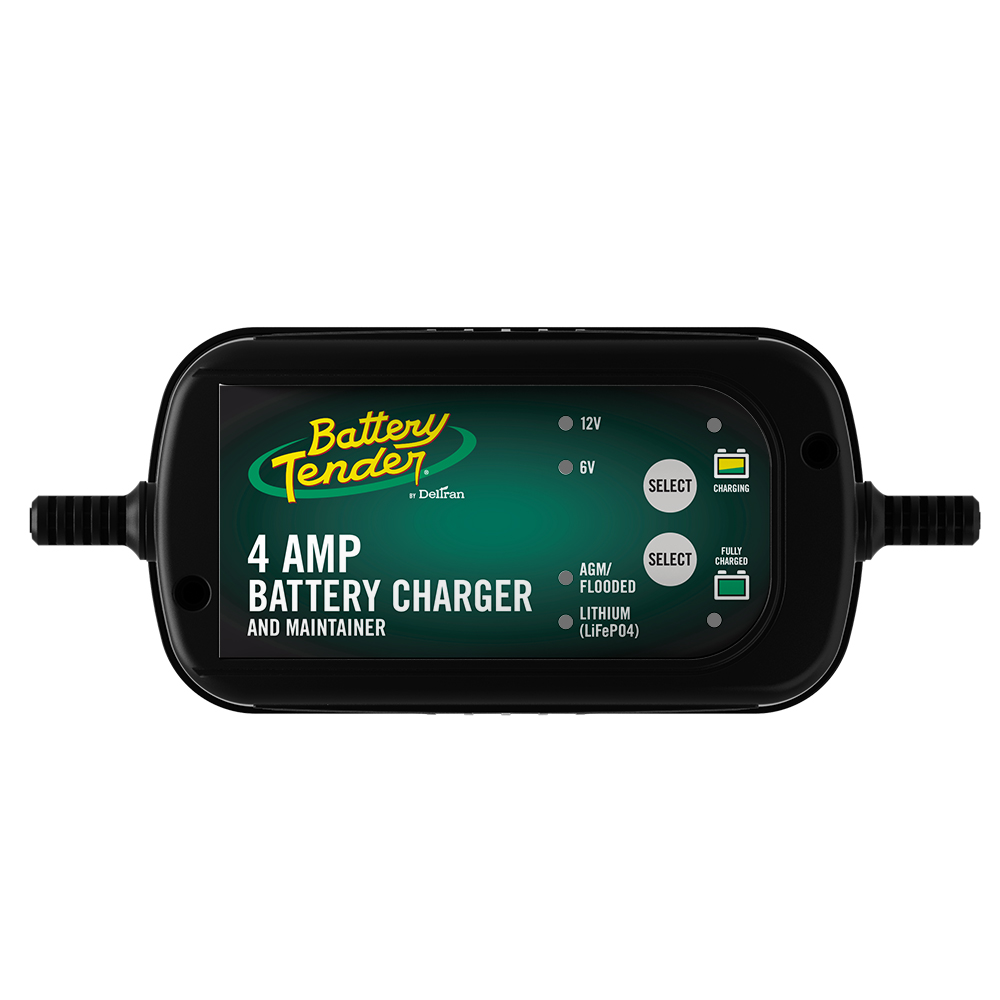
The next generation of battery tenders will likely move toward solid-state power conversion, which eliminates moving parts and increases the efficiency of the power transfer. We are also seeing a push toward “universal” chargers that can automatically detect battery chemistry without manual input. Imagine a device that can sense whether it is connected to a lead-acid motorcycle battery or a high-capacity lithium-ion power bank and adjust its internal logic instantly.
Sustainability and the Circular Economy
Finally, the tech community is placing an increasing emphasis on sustainability. By significantly extending the life of a battery—often doubling or tripling its usable years—battery tenders play a crucial role in reducing electronic waste. Every battery that is maintained rather than replaced represents a reduction in the demand for lead, acid, and lithium mining. In a world increasingly concerned with the environmental impact of our gadgets, the battery tender stands out as a primary tool for technological conservation.
In conclusion, a battery tender is far more than a simple accessory; it is a sophisticated power management system that utilizes microprocessors and complex algorithms to protect and sustain our most vital energy storage components. Whether you are protecting a high-performance sports car, a specialized piece of equipment, or a smart-home backup system, the battery tender represents the pinnacle of “smart” maintenance tech. By understanding and implementing this technology, you ensure that your devices are always ready to perform, bridging the gap between hardware longevity and digital convenience.
aViewFromTheCave is a participant in the Amazon Services LLC Associates Program, an affiliate advertising program designed to provide a means for sites to earn advertising fees by advertising and linking to Amazon.com. Amazon, the Amazon logo, AmazonSupply, and the AmazonSupply logo are trademarks of Amazon.com, Inc. or its affiliates. As an Amazon Associate we earn affiliate commissions from qualifying purchases.