
Understanding your utility bills is a fundamental aspect of managing personal finances effectively. These recurring expenses, often overlooked or taken for granted, form a significant portion of household budgeting. While the term “utility bill” might seem straightforward, the components and nuances within these bills can be surprisingly complex. This article aims to demystify what exactly is included in a utility bill, providing a comprehensive overview to empower homeowners and renters alike in understanding their financial obligations and identifying opportunities for cost savings. We will explore the common types of utilities, the charges they encompass, and the factors that influence their cost, all within the realm of personal finance.
The Fundamental Utilities: Powering Your Home and Life
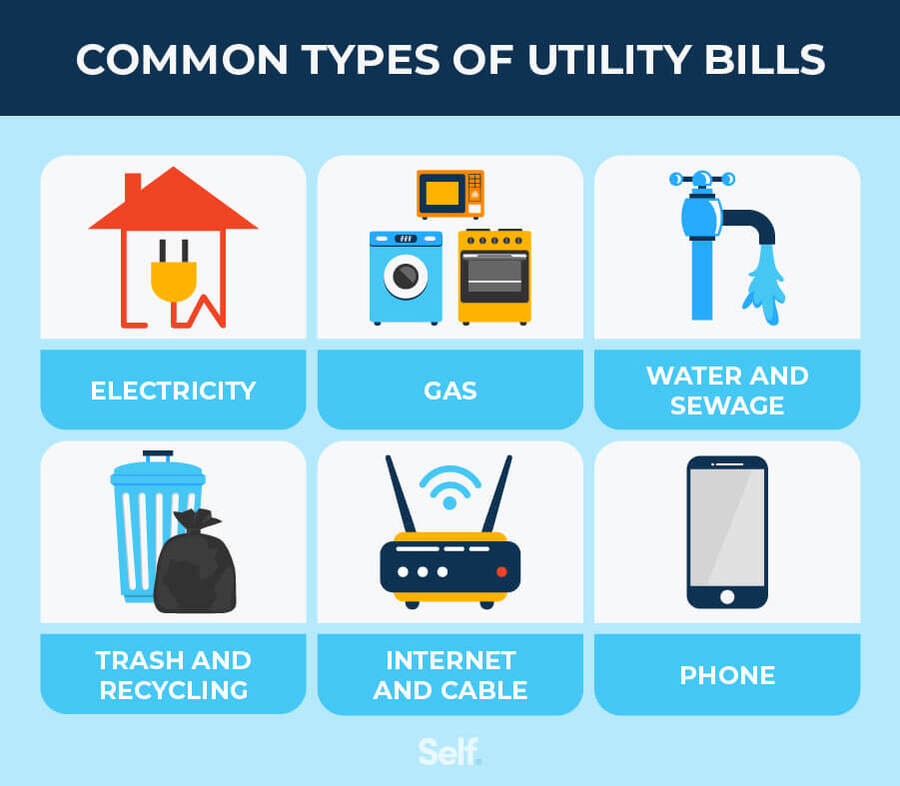
At its core, a utility bill refers to the periodic charges for essential services required to maintain a household. These services are typically provided by regulated entities, ensuring a baseline level of access and service. The most common utilities are those that directly impact our daily comfort, safety, and convenience. Understanding these foundational services is the first step in comprehending the entirety of your utility expenses.
Electricity: The Lifeblood of Modern Living
Electricity is arguably the most ubiquitous and indispensable utility. Its cost is driven by a complex interplay of generation, transmission, distribution, and various regulatory fees. When you receive an electricity bill, it typically itemizes charges based on your consumption, measured in kilowatt-hours (kWh).
Understanding Electricity Charges
- Energy Consumption: This is the primary driver of your electricity bill. You are charged for every kWh of electricity you use. The rate per kWh can vary significantly based on your location, the time of day (if you have a time-of-use plan), and the energy provider. Factors influencing consumption include the number and efficiency of appliances, lighting, heating, and cooling systems.
- Distribution and Transmission Fees: These charges cover the cost of delivering electricity from the power plant to your home. This includes maintaining the power lines, substations, and other infrastructure necessary for a reliable supply. These are often fixed or tiered charges, meaning you might pay a set amount or a rate that increases with higher usage, regardless of your actual energy consumption.
- Customer Service and Metering Charges: Your utility company incurs costs for managing your account, sending bills, and maintaining your electricity meter. These are typically smaller, fixed charges added to your bill.
- Taxes and Surcharges: Depending on your jurisdiction, various local, state, or federal taxes and specific surcharges might be applied to your electricity bill. These can include environmental surcharges, franchise fees, or other regulatory levies.
- Renewable Energy or Other Program Fees: Some utility providers offer or are mandated to include charges related to renewable energy initiatives, energy efficiency programs, or other specialized services. These can appear as separate line items or be integrated into the overall energy rate.
Natural Gas: Heating, Cooking, and Beyond
Natural gas is another crucial utility for many households, primarily used for heating, cooking, and sometimes for hot water heating or clothes drying. Similar to electricity, its bill reflects consumption and associated infrastructure costs.
Deconstructing Natural Gas Bills
- Gas Consumption: You are charged for the volume of natural gas consumed, typically measured in therms or cubic feet. The rate per unit can fluctuate based on market prices and your usage patterns.
- Delivery and Infrastructure Costs: Like electricity, natural gas requires a network of pipelines for transportation and distribution. The bill includes charges for maintaining this infrastructure, ensuring safe and reliable delivery to your home.
- Fixed Service Charges: These cover the administrative costs of managing your account, meter reading, and customer service.
- Taxes and Regulatory Fees: Various governmental impositions can be present on natural gas bills, mirroring those found on electricity statements.
- Seasonal Adjustments and Rate Riders: Gas prices can be highly seasonal. Utility companies may implement rate adjustments or “riders” to account for fluctuations in wholesale gas prices, extreme weather events, or specific infrastructure upgrade costs.
Water and Wastewater: Essential for Sanitation and Daily Life
Water and wastewater services are fundamental for health and sanitation. While often provided by municipal entities, they are billed as utilities and are essential components of household expenses.
Key Components of Water and Wastewater Bills
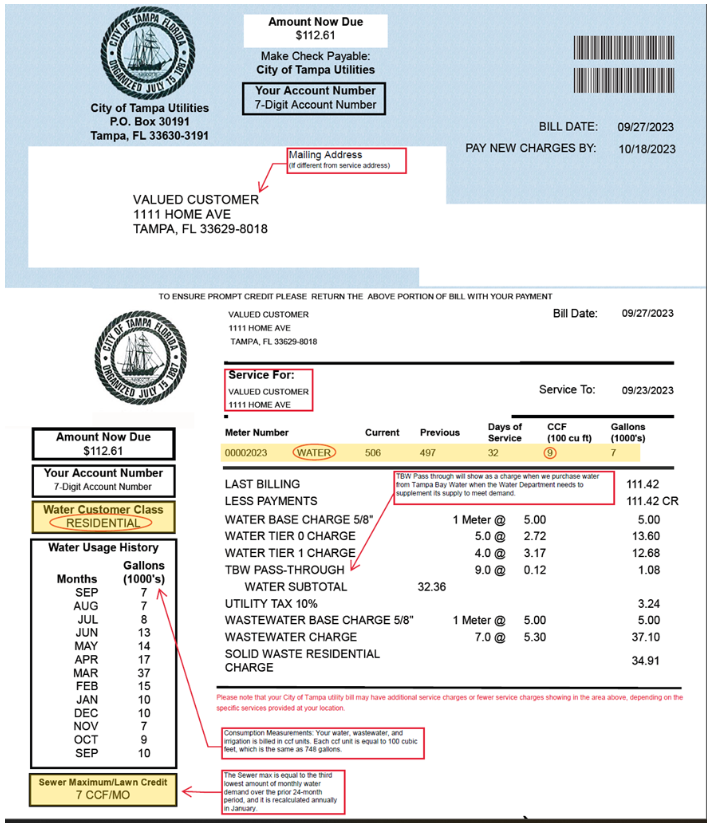
- Water Consumption: You are charged for the amount of water you use, usually measured in gallons or cubic feet. The cost per unit can vary, and some systems implement tiered pricing where higher consumption incurs a greater per-unit cost.
- Wastewater (Sewer) Charges: This covers the cost of treating and disposing of sewage. It’s often calculated based on your water usage, assuming a proportional relationship, or sometimes a flat rate.
- Water and Sewer Infrastructure Fees: These charges contribute to the maintenance, repair, and upgrade of the vast network of pipes, treatment plants, and pumping stations that deliver clean water and remove wastewater.
- Stormwater Management Fees: Increasingly, water bills may include a charge for managing stormwater runoff. This helps fund the infrastructure needed to prevent flooding and manage water quality from rainfall.
- Service and Meter Charges: Standard administrative fees for account management and meter maintenance are typically included.
Ancillary Utilities and Services: Beyond the Basics
While electricity, gas, and water are the cornerstones of household utilities, other essential services are often bundled or billed separately, contributing to the overall cost of running a modern home. These can range from essential communication services to more specialized offerings.
Communication Services: Connecting Your World
Internet, cable television, and landline phone services, while not always considered “traditional” utilities, are now viewed as essential for most households, especially in an increasingly digital age. Their billing structures can be diverse.
The Anatomy of Communication Bills
- Subscription Fees: The core of these bills is the monthly fee for the service package you’ve chosen (e.g., internet speed, TV channel lineup, phone plan).
- Equipment Rental Fees: If you rent modems, routers, cable boxes, or other equipment from the provider, these rental costs will be itemized.
- Installation and Activation Fees: Initial setup costs, often incurred when starting a new service, may be spread across the first few bills or charged upfront.
- Taxes and Surcharges: Various federal, state, and local taxes, as well as regulatory fees (e.g., Universal Service Fund contributions for phone services), are commonly applied.
- Pay-Per-View and On-Demand Charges: For cable TV, any individual movie rentals or special event purchases will be added to your bill.
- Add-on Services: Premium channels, international calling plans, or enhanced internet security features are examples of add-ons that increase the total cost.
Waste Management and Recycling: Keeping Your Home Clean
The service of collecting and disposing of household waste is a fundamental utility, often provided by local government or contracted private companies.
Understanding Waste Management Bills
- Collection Fees: This is the primary charge for the regular pickup of trash and recycling. The frequency of collection and the size of the bins can influence this cost.
- Landfill or Disposal Fees: These charges cover the cost of processing and disposing of the collected waste at landfills or other treatment facilities.
- Recycling Program Fees: Separate fees might be applied to support the infrastructure and operation of recycling programs.
- Hazardous Waste Disposal Fees: In some areas, specific fees might be associated with the disposal of certain types of hazardous waste, or these services may be billed separately.
- Environmental Surcharges: Similar to other utilities, environmental regulations can lead to additional surcharges aimed at promoting sustainable waste management practices.
Factors Influencing Your Utility Bills
Beyond the specific services included, several external factors can significantly impact the total amount of your utility bills. Understanding these influences can help you manage your expenses more proactively.
Consumption Patterns and Lifestyle Choices
The most direct influence on your utility bills is how much of each service you use. This is largely determined by your lifestyle and household habits.
Optimizing Usage for Savings
- Energy Efficiency: Employing energy-efficient appliances, LED lighting, and proper insulation can dramatically reduce electricity and gas consumption.
- Water Conservation: Fixing leaks, using low-flow fixtures, and being mindful of water usage during daily activities can lower water bills.
- Thermostat Management: Properly setting and using your thermostat for heating and cooling can lead to substantial savings on energy costs.
- Appliance Usage: Running dishwashers and washing machines with full loads, and utilizing energy-saving modes on appliances, can minimize their impact on your bills.
Geographic Location and Local Regulations
Your geographic location plays a critical role in determining utility costs. Different regions have varying energy sources, infrastructure, and regulatory environments, leading to significant price disparities.
Regional Influences on Costs
- Energy Source Availability: Areas with abundant local energy resources (e.g., hydroelectricity, natural gas fields) may have lower generation costs.
- Climate: Regions with extreme climates (very hot or very cold) will naturally have higher heating and cooling costs.
- Infrastructure Investment: Areas with aging infrastructure might incur higher maintenance and upgrade costs passed on to consumers.
- Regulatory Bodies: The presence and nature of public utility commissions and other regulatory bodies can influence pricing structures, profit margins, and mandated service standards.
- Local Taxes and Fees: The specific local taxes and surcharges imposed by municipalities or regional authorities can add to the overall bill.
Provider Pricing Structures and Market Forces
The pricing strategies of utility providers, influenced by market competition (where applicable) and operational costs, are fundamental to how much you pay.
Navigating Provider Charges
- Tiered Pricing: Many utilities use tiered pricing, where the cost per unit increases as your consumption rises.
- Time-of-Use Rates: Some electricity providers offer plans where rates vary depending on the time of day, encouraging usage during off-peak hours.
- Fixed vs. Variable Rates: While less common for regulated utilities, some services might offer fixed monthly rates, while others have variable rates tied to market commodity prices.
- Bundled Services: Providers often offer bundles of services (e.g., internet, TV, phone) which can sometimes offer savings compared to subscribing to each individually, but it’s crucial to compare the value.
- Discounts and Promotions: Keep an eye out for introductory offers, loyalty discounts, or budget billing options that can help manage costs.

Conclusion: Mastering Your Utility Bills for Financial Health
Understanding what includes a utility bill is more than just deciphering lines of numbers; it’s about gaining control over a significant aspect of your personal finances. By breaking down the common utilities – electricity, natural gas, water, and wastewater – and examining their constituent charges, we’ve seen how consumption, infrastructure, taxes, and administrative fees all contribute to the final amount. Furthermore, recognizing the impact of communication services, waste management, and external factors like geographic location and provider pricing allows for a more holistic view.
Empowering yourself with this knowledge is the first step towards effective budgeting, identifying areas for potential savings, and making informed decisions about your household’s resource consumption. Regularly reviewing your utility bills, comparing them to previous periods, and understanding the variables at play can lead to significant financial benefits. In the realm of personal finance, mastering your utility bills is a practical and impactful strategy for enhancing your financial well-being and ensuring a more predictable and manageable household budget.
aViewFromTheCave is a participant in the Amazon Services LLC Associates Program, an affiliate advertising program designed to provide a means for sites to earn advertising fees by advertising and linking to Amazon.com. Amazon, the Amazon logo, AmazonSupply, and the AmazonSupply logo are trademarks of Amazon.com, Inc. or its affiliates. As an Amazon Associate we earn affiliate commissions from qualifying purchases.