
The year 1955, though seemingly distant in the annals of history, was a pivotal moment for technological advancement. While often overshadowed by the seismic shifts of the post-war era, it laid crucial groundwork for many of the digital innovations we take for granted today. This was a time when the seeds of the digital revolution were being sown, with early breakthroughs in computing, communication, and nascent forms of automation. The trajectory of technology was irrevocably altered, setting a course for miniaturization, increased processing power, and the interconnectedness that defines our modern world. Examining 1955 through a technological lens reveals not just individual inventions but a burgeoning ecosystem of ideas and the early adoption of concepts that would later redefine industries and daily life.

The Dawn of the Computer Age: Early Giants and Innovations
The mid-1950s marked a significant acceleration in the development of electronic computers. These were not the sleek, portable devices of today but massive, room-filling machines, yet their impact was profound. Their primary purpose was complex calculation and data processing, largely within scientific, military, and governmental spheres. However, the innovations of 1955 were crucial steps towards making computing more accessible and powerful, laying the foundation for future advancements.
UNIVAC and the Rise of Commercial Computing
The Universal Automatic Computer (UNIVAC) series, particularly UNIVAC I, was a groundbreaking development in commercial computing. While its initial development predated 1955, the year saw continued adoption and refinement, solidifying its role in business and government. UNIVAC I was one of the first computers to be mass-produced and was famously used by the U.S. Census Bureau to tabulate the 1950 census data. Its ability to handle large volumes of data and perform complex calculations at unprecedented speeds was revolutionary. In 1955, its influence grew as more organizations recognized the potential of electronic data processing for tasks ranging from payroll to scientific research. This marked a critical transition from theoretical concepts to practical, commercial applications of computing, proving that these behemoths were more than just experimental curiosities. The success of UNIVAC I spurred further investment and research into more capable and efficient computing systems.
Transistor Technology: The Key to Miniaturization
While the transistor had been invented in the late 1940s, 1955 was a year where its potential began to be more widely recognized and exploited, particularly in the development of smaller, more reliable electronic devices. The advent of transistors, which replaced bulky and power-hungry vacuum tubes, was a fundamental step towards miniaturization and increased efficiency. This was a critical turning point for the electronics industry, paving the way for the development of smaller radios, televisions, and eventually, early portable computing devices. The increased reliability and reduced power consumption offered by transistors were essential for the future of electronics, allowing for designs that were previously unimaginable due to the size and heat generated by vacuum tubes. This period saw significant advancements in transistor manufacturing and integration, moving them from specialized components to more commonplace elements in electronic design.
Early Steps in Data Storage and Input
Beyond processing power, 1955 also saw progress in how data was stored and entered into these nascent computers. While magnetic tape was becoming more prevalent for data storage, innovations were being explored to improve speed and capacity. Early forms of random-access memory (RAM) were also being conceptualized and experimented with, although they were far from the silicon-based chips we know today. Input methods were also a significant challenge. Keypunch machines, where data was encoded onto punched cards, remained the primary method, but researchers were exploring more direct input mechanisms, hinting at the future of interactive computing. The limitations of these early storage and input methods presented significant bottlenecks to computation, making any improvement a substantial leap forward.
Communication Technologies: Bridging Distances
The mid-20th century was a period of significant innovation in communication, aiming to connect people and disseminate information more effectively. While the internet was still decades away, the advancements in 1955 laid the groundwork for the seamless global connectivity we experience today, particularly in the realms of broadcasting, telecommunications, and early data transmission.
The Proliferation of Television and its Impact
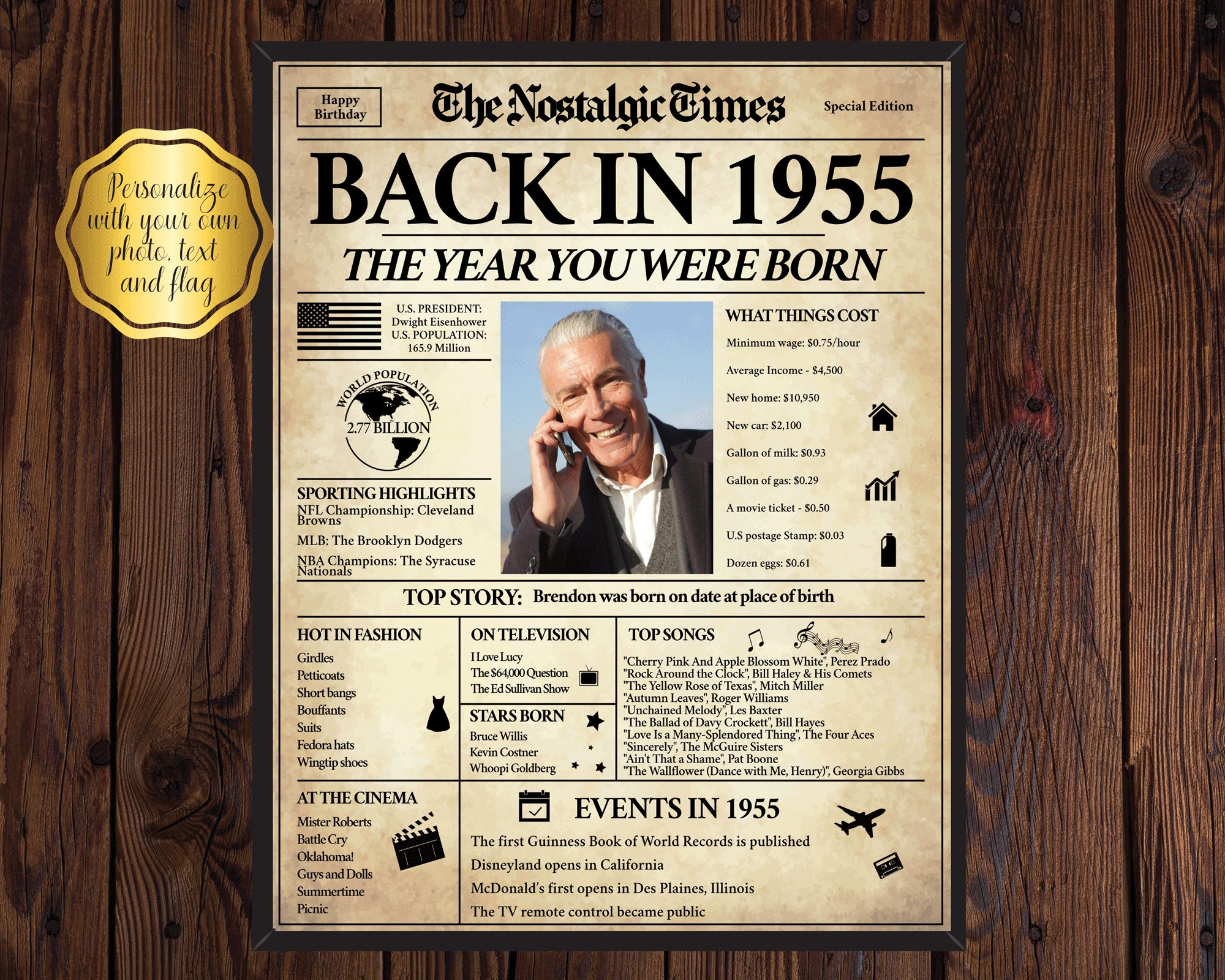
1955 was a golden age for the expansion of television. The technology, having gained a foothold in the post-war years, was rapidly becoming a ubiquitous household appliance in many Western countries. The increased availability of television sets and the growth of broadcasting networks meant that information, entertainment, and advertising were reaching a wider audience than ever before. This had a profound impact on culture, politics, and consumer behavior, shaping public opinion and creating a shared national experience. The development of new broadcasting technologies and programming strategies during this period contributed to the medium’s dominance. This marked a significant shift in how people consumed information and entertainment, moving from print and radio to a more visual and immersive experience.
Advancements in Telephony and Early Data Transmission
While the telephone was already a well-established technology, 1955 saw continuous improvements in its infrastructure and capabilities. The ongoing expansion of telephone networks made long-distance communication more reliable and accessible. More significantly, this era was beginning to explore the possibilities of using telecommunications infrastructure for data transmission. Early experiments with modems and acoustic couplers were laying the groundwork for connecting computers over telephone lines, a crucial precursor to the development of early networks. While these were rudimentary by modern standards, they represented the first steps towards the digital communication highways that would emerge later. The concept of transmitting data, not just voice, over existing communication lines was a radical idea with immense future implications.
The Growing Importance of Radio Broadcasting
Despite the rise of television, radio remained a vital medium in 1955. It continued to be a primary source of news, music, and drama for millions. The portability of transistor radios, which were beginning to gain traction thanks to the advancements in transistor technology discussed earlier, further expanded radio’s reach, allowing people to listen on the go. Innovations in broadcasting technology, such as improved frequency modulation (FM) capabilities and more sophisticated signal transmission, enhanced the quality and range of radio broadcasts. Radio played a critical role in reaching audiences who might not yet have had access to television, ensuring widespread information dissemination and entertainment.
The Seeds of Automation and Control
The technological landscape of 1955 was also characterized by an increasing interest in automation and control systems. These advancements were driven by the desire to improve efficiency in industrial processes, enhance scientific research, and develop more sophisticated machinery. The focus was on creating systems that could perform tasks with minimal human intervention, a concept that would become increasingly central to technological development.
Early Industrial Automation and Control Systems
The post-war industrial boom fueled a significant push towards automation. In 1955, factories began implementing more advanced control systems to manage machinery and production lines. This included early forms of programmable logic controllers (PLCs), which were beginning to replace complex electromechanical relays. These systems allowed for more precise control of manufacturing processes, leading to increased productivity, improved quality, and enhanced safety. The development of sensors and feedback mechanisms also played a crucial role, enabling machines to monitor and adjust their own operations in real-time. This was a critical step towards the automated factories of today.
The Military-Industrial Complex and Technological Innovation
The Cold War environment of the 1950s significantly influenced technological development, with defense spending driving innovation in various sectors. In 1955, research and development in areas such as radar, early missile guidance systems, and sophisticated computing for defense applications were accelerating. These military-driven advancements often had civilian spin-offs, leading to the broader adoption of new technologies. The emphasis on reliability, miniaturization, and advanced calculation capabilities for military purposes directly contributed to breakthroughs that would later benefit commercial and consumer technologies. This symbiotic relationship between military needs and technological progress was a defining characteristic of the era.

Emerging Concepts in Robotics and Artificial Intelligence
While the terms “robotics” and “artificial intelligence” were still nascent and largely theoretical in 1955, the underlying concepts were being explored. Scientists and engineers were beginning to envision machines that could perform tasks autonomously and even mimic aspects of human intelligence. Early research into cybernetics and control theory laid the groundwork for future developments in these fields. The focus was on creating systems that could sense, process information, and act upon their environment, even if these capabilities were limited to very specific tasks. These early explorations, though far from the sophisticated AI and robotics of the 21st century, represented the initial sparks of an ambition to create intelligent machines.
In conclusion, 1955 was a year of understated yet profound technological shifts. It was a period where the foundational elements of computing, communication, and automation were solidifying, driven by scientific curiosity and industrial necessity. The innovations of this era, from the expanding reach of UNIVAC to the fundamental promise of the transistor and the early whispers of intelligent machines, collectively set the stage for the digital age. Understanding what happened in 1955 in the realm of technology is to appreciate the evolutionary steps that led to the interconnected, data-driven world we inhabit today.
aViewFromTheCave is a participant in the Amazon Services LLC Associates Program, an affiliate advertising program designed to provide a means for sites to earn advertising fees by advertising and linking to Amazon.com. Amazon, the Amazon logo, AmazonSupply, and the AmazonSupply logo are trademarks of Amazon.com, Inc. or its affiliates. As an Amazon Associate we earn affiliate commissions from qualifying purchases.