
The intersection of faith and civic engagement has been a perennial topic of discussion throughout history. However, in the 21st century, this discourse has been profoundly reshaped by the advent of technology. The Bible, a text centuries old, is now accessed, interpreted, and debated through a myriad of digital platforms. This shift necessitates an examination of how ancient wisdom grapples with modern political realities, particularly as mediated by technology. This article explores what the Bible says about politics, not in a direct theological exegesis, but through the lens of technological influence on religious and political engagement. We will investigate how digital tools shape our understanding of biblical mandates for governance, justice, and individual responsibility within society, and how these tools empower or complicate the application of scriptural principles in the contemporary political arena.
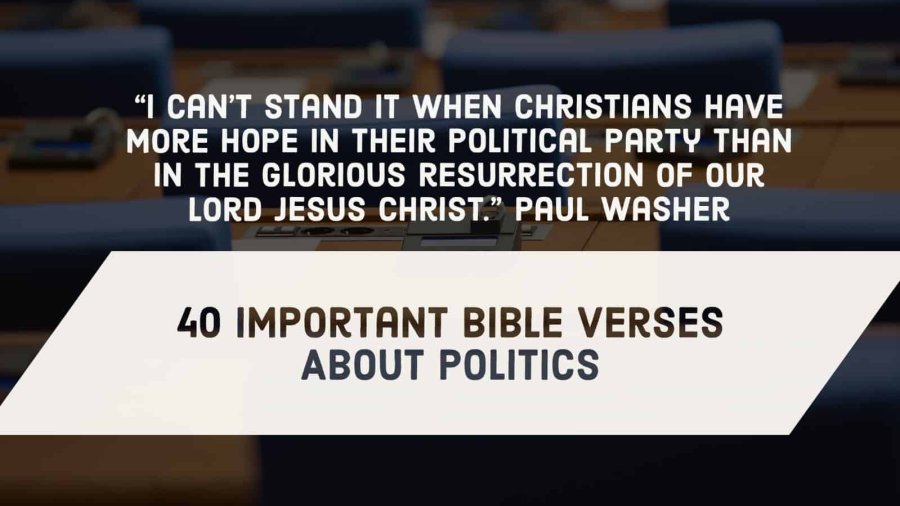
The Digital pulpit: Disseminating Scriptural Principles in the Public Square
The Bible, a foundational text for billions, offers numerous passages that speak to principles of justice, governance, compassion, and the responsibility of individuals within their communities. Traditionally, these teachings were disseminated through sermons, religious education, and printed texts. Today, the digital landscape has revolutionized this process, creating both unprecedented opportunities and significant challenges.
Amplifying Voices and Shaping Narratives Online
The internet and social media platforms have become powerful conduits for religious ideas. Pastors, theologians, and lay individuals can now reach vast audiences, sharing their interpretations of biblical passages relevant to political issues. This democratization of information allows for a broader spectrum of perspectives to be heard, potentially enriching the public discourse on faith and governance. Websites, blogs, podcasts, and video channels dedicated to biblical perspectives on societal issues allow for deep dives into specific verses and themes.
For instance, passages concerning the poor and oppressed (e.g., Isaiah 1:17, Luke 4:18) are frequently highlighted and applied to contemporary debates on economic policy and social welfare through digital content. Similarly, verses about justice and righteousness (e.g., Micah 6:8, Proverbs 31:8-9) are used to critique systemic injustices and advocate for policy changes. The ability to quickly share and comment on these digital interpretations fosters rapid engagement and debate, allowing for the immediate application of scriptural principles to breaking political news. This creates a dynamic environment where biblical teachings are not static pronouncements but living, breathing principles being actively applied and debated in real-time.
The Algorithmic Influence on Faith and Politics
However, this digital dissemination is not without its complexities. Social media algorithms, designed to maximize engagement, can inadvertently create echo chambers and filter bubbles. This means that individuals may primarily encounter interpretations of biblical passages that align with their pre-existing political viewpoints, reinforcing rather than challenging them. Consequently, a nuanced understanding of how the Bible speaks to a wide range of political issues can be lost, replaced by a polarized, albeit digitally amplified, version of faith-based political engagement.
The challenge lies in discerning between genuine biblical application and ideologically driven narratives masquerading as divine truth. Technology can be a tool for both enlightenment and manipulation. The ease with which content can be created and shared means that misinterpretations or deliberately distorted applications of scripture can gain traction rapidly, potentially influencing public opinion and even electoral outcomes. Users must employ critical digital literacy skills to navigate this landscape, distinguishing between well-reasoned theological arguments and partisan rhetoric. This requires an awareness of how algorithms function and a conscious effort to seek out diverse perspectives.
Scriptural Mandates in the Digital Public Square: Governance, Justice, and Individual Responsibility
The Bible offers a rich tapestry of principles that speak to how societies should be governed, how justice should be administered, and how individuals should conduct themselves within their communities. While these teachings predate the internet, their application in the digital age requires thoughtful consideration of the new paradigms technology introduces.
Foundations for Just Governance: Principles from Scripture
Ancient Israelite law, as recorded in the Old Testament, provides foundational principles for just governance. Concepts like the importance of righteous leaders, the protection of the vulnerable, and the pursuit of justice are consistently emphasized. For example, Deuteronomy 16:18-20 calls for judges and officials who are wise and respected, and who administer justice without favoritdom or corruption. The prophetic tradition, replete with denunciations of injustice and oppression, serves as a constant reminder of God’s concern for the marginalized.
In the digital age, these principles translate into calls for transparency, accountability, and ethical leadership in all branches of government. Social media can be a powerful tool for holding public officials accountable, by exposing corruption or injustice through citizen journalism and shared information. Movements for social justice, often organized and amplified through online platforms, frequently draw upon these biblical themes of righteousness and the defense of the oppressed. The accessibility of information through digital means allows citizens to more readily engage with the ethical underpinnings of policy decisions, comparing them against scriptural ideals.
Technology as a Catalyst for Justice and Compassion
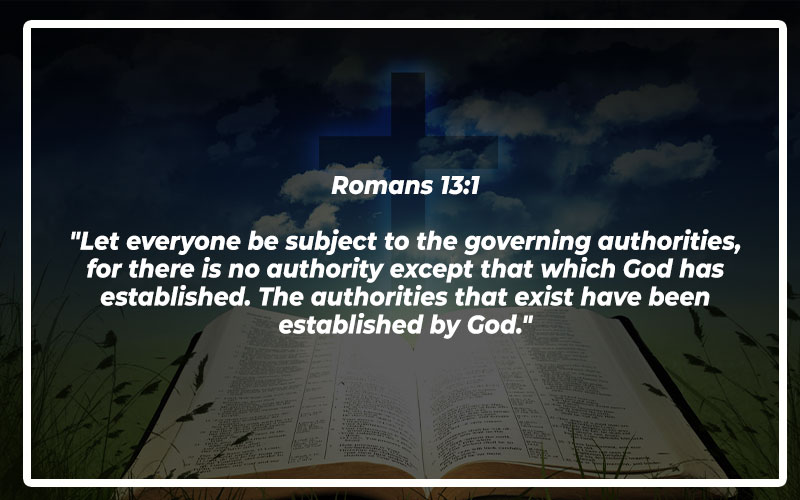
The Bible consistently calls for compassion, mercy, and the care of the poor and needy. The New Testament, particularly the teachings of Jesus, emphasizes love for one’s neighbor and service to the least among us. Passages like Matthew 25:40, “Truly I tell you, whatever you did for one of the least of these brothers and sisters of mine, you did for me,” provide a powerful impetus for social action.
Technology has enabled new avenues for enacting these biblical mandates. Online crowdfunding platforms allow for immediate financial support of individuals and communities in crisis. Digital networks facilitate the organization of charitable initiatives and disaster relief efforts on a scale previously unimaginable. Moreover, technology can be used to raise awareness about systemic issues that perpetuate poverty and inequality, fostering a more informed and engaged populace willing to advocate for change. Apps and websites dedicated to connecting volunteers with opportunities or providing resources for those in need are tangible examples of technology being harnessed for biblically inspired humanitarian work. This demonstrates a proactive application of scriptural principles, leveraging modern tools to fulfill ancient commands.
Navigating the Digital Public Square: Individual Ethical Conduct
Beyond societal structures, the Bible also provides guidance for individual ethical conduct within the community. Principles such as speaking truthfully, avoiding slander, and exercising self-control are paramount. The book of Proverbs, for instance, is replete with wisdom concerning speech and its consequences. In the digital realm, these virtues take on new significance. The anonymity or semi-anonymity afforded by some online platforms can tempt individuals to engage in behaviors they would eschew in face-to-face interactions.
The ease of instant communication means that words, once spoken or typed, can be amplified and disseminated with unprecedented speed and reach. This necessitates a heightened awareness of the ethical implications of online discourse. Spreading rumors, engaging in cyberbullying, or participating in hateful online rhetoric directly contradicts biblical injunctions for kindness, truthfulness, and love. The principles outlined in Ephesians 4:29, which urges believers to speak only what is helpful for building others up according to their needs, become incredibly relevant in the context of online interactions. Therefore, understanding what the Bible says about politics extends to how believers conduct themselves in the digital public square, embodying scriptural values in their online interactions.
Engaging with the World: Technology, Faith, and Political Participation
The Bible calls believers to be salt and light in the world, implying a degree of engagement with the societies in which they live. This engagement, historically manifested in various forms, now finds new expression and amplification through technological tools.
Digital Platforms for Advocacy and Civic Engagement
The digital age has empowered individuals and faith-based organizations to engage in political advocacy with greater efficiency and reach. Online petitions, digital letter-writing campaigns to elected officials, and social media activism allow for the mobilization of large numbers of people around specific issues. Faith communities can leverage these tools to advocate for policies aligned with their understanding of biblical principles, whether it concerns religious freedom, social justice, or humanitarian aid.
The ability to quickly share information, organize events, and raise awareness through digital channels means that faith-based initiatives can have a significant impact on public discourse and policy. For example, a particular injustice highlighted by a faith leader online can quickly garner widespread attention and support, leading to organized action. This demonstrates how technological platforms can serve as powerful enablers for enacting biblical mandates for justice and righteous living within the broader political framework. The digital space becomes a fertile ground for translating faith-based convictions into tangible civic participation.
The Ethics of Digital Citizenship for Believers
As individuals increasingly interact with the political sphere through digital interfaces, the ethical considerations of digital citizenship become paramount for those guided by biblical principles. This involves not only the content of one’s communication but also the manner in which it is delivered. The call to love one’s neighbor, a central tenet of Christian teaching, should extend to all online interactions, even with those holding opposing political views.
This means engaging in respectful dialogue, avoiding inflammatory language, and seeking to understand rather than merely condemn. Technology can facilitate such engagement through moderated online forums and educational platforms that promote civil discourse. Conversely, the ease of anonymity and the rapid dissemination of information can also fuel vitriol and division. Therefore, the application of biblical wisdom in the digital political arena requires a conscious effort to cultivate virtues such as humility, patience, and grace in online interactions. This digital ethical framework, grounded in scriptural commands, is crucial for believers seeking to be constructive participants in the public square.

Critically Evaluating Digital Information and its Influence
In an era of abundant digital information, discerning truth from falsehood is a critical skill, particularly when it intersects with faith and politics. The Bible itself values truth and wisdom. The book of Proverbs is filled with admonitions to seek knowledge and understanding. In the digital age, this translates to a responsibility to critically evaluate the sources of information one encounters online.
This involves understanding the potential for bias, the difference between opinion and fact, and the ways in which information can be manipulated. For believers, this means applying a discerning spiritual lens to digital content, asking whether it aligns with the broader teachings of scripture and promotes constructive engagement. The proliferation of “fake news” and misinformation, often amplified through social media, poses a significant challenge to informed civic participation and can distort the application of biblical principles to political issues. Therefore, developing strong digital literacy skills, coupled with a commitment to truth and integrity, is essential for any believer seeking to engage with politics in a manner consistent with their faith in the digital age.
aViewFromTheCave is a participant in the Amazon Services LLC Associates Program, an affiliate advertising program designed to provide a means for sites to earn advertising fees by advertising and linking to Amazon.com. Amazon, the Amazon logo, AmazonSupply, and the AmazonSupply logo are trademarks of Amazon.com, Inc. or its affiliates. As an Amazon Associate we earn affiliate commissions from qualifying purchases.