
In the world of personal finance and asset management, a car is often the second largest purchase a consumer will make, trailing only behind a home. However, unlike real estate, which typically appreciates over time, a vehicle is a depreciating asset. When someone asks, “What does miles mean on a car?” they are rarely asking for a definition of distance. From a financial perspective, mileage is the primary metric used to calculate the remaining economic life of the asset, its current market value, and the impending liabilities associated with its maintenance.
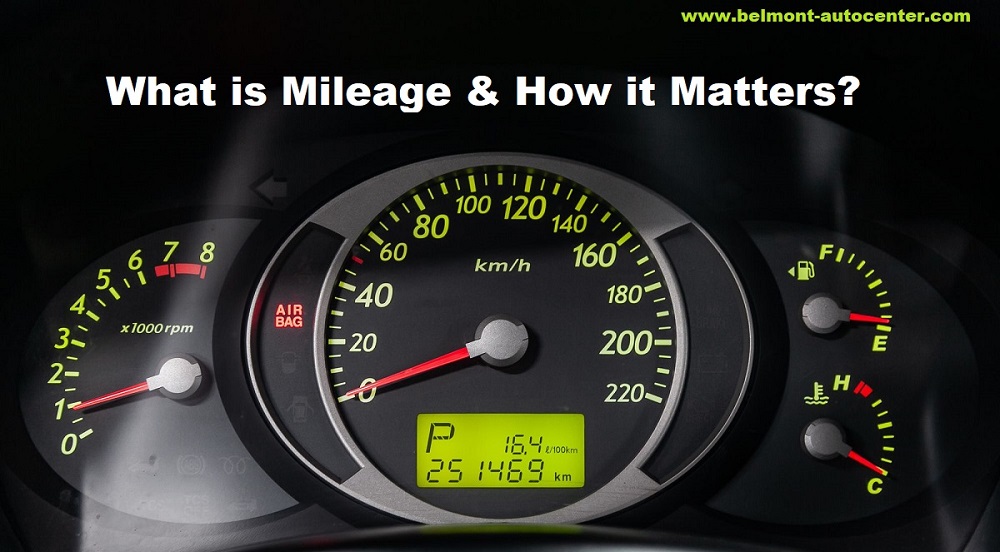
Understanding the financial implications of the odometer is essential for anyone looking to optimize their personal balance sheet. Whether you are buying, selling, or managing a corporate fleet, the mileage on a car represents a countdown of value.
The Financial Significance of Mileage in Vehicle Valuation
At its core, mileage is a proxy for wear and tear. In the financial markets for used automobiles, the odometer reading acts as a fundamental indicator of how much “utility” has been consumed and how much remains. To a financier or a savvy car buyer, every mile driven is a tiny fraction of the car’s initial capital value being converted into heat, friction, and mechanical fatigue.
Understanding Depreciation Curves
Depreciation is the reduction in the value of an asset over time. In the automotive world, this curve is steepest in the first few years, but mileage acts as a secondary accelerator. A car with 10,000 miles is treated very differently by the market than a car with 100,000 miles, even if they are the same age.
Financial analysts often look at “mileage buckets.” For instance, a vehicle typically sees a significant drop in valuation once it crosses the 36,000-mile mark (often the end of bumper-to-bumper warranties) and another sharp decline at 60,000 and 100,000 miles. These aren’t just arbitrary numbers; they represent psychological and financial thresholds where the risk of expensive mechanical failure increases, thereby lowering the price a rational buyer is willing to pay.
The “Sweet Spot” for Resale Value
From a wealth-management perspective, timing the sale of a vehicle is a strategic move. “Miles” mean the difference between recapturing a significant portion of your investment or selling the car for “scrap value.”
The “sweet spot” for selling a vehicle to maximize financial return usually occurs before the 60,000-mile mark. At this point, the car has already taken its initial “drive-off-the-lot” depreciation hit, but it still retains enough projected longevity to command a premium in the used market. Once a car surpasses 100,000 miles, it is often excluded from traditional financing options and “certified pre-owned” programs, which narrows the pool of buyers and forces the price down further.
Total Cost of Ownership (TCO) and the Price Per Mile
When calculating personal or business expenses, looking at the monthly car payment is a superficial approach. A more sophisticated financial metric is the Total Cost of Ownership (TCO). In this context, “miles” are the denominator in a very important equation: Total Expenses divided by Miles Driven equals the Price Per Mile.
Hidden Maintenance Liabilities
High mileage on a car signifies that the “low-maintenance” era of the vehicle’s life is likely over. For the first 30,000 miles, costs are generally limited to oil changes and tire rotations. However, as the miles accumulate, the car enters a phase of “major service intervals.”
Between 60,000 and 100,000 miles, most vehicles require significant capital outlays: timing belts, water pumps, brake rotors, and suspension components. From a financial standpoint, a high-mileage car is a liability with “deferred maintenance.” If you are buying a car with 90,000 miles for a low price, you aren’t necessarily getting a bargain; you are often just prepaying for the inevitable $3,000 repair bill that arrives at 100,000 miles.
Fuel Efficiency vs. Mechanical Degradation
While modern engineering has made engines more durable, mileage still impacts the operational efficiency of the asset. As components wear, fuel injectors become less efficient, and internal friction increases, the “cost per mile” in fuel alone can rise. For a business owner, these incremental increases in operational costs across a fleet can represent thousands of dollars in lost profit. Therefore, “miles” serve as a signal to audit the efficiency of the asset and determine if the cost of keeping it exceeds the cost of replacing it with a more efficient, lower-mileage model.

Mileage as a Metric for Investment and Fleet Management
In the corporate world, vehicles are treated as equipment. The mileage on a car is tracked with the same rigor that a factory tracks the hours on a CNC machine. For businesses, “miles” are a crucial data point for tax strategy and balance sheet management.
Business Finance and Asset Lifecycle
Companies use mileage to determine the “Lifecycle Replacement Point.” This is the exact moment when the declining resale value and the rising maintenance costs intersect to create the highest possible expense for the company. By tracking mileage, financial officers can predict when to liquidate the fleet to ensure they receive the highest possible “residual value.”
If a company keeps its vehicles too long (high miles), they risk downtime and high repair costs. If they trade them in too early (low miles), they haven’t extracted enough utility to justify the initial capital expenditure. Mileage is the compass used to navigate this profitable middle ground.
Tax Implications and Standard Mileage Rates
For the self-employed and small business owners, mileage is literally a form of currency. The IRS (and similar tax authorities globally) allows for a “Standard Mileage Rate” deduction. This is a recognition that every mile driven for business purposes incurs a real-world financial cost in depreciation, insurance, and fuel.
When you track business miles, you are calculating a tax shield. For every mile driven, you may be able to deduct a specific amount (e.g., 67 cents per mile in the U.S. for 2024) from your taxable income. In this scenario, “miles” on the car are a record of deductible business expenses. Understanding this helps a professional decide whether to use a personal vehicle for work or to invest in a dedicated company car.
Strategic Buying and Selling: Navigating the Odometer for Financial Gain
To master the “money” side of car ownership, one must learn how to read the odometer not as a measure of distance, but as a measure of market psychology and risk.
The Psychology of “Round Number” Milestones
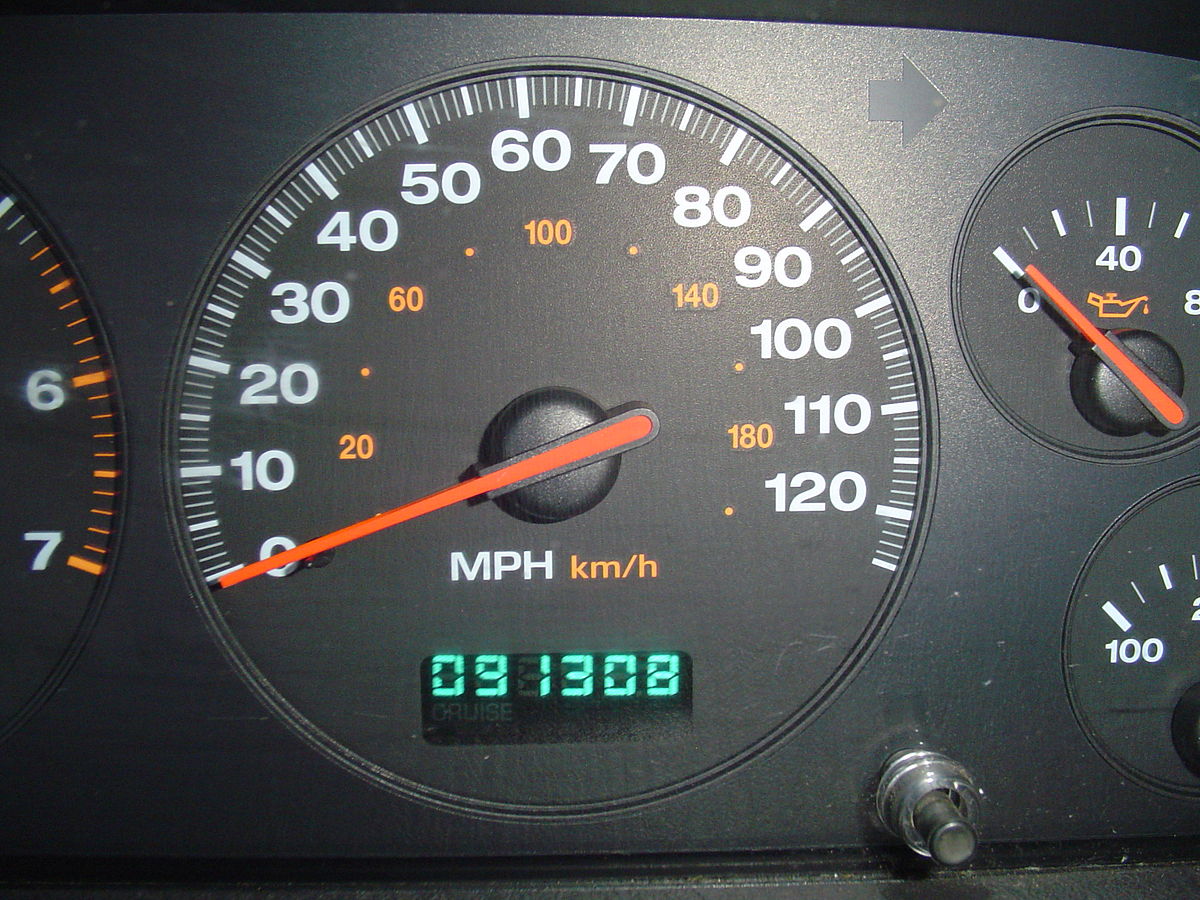
Human psychology plays a massive role in the pricing of assets. There is a disproportionate drop in a car’s value when it moves from 99,999 miles to 100,000 miles. There is no mechanical difference between those two states, but the financial perception shifts dramatically.
A savvy investor in vehicles—or someone looking to save money on a personal purchase—can look for “just-past-threshold” vehicles. Buying a car with 105,000 miles is often significantly cheaper than buying one with 95,000 miles, despite the wear being nearly identical. By understanding that “miles” are a psychological barrier, you can find undervalued assets that still have plenty of utility left.
Long-term Wealth vs. Short-term Convenience
Finally, what miles mean on a car is a reflection of your philosophy on wealth. Some people view a car as a revolving debt—trading it in every 36,000 miles to always have a warranty and a new model. This is the most expensive way to drive, as you are constantly living in the steepest part of the depreciation curve.
On the other hand, those focused on long-term wealth often seek to minimize the “cost per mile.” This usually involves buying a high-quality, 2-3-year-old vehicle with moderate mileage (around 30,000) and driving it until the maintenance costs begin to rival a monthly car payment—often around 150,000 to 200,000 miles. By spreading the initial cost over a vast number of miles, the owner reduces the impact of depreciation on their overall net worth.
Conclusion
In summary, when we ask what miles mean on a car, we are looking at the pulse of a financial asset. Miles represent the gradual transfer of value from the car’s price tag into the driver’s history. High mileage signifies a high consumption of the asset’s life, a decrease in resale equity, and an increase in projected maintenance liabilities. Conversely, low mileage represents preserved capital and lower operational risk.
By treating the odometer as a financial tool rather than just a dashboard instrument, you can make more informed decisions about when to buy, when to sell, and how to manage your vehicle as a critical component of your personal or business finances. In the end, the miles on your car are a story of money spent, money saved, and the inevitable cost of mobility.
aViewFromTheCave is a participant in the Amazon Services LLC Associates Program, an affiliate advertising program designed to provide a means for sites to earn advertising fees by advertising and linking to Amazon.com. Amazon, the Amazon logo, AmazonSupply, and the AmazonSupply logo are trademarks of Amazon.com, Inc. or its affiliates. As an Amazon Associate we earn affiliate commissions from qualifying purchases.