
In the competitive landscape of the global beverage industry, few products have managed to maintain such a distinct, enigmatic, and polarizing identity as Big Red soda. While the literal answer to “what does Big Red soda taste like” often involves a debate between bubblegum, cream soda, and subtle fruit notes, the brand-centric answer is far more complex. Big Red represents a masterclass in regional brand loyalty, sensory marketing, and the strategic cultivation of a “cult classic” status.
To understand the taste of Big Red is to understand the power of brand equity. It is a flavor that defies standard categorization, much like the brand itself defies the standard trajectory of mid-tier soft drinks. This article explores the branding strategy behind Big Red, the psychology of its unique flavor profile, and how it has maintained a dominant market share in specific demographics for nearly a century.
The Sensory Marketing of Big Red: Decoding a Unique Flavor Profile
From a branding perspective, the most dangerous place for a product to be is “generic.” Big Red avoids this pitfall by offering a flavor profile that is intentionally difficult to pin down. This ambiguity serves as a powerful marketing tool, sparking consumer conversation and creating a proprietary sensory experience that competitors find difficult to replicate.
The Mystery of “Cream Soda Plus”
While many consumers describe the taste as liquid bubblegum, the technical classification of Big Red is a “red cream soda.” However, the brand has strategically leaned away from the traditional, often muted flavors of standard white cream sodas. By incorporating a heavy dose of citrus oils and vanilla, the brand created a “bright” flavor profile. This sensory uniqueness is a pillar of its brand strategy; it isn’t trying to be a “me-too” product to Coca-Cola or Pepsi. It occupies a unique cognitive space in the consumer’s mind, categorized as an “indulgent treat” rather than a standard thirst-quencher.
Consistency as a Brand Pillar
A key element of Big Red’s brand identity is its unwavering consistency. In an era where legacy brands frequently “innovate” by changing formulas or introducing “New Coke” style disasters, Big Red has remained remarkably steadfast. The taste—sweet, carbonated, and distinctly red—has remained a constant since 1937. This consistency fosters a deep sense of trust. For the brand, the flavor is not just a chemical composition; it is a reliable emotional anchor for its consumer base.
Regional Powerhouses: How Big Red Dominates Through Cultural Alignment
One of the most impressive feats in brand strategy is achieving “cultural shorthand” status. In certain regions, particularly Texas and the American South, Big Red is more than a beverage; it is a cultural icon. The brand has successfully aligned itself with regional traditions, creating a barrier to entry for larger national competitors.
The Texas Connection and Barbecue Culture
The “taste” of Big Red is often associated with specific culinary experiences—most notably, Texas barbecue. The brand has spent decades positioning itself as the perfect companion to salty, smoky meats. This is a brilliant example of niche marketing. By owning a specific “consumption occasion” (the backyard BBQ or the Sunday brisket), Big Red ensures high volume and high loyalty within a specific geographic footprint. When consumers ask what it tastes like, the answer is often inextricably linked to the environment in which it is consumed: “It tastes like a Texas summer.”
Niche Marketing vs. Mass Appeal
While giants like PepsiCo seek the broadest possible appeal, Big Red thrives on its “insider” status. The brand doesn’t need everyone in New York or California to love it; it needs everyone in its core markets to feel like the brand belongs to them. This hyper-regional branding creates a defensive moat. Large conglomerates often struggle to displace brands that have become part of a region’s local identity and “flavor memory.”

Brand Evolution: From “Sun Tang” to a Global Icon
The history of Big Red is a study in the importance of naming and visual identity. Originally launched as “Sun Tang Red Cream Soda,” the brand eventually pivoted to its current moniker based on consumer feedback. This transition marks a pivotal moment in its brand history, moving from a descriptive, somewhat clinical name to one that is bold, memorable, and evocative.
Strategic Rebranding and Longevity
The name “Big Red” was actually a nickname given to the drink by golf caddies in the 1950s. The company’s decision to officially adopt this name in 1959 is a textbook example of “listening to the consumer.” By adopting the name the public had already given it, the company signaled that the brand belonged to the people. This move increased brand intimacy and helped transition the product from a regional curiosity to a serious competitor in the beverage aisle.
Visual Identity: The Psychology of Red
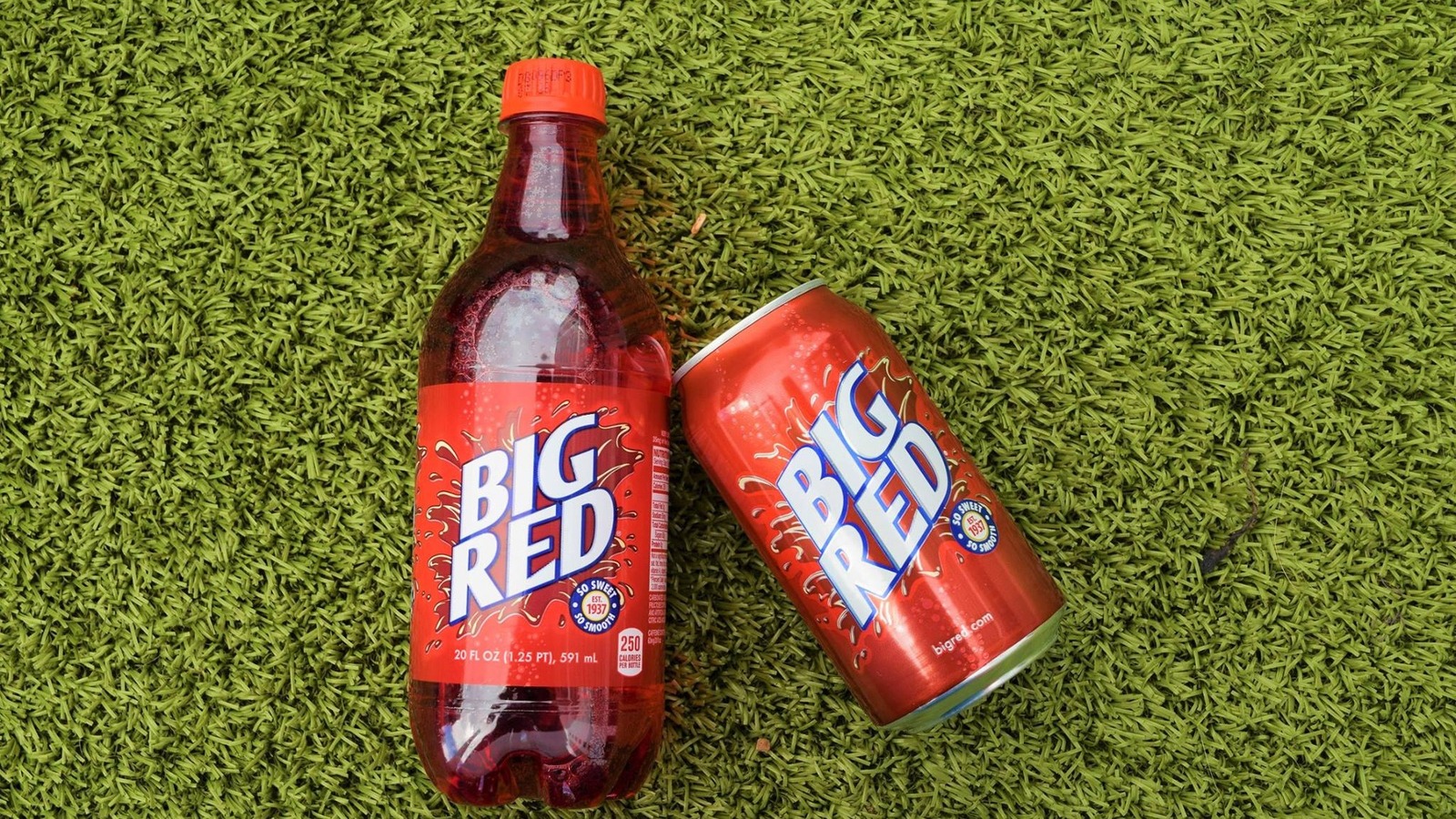
In the world of marketing, the color red is associated with excitement, passion, and appetite stimulation. Big Red leans into this psychology with aggressive abandon. The vibrant, almost neon hue of the liquid is the brand’s primary visual hook. When a consumer sees that specific shade of red in a clear plastic bottle, the brand promise is immediately communicated before a single sip is taken. The visual “taste” of the product—bold, energetic, and sweet—is perfectly mirrored in its packaging and color palette.
Competitive Strategy in the Beverage Industry
In the modern era, Big Red has navigated the complexities of global distribution and corporate partnerships with tactical precision. It has managed to grow its footprint without losing the “scrappy underdog” energy that fuels its cult following.
Partnering with Giants: The Keurig Dr Pepper Relationship
A significant part of Big Red’s sustained success is its distribution agreement with Keurig Dr Pepper (KDP). By leveraging the massive distribution networks of a major player while remaining an independent brand, Big Red achieved the best of both worlds: boutique brand loyalty with big-box availability. This partnership allowed the “taste” of Big Red to reach new markets without the company having to build its own multi-billion dollar logistics infrastructure.
Leveraging Cult Status for Modern Growth
In the age of social media, “cult” brands have more power than ever. Big Red utilizes its unique flavor profile to drive engagement through nostalgia-based marketing and “limited edition” collaborations. By leaning into its status as a “guilty pleasure” and a unique taste experience, the brand cuts through the noise of health-conscious marketing. It doesn’t apologize for being a sugary, brightly colored soda; instead, it celebrates its identity as an authentic, original experience. This authenticity is a rare commodity in modern branding and is the primary reason the brand continues to attract younger generations who value “real” heritage over manufactured trends.

Conclusion: The Future of the Big Red Brand
What does Big Red soda taste like? To the marketing strategist, it tastes like 80 years of brand equity, regional dominance, and expert-level niche positioning. It is a reminder that in a world of endless choices, having a “love it or hate it” profile is often more profitable than being “just okay” to everyone.
The brand’s success proves that a clear identity, a deep connection to local culture, and a consistent product experience can allow a mid-sized player to thrive alongside global titans. As Big Red continues to expand its reach, its challenge will be to maintain that “small-town” feel while operating on a national stage. However, as long as it maintains its signature mystery flavor and its bold visual presence, Big Red will likely remain a staple of the American beverage landscape—a vibrant, carbonated testament to the power of a well-executed brand strategy.
aViewFromTheCave is a participant in the Amazon Services LLC Associates Program, an affiliate advertising program designed to provide a means for sites to earn advertising fees by advertising and linking to Amazon.com. Amazon, the Amazon logo, AmazonSupply, and the AmazonSupply logo are trademarks of Amazon.com, Inc. or its affiliates. As an Amazon Associate we earn affiliate commissions from qualifying purchases.