
The term “battery acid” conjures up images of corrosive, dangerous liquids. While this perception isn’t entirely inaccurate, the visual reality of battery acid is more nuanced and depends heavily on the type of battery in question. Understanding the appearance of battery acid is crucial not only for safety reasons but also for anyone involved in battery maintenance, recycling, or even just troubleshooting common electronic devices. This article will delve into the visual characteristics of battery acid across various common battery chemistries, emphasizing the technical aspects and safety implications relevant to the tech industry.
The Chemistry and Appearance of Battery Acid
Battery acid is a misnomer in many cases, as not all batteries utilize a liquid acid as their electrolyte. However, for those that do, the chemical composition dictates its appearance. The most common and historically significant type of “battery acid” is found in lead-acid batteries.
Lead-Acid Batteries: The Classic “Battery Acid”
Lead-acid batteries, ubiquitous in vehicles, uninterruptible power supplies (UPS), and some renewable energy storage systems, use sulfuric acid (H₂SO₄) as their electrolyte.
Sulfuric Acid: Composition and State
In a lead-acid battery, sulfuric acid is diluted in water. The concentration of sulfuric acid can vary, but a fully charged battery typically has an electrolyte with a specific gravity of around 1.265 to 1.280 at 77°F (25°C). This concentration is critical for battery performance.
- Color: Pure, diluted sulfuric acid is a colorless, odorless, and oily liquid. It is hygroscopic, meaning it readily absorbs moisture from the air. When contained within a lead-acid battery, it usually remains clear or slightly yellowish, especially if the battery is clean and well-maintained. However, impurities or degradation within the battery can lead to a slight discoloration.
- Consistency: It possesses a slightly viscous or oily consistency, thicker than water but not as thick as motor oil. This viscosity is a direct result of the dissolved sulfuric acid molecules.
- Behavior: Sulfuric acid is highly corrosive and reactive. When it comes into contact with skin, it causes severe burns. It also reacts aggressively with many metals, producing hydrogen gas, which is highly flammable. This is why ventilation is paramount when working with lead-acid batteries, especially during charging, as the electrolysis of water can produce significant amounts of hydrogen.
Signs of Leakage and Degradation
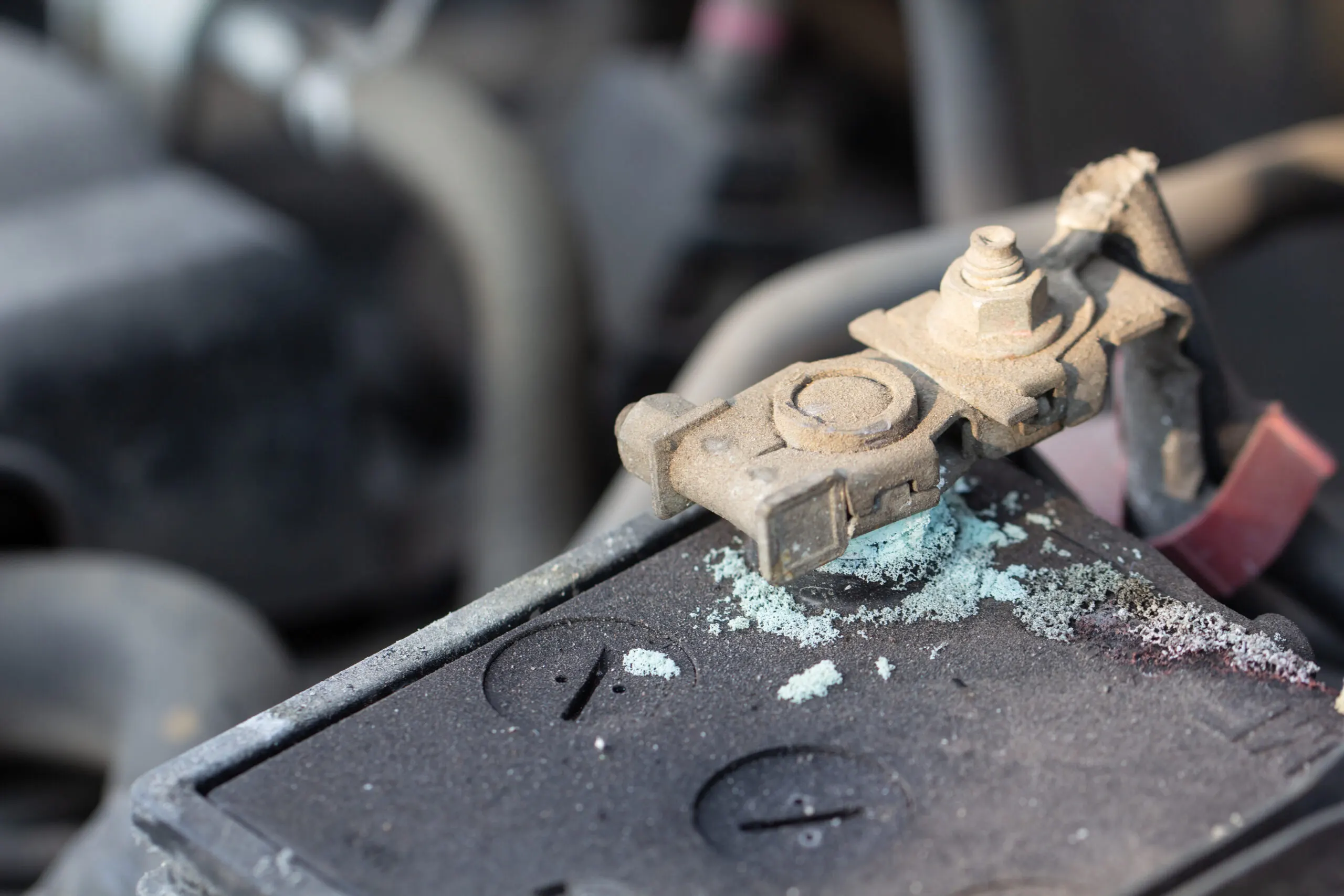
When a lead-acid battery leaks, the sulfuric acid can be observed as a clear, oily liquid seeping from cracks or seals. Over time, if exposed to air and contaminants, it can react with surrounding materials, leading to visible corrosion. This corrosion often appears as a white, powdery, or crystalline substance around battery terminals and casing. This is typically a result of lead sulfate reacting with moisture and air. In some cases, especially with older or damaged batteries, the electrolyte can become contaminated with lead particles or other byproducts of the electrochemical reactions, leading to a cloudy or even dark-colored liquid.
Other Battery Chemistries: Beyond Sulfuric Acid
While lead-acid batteries are the most commonly associated with “battery acid,” many modern electronic devices utilize batteries with different electrolyte compositions, none of which contain sulfuric acid.
Lithium-Ion Batteries: Organic Solvents and Lithium Salts
Lithium-ion (Li-ion) batteries, found in everything from smartphones and laptops to electric vehicles, use a different type of electrolyte. Instead of aqueous sulfuric acid, they employ a non-aqueous solution.
- Electrolyte Composition: The electrolyte in Li-ion batteries is typically a solution of lithium salts (such as LiPF₆, LiBF₄, or LiClO₄) dissolved in a mixture of organic solvents (like ethylene carbonate, dimethyl carbonate, or diethyl carbonate).
- Appearance: These organic solvents are usually clear and colorless liquids, similar in appearance to rubbing alcohol. The dissolved lithium salts are typically white or off-white powders. Therefore, the electrolyte in a Li-ion battery is generally a clear or slightly colored liquid. It is flammable and can be irritating if exposed to skin.
- Safety Concerns: While not as overtly corrosive as sulfuric acid, Li-ion battery electrolytes are still hazardous. They can decompose at high temperatures, releasing toxic and flammable gases. Leaks from Li-ion batteries are less common due to their sealed construction but can occur if the battery is damaged or overheated, leading to swelling, venting, or even thermal runaway. When vented, the liquid can be sticky and may have a faint, acrid odor.
Alkaline Batteries: Potassium Hydroxide
Common household alkaline batteries (like AA, AAA, C, and D cells) do not contain sulfuric acid. Their electrolyte is typically potassium hydroxide (KOH), an alkaline substance.
- Electrolyte: Potassium hydroxide is a strong base. In alkaline batteries, it is usually present in an aqueous solution, often absorbed into a separator material.
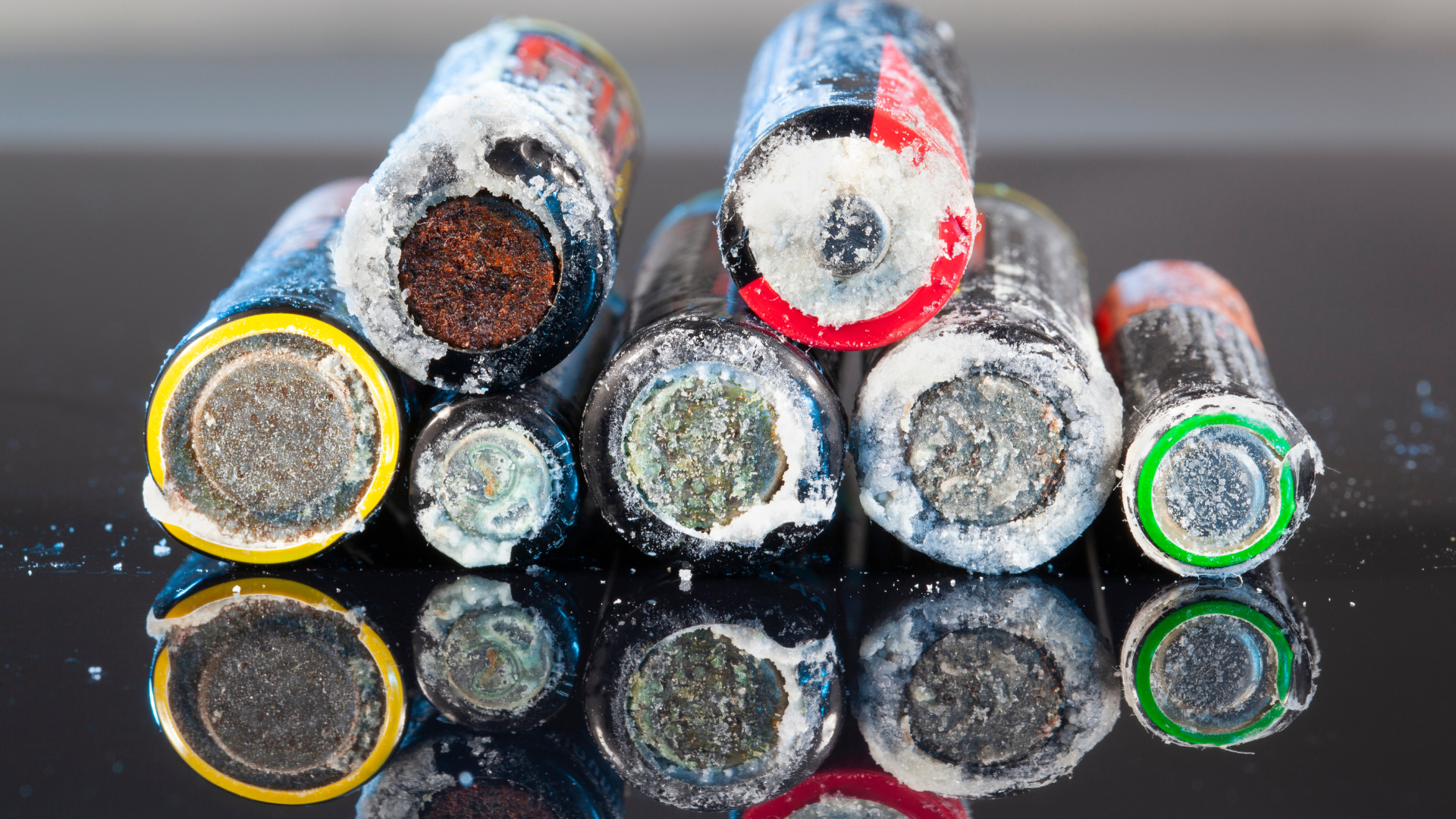
- Appearance: When an alkaline battery leaks, the visible substance is often a white or crystalline powder, which is the potassium hydroxide reacting with carbon dioxide from the air to form potassium carbonate. Sometimes, a gel-like or paste-like substance can also be seen, which is a viscous form of the potassium hydroxide electrolyte. It is caustic and can cause skin irritation and burns, though generally less severe than sulfuric acid.
- Leakage Indicators: Leaked alkaline battery material is usually whitish and powdery or pasty. It is often sticky and can corrode metal contacts.
Other Battery Technologies (Nickel-Cadmium, Nickel-Metal Hydride)
Nickel-cadmium (NiCd) and Nickel-metal hydride (NiMH) batteries, once common in portable electronics, also use alkaline electrolytes, typically potassium hydroxide. The appearance of leakage from these batteries is similar to that of alkaline batteries – a white, powdery or crystalline residue.
Visual Identification and Safety Protocols
Recognizing the visual cues of battery acid, or electrolyte leaks, is paramount for safe handling and disposal in any tech-related environment. The appearance can provide clues about the type of battery and the potential hazards involved.
Recognizing Leakage Patterns
The way battery acid leaks can provide diagnostic information about the battery’s health and the nature of the problem.
- For Lead-Acid Batteries: Leaks are often evident as a liquid seeping from the battery casing, especially around vents, terminals, or any physical cracks. The presence of a clear, oily liquid, often accompanied by white, powdery corrosion on terminals, strongly suggests a sulfuric acid leak. The casing itself might appear swollen or distorted if internal pressure has built up.
- For Lithium-Ion Batteries: Leaks are rarer in intact Li-ion batteries. If leakage occurs, it might be due to physical damage or overheating. The released electrolyte can appear as a clear to yellowish or brownish liquid, often sticky and with a strong chemical odor. The battery casing might be swollen, punctured, or exhibiting signs of thermal damage. In extreme cases, the battery may have ruptured.
- For Alkaline Batteries: Leaks typically manifest as a white, powdery or crystalline residue. This is particularly common in older batteries that have been stored for extended periods or have experienced self-discharge. The leakage can occur around the battery terminals or from small holes in the casing.
Essential Safety Precautions
The immediate and visual recognition of battery acid is the first step in implementing appropriate safety measures.
- Personal Protective Equipment (PPE): When handling batteries that show signs of leakage, especially lead-acid batteries, always wear appropriate PPE. This includes chemical-resistant gloves (e.g., nitrile or neoprene), eye protection (safety goggles or a face shield), and protective clothing to prevent skin contact.
- Ventilation: Ensure good ventilation when working with any type of battery, but this is especially critical for lead-acid batteries due to the potential for hydrogen gas production. Avoid working in enclosed spaces.
- Neutralization: In the case of sulfuric acid (lead-acid batteries), the spilled acid can be neutralized with a mild alkali, such as baking soda (sodium bicarbonate) mixed with water. This will cause a fizzing reaction. For alkaline battery leaks, a weak acid like vinegar (acetic acid) can be used for neutralization.
- Disposal: Batteries, particularly those with compromised casings or leaks, should be disposed of properly and according to local regulations. Many battery types contain hazardous materials and should not be placed in regular household waste. Tech recycling centers and hazardous waste disposal facilities are equipped to handle them safely.
Battery Maintenance and Longevity Through Understanding
The visual characteristics of battery acid are not just indicators of potential leaks but also offer insights into the operational status and overall health of a battery. Regular visual inspection can be a key component of proactive battery maintenance, preventing premature failure and ensuring optimal performance in a wide range of technological applications.
Visual Diagnostics for Battery Health
Beyond just identifying leaks, subtle visual cues can suggest underlying issues within a battery.
- Sulfation in Lead-Acid Batteries: While not strictly “acid,” the formation of lead sulfate crystals on the plates of lead-acid batteries is a critical factor in their degradation. Visually, this can manifest as an increasing cloudiness or a greyish tint to the electrolyte in a transparent casing. Over time, extensive sulfation can lead to irreversible damage, reducing the battery’s capacity and charge retention. Advanced diagnostic tools can detect sulfation electrochemically, but visual inspection can serve as an initial indicator of a battery nearing the end of its service life.
- Swelling and Deformation: A swollen or deformed battery casing is a strong visual indicator of internal problems. For Li-ion batteries, this often points to overcharging, internal short circuits, or excessive heat. For lead-acid batteries, swelling can be caused by freezing of the electrolyte (if the battery is discharged) or overcharging that leads to excessive gassing and pressure buildup. Such batteries are a significant safety hazard and should be handled with extreme caution and immediately removed from service.
- Terminal Corrosion: While some light powdery residue around terminals is common and can often be cleaned, extensive or aggressive corrosion can indicate a problem with the seal or electrolyte integrity. This corrosion is often a byproduct of the chemical reactions occurring within the battery and its interaction with the environment. If left unchecked, severe terminal corrosion can impede electrical conductivity, leading to poor performance and potential failure of the device powered by the battery.

Proactive Maintenance Strategies
Understanding what battery acid looks like and the signs of battery degradation enables users and technicians to implement proactive maintenance strategies.
- Regular Inspections: Incorporate visual inspections of batteries into routine maintenance schedules, especially for devices and systems that rely on them heavily (e.g., emergency lighting, servers, electric wheelchairs, drones, e-bikes). Look for any signs of leakage, corrosion, swelling, or discoloration.
- Environmental Control: Battery performance and longevity are significantly impacted by environmental factors. High temperatures accelerate the chemical reactions within batteries, leading to faster degradation. Conversely, extreme cold can affect performance and, in the case of discharged lead-acid batteries, can lead to the electrolyte freezing and damaging the battery. Maintaining batteries within their recommended operating temperature range is crucial.
- Proper Charging Practices: Overcharging or undercharging batteries can lead to accelerated degradation. Using the correct charger for the specific battery chemistry and ensuring that charging cycles are managed appropriately can significantly extend battery life. For lead-acid batteries, this includes ensuring the charger is functioning correctly and not over-volting the cells. For Li-ion batteries, modern charging systems are sophisticated, but faulty chargers or extreme conditions can still pose risks.
- Record Keeping: Maintaining records of battery age, usage, and inspection findings can help in predicting the remaining lifespan of batteries and scheduling timely replacements, thus preventing unexpected failures.
By demystifying the appearance of “battery acid” across different chemistries and understanding the visual diagnostics of battery health, individuals and organizations within the tech sector can improve safety, extend equipment life, and optimize the performance of their battery-powered devices. This knowledge is an integral part of responsible battery management in an increasingly electrified world.
aViewFromTheCave is a participant in the Amazon Services LLC Associates Program, an affiliate advertising program designed to provide a means for sites to earn advertising fees by advertising and linking to Amazon.com. Amazon, the Amazon logo, AmazonSupply, and the AmazonSupply logo are trademarks of Amazon.com, Inc. or its affiliates. As an Amazon Associate we earn affiliate commissions from qualifying purchases.