
In the landscape of modern personal finance, every recurring subscription—from streaming services to gym memberships—undergoes rigorous scrutiny. However, few memberships spark as much debate or command as much loyalty as the Costco wholesale club. For millions of households, the Costco card is more than a piece of plastic; it is a strategic tool for managing a household budget. With the recent adjustments to their fee structure in 2024, the question “how much is a Costco membership?” is no longer just about the sticker price, but about the calculated Return on Investment (ROI) for the consumer.
Deciding whether to pay an upfront fee to “earn” the right to shop requires a deep dive into consumer behavior, bulk-pricing math, and the ancillary benefits that extend far beyond the warehouse floor. This article analyzes the financial implications of a Costco membership, breaking down the costs, the potential for savings, and the strategic maneuvers necessary to ensure your membership pays for itself.
Understanding the Tiered Membership Structure
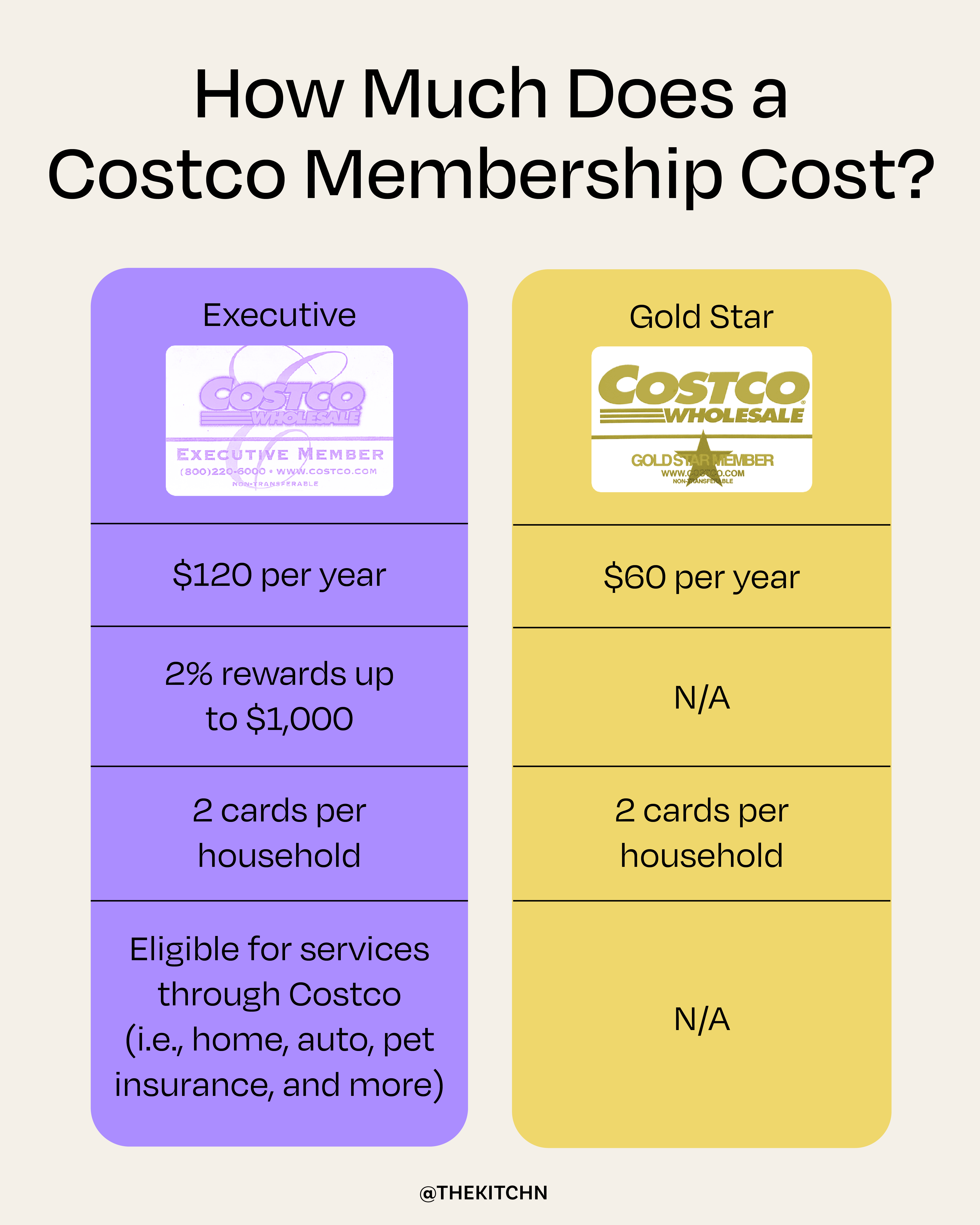
The primary cost of a Costco membership is determined by which “tier” you choose. As of the most recent price adjustment, Costco offers two primary levels for individuals and a specialized tier for business owners. To make an informed financial decision, one must understand what each price point buys in terms of access and perks.
Gold Star Membership: The Entry-Point
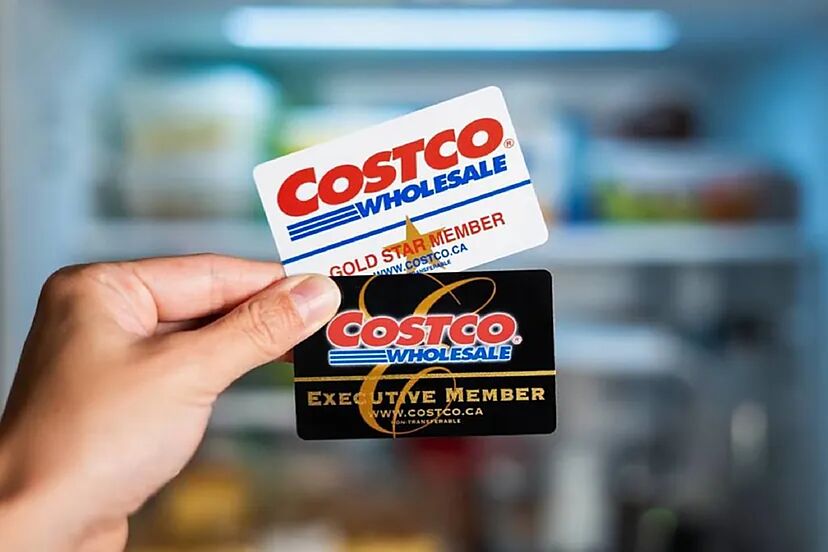
The Gold Star Membership is the standard individual plan, currently priced at $65 per year. This is the most common entry point for single-person households or small families. It provides one primary membership card and one free “household” card for anyone living at the same address. Financially, this tier is the simplest to analyze: to justify the $65 expense, a member must save at least $5.42 per month compared to shopping at a traditional grocery store or online retailer. For most shoppers, a single trip for high-volume items like paper products, coffee, or rotisserie chickens often covers this monthly “break-even” requirement.
Executive Membership: The 2% Reward Strategy
The Executive Membership is the premium tier, priced at $130 per year (representing the $65 base fee plus a $65 upgrade fee). The defining feature of this tier is the 2% annual reward on qualified Costco purchases. From a personal finance perspective, this is where “the math” becomes critical.
To break even on the upgrade cost alone ($65), a member needs to spend $3,250 annually at Costco (roughly $271 per month). To break even on the entire $130 membership fee through rewards alone, one would need to spend $6,500 annually (about $542 per month). For larger families or those who utilize Costco for big-ticket items like appliances and electronics, the Executive Membership often results in Costco effectively paying the member to shop there.
Business Membership: Scaling for Small Enterprises
Mirroring the price points of the Gold Star and Executive tiers, the Business Membership ($65 or $130) is designed for business owners who need to purchase products for business, resale, or commercial use. The financial advantage here lies in the ability to add additional “add-on” members for a discounted rate and the tax-deductibility of the membership fee as a legitimate business expense. For entrepreneurs, this membership functions as a procurement tool that lowers the “cost of goods sold” (COGS), directly impacting the bottom line.
Calculating Your Return on Investment (ROI)
The true cost of a Costco membership isn’t just the $65 or $130 annual fee; it is the opportunity cost and the potential for “leakage” in your budget. To determine if the membership is a sound money move, you must look at the unit price of your most frequent purchases.
The Break-Even Point Analysis
Personal finance experts often suggest a “top ten” audit. List the ten items you buy most frequently—milk, eggs, toilet paper, laundry detergent, etc. Compare the price per unit (per ounce, per sheet, or per pound) at Costco versus your local supermarket. Because Costco operates on a capped markup model (rarely exceeding 14–15%, compared to 25–50% at traditional retailers), the savings per unit are often substantial. If those savings exceed $65 over twelve months, the membership is a mathematical success.
Bulk Buying vs. Household Waste
A significant risk to the ROI of a Costco membership is the “bulk waste trap.” Buying five pounds of spinach at a lower per-ounce price is only a financial win if you consume all five pounds. If half of a bulk purchase ends up in the trash, the “savings” are negated. Successful money management at Costco requires a realistic assessment of your household’s consumption rate and storage capacity. For non-perishables and household essentials, the ROI is almost always positive; for perishables, it requires disciplined meal planning.
Comparative Pricing: Costco vs. Traditional Supermarkets
While traditional supermarkets often use “loss leaders” (deeply discounted items to get you in the door) while marking up everything else, Costco’s value proposition is consistency. Financial studies have shown that while a savvy couponer might occasionally beat Costco’s price on a specific item at a grocery store, the “average” basket of goods at Costco is consistently 20–30% cheaper. For the busy professional, the time saved by not chasing coupons and sales is an additional, albeit intangible, financial benefit.
Beyond the Warehouse: High-Value Ancillary Services
Many consumers focus solely on the grocery aisles, but the real “money” in a Costco membership often resides in its peripheral services. These high-value departments can pay for the annual membership fee many times over with a single transaction.
Costco Gasoline and Automotive Savings
For many members, the savings at the pump alone justify the membership. Costco Gasoline is consistently priced lower than surrounding stations—often by 10 to 30 cents per gallon. For a driver who fills up a 15-gallon tank once a week, a 20-cent savings per gallon equates to $156 in annual savings. This single benefit covers the cost of even an Executive Membership. Furthermore, the Costco Tire Center offers competitive pricing on premium brands like Michelin and Bridgestone, often including lifetime rotation and balancing, which represents a significant long-term maintenance saving.
Financial Services and Insurance Products
Costco leverages its massive member base to negotiate lower rates for financial products. Through “Costco Services,” members can access discounted home and auto insurance, identity protection, and even mortgage purchase or refinancing services. For example, members often report saving hundreds of dollars annually on auto insurance premiums by switching to Costco’s partnered providers. In the realm of personal finance, reducing these large fixed costs is more impactful than saving a few dollars on cereal.
The Travel and Pharmacy Advantage
Costco Travel is a “hidden gem” for budget-conscious vacationers. By bundling flights, hotels, and car rentals, Costco often provides value-added perks like resort credits or included breakfasts that are not available on public travel sites. Additionally, the Costco Pharmacy—which is open to the public in many states but offers additional discounts to members through the Costco Member Prescription Program (CMPP)—can significantly lower out-of-pocket costs for those without comprehensive drug coverage.
Strategic Shopping: Maximizing Your Membership for Personal Finance
To truly excel at the “Costco game,” one must adopt a strategic mindset. It is not just about what you buy, but how you buy it and how you avoid the common pitfalls of warehouse shopping.
Leveraging Kirkland Signature for Budget Optimization
The Kirkland Signature brand is a cornerstone of Costco’s financial appeal. Most Kirkland products are manufactured by leading national brands (often rumored to include names like Starbucks, Duracell, and Grey Goose) but sold at a 20–40% discount. In personal finance terms, switching to high-quality private labels is one of the easiest ways to reduce “lifestyle inflation” without sacrificing quality of life.
Avoiding the “Impulse Buy” Trap
Costco’s warehouse layout is designed for discovery, often leading to the “Costco $300 Trip,” where a member enters for milk and leaves with a new kayak and a 12-pack of wool socks. From a budgeting perspective, this is the primary “cost” of the membership. To protect your finances, it is essential to shop with a strict list and a pre-allocated budget. Recognizing that Costco’s “Treasury Hunt” items (seasonal or limited-time goods) are designed to trigger FOMO (fear of missing out) is the first step in maintaining financial discipline.
Seasonal Cycles and Big-Ticket Electronics
Costco is a formidable player in the electronics and appliance market. Beyond the competitive pricing, they often provide an “extended warranty” (Costco Concierge Services) and a 90-day return policy, which provides significant financial protection on large investments like OLED TVs or laptops. Timing your big-ticket purchases with Costco’s monthly “Member-Only Savings” booklets can lead to hundreds of dollars in additional discounts.

Conclusion: Making the Final Decision
So, how much is a Costco membership? The answer is $65 or $130, but the value is entirely dependent on your financial habits. If you have a large household, drive a gas-powered vehicle, and can exercise the discipline to avoid impulse purchases, the membership is arguably one of the most productive investments you can make in your personal finance journey.
For the single apartment-dweller who eats out frequently, the math might not always add up. However, when you factor in the 2% rewards of the Executive tier, the massive savings on gasoline, and the high quality of the Kirkland Signature brand, the “Costco Effect” remains a powerful ally in the fight against inflation. By treating your membership as a strategic financial tool rather than a mere shopping pass, you can turn an annual fee into a year-long source of significant savings.
aViewFromTheCave is a participant in the Amazon Services LLC Associates Program, an affiliate advertising program designed to provide a means for sites to earn advertising fees by advertising and linking to Amazon.com. Amazon, the Amazon logo, AmazonSupply, and the AmazonSupply logo are trademarks of Amazon.com, Inc. or its affiliates. As an Amazon Associate we earn affiliate commissions from qualifying purchases.