
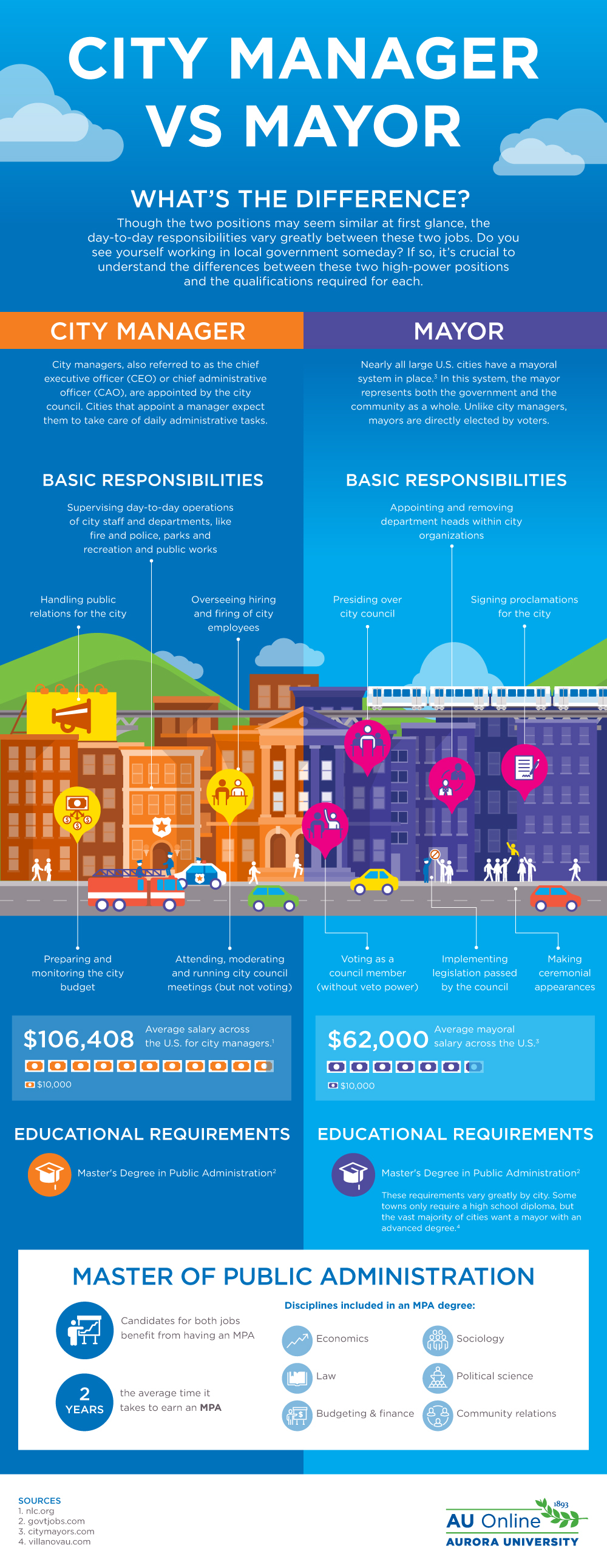
When we think of a city, we often envision the skyline, the public parks, or the hustle and bustle of transit. However, behind every functioning municipality is a sophisticated financial engine that requires expert navigation. While the Mayor often serves as the political face of a city, the City Manager acts as the Chief Executive Officer (CEO) and Chief Financial Officer (CFO) rolled into one. In the realm of business finance and public administration, the City Manager is the primary steward of a multi-million—or even multi-billion—dollar corporation.

Understanding what a city manager does through the lens of finance reveals a role centered on fiscal sustainability, strategic investment, and the meticulous management of public capital. They are the individual responsible for balancing the books, forecasting economic shifts, and ensuring that every tax dollar is converted into a tangible return on investment for the community.
The Chief Financial Architect: Mastering the Municipal Budget
At its core, the most critical function of a city manager is the development and oversight of the annual budget. This is not merely an administrative task; it is a complex financial puzzle that requires balancing the immediate needs of the community against long-term fiscal health.
Overseeing the Multi-Million Dollar General Fund
The General Fund is the lifeblood of any municipality, covering everything from public safety to administrative salaries. A city manager must approach this fund with the same rigor a corporate treasurer applies to a company’s operating budget. They must analyze historical spending patterns, project future tax revenues (including property, sales, and utility taxes), and make difficult decisions about resource allocation. When revenue falls short—perhaps due to a localized economic downturn—the city manager is the one who must implement austerity measures or identify alternative funding sources to prevent a deficit.
Capital Improvement Programs (CIP) and Long-Term Investing
Beyond daily operations, a city manager oversees the Capital Improvement Program (CIP). This is the city’s investment portfolio in physical assets. Whether it is a $50 million bridge replacement or the construction of a new wastewater treatment plant, the city manager evaluates these projects based on their long-term economic impact. They must determine the “buy vs. build” logic, assess the depreciation of existing assets, and ensure that the city’s infrastructure investment keeps pace with inflation and growth. This strategic foresight prevents “infrastructure debt,” where a city fails to maintain its assets, leading to catastrophic financial burdens in the future.
Economic Development and Revenue Growth Strategies
A city manager does not just manage existing money; they are tasked with growing the city’s economic base. In the world of municipal finance, this is equivalent to a business expanding its market share. A city that does not grow its revenue base is a city that will eventually be forced to raise taxes or cut services.
Attracting Corporate Investment and Job Creation
To ensure a healthy flow of “business income” into the city, the city manager works closely with economic development teams to attract major corporations. This involves complex financial negotiations regarding tax abatements, land-use incentives, and TIF (Tax Increment Financing) districts. By bringing in a large tech hub or a manufacturing plant, the city manager secures a steady stream of payroll and property taxes. They must perform a cost-benefit analysis on every incentive offered, ensuring that the long-term tax yield outweighs the initial subsidies granted to the corporation.
Maximizing Tax Bases and Diversifying Revenue Streams
Relying on a single source of income is a recipe for financial disaster. A seasoned city manager looks for ways to diversify the municipal revenue stream. This might include implementing “user fees” for specific services, leveraging state and federal grants, or developing public-private partnerships (P3s) to fund public works. By diversifying income, the city manager protects the municipality from volatility in the real estate market or shifts in consumer spending habits. Their goal is to create a resilient financial ecosystem that can withstand a recession without compromising essential public services.
Risk Management, Debt, and Fiscal Sustainability
Managing a city involves significant financial risk. From fluctuations in interest rates to the liabilities associated with pension funds, the city manager must act as a risk manager to protect the city’s creditworthiness and financial future.
Managing Municipal Bonds and Credit Ratings
When a city needs to fund a massive project—like a new stadium or an airport expansion—it doesn’t just pull from a savings account; it issues municipal bonds. The city manager is responsible for the city’s “debt strategy.” They work with underwriters and financial advisors to determine the best time to enter the market and the most favorable interest rates.
Crucially, the city manager maintains the city’s relationship with credit rating agencies like Moody’s or Standard & Poor’s. A high credit rating (such as AAA) allows the city to borrow money at lower interest rates, saving taxpayers millions of dollars over the life of a bond. The city manager’s ability to demonstrate “fiscal discipline” directly impacts the city’s cost of capital.
Ensuring Transparency Through Financial Audits
In public finance, trust is the primary currency. The city manager oversees the production of the Comprehensive Annual Financial Report (CAFR). This document is the municipal equivalent of a public company’s 10-K filing. It provides a transparent, audited look at the city’s financial position. By maintaining rigorous internal controls and adhering to GASB (Governmental Accounting Standards Board) principles, the city manager ensures that the city is protected against fraud, waste, and mismanagement. This transparency is vital for maintaining the confidence of both the taxpayers and the institutional investors who buy the city’s debt.
The ROI of Public Service: Efficiency and Cost Control
In the private sector, success is measured by profit. In the public sector, the “profit” is the efficiency with which a city manager delivers services. Every dollar saved in operations is a dollar that can be reinvested into the community or used to lower the tax burden.
Lean Operations and Performance-Based Budgeting
Modern city managers are increasingly adopting “performance-based budgeting.” Instead of simply giving a department the same amount of money they had last year (plus inflation), the manager asks for data-driven results. What is the “cost per mile” of road paved? What is the “return on investment” for a new community wellness program in terms of reduced emergency service calls? By applying these business analytics to government, the city manager identifies inefficiencies and reallocates capital to the programs that provide the highest value to the citizenry.
Procurement Strategies and Vendor Management
A city spends millions on third-party vendors—from waste management contracts to software subscriptions. The city manager oversees the procurement process, ensuring that the city utilizes competitive bidding to get the best possible price. They negotiate large-scale contracts and monitor vendor performance to ensure the city isn’t overpaying for services. In this capacity, the city manager acts as a high-stakes purchasing agent, leveraging the city’s buying power to drive down costs and maximize the value of every public dollar spent.

Conclusion: The Fiduciary Duty of the City Manager
Ultimately, if you ask “what does a city manager do?” through a financial lens, the answer is that they serve as the ultimate fiduciary of the community. They sit at the intersection of public policy and private-sector financial rigor. They are responsible for the complex task of ensuring that a city remains solvent, competitive, and attractive to investors while maintaining the infrastructure and services that allow a community to thrive.
The role requires a deep understanding of macroeconomics, an eagle eye for accounting detail, and the strategic mind of a hedge fund manager. By balancing the budget, managing debt, and driving economic growth, the city manager ensures that the municipality is not just a place to live, but a well-oiled financial institution capable of sustaining itself for generations to come. In an era of increasing economic uncertainty, the financial expertise of a city manager is perhaps the most valuable asset a city can possess.
aViewFromTheCave is a participant in the Amazon Services LLC Associates Program, an affiliate advertising program designed to provide a means for sites to earn advertising fees by advertising and linking to Amazon.com. Amazon, the Amazon logo, AmazonSupply, and the AmazonSupply logo are trademarks of Amazon.com, Inc. or its affiliates. As an Amazon Associate we earn affiliate commissions from qualifying purchases.