
Black, the absence of light, the ultimate canvas, the statement of power, and the embodiment of sophistication. It’s a colour that holds immense significance across various human endeavors, from the subtle nuances of branding to the practicalities of digital design and even the economic implications of certain industries. While visually we perceive black as a singular entity, its creation, particularly in the realm of visual representation and technology, involves fascinating principles of colour mixing. Understanding how black is “made” can illuminate crucial aspects of how we perceive, create, and interact with the digital world, impacting everything from user interfaces to artistic expression and the very economic underpinnings of the creative industries.
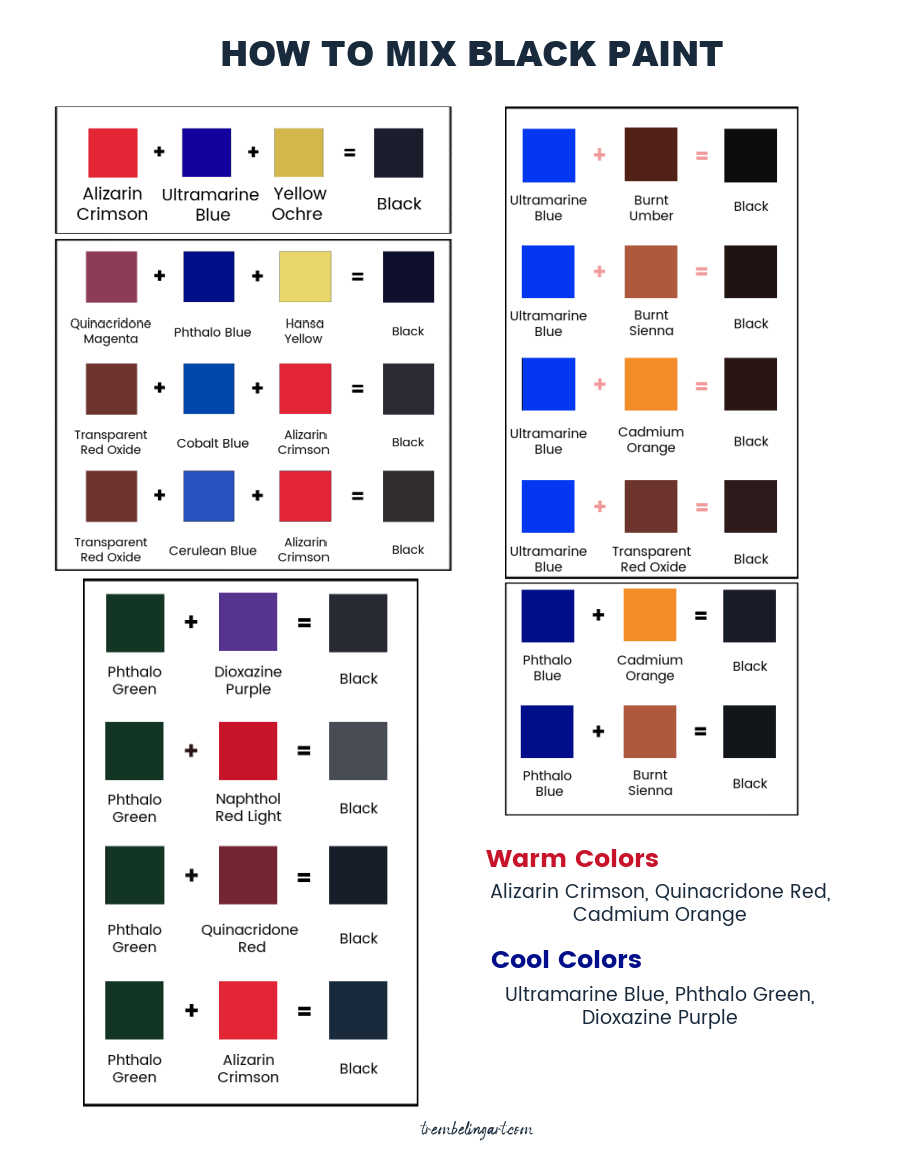
The question of “what colour mix makes black” isn’t just a simple query about pigments. In the context of technology, and particularly digital displays, it delves into the additive colour model, where light itself is manipulated. This understanding is fundamental for anyone working with screens, graphics, or any visual content that is rendered digitally. It also has direct implications for the design and development of user interfaces, the creation of marketing materials that rely on digital reproduction, and the economic considerations of producing high-fidelity visual content.
The Science of Digital Black: Additive Colour Theory
In the digital realm, black is not a colour in itself but rather the absence of emitted light. This is governed by the principles of additive colour mixing, fundamentally different from the subtractive colour mixing used in printing or painting. On a digital screen, light is emitted from millions of tiny pixels. Each pixel is typically composed of three primary light-emitting elements: red, green, and blue (RGB). By controlling the intensity of these three primary colours, a vast spectrum of colours can be produced.
Understanding the RGB Model
The RGB colour model is the cornerstone of digital displays, from your smartphone screen to high-definition televisions and computer monitors. It operates on the principle that when these three primary colours of light – red, green, and blue – are combined in varying proportions, they can create all other visible colours.
- Red: Emitting pure red light.
- Green: Emitting pure green light.
- Blue: Emitting pure blue light.
When these lights are combined, their intensities add up. For instance, mixing red and green light at equal intensities produces yellow. Mixing red and blue produces magenta, and mixing green and blue produces cyan. These are known as the secondary colours in the additive model.
The Synthesis of Black in Digital Displays
So, how does this lead to black? In the RGB model, black is achieved when all three primary colours of light – red, green, and blue – are turned off or emitted at their absolute lowest intensity. Imagine a pixel on your screen. If the red light source within that pixel emits zero light, the green emits zero light, and the blue emits zero light, then no light is being emitted from that pixel. The absence of emitted light is perceived by our eyes as black.
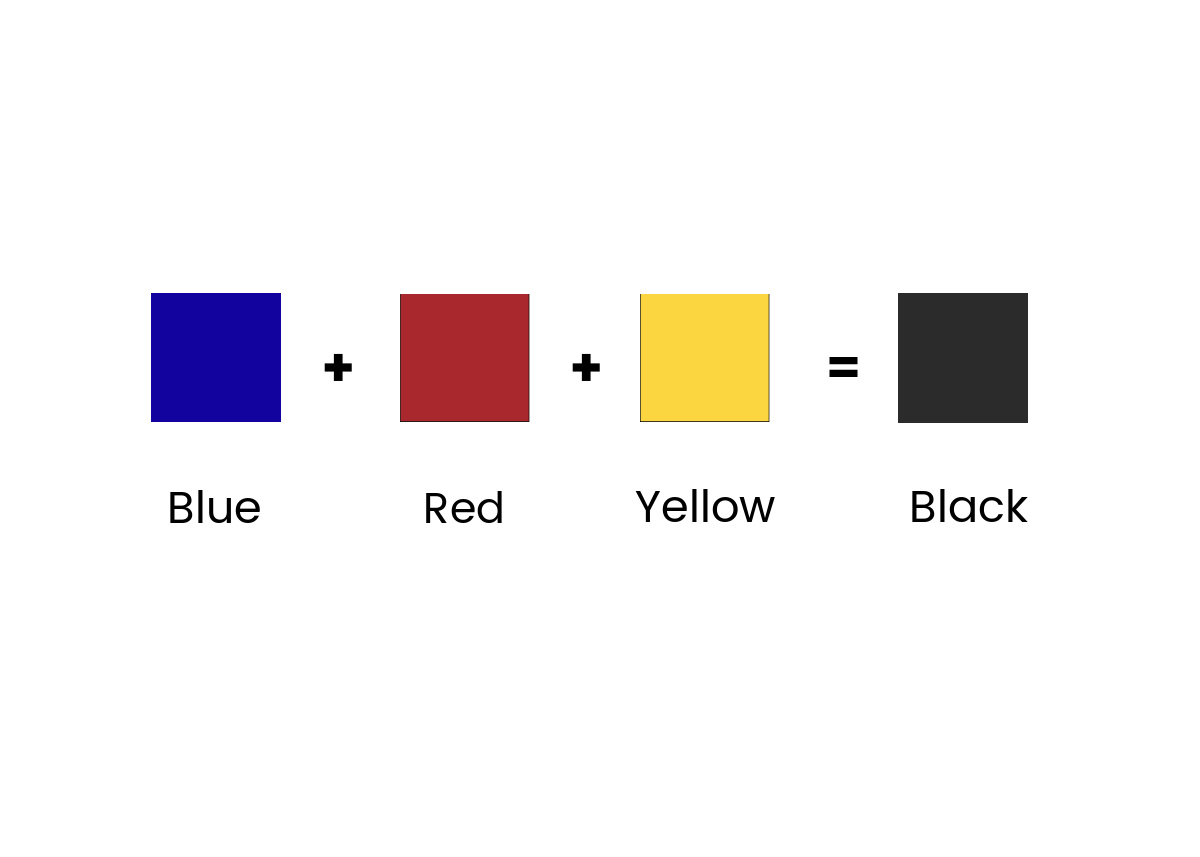
This is a crucial distinction from how black is achieved with pigments. In subtractive colour mixing (CMYK – Cyan, Magenta, Yellow, and Key/Black), black is typically made by mixing cyan, magenta, and yellow pigments. The pigments absorb certain wavelengths of light and reflect others. When all three are mixed, they absorb nearly all wavelengths of visible light, resulting in the appearance of black. However, on a digital screen, we are dealing with light emission, not light absorption. Therefore, to achieve black, we simply remove the light source.
The digital representation of this is often expressed using hexadecimal codes or RGB values. For pure black, the RGB values would be (0, 0, 0), meaning zero intensity for red, zero for green, and zero for blue. In hexadecimal notation, this is represented as #000000. This fundamental understanding of digital black is critical for designers, developers, and anyone involved in the creation or dissemination of visual content in the digital sphere.
Implications for Digital Design and User Experience
The way black is produced on a screen has profound implications for digital design. It influences everything from the aesthetic appeal of interfaces to the readability of text and the overall user experience. Designers must understand the nuances of how black is rendered to make informed decisions that impact both the visual presentation and the functional usability of their creations.
Achieving True Black vs. Near Black
While (0, 0, 0) or #000000 represents true black on a display, achieving this absolute absence of light can be technically challenging. Factors like screen calibration, ambient lighting, and the inherent capabilities of the display technology itself can affect how dark black truly appears. Some displays might struggle to emit absolutely zero light when commanded, leading to a very dark grey rather than a pure black. This is particularly noticeable in high-contrast scenarios.
- Contrast Ratio: This is a key metric for display quality, representing the ratio between the brightest white and the darkest black a display can produce. A higher contrast ratio means deeper blacks and brighter whites, leading to a more dynamic and visually appealing image. For applications where deep blacks are critical, such as watching movies or viewing images with significant shadow detail, displays with high contrast ratios are preferred.
- OLED vs. LCD: Different display technologies handle black differently. OLED (Organic Light-Emitting Diode) displays are known for their ability to achieve true black because each pixel can be individually turned off. This means there is no backlight bleeding through, a common issue with LCD (Liquid Crystal Display) technology. With LCDs, even when a pixel is commanded to be black, a backlight still emits light, which can bleed around the edges of dark areas, resulting in a less pure black.
Designing with Black: Aesthetics and Accessibility
The intentional use of black in digital design goes beyond mere aesthetics; it’s a strategic choice that impacts how users interact with an interface.
- Readability and Contrast: Black text on a white or light background is a classic and highly readable combination. The high contrast ensures that characters are clearly defined, reducing eye strain and improving comprehension, especially for long passages of text. Conversely, white text on a black background can also be effective, but careful consideration of font weight, size, and letter spacing is necessary to maintain readability. Some users, particularly those with certain visual impairments like astigmatism, may find light text on a dark background more comfortable.
- Visual Hierarchy and Focus: Black can be used to create a strong visual hierarchy, drawing the user’s eye to specific elements or creating a sense of depth. It can be used as a background to make other colours pop, or as an accent to highlight important information or calls to action. The inherent “heaviness” of black can also be used to convey a sense of authority, elegance, or seriousness, depending on the overall design.
- Dark Mode: The increasing popularity of “dark mode” in operating systems and applications is a testament to the impact of colour choices. Dark mode uses black or dark grey backgrounds with lighter text. This design choice is often motivated by several factors: reduced eye strain in low-light conditions, power savings on OLED displays (as fewer pixels are actively emitting light), and a modern, sophisticated aesthetic. The implementation of dark mode requires careful consideration of how all interface elements, including icons, buttons, and images, adapt to a darker palette.
Economic Considerations in the Colour Industry
While the technical aspects of creating black on a screen are fascinating, the economic implications of colour are equally significant, particularly in industries that rely heavily on visual output. The production, reproduction, and marketing of colour are substantial economic drivers.
The Value of Black in Branding and Marketing
Black is a powerful branding tool. It often conveys luxury, sophistication, exclusivity, and authority. Brands that utilize black in their logos, packaging, and marketing materials often position themselves at the higher end of the market. Think of fashion brands, high-end electronics, or premium automotive manufacturers. The perceived value associated with black can directly translate into higher price points and stronger brand loyalty.
- Brand Identity: A well-defined brand identity often includes a specific colour palette. Black, being a versatile and impactful colour, plays a crucial role in many such palettes. It can serve as a primary brand colour, a secondary accent, or a background element. The consistent application of black in a brand’s visual language reinforces its identity and message across all touchpoints.
- Marketing Campaigns: In advertising and marketing, black is frequently employed to evoke specific emotions or associations. It can be used to create a sense of drama, mystery, or elegance. The economic impact here lies in the effectiveness of marketing campaigns. A well-designed campaign that leverages the power of black can lead to increased engagement, higher conversion rates, and ultimately, greater revenue.
- Cost of Production: While creating black on a digital screen is computationally simple (turning off light), the cost of producing high-quality displays that can render deep, true blacks can be significant. Similarly, in industries reliant on physical colour reproduction, such as printing or textiles, achieving consistent and accurate blacks can involve specialized inks, dyes, and printing processes, all of which carry economic costs.

The Market for Colour Technology and Expertise
The demand for accurate and vibrant colour reproduction fuels a significant global market for colour technology. This includes everything from sophisticated colour measurement tools and calibration devices to high-end monitors, printers, and software.
- Display Manufacturing: The economic output of companies that manufacture displays capable of rendering a wide gamut of colours, including deep blacks, is substantial. Innovations in OLED, microLED, and advanced LCD technologies are driven by the consumer and professional demand for superior visual experiences. The R&D, manufacturing, and sales associated with these technologies represent a multi-billion dollar industry.
- Software and Services: The software used for graphic design, video editing, and digital content creation relies heavily on accurate colour representation. Companies developing and selling these tools generate significant revenue. Furthermore, specialized services like colour grading for films and television, colour management consulting, and digital asset management all contribute to the economic ecosystem surrounding colour.
- The “Black Market” for Colour Accuracy: In some professional fields, achieving absolute colour accuracy is paramount, and this comes at a premium. For photographers, filmmakers, and graphic designers who need their on-screen colours to perfectly match the final printed output or the colours seen by their target audience, investing in high-end, colour-calibrated monitors and professional colour management services is a necessary business expense. This niche market, while smaller, represents a significant economic value due to the critical nature of colour fidelity.
In conclusion, the seemingly simple question, “what colour mix makes black?” opens a portal into complex technical, design, and economic considerations. Whether we are discussing the absence of light on a digital screen, the strategic use of black in brand identity, or the economic forces driving the colour technology industry, understanding how black is created and utilized provides valuable insights into our technologically driven world. The ability to master and deploy this foundational colour remains a key skill and a significant economic factor across a multitude of creative and technological domains.
aViewFromTheCave is a participant in the Amazon Services LLC Associates Program, an affiliate advertising program designed to provide a means for sites to earn advertising fees by advertising and linking to Amazon.com. Amazon, the Amazon logo, AmazonSupply, and the AmazonSupply logo are trademarks of Amazon.com, Inc. or its affiliates. As an Amazon Associate we earn affiliate commissions from qualifying purchases.