
The humble passenger tire, a component so ubiquitous that it’s often taken for granted, plays a surprisingly critical role in the performance, safety, and efficiency of nearly every vehicle on the road. Far from being mere rubber rings, these essential pieces of engineering are sophisticated products designed to meet a diverse array of demands. Understanding the nuances of passenger tires goes beyond simply knowing they get you from point A to point B; it involves appreciating their intricate design, the technology embedded within them, and how they contribute to the overall driving experience. This exploration aims to demystify the passenger tire, delving into its fundamental purpose, the diverse types available, and the technological advancements that continue to shape their evolution.
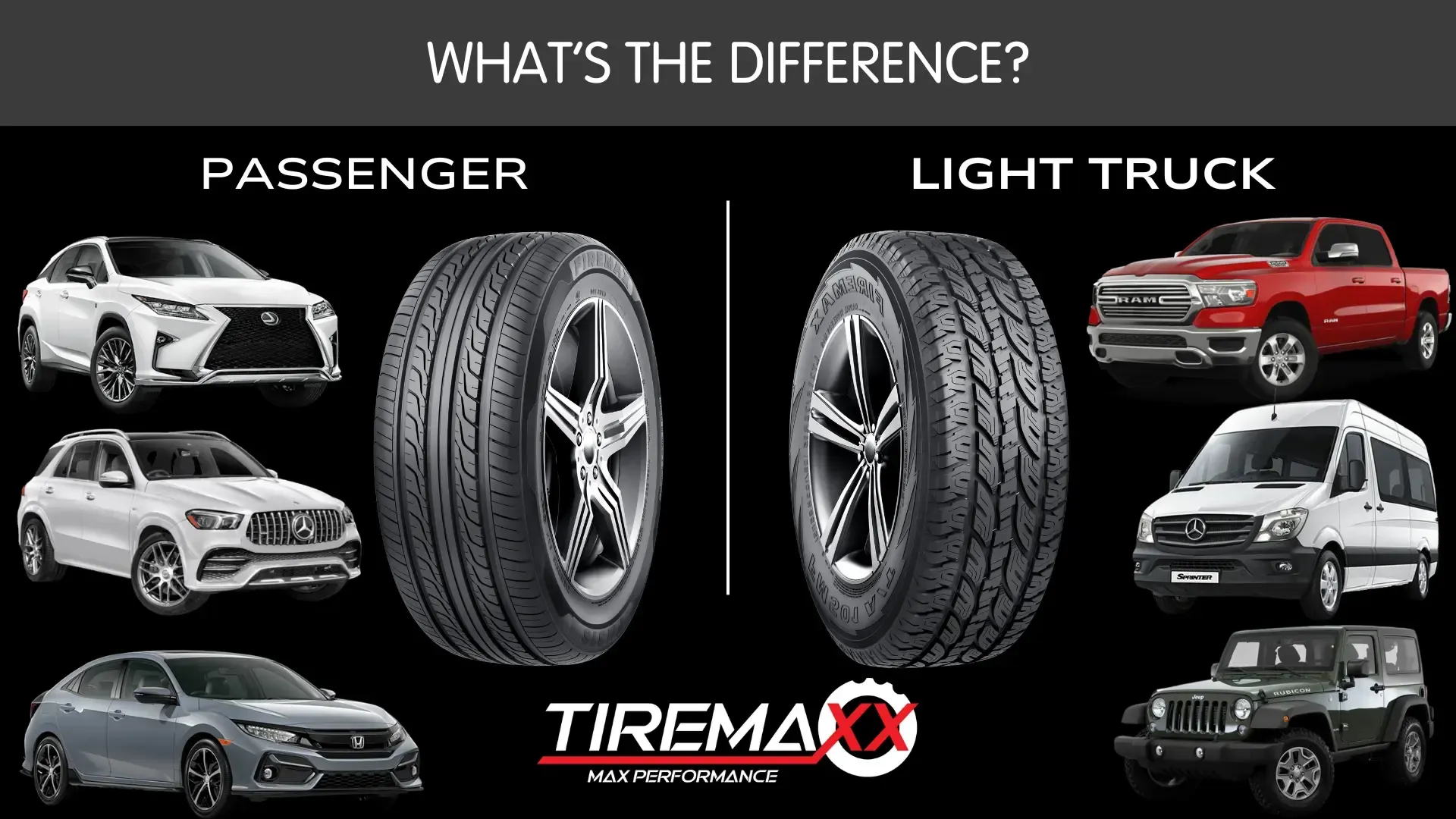
The Fundamental Role and Design Principles of Passenger Tires
At its core, a passenger tire is the sole point of contact between a vehicle and the road surface. This singular connection is responsible for a multitude of critical functions, dictating everything from a car’s ability to accelerate and brake effectively to its comfort and fuel economy. The design of a passenger tire is a masterclass in material science and engineering, balancing seemingly contradictory requirements to achieve optimal performance across various conditions.
Translating Power and Controlling Motion
The most immediate and perhaps most vital function of a passenger tire is its ability to transmit the power generated by the engine to the road surface, enabling acceleration and maintaining forward momentum. Equally important is its role in deceleration and stopping. When the brakes are applied, the friction generated between the tire’s tread and the road surface is what ultimately brings the vehicle to a halt. This requires a delicate balance of grip, or “traction,” which is the force that prevents slippage. The pattern of the tread, the rubber compound used, and the tire’s overall construction all contribute significantly to this crucial ability.
Absorbing Imperfections and Enhancing Comfort
Beyond propulsion and braking, passenger tires act as the primary suspension system for a vehicle. They absorb the impact of bumps, potholes, and uneven road surfaces, smoothing out the ride and preventing jarring sensations from reaching the vehicle’s occupants. This cushioning effect significantly enhances ride comfort and reduces fatigue for drivers and passengers alike. The air pressure within the tire, along with its sidewall construction, plays a key role in determining how effectively it absorbs these imperfections. A tire that is too stiff will transmit more road shock, while one that is too soft might compromise handling.
Maintaining Stability and Steering Precision
Precise steering and unwavering stability are paramount for safe driving. Passenger tires are designed to provide directional control, allowing the driver to navigate turns and maintain a straight path with confidence. The sidewalls of the tire contribute to this by resisting lateral forces during cornering, preventing excessive deformation that could lead to a loss of control. The tread pattern also plays a role in channeling water away from the contact patch, maintaining grip in wet conditions and preventing hydroplaning. The precise engineering of the tire’s internal structure, including the belts and plies, ensures it maintains its shape under load and during dynamic maneuvers.
The Diverse Landscape of Passenger Tire Types
While the term “passenger tire” might suggest a monolithic category, the reality is far more nuanced. Different driving conditions, vehicle types, and driver preferences necessitate a variety of specialized tire designs. Understanding these distinctions is key to selecting the right tires for optimal performance and safety.
All-Season Tires: The Versatile All-Rounder
All-season tires are designed to provide a reasonable level of performance across a wide range of temperatures and varying weather conditions, from dry heat to light snow. They are the default choice for many vehicles due to their versatility and convenience, eliminating the need for seasonal tire changes. Their tread patterns typically feature a blend of elements designed for both dry and wet grip, along with sipes (small slits) that offer some biting edges for light snow traction. However, it’s important to note that while “all-season” implies competence in most conditions, they are a compromise. They generally do not offer the same level of performance as dedicated summer or winter tires in their respective extreme conditions.
Summer Tires: Prioritizing Performance in Warm Conditions
Summer tires are engineered for optimal performance in warmer temperatures and dry or wet conditions, but they are not designed for freezing temperatures or snow. Their rubber compounds are formulated to remain firm and responsive in heat, providing excellent grip and precise handling. The tread patterns on summer tires typically feature larger tread blocks and fewer sipes, maximizing the contact patch with the road for superior dry traction and cornering stability. In wet conditions, their tread designs are optimized for efficient water evacuation to reduce the risk of hydroplaning. For drivers who prioritize sporty handling and responsiveness, especially in regions with mild winters, summer tires offer a compelling advantage.
Winter Tires: Conquering Cold and Snow
Winter tires, also known as snow tires, are specifically designed to tackle the challenges of cold weather, ice, and snow. Their unique rubber compounds remain flexible at low temperatures, ensuring consistent grip where all-season or summer tires would become stiff and lose traction. The tread patterns on winter tires are characterized by aggressive, deep grooves and numerous biting edges (sipes) that are specifically designed to dig into snow and provide traction on icy surfaces. These features create a self-cleaning effect, expelling snow and slush from the tread to maintain contact with the road. For safety and performance in snowy and icy conditions, winter tires are an indispensable component.
Performance Tires: For the Enthusiast Driver
Performance tires are a subcategory often found within summer tire classifications, though some all-season variants also exist with enhanced performance characteristics. These tires are engineered for drivers who demand the utmost in handling, responsiveness, and grip. They typically feature specialized rubber compounds that offer exceptional adhesion to the road, along with reinforced sidewalls to minimize flexing during aggressive cornering. The tread patterns are optimized for maximum dry traction and track performance. While they offer exhilarating driving dynamics, performance tires often come with trade-offs such as a firmer ride, reduced tread life, and potentially less comfort in everyday driving.
The Technology Embedded Within Passenger Tires
The evolution of passenger tires has been driven by relentless innovation in materials science, manufacturing processes, and intelligent design. Modern tires are far more than just rubber; they are intricate systems incorporating advanced technologies to enhance safety, efficiency, and driver experience.
Advanced Rubber Compounds: The Heart of Performance
The rubber compound used in tire construction is perhaps the most critical element influencing its performance characteristics. Manufacturers utilize sophisticated blends of natural and synthetic rubbers, carbon black, silica, and various chemical additives. Carbon black, a traditional ingredient, provides strength and durability. The introduction of silica, particularly in modern tire formulations, has been a game-changer. Silica improves wet grip, reduces rolling resistance (thereby enhancing fuel economy), and can also contribute to a quieter ride. The precise ratio and combination of these ingredients allow engineers to fine-tune a tire’s properties for specific applications, whether it’s maximizing grip in a sports car tire or minimizing rolling resistance in an eco-friendly tire.
Internal Structure: Belts, Plies, and Reinforcements
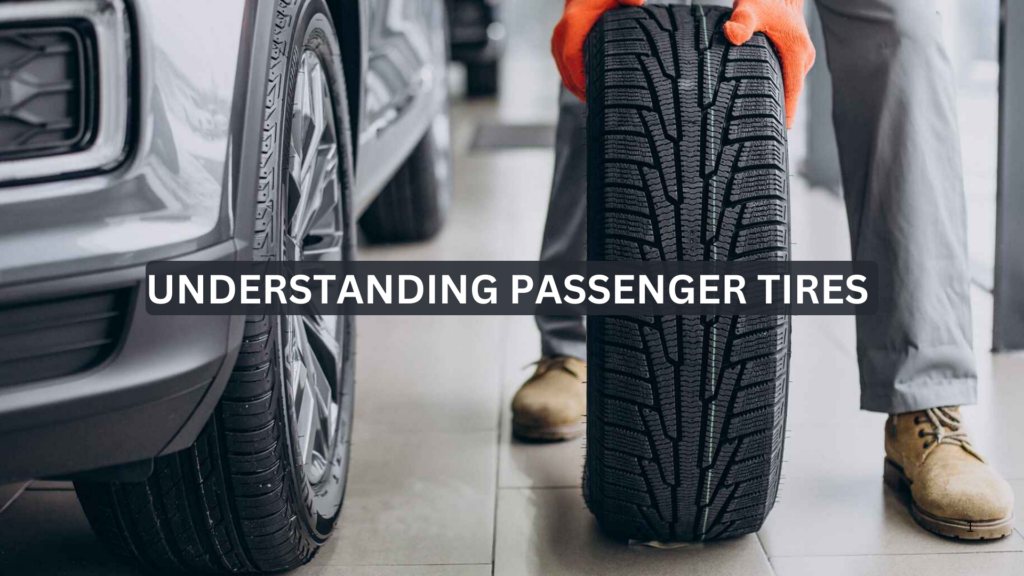
Beneath the tread lies the tire’s internal structure, a complex arrangement of rubber-coated fabrics and steel belts that provides strength, rigidity, and shape. The most common construction is radial, where plies of cord run radially from bead to bead. Over these plies, steel belts are typically laid at an angle. These belts serve multiple crucial functions: they reinforce the tread area, providing puncture resistance and stability; they improve handling by keeping the tire’s footprint consistent on the road; and they contribute to even wear. The type of materials used for plies (e.g., polyester, nylon) and the number and angle of steel belts are carefully chosen to meet the performance requirements of different tire types and vehicle applications.
Tread Design Innovations: Beyond Simple Grooves
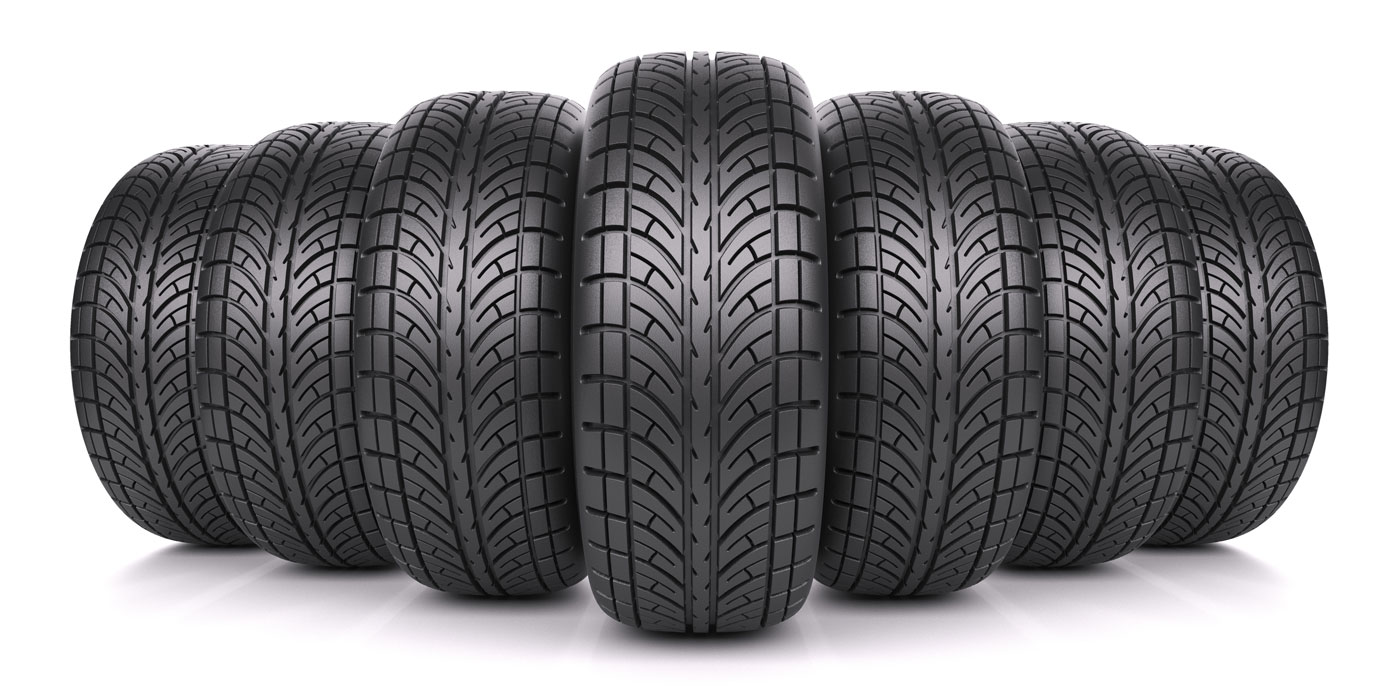
The pattern etched into the surface of a tire, the tread, is far from arbitrary. It’s a meticulously engineered design that dictates how the tire interacts with the road. Modern tread designs incorporate a complex interplay of grooves, blocks, and sipes. The main circumferential grooves are designed to channel water away from the contact patch, a crucial function for preventing hydroplaning. Lateral grooves help with braking and acceleration. Tread blocks provide the contact points with the road, and their shape and arrangement influence noise levels, handling, and wear. Sipes, the small slits within the tread blocks, are particularly important in winter tires, providing thousands of tiny biting edges for enhanced grip on snow and ice. The continuous evolution of tread design aims to optimize grip, reduce noise, improve water evacuation, and enhance overall durability.
The Lifespan and Maintenance of Passenger Tires
Even the most advanced passenger tires have a finite lifespan, influenced by a combination of usage, maintenance, and manufacturing quality. Proper care and attention can significantly extend the life of your tires, ensuring consistent performance and safety.
Understanding Tire Wear: Signs and Causes
Tires wear down over time as the tread makes contact with the road. However, premature or uneven wear can be a sign of underlying issues. Common types of tire wear include:
- Even wear: This indicates the tire is wearing down consistently across its entire tread surface, which is the ideal scenario.
- Center wear: This often occurs when tires are over-inflated, causing the center of the tread to bear the brunt of the contact.
- Edge wear (both edges): This is typically a symptom of under-inflation, where the outer edges of the tire are pushed outward and wear down more quickly.
- One-sided wear: This can indicate an issue with wheel alignment, where the wheels are not pointing straight.
- Cupping or scalloping: This irregular wear pattern, appearing as dips or bald spots, can be caused by worn suspension components like shocks or struts.
Regularly inspecting your tires for these signs of wear is crucial for identifying potential problems early.
The Importance of Tire Pressure and Rotation
Proper tire inflation is one of the simplest yet most effective ways to maintain tire health and ensure optimal performance. Under-inflated tires can lead to increased rolling resistance, reduced fuel efficiency, premature wear on the edges, and compromised handling. Over-inflated tires can cause a harsher ride, reduced traction, and accelerated wear in the center of the tread. The recommended tire pressure for your vehicle can typically be found on a sticker inside the driver’s side doorjamb or in your owner’s manual.
Tire rotation is another vital maintenance practice. Because tires experience different levels of wear due to factors like steering forces and vehicle weight distribution, rotating them periodically helps to ensure more even wear across all four tires. This not only extends the overall lifespan of your tire set but also contributes to more consistent handling and braking throughout their life. Most manufacturers recommend rotating tires every 5,000 to 7,500 miles.
Beyond the Tread: Inspecting Sidewalls and Age
While tread wear is the most obvious indicator of tire life, it’s also important to inspect the tire’s sidewalls for any signs of damage. Cracks, cuts, bulges, or punctures in the sidewall can compromise the tire’s structural integrity and pose a significant safety risk. Additionally, tires degrade over time, even if they have plenty of tread remaining. Rubber compounds can become brittle and less effective due to exposure to sunlight, heat, and oxygen. Most tire manufacturers recommend replacing tires that are older than six or ten years, regardless of tread depth, as their performance and safety characteristics may have diminished. The manufacturing date of a tire is indicated by a DOT code on the sidewall, with the last four digits representing the week and year of production.
The Future of Passenger Tire Technology
The relentless pursuit of improved safety, efficiency, and sustainability continues to drive innovation in the passenger tire industry. As vehicles evolve, so too will the tires that connect them to the road.
Enhanced Sustainability and Eco-Friendliness
The automotive industry is increasingly focused on sustainability, and tire manufacturers are at the forefront of this movement. Significant research and development are being invested in creating tires with reduced environmental impact. This includes:
- Sustainable materials: Exploring the use of renewable and recycled materials in tire construction, such as bio-based polymers derived from plants or recycled rubber from old tires.
- Low rolling resistance: Developing tire compounds and tread designs that minimize the energy lost as the tire rolls, directly translating to improved fuel efficiency and reduced CO2 emissions.
- Extended lifespan: Creating more durable tire materials and designs that resist wear, leading to fewer tire replacements and less waste.
Intelligent Tires and Connectivity
The concept of “smart tires” is gaining traction, integrating sensors and connectivity into the tire itself. These intelligent tires can monitor various parameters in real-time, including:
- Tire pressure and temperature: Providing alerts for optimal inflation levels and potential overheating.
- Load and wear: Detecting excessive load or uneven wear patterns, offering predictive maintenance insights.
- Road surface conditions: Potentially sensing and communicating information about the road surface, such as grip levels or the presence of ice.
This data can be transmitted to the vehicle’s onboard computer or directly to the driver, enabling proactive adjustments for enhanced safety and efficiency. This integration of tires into the broader vehicle ecosystem promises a future of more responsive and safer driving experiences.
Performance Beyond Grip: Noise Reduction and Ride Comfort
While grip and handling remain paramount, the focus on improving the overall driving experience is leading to advancements in tire technology that prioritize noise reduction and ride comfort. Innovative tread patterns, advanced rubber compounds, and specialized internal constructions are being employed to dampen road noise and absorb vibrations. This results in quieter cabins and a more relaxed driving environment, even on challenging surfaces. The ongoing quest for the perfect balance between performance, comfort, and efficiency will continue to shape the passenger tires of tomorrow.
aViewFromTheCave is a participant in the Amazon Services LLC Associates Program, an affiliate advertising program designed to provide a means for sites to earn advertising fees by advertising and linking to Amazon.com. Amazon, the Amazon logo, AmazonSupply, and the AmazonSupply logo are trademarks of Amazon.com, Inc. or its affiliates. As an Amazon Associate we earn affiliate commissions from qualifying purchases.