
The allure of a perfectly seasoned dish, infused with the complex notes of white wine, can be incredibly enticing. However, the question of which white wine to select for your culinary endeavors often brings with it a secondary, equally important consideration: how much will this cost me? For the home cook and the budget-conscious restaurateur alike, understanding how to choose the best white wine for cooking is not just about flavor profile; it’s about making intelligent financial decisions that enhance your meals without emptying your wallet. This guide delves into the economical aspects of wine selection for cooking, empowering you to make informed choices that deliver delicious results and smart savings.

The Economics of Culinary Wine: Understanding Value Over Price
When embarking on a culinary adventure that calls for white wine, the immediate instinct might be to reach for the cheapest bottle available. However, this can often be a false economy. Poor quality wine, even for cooking, can introduce off-flavors that detract from your dish, leading to wasted ingredients and, ultimately, a less satisfying meal. The goal isn’t to find the least expensive wine, but rather the best value wine – one that offers excellent flavor contribution at a reasonable price point.
The “Never Cook With Wine You Wouldn’t Drink” Fallacy: A Financial Perspective
The age-old adage, “Never cook with wine you wouldn’t drink,” holds a kernel of truth, but it needs to be re-examined through a pragmatic financial lens. While it’s true that extremely poor-quality wine can taint your food, the converse isn’t necessarily true either: you don’t need to use your finest Grand Cru to deglaze a pan. The money spent on a $100 bottle of Chardonnay is unlikely to translate into a proportionally superior flavor in your Coq au Blanc.
Financial Implication: Understanding this nuance allows you to allocate your budget more effectively. Instead of splurging on a premium bottle for cooking, you can invest in a mid-range, reliable option that delivers excellent flavor without the extravagant price tag. This frees up funds for other quality ingredients or allows for more frequent experimentation in the kitchen.
Identifying “Cooking Wines”: The Marketing Trap
Many supermarkets offer bottles specifically labeled as “cooking wine.” While these might seem like a convenient and cost-effective solution, they often come with a hidden cost: added salt and preservatives. These additions can negatively impact the final flavor of your dish and may even conflict with other seasonings.
Financial Implication: The “cooking wine” label is often a marketing ploy that preys on consumer confusion. By understanding that these additives can compromise your dish, you avoid purchasing an inferior product that may require you to compensate with other ingredients, thus negating any perceived initial savings. Opting for a regular, unadulterated table wine in the appropriate price bracket is almost always a more financially sound and culinarily superior choice.
The Importance of “Un-Oaked” for Cost-Effectiveness
When selecting white wine for cooking, particularly for sauces, reductions, and braises, un-oaked varieties often represent the most economical and versatile choice. Oak aging, while desirable for certain drinking wines, adds complexity and cost. For cooking applications, the simpler, fruit-forward character of un-oaked wines tends to integrate more seamlessly into dishes without introducing unwanted tannins or heavy oak notes that can clash with other flavors.
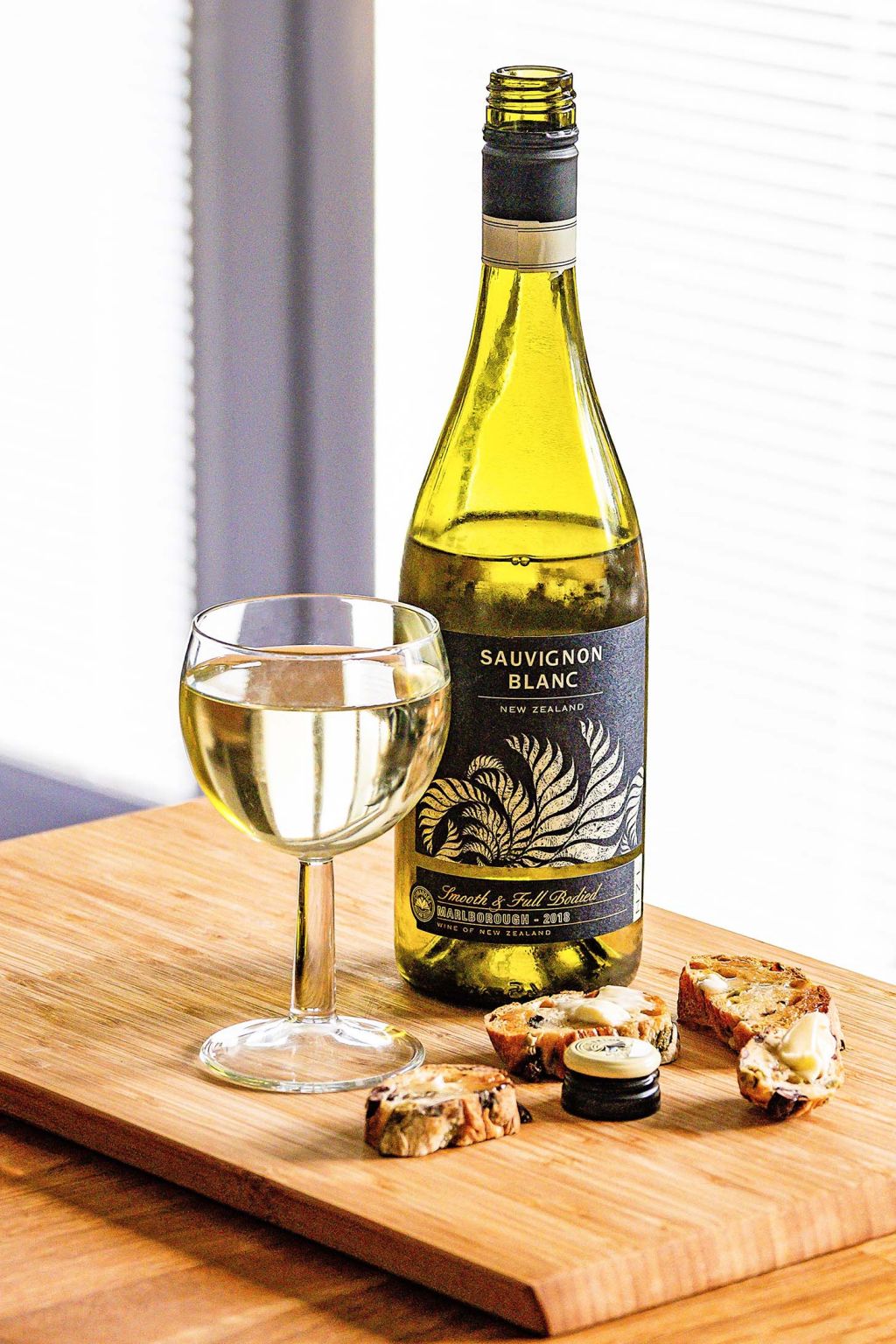
Financial Implication: Un-oaked wines are generally less expensive than their oaked counterparts. Varieties like Pinot Grigio, Sauvignon Blanc (unoaked styles), and many dry Rieslings fall into this category. By prioritizing un-oaked options, you are inherently selecting wines that offer a better price-to-flavor ratio for cooking purposes. This allows you to achieve a bright, clean acidity and fruitiness that enhances your food without a significant financial outlay.
Strategic Sourcing: Where to Find Value in Wine for Cooking
The art of economical wine selection for cooking extends beyond just knowing what to buy, but also where to buy it. Strategic sourcing can significantly impact your overall food budget.
Exploring Local Wine Shops and Their Knowledgeable Staff
While large liquor stores offer volume and often lower prices, don’t underestimate the value of your local independent wine shop. The staff are typically passionate and knowledgeable, and often more than willing to guide you toward excellent, affordable options specifically for cooking.
Financial Implication: A good wine shop staff can prevent costly mistakes. They can recommend wines that offer the best bang for your buck, explaining why a particular bottle, even if slightly more expensive than the cheapest option, will yield better culinary results and therefore be more cost-effective in the long run. They can also alert you to sales and promotions on wines that are ideal for cooking.
The Power of “House Brands” and Lesser-Known Regions
Many wineries and wine retailers offer their own “house brands” or wines from lesser-known, but high-quality, wine-producing regions. These wines often provide exceptional value because they don’t carry the premium price tag associated with more famous appellations or highly marketed brands.
Financial Implication: By venturing beyond the familiar names, you can uncover hidden gems that offer the desired flavor profiles at a fraction of the cost. Look for wines from regions like the Languedoc-Roussillon in France, or certain Spanish and Italian regions known for producing excellent, affordable dry white wines. These wines are often crafted with the intention of being versatile, making them ideal candidates for cooking.
Bulk Buying and Smart Storage for Occasional Cooks
If you’re a home cook who uses wine regularly in your recipes, consider purchasing slightly larger formats or keeping a few versatile bottles on hand. However, this needs to be done strategically to avoid waste.
Financial Implication: If you frequently use white wine, buying a 1-liter bottle instead of multiple 750ml bottles can offer a slight cost saving per ounce. The key is responsible storage. Once opened, wine, especially white wine, can oxidize. Using a wine preserver stopper or transferring the remaining wine to a smaller, airtight container can extend its usability for a few days, preventing waste and ensuring you get your money’s worth. For the occasional cook, it’s often more economical to buy a single bottle as needed, focusing on smaller, screw-top bottles if available, to minimize spoilage.
Matching Wine to the Dish: Flavor Profiles and Financial Sense
The ultimate goal of using wine in cooking is to enhance the flavor of the dish. This means selecting a wine whose characteristics will complement, rather than overpower or clash with, the other ingredients. This strategic pairing also has financial benefits.
Acidity is Your Ally: Brightness Without the Burn
For most cooking applications, especially deglazing, creating sauces, and poaching, a wine with bright, crisp acidity is paramount. This acidity cuts through richness, lifts flavors, and adds a desirable tang to your food. Fortunately, wines with good acidity are often found in more affordable price ranges.
Financial Implication: Wines like unoaked Chardonnay, Pinot Grigio, Sauvignon Blanc, and dry Rieslings are excellent sources of acidity. They are generally less expensive than full-bodied, heavily oaked wines, and their bright character is exactly what is needed to elevate many savory dishes. By understanding this, you can confidently select these more budget-friendly options, knowing they will contribute positively to your meal.
The Versatility of the Unassuming: Dry Whites for All Seasons
When in doubt, opt for a dry, neutral white wine. These are the culinary workhorses that can be used in a wide array of dishes without dictating the flavor profile. Their versatility makes them an economically sound choice for any kitchen.
Financial Implication: A bottle of dry Pinot Grigio or a unoaked white blend can seamlessly find its way into everything from a simple pan sauce for chicken to a seafood risotto. This avoids the need to stock multiple specialty wines for different recipes, reducing inventory costs and preventing unused bottles from spoiling. The ability of one affordable wine to perform admirably across various culinary tasks is the epitome of financial efficiency.
When a Touch of Sweetness is Economical
While generally dry wines are preferred, there are instances where a hint of sweetness in your cooking wine can be beneficial, particularly in glazes or certain Asian-inspired dishes. However, this doesn’t mean you need to buy an expensive dessert wine.
Financial Implication: A slightly off-dry Riesling or a Moscato can provide that subtle sweetness. These wines, in their table wine iterations, are often quite affordable. The key is moderation; a small amount of residual sugar can add depth without making the dish cloying. Again, by understanding the subtle flavor contributions and their associated costs, you can make smart choices that enhance your cooking without overspending.
Conclusion: Investing Wisely in Your Culinary Success
Choosing the right white wine for cooking is a nuanced decision that goes beyond mere taste. It’s about understanding value, avoiding marketing traps, and strategically sourcing your ingredients. By focusing on un-oaked varieties, embracing lesser-known regions, and leveraging the knowledge of wine professionals, you can elevate your culinary creations without breaking the bank. The financial wisdom gained from smart wine selection for cooking translates directly into more delicious meals, reduced waste, and a more enjoyable and cost-effective cooking experience overall. Treat your cooking wine not as a mere ingredient, but as a valuable tool in your financial and gastronomic arsenal.
aViewFromTheCave is a participant in the Amazon Services LLC Associates Program, an affiliate advertising program designed to provide a means for sites to earn advertising fees by advertising and linking to Amazon.com. Amazon, the Amazon logo, AmazonSupply, and the AmazonSupply logo are trademarks of Amazon.com, Inc. or its affiliates. As an Amazon Associate we earn affiliate commissions from qualifying purchases.