
Understanding the speaker sizes in your car is a crucial step for anyone looking to upgrade their audio system, troubleshoot a faulty speaker, or simply gain a deeper appreciation for their vehicle’s soundscape. While seemingly a straightforward technical question, delving into car speaker sizes opens up a world of audio intricacies, from the practicalities of replacement to the potential for significant sonic improvements. This article aims to demystify the common speaker dimensions found in vehicles and provide you with the knowledge to navigate this aspect of automotive technology effectively.
Understanding Car Speaker Dimensions and Types
The vast landscape of automotive audio is populated by a variety of speaker sizes and types, each designed to fulfill a specific role in recreating a rich and immersive sound experience. When we talk about speaker “size,” we are primarily referring to the diameter of the speaker cone, the part that actually vibrates to produce sound. However, the physical dimensions of the speaker, including its mounting depth and overall basket size, are equally important for proper installation. Beyond size, the type of speaker also dictates its acoustic characteristics and its suitability for different locations within the car.
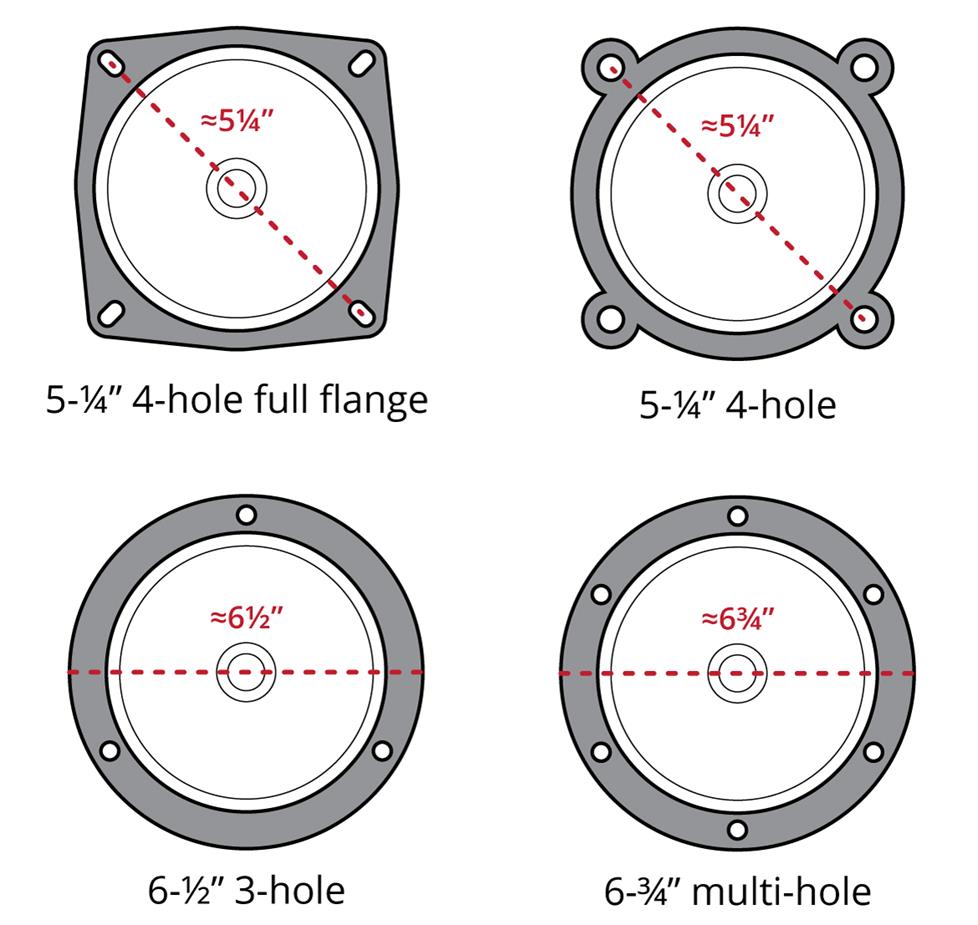
Common Speaker Sizes and Their Applications
The automotive world employs a standardized set of speaker sizes to ensure a degree of interchangeability and to accommodate the often-limited space within vehicle cabins. These sizes are typically measured in inches, though metric equivalents can also be found in some regions.
-
2.5-inch to 3.5-inch (63mm to 89mm) Speakers: These are commonly referred to as “tweeters” or “mid-tweeters” and are primarily responsible for reproducing the high-frequency sounds, such as cymbals, vocals, and delicate instrumental details. You’ll often find these small speakers integrated into dashboards, A-pillars, or even door panels. Their small size allows them to be strategically placed to direct high frequencies towards the listener’s ears, enhancing clarity and presence in the soundstage. In some factory systems, these might be combined with a mid-range driver in a coaxial setup, where they share the same mounting location.
-
4-inch to 5.25-inch (100mm to 130mm) Speakers: These are versatile speakers often used as “mid-range” drivers, responsible for reproducing the mid-frequencies – the heart of most music, including vocals, guitars, and pianos. They are frequently found in door panels, especially in the rear of vehicles, or as part of a component system in the front doors. Their size offers a good balance between bass response and mid-range clarity, making them a popular choice for a variety of audio setups.
-
6.5-inch (165mm) Speakers: This is arguably the most prevalent speaker size in the automotive industry and a true workhorse. The 6.5-inch speaker excels at reproducing both mid-range and a significant portion of the lower-mid frequencies, effectively bridging the gap between the mid-range drivers and the subwoofers. They are commonly found in the front and rear doors of most cars and are often the go-to size for aftermarket upgrades due to their wide availability and the significant sonic improvement they can offer over smaller factory speakers.
-
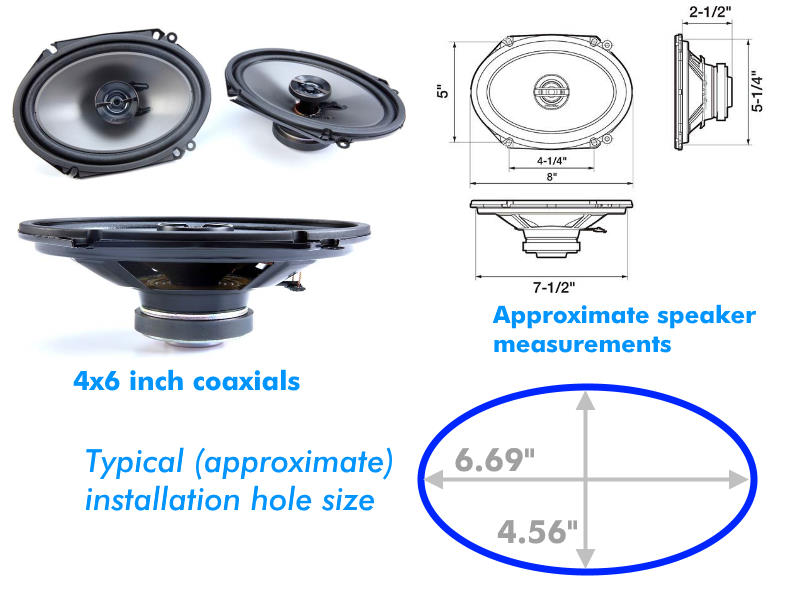
6×8-inch and 5×7-inch (152x203mm and 127x178mm) Speakers: These are “oversized” oval speakers that are commonly found in certain makes and models of vehicles, particularly Ford, Mercury, and Lincoln. They are designed to fit into rectangular speaker openings and often serve the role of a 6.5-inch speaker, handling mid-range and some lower frequencies. While they offer a larger surface area, their oval shape can sometimes introduce unique mounting challenges when attempting to fit standard round aftermarket speakers. Adapters are often required in these cases.
-
8-inch (200mm) Speakers: While less common for standard door or dash placements, 8-inch speakers are frequently used as subwoofers, responsible for the deep, resonant bass frequencies that add impact and fullness to music. Some higher-end factory systems might also utilize 8-inch speakers in dedicated locations for enhanced mid-bass reproduction.
-
10-inch, 12-inch, and 15-inch (250mm, 300mm, and 380mm) Subwoofers: These are dedicated to reproducing the lowest frequencies in the audible spectrum, often below 100Hz. They are typically found in the trunk, under a seat, or in custom-built enclosures. Their large size and specialized design are crucial for generating the powerful bass that many car audio enthusiasts crave.
Speaker Types: Coaxial vs. Component Systems
Beyond their physical dimensions, speakers are also categorized by their construction and how their drivers are arranged. Understanding these types is vital for selecting the right upgrade for your specific needs.
-
Coaxial Speakers: These are an all-in-one solution where the tweeter is mounted directly in front of, or on top of, the woofer cone. This design allows for a single speaker to handle multiple frequency ranges (typically mid-range and treble) from a single mounting location. Coaxial speakers are convenient for factory replacements as they often fit into existing openings without modification. They are generally more affordable and easier to install. However, the tweeter’s position can sometimes lead to less precise sound staging, as the high frequencies are not always directed optimally towards the listener.
-
Component Speakers: These systems separate the speaker drivers into individual units: a woofer (for mid-bass and mid-range frequencies) and a tweeter (for high frequencies). They also include a crossover network, a passive electronic circuit that divides the audio signal, sending the appropriate frequencies to each driver. This separation allows for greater flexibility in placement. The woofers can be mounted in doors, while the tweeters can be mounted higher up on the dashboard, A-pillars, or door panels, allowing for better sound imaging and a more natural, immersive listening experience. Component systems typically offer superior sound quality and are preferred by audiophiles, though they are generally more expensive and require more complex installation.
How to Determine Your Car’s Speaker Sizes
The most direct way to determine the speaker sizes in your car is through physical inspection, but this can be time-consuming and may require partial disassembly. Fortunately, there are several more convenient methods available, leveraging readily accessible information and digital tools.
Consulting Your Vehicle’s Owner’s Manual
Your car’s owner’s manual is a treasure trove of information about your vehicle, including details about its original audio system. While it might not always list exact speaker dimensions, it often provides a diagram of the speaker locations and may mention the type of system installed. In some cases, especially for higher-end audio packages, specific speaker sizes might be noted. This is always the first and easiest place to start your investigation.
Online Resources and Vehicle-Specific Databases
The automotive aftermarket industry has developed comprehensive databases that catalog speaker sizes for virtually every make and model of vehicle. These online resources are invaluable for quickly identifying what speakers are likely installed in your car.
-
Aftermarket Car Audio Retailer Websites: Major online retailers specializing in car audio equipment (e.g., Crutchfield, Sonic Electronix) have powerful search tools. You typically input your vehicle’s year, make, and model, and the website will present you with a list of compatible aftermarket speakers, inherently revealing the factory speaker sizes. These sites often provide detailed fitment guides, including measurements like mounting depth and cutout diameter.
-
Car Audio Forums and Communities: Online forums dedicated to specific car makes or general car audio discussions can be an excellent source of information. Enthusiasts often share their experiences with speaker upgrades, posting details about the factory speaker sizes they encountered and the aftermarket solutions they opted for. Searching these forums for your specific vehicle model can yield precise answers and even helpful installation tips.
-
Manufacturer Websites (Limited): While less common for specific speaker dimensions, some car manufacturers may offer general information about their audio systems on their official websites, particularly for premium sound options. This might include the brand of the audio system (e.g., Bose, Harman Kardon, Bang & Olufsen) and potentially the general type of speaker configuration used.
Visual Inspection and Measurement (If Necessary)
If you are unable to find information through the aforementioned methods, or if you suspect your vehicle might have non-standard speaker sizes (perhaps due to a previous aftermarket installation), a visual inspection may be necessary.
- Accessing the Speakers: This typically involves carefully removing door panels, speaker grilles, or dashboard trim pieces. Be cautious when performing this step, as automotive trim can be brittle and easily damaged if not handled properly. Using plastic trim removal tools is highly recommended.
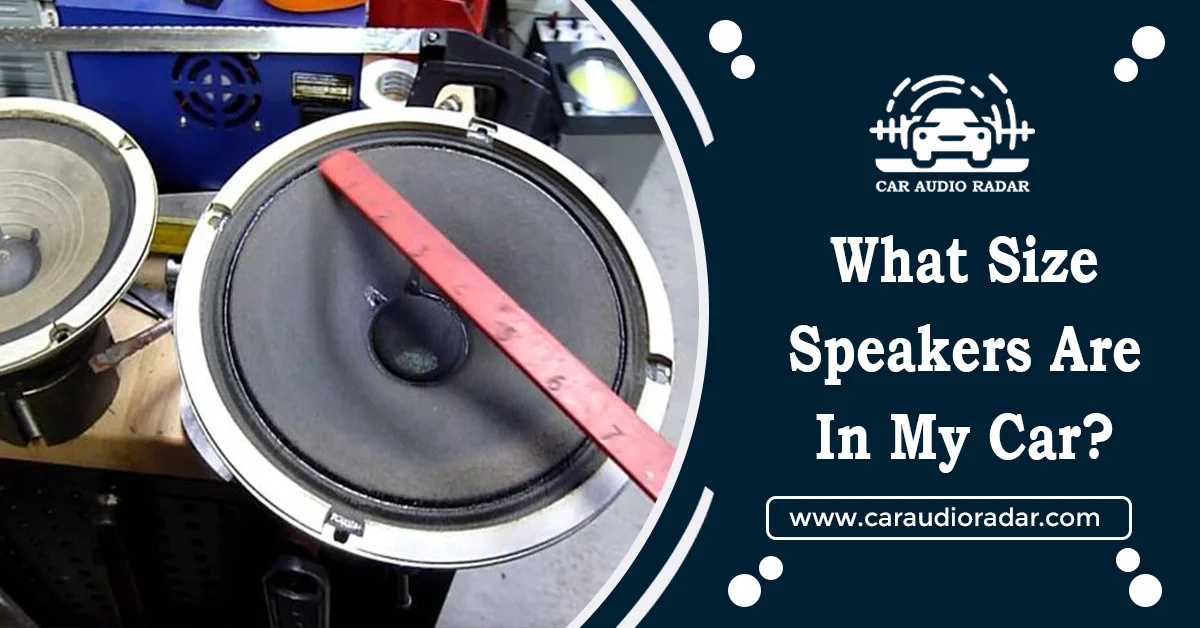
- Measuring the Speaker: Once you have accessed the speaker, you can measure its diameter. The most crucial measurement is the diameter of the speaker cone itself. You will also want to note the diameter of the speaker cutout in the mounting location and the speaker’s mounting depth (the distance from the mounting surface to the back of the speaker magnet). These measurements are critical for ensuring that any aftermarket replacement speaker will fit correctly. When measuring, be aware that the nominal size (e.g., 6.5 inches) is often a general descriptor, and the actual cutout diameter might be slightly different.
The Importance of Correct Speaker Sizing for Upgrades
Choosing the correct speaker size is paramount when embarking on a car audio upgrade. Installing speakers that are too large will physically prevent them from fitting, while speakers that are too small may leave gaps that affect acoustic performance and can even rattle. Beyond the physical fit, understanding speaker sizing plays a crucial role in optimizing sound quality and ensuring compatibility with your car’s existing audio infrastructure.
Ensuring Physical Fit and Avoiding Installation Issues
The most immediate concern with incorrect speaker sizing is the physical fit. Car manufacturers design speaker enclosures and mounting points with specific dimensions in mind.
-
Mounting Diameter: The primary size measurement of a speaker refers to the diameter of its cone. However, the mounting diameter or cutout diameter is the actual hole in the car’s structure that the speaker needs to fit into. Aftermarket speakers often list both their cone size and their cutout diameter. It’s essential to match these dimensions to avoid interference with the mounting baffle or the surrounding trim.
-
Mounting Depth: This refers to the distance from the mounting surface to the deepest part of the speaker (usually the magnet). If a new speaker is too deep, it can interfere with window mechanisms, door internals, or other components behind the speaker location. Many aftermarket speaker companies provide detailed mounting depth specifications, and online databases will usually list the maximum mounting depth that fits in a particular vehicle location without modification.
-
Shape and Bolt Patterns: While most car speakers are round, some vehicles, like those with 6×8 or 5×7 inch factory speakers, use oval-shaped openings. In such cases, you may need to use adapter plates to fit standard round aftermarket speakers. The bolt pattern, the arrangement of screws or clips that hold the speaker in place, can also vary. Fortunately, many aftermarket speakers come with universal mounting hardware or adapter plates.
Optimizing Sound Quality Through Proper Sizing
Beyond just fitting, correct speaker sizing is fundamental to achieving the best possible sound quality from your car’s audio system.
-
Frequency Response and Driver Specialization: As discussed earlier, different speaker sizes are generally optimized for different frequency ranges. Using a speaker size that is too small for a particular location might lead to a lack of bass or mid-bass, resulting in a thin and anemic sound. Conversely, attempting to force a large speaker into a small enclosure can create unwanted resonances and muddy the sound. By selecting speakers that match the intended acoustic purpose of their location (e.g., 6.5-inch for mid-bass in doors, smaller drivers for treble in the dash), you allow each driver to perform at its best.
-
Acoustic Loading and Enclosure Volume: The space behind a speaker, known as the acoustic enclosure, plays a significant role in its performance, particularly for bass frequencies. A speaker designed for a larger enclosure will not perform optimally in a small factory mounting location, and vice-versa. While most car door panels provide a reasonably sized enclosure, understanding these principles helps in appreciating why certain speaker sizes are best suited for specific locations.
-
System Integration: When upgrading your entire sound system, the interplay between different speaker sizes is crucial. A well-balanced system will have speakers that complement each other. For instance, a powerful subwoofer needs to be paired with capable mid-range and tweeter drivers that can accurately reproduce the higher frequencies without being overwhelmed. Choosing speaker sizes that align with the capabilities of your amplifier and head unit will lead to a more cohesive and enjoyable listening experience.
Beyond Size: Factors Influencing Car Speaker Performance
While speaker size is a primary consideration, it’s merely one piece of the puzzle when it comes to achieving excellent car audio. Several other technical factors significantly influence how speakers perform and sound within the unique acoustic environment of a vehicle.
Speaker Construction and Materials
The materials used in a speaker’s construction have a profound impact on its sound characteristics.
-
Cone Material: Speaker cones are responsible for moving air and creating sound waves. Common cone materials include paper, polypropylene, carbon fiber, Kevlar, and various composite materials. Paper cones are often found in factory speakers, offering a good balance of cost and performance. Polypropylene offers good durability and moisture resistance. More advanced materials like carbon fiber and Kevlar are lighter and stiffer, allowing for faster transient response and reduced distortion, resulting in clearer and more dynamic sound.
-
Surround and Spider: The surround is the flexible material that connects the speaker cone to the speaker basket, allowing it to move freely. Common materials include foam, rubber, and butyl rubber. The spider, located behind the cone, controls its excursion and provides structural support. The properties of these components affect the speaker’s efficiency, durability, and low-frequency response.
-
Magnet and Voice Coil: The magnet and voice coil assembly is the motor that drives the speaker cone. The strength of the magnet and the size and winding of the voice coil influence the speaker’s sensitivity (how loud it plays with a given amount of power) and its ability to handle power.
Power Handling and Sensitivity Ratings
Understanding a speaker’s power handling and sensitivity ratings is essential for pairing it correctly with your amplifier and ensuring it performs at its best without being overdriven or underpowered.
-
RMS Power Handling: This rating indicates the continuous amount of power a speaker can safely handle over time. It’s a more reliable indicator of a speaker’s true capability than peak power handling, which represents a speaker’s ability to withstand short bursts of power.
-
Sensitivity: Measured in decibels (dB), sensitivity indicates how efficiently a speaker converts electrical power into sound pressure. A higher sensitivity rating means the speaker will play louder with less power. For example, a speaker with 92dB sensitivity will be significantly louder than a speaker with 86dB sensitivity when driven by the same amplifier. This is particularly important for systems powered by a factory head unit, which typically has limited power output.
The Role of Amplification and Head Unit
The speakers are only one part of the audio chain. The head unit (your car’s stereo receiver) and any additional amplifiers play a critical role in driving the speakers and shaping the sound.
-
Head Unit Power: Factory head units typically produce around 15-20 watts of RMS power per channel. If you are not installing an external amplifier, choosing speakers with high sensitivity is crucial to achieve adequate volume.
-
External Amplifiers: For significant upgrades in volume and sound quality, an external amplifier is usually necessary. Amplifiers provide cleaner, more powerful signals to the speakers, allowing them to perform to their full potential. The amplifier’s power output (RMS watts per channel) should be matched to the RMS power handling of your chosen speakers. An amplifier that is too powerful can easily damage speakers, while an underpowered amplifier may distort the sound as it struggles to keep up.
By considering these additional technical factors alongside speaker size, you can make informed decisions that will lead to a superior car audio experience, transforming your daily commute into a concert hall on wheels.
aViewFromTheCave is a participant in the Amazon Services LLC Associates Program, an affiliate advertising program designed to provide a means for sites to earn advertising fees by advertising and linking to Amazon.com. Amazon, the Amazon logo, AmazonSupply, and the AmazonSupply logo are trademarks of Amazon.com, Inc. or its affiliates. As an Amazon Associate we earn affiliate commissions from qualifying purchases.