
Understanding the electrical heart of your vehicle is crucial for its optimal performance and longevity. The car battery, often a silent workhorse, plays a pivotal role in everything from starting the engine to powering your car’s sophisticated electronics. While many drivers might only think about their battery when it fails, a proactive approach, starting with a grasp of its fundamental electrical characteristics like voltage, can save you time, money, and frustration. This article delves into the intricacies of car battery voltage, exploring what it should be, why it matters, and how to interpret its readings.
The Fundamentals of Car Battery Voltage
At its core, a car battery is a sophisticated electrochemical device that converts chemical energy into electrical energy. This energy is then used to start the engine and power the vehicle’s electrical systems when the engine is not running. The voltage, measured in volts (V), is a critical indicator of the battery’s state of charge and its overall health.
The Nominal Voltage of a Car Battery
The vast majority of modern passenger vehicles utilize a 12-volt electrical system. This doesn’t mean the battery consistently outputs exactly 12 volts, but rather that its nominal voltage is designed to operate within this range. A fully charged 12-volt lead-acid battery, under no load and at a stable temperature, typically reads around 12.6 volts. This voltage is achieved through the chemical reactions occurring within the battery’s cells. Each cell in a lead-acid battery produces approximately 2.1 volts, and with six cells connected in series, this sums up to the nominal 12.6 volts.
Understanding the State of Charge (SoC)
The voltage of a car battery is directly proportional to its state of charge. This means that as the battery discharges, its voltage will decrease, and as it charges, its voltage will increase. Monitoring the voltage can therefore provide a clear indication of how much energy the battery currently holds.
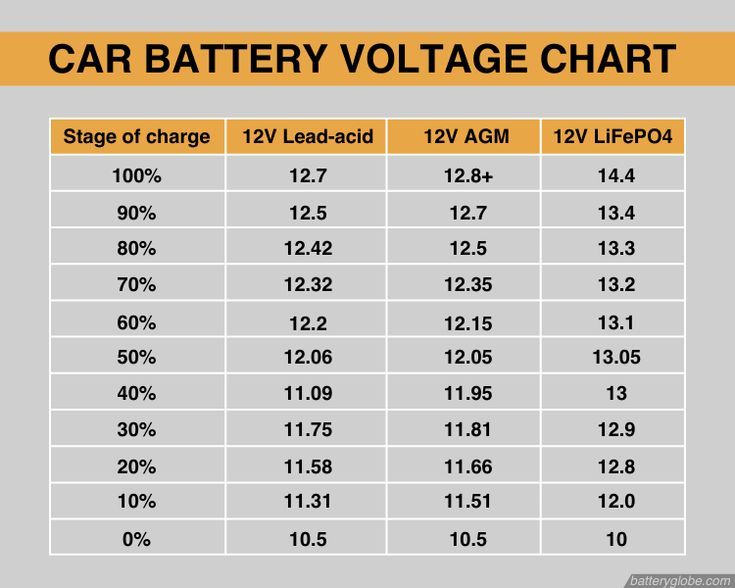
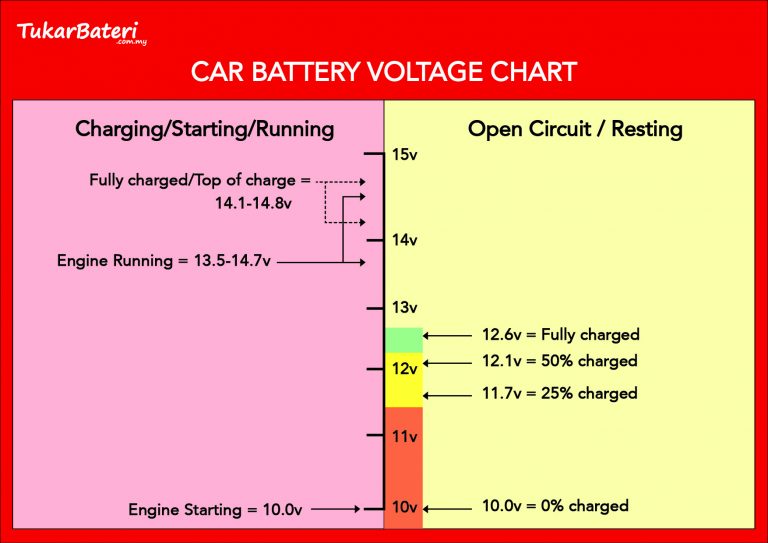
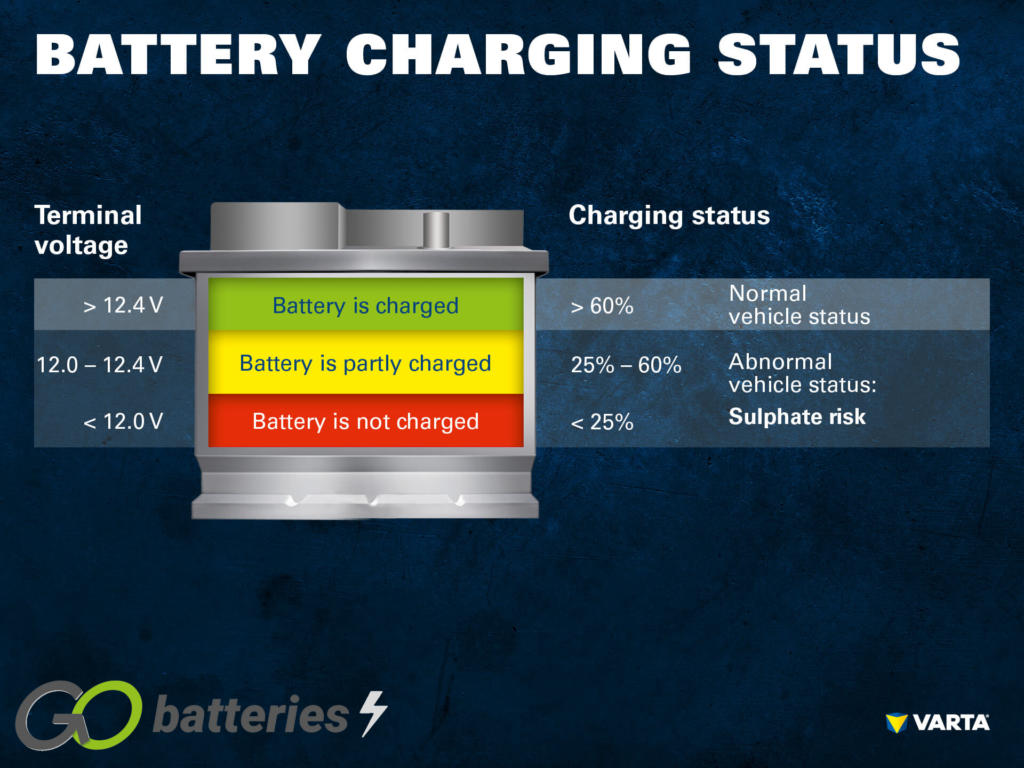
- Fully Charged Battery: As mentioned, a fully charged battery should read approximately 12.6 volts when resting (engine off, no accessories drawing power).
- Partially Discharged Battery: A battery with a moderate state of charge might read between 12.0 and 12.4 volts. At 12.0 volts, the battery is roughly 50% discharged.
- Discharged Battery: A voltage reading below 12.0 volts indicates a significantly discharged battery. A reading of 11.8 volts, for example, signifies a battery that is nearly 75% discharged. A battery that drops below 11.7 volts is considered critically discharged and may struggle to start the engine.
It’s important to note that these readings are most accurate when the battery has been resting for at least a few hours, ideally overnight, to allow surface charge to dissipate. Immediately after driving or charging, the voltage might be artificially higher due to surface charge.
The Role of the Alternator in Battery Health
While the battery is the source of power for starting the car, it’s the alternator that keeps it charged while the engine is running. The alternator is a generator that converts mechanical energy from the engine into electrical energy. This energy is used to power the vehicle’s electrical systems and to recharge the battery.
- Charging Voltage: When the engine is running, the alternator should be producing a voltage that is higher than the battery’s resting voltage, typically between 13.7 and 14.7 volts. This higher voltage “pushes” electricity back into the battery, replenishing the charge that was used during starting.
- Monitoring Charging System: A voltage reading in this range when the engine is running is a good indicator that the charging system is functioning correctly. If the voltage is too low (below 13.5V) or too high (above 15V), it could indicate a problem with the alternator or voltage regulator, which could lead to premature battery failure or damage to other electrical components.
How to Measure and Interpret Car Battery Voltage
Measuring your car battery’s voltage is a straightforward process, and the insights gained can be invaluable for diagnosing potential issues before they become major problems.
Essential Tools for Voltage Measurement
The most common and effective tool for measuring car battery voltage is a multimeter, also known as a voltmeter.
- Digital Multimeters: These are widely available, relatively inexpensive, and provide clear digital readouts of the voltage. They are generally preferred for their ease of use and accuracy.
- Analog Multimeters: While less common now, analog multimeters use a needle to indicate the voltage on a dial. They can be accurate but require a bit more practice to read precisely.
- Battery Testers: Specialized battery testers can provide more comprehensive diagnostics beyond just voltage, often including load testing to assess the battery’s cranking power. However, a basic multimeter is sufficient for voltage checks.
Step-by-Step Voltage Measurement Process
- Safety First: Ensure the engine is off and has been for at least a few hours to allow the battery to rest. Locate the battery under the hood, in the trunk, or sometimes under a seat. Identify the positive (+) and negative (-) terminals.
- Set Your Multimeter: Set your multimeter to measure DC voltage (indicated by a “V” with a solid line above it and dashes below it). Select a range that is appropriate for a 12-volt system, typically the 20-volt setting.
- Connect the Probes: Touch the red probe of the multimeter to the positive terminal of the battery and the black probe to the negative terminal. Ensure a good, clean connection.
- Read the Voltage: Observe the reading on the multimeter’s display.
- Engine Running Check (Optional but Recommended): If you want to check the charging system, start the engine and repeat the process, this time observing the voltage while the engine is running.
Interpreting the Readings
- Resting Voltage:
- 12.6V or higher: Excellent, fully charged.
- 12.4V – 12.6V: Good, adequately charged.
- 12.0V – 12.3V: Fair, about 50-75% charged. Needs charging soon.
- Below 12.0V: Poor, significantly discharged. Needs immediate charging, and may indicate a problem.
- Engine Running Voltage:
- 13.7V – 14.7V: Normal charging voltage. Alternator is likely functioning correctly.
- Below 13.5V: Potential issue with the alternator or voltage regulator. Battery may not be charging properly.
- Above 14.7V (or consistently over 15V): Potential issue with the voltage regulator, which can overcharge and damage the battery.
Factors Affecting Voltage Readings
Several factors can influence voltage readings, so it’s important to be aware of them for accurate interpretation:
- Temperature: Battery voltage is temperature-dependent. In cold weather, a battery’s capacity decreases, and its voltage might appear lower even if its actual charge is the same. Conversely, in hot weather, the voltage might appear slightly higher.
- Surface Charge: As mentioned, a battery that has just been charged or used may have a temporary surface charge that artificially inflates the voltage reading. Allowing it to rest for a period is crucial for an accurate state-of-charge assessment.
- Battery Age and Condition: Older batteries or those that have been subjected to extreme conditions may not hold a charge as well, leading to lower resting voltages even when they are theoretically “charged.”
- Battery Load: Any accessories drawing power from the battery (lights, radio, etc.) will cause the voltage to drop. Always check resting voltage with all accessories off and the engine off.
The Science Behind Car Battery Voltage
The voltage of a car battery is a direct consequence of fundamental electrochemical principles. Understanding this science helps demystify why a healthy battery behaves the way it does.
Lead-Acid Battery Chemistry
The most common type of car battery is the lead-acid battery. Its operation relies on a reversible chemical reaction between lead plates (anode and cathode) and a sulfuric acid electrolyte.
- During Discharge: When the engine is started or electrical components are powered, the lead plates react with the sulfuric acid. The lead in the positive plate is converted to lead dioxide, and the lead in the negative plate is converted to spongy lead sulfate. This chemical reaction releases electrons, creating an electrical current. Simultaneously, the sulfuric acid is converted into water and lead sulfate, which adheres to the plates. This process lowers the electrolyte’s specific gravity and, consequently, its voltage.
- During Charging: When the alternator (or an external charger) applies a voltage higher than the battery’s current voltage, the chemical reaction is reversed. The lead sulfate on the plates is converted back into lead and lead dioxide, and the sulfuric acid is regenerated from the water. This process replenishes the battery’s chemical potential and increases its voltage.
Why Voltage is the Primary Indicator
Voltage is the most straightforward and accessible indicator of a battery’s health and state of charge because it directly reflects the electrochemical potential within the battery.
- Direct Correlation: Unlike amperage (current), which measures the rate of electron flow, voltage represents the “electrical pressure” or potential difference. A higher voltage indicates a greater potential for electrons to move, signifying a higher state of charge.
- Non-Destructive Testing: Measuring voltage is a non-destructive test. It doesn’t stress the battery like a load test might, making it a safe and easy way for regular checks.
- Early Warning System: Deviations from the expected voltage, whether during resting or charging, can be early indicators of a developing problem. This could be anything from a weak cell within the battery to a malfunctioning alternator.
The Importance of Proper Voltage for Vehicle Electronics
Modern vehicles are packed with sophisticated electronics that are sensitive to fluctuations in voltage. Maintaining the correct voltage is crucial for their proper functioning and longevity.
- ECU and Sensors: The Engine Control Unit (ECU) and various sensors rely on stable voltage to process information accurately. Inconsistent voltage can lead to erratic behavior, error codes, and performance issues.
- Infotainment Systems: Modern infotainment systems, navigation, and other comfort features are power-hungry. They require a stable voltage to operate without glitches or data corruption.
- Starting System: The most critical function of the battery is to provide the high amperage surge needed to crank the engine. Insufficient voltage will result in a weak or no crank, leaving you stranded. Even if the voltage is just below the threshold, the starter motor may not engage properly.
- Preventing Damage: Both overvoltage (from a faulty regulator) and undervoltage can stress and damage sensitive electronic components over time, leading to costly repairs.
When to Worry and What to Do About Car Battery Voltage
While understanding the ideal voltage is important, knowing when to be concerned and what steps to take can prevent significant inconvenience.
Signs of a Failing Battery
Beyond low voltage readings, several other signs can indicate a battery that is nearing the end of its lifespan or experiencing a problem.
- Slow Engine Crank: The most common symptom of a weak battery is a sluggish engine crank. The engine turns over more slowly than usual, and you might hear a “rrrr-rrrr-rrrr” sound that is weaker than normal.
- Dim Headlights and Interior Lights: If your headlights or interior lights appear dimmer than usual, especially when the engine is off or at idle, it can be a sign of a low battery charge or a failing battery.
- Corrosion on Terminals: While not directly related to voltage, heavy corrosion on the battery terminals can impede electrical flow, leading to voltage drop and poor performance.
- Swollen or Leaking Battery Case: Physical damage to the battery case, such as swelling or leaking, is a clear sign of internal damage and potential failure. This is often caused by overcharging or extreme temperatures.
- Age: Most car batteries have a lifespan of 3 to 5 years. If your battery is approaching or exceeding this age, it’s wise to have it tested regularly, even if it’s performing seemingly well.
Troubleshooting Voltage Issues
If you’ve measured your battery’s voltage and found it to be outside the normal range, here’s a systematic approach to troubleshooting.
-
Check Resting Voltage: If the resting voltage is consistently low (below 12.4V), the battery may be discharged or failing.
- Charge the Battery: Use a dedicated battery charger to fully charge the battery. If it holds a charge after charging, it might have just been discharged due to infrequent driving or a parasitic draw.
- Perform a Load Test: If the battery doesn’t hold a charge after several hours of charging or if the voltage drops quickly, a load test is recommended. This test simulates starting the engine to assess the battery’s ability to deliver power under load. Most auto parts stores offer free load testing.
- Consider Replacement: If the battery fails a load test or repeatedly fails to hold a charge, it’s time for a replacement.
-
Check Engine Running Voltage: If the voltage is low while the engine is running (below 13.5V), the problem likely lies with the charging system.
- Inspect Alternator Belt: Ensure the alternator belt is properly tensioned and not slipping.
- Test the Alternator: If the belt is fine, the alternator itself might be failing. A mechanic can perform a more thorough test of the alternator’s output.
- Check for Corroded Connections: Loose or corroded connections between the battery and the alternator can also cause voltage drop.
-
Check for Parasitic Draw: If your battery consistently goes flat even after being charged, there might be a parasitic draw – an electrical component drawing power when the car is off.
- Multimeter Test: With the engine off and all accessories turned off, use a multimeter set to measure amperage to test the current draw between the battery’s negative terminal and the negative cable. A typical draw is usually under 50 milliamps (0.05 amps). If the draw is significantly higher, you’ll need to systematically disconnect fuses or relays to identify the faulty circuit.
Proactive Battery Maintenance for Optimal Voltage
Regular checks and maintenance can significantly extend your battery’s life and ensure it consistently operates at optimal voltage levels.
- Regular Voltage Checks: Incorporate a quick voltage check with your routine car maintenance. This can be done every few months or before long trips.
- Keep Terminals Clean: Regularly clean the battery terminals to remove any corrosion. A mixture of baking soda and water with a toothbrush can be effective.
- Ensure Proper Tightness: Make sure battery terminal connections are snug, but not overtightened.
- Avoid Deep Discharges: If possible, avoid leaving accessories on with the engine off for extended periods. Deep discharges can be detrimental to lead-acid battery health.
- Consider a Battery Tender: For vehicles that are driven infrequently, a battery tender (also known as a trickle charger) can maintain the battery’s charge and prevent it from discharging excessively.
By understanding the nuances of car battery voltage and adopting a proactive approach to its maintenance, you can ensure your vehicle’s electrical system operates reliably, preventing unexpected breakdowns and costly repairs.
aViewFromTheCave is a participant in the Amazon Services LLC Associates Program, an affiliate advertising program designed to provide a means for sites to earn advertising fees by advertising and linking to Amazon.com. Amazon, the Amazon logo, AmazonSupply, and the AmazonSupply logo are trademarks of Amazon.com, Inc. or its affiliates. As an Amazon Associate we earn affiliate commissions from qualifying purchases.