
Tillable land, at its core, represents a fundamental asset for agricultural productivity and, consequently, a significant component of the financial landscape for investors, landowners, and agricultural businesses. While the term itself might seem straightforward, a deeper understanding reveals its multifaceted nature, encompassing not only its physical characteristics but also its economic value, legal implications, and strategic importance within the broader financial ecosystem. This article delves into the concept of tillable land from a financial perspective, exploring its definition, valuation, investment potential, and the factors that influence its worth, providing insights for those looking to understand or engage with this vital asset class.
The Financial Definition and Characteristics of Tillable Land
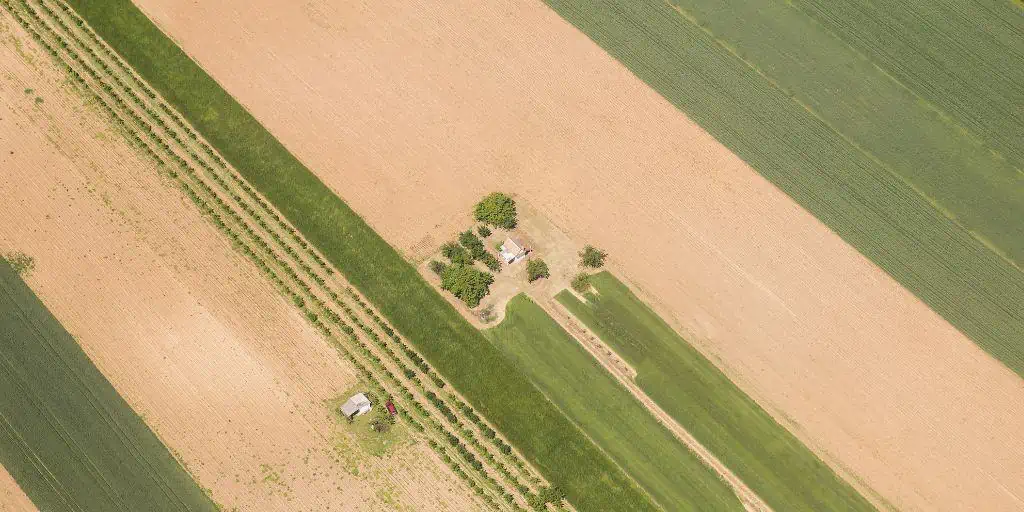
From a financial standpoint, tillable land is recognized as a tangible asset with inherent economic value. Its primary characteristic is its suitability for cultivation – the ability to be plowed, planted, and harvested to produce crops. This suitability is not merely a matter of physical potential but is deeply intertwined with its financial valuation and investment attractiveness.
Soil Quality and Fertility: The Foundation of Value
The financial worth of tillable land is intrinsically linked to its soil quality and fertility. High-quality soil, rich in nutrients and organic matter, requires less input for crop production, leading to higher yields and greater profitability for farmers. This translates directly into higher land values. Factors such as soil structure, drainage, pH levels, and the absence of contaminants are meticulously assessed by appraisers and investors to determine the land’s productive capacity and, therefore, its financial potential.
- Soil Testing and Analysis: Advanced soil testing techniques provide detailed information about nutrient content, organic matter, and potential deficiencies. These analyses are crucial for determining the land’s suitability for specific crops and for estimating the cost of necessary amendments, directly impacting projected returns on investment.
- Historical Productivity: A long history of successful crop production on a piece of land is a strong indicator of its inherent fertility and suitability. Investors often look at historical yield data and crop rotations to gauge consistent productivity, which underpins its financial reliability.
Topography and Drainage: Optimizing Agricultural Efficiency
The physical contour and water management of tillable land significantly influence its operational efficiency and, by extension, its financial performance. Flat or gently rolling terrain is generally more desirable as it facilitates easier plowing, planting, and harvesting, reducing operational costs for farmers. Adequate drainage is also paramount, preventing waterlogging that can damage crops and reduce yields.
- Slope and Erosion Risk: Steep slopes can lead to soil erosion, reducing fertility over time and increasing the cost of land management. Land with moderate slopes that are managed effectively (e.g., through terracing or cover cropping) can still be highly valuable.
- Natural vs. Artificial Drainage: Natural drainage through well-draining soil types is ideal. However, many tillable lands benefit from artificial drainage systems, such as tile drains, which enhance soil aeration and prevent saturation. The presence and effectiveness of such systems contribute to the land’s value.
Accessibility and Infrastructure: Facilitating Market Access and Operations
The financial viability of tillable land is also heavily influenced by its accessibility and the availability of supporting infrastructure. Proximity to markets, transportation routes, and essential services directly impacts the cost and efficiency of getting agricultural products to consumers and of acquiring necessary inputs.
- Proximity to Markets and Processing Facilities: Land located near established agricultural markets, grain elevators, and food processing plants enjoys a competitive advantage. Reduced transportation costs and quicker access to buyers can significantly boost profitability, making such land more financially attractive.
- Road Access and Utilities: Good road access is essential for farm equipment, delivery trucks, and personnel. Availability of utilities like electricity and water can also enhance the land’s utility and value for certain agricultural operations, including those incorporating technology.
Valuing Tillable Land: Financial Metrics and Approaches
The valuation of tillable land is a complex process that employs various financial methodologies to arrive at an accurate and justifiable market price. These valuations are critical for real estate transactions, loan assessments, estate planning, and investment portfolio management.
The Income Capitalization Approach: Yielding Returns
One of the most prevalent methods for valuing tillable land is the income capitalization approach. This method focuses on the potential income the land can generate. It is particularly relevant for investors seeking to understand the return on their investment.
- Calculating Net Operating Income (NOI): NOI is derived by subtracting all operating expenses (e.g., property taxes, insurance, maintenance) from the gross rental income or the projected income from farming operations. For instance, if a farmer leases land for $300 per acre per year and their direct operating costs for that land are $50 per acre, the NOI would be $250 per acre.
- Determining the Capitalization Rate: The capitalization rate (cap rate) is the expected rate of return on an investment property. It is typically derived from market comparables or by considering the risk associated with the investment. A common formula is Cap Rate = NOI / Property Value. Investors use market-observed cap rates for similar tillable land to estimate the property’s value: Property Value = NOI / Cap Rate. For example, if the average cap rate for similar tillable land is 5% and the NOI is $250 per acre, the estimated value would be $250 / 0.05 = $5,000 per acre.
The Sales Comparison Approach: Market Benchmarking
The sales comparison approach, also known as the market approach, is another fundamental valuation method that relies on the principle of substitution. It involves comparing the subject property to similar properties that have recently sold in the same or a similar market.
- Identifying Comparable Sales: Appraisers and investors seek recent sales of tillable land that are similar in size, location, soil type, productivity, and access. The more similar the comparables, the more reliable the valuation.
- Making Adjustments: No two properties are identical. Adjustments are made to the sale prices of comparable properties to account for differences from the subject property. For example, if a comparable property sold for $6,000 per acre and has superior road access, an upward adjustment might be made to the subject property’s estimated value if its road access is considered less desirable.
Cost Approach: Replacement and Reproduction Value
While less common for established tillable land than the income or sales comparison approaches, the cost approach can be used in specific scenarios, particularly for undeveloped land or land with significant improvements. It estimates value based on the cost to replace or reproduce the property, minus depreciation.

- Cost of Land Acquisition and Development: This involves estimating the cost of acquiring raw land and then adding the costs of preparing it for agricultural use, such as clearing, grading, and establishing drainage.
- Depreciation: For existing improvements like fences or drainage systems, depreciation is factored in to account for wear and tear, obsolescence, and age. This approach is often used as a secondary check or for unique properties where income or sales data is scarce.
Investment Opportunities and Financial Considerations
Tillable land has emerged as an increasingly attractive asset class for a diverse range of investors seeking diversification, capital appreciation, and a hedge against inflation. Its tangible nature and its role in food production provide a unique investment profile.
Diversification and Inflation Hedge: Portfolio Resilience
In an investment portfolio, tillable land offers valuable diversification benefits. Its performance is often uncorrelated with traditional financial markets like stocks and bonds, providing stability during periods of market volatility. Furthermore, as a real asset tied to a fundamental need – food – it is considered a strong hedge against inflation.
- Correlation with Inflation: Historically, land values have tended to rise with inflation, particularly when inflation is driven by increasing demand for commodities. As the cost of goods and services increases, the value of productive assets like tillable land often follows suit.
- Low Correlation to Equities and Bonds: Unlike financial assets, the value of tillable land is not directly impacted by daily stock market fluctuations or interest rate shifts in the same way. This independence makes it a valuable component for balancing portfolio risk.
Direct Ownership vs. Indirect Investment: Strategic Choices
Investors have several avenues through which to gain exposure to tillable land, each with its own financial implications and risk profiles.
- Direct Ownership: Purchasing land outright offers the greatest control and potential for appreciation but requires significant capital, expertise in land management, and a longer-term investment horizon. This might involve purchasing a farm outright or acquiring undeveloped land with agricultural potential.
- Real Estate Investment Trusts (REITs) Specializing in Farmland: Farmland REITs allow investors to own shares in a portfolio of agricultural properties. This offers liquidity and professional management but comes with management fees and less direct control. Investors benefit from the REIT’s operational expertise and diversified holdings without the direct burden of land management.
- Farmland Funds and Syndications: Similar to REITs, these pooled investment vehicles allow individuals to invest in larger-scale agricultural operations. They often focus on specific regions or crop types and may offer different investment structures, such as limited partnerships.
Risks and Due Diligence: Mitigating Financial Exposure
While the investment case for tillable land is strong, it is crucial for investors to conduct thorough due diligence and understand the associated risks.
- Market Volatility and Commodity Prices: While often seen as an inflation hedge, land values can still be affected by cycles in commodity prices, changes in agricultural policy, and local market conditions. A downturn in crop prices can impact rental rates and land values.
- Environmental and Regulatory Risks: Changes in environmental regulations, water rights, or land use policies can impact the profitability and value of tillable land. Understanding these potential regulatory shifts is a critical part of risk assessment.
- Management and Operational Challenges: For direct ownership, effective farm management is crucial. Poor management can lead to reduced yields, increased costs, and ultimately, lower returns on investment.
The Economic Impact and Future of Tillable Land
The financial significance of tillable land extends beyond individual investments to impact regional economies and global food security. Understanding its evolving role is key to appreciating its long-term financial value.
Contribution to Local and National Economies: The Agricultural Engine
Tillable land is the bedrock of the agricultural sector, a critical industry that supports rural economies and contributes significantly to national GDP. The productivity of this land directly influences the availability and cost of food, fiber, and other agricultural products.
- Job Creation and Economic Activity: Farming operations, along with related industries such as equipment manufacturing, processing, and transportation, create substantial employment opportunities and drive economic activity in rural areas.
- Food Security and Stability: A robust supply of tillable land ensures a consistent output of food, contributing to national food security and stability, a vital economic and social imperative.
Technological Advancements and Efficiency Gains: Enhancing Financial Returns
The integration of technology into agriculture is transforming tillable land into a more efficient and profitable asset. These advancements have direct implications for its financial valuation and investment appeal.
- Precision Agriculture: Technologies like GPS-guided tractors, soil sensors, and drone imaging allow for highly precise application of water, fertilizer, and pesticides. This optimizes resource use, reduces waste, and increases yields, thereby enhancing the land’s income-generating potential.
- Data Analytics and AI: Big data analytics and artificial intelligence are being used to predict weather patterns, optimize planting schedules, and identify potential crop diseases early. This predictive power leads to better decision-making and improved financial outcomes for farmers and landowners.

Sustainability and Long-Term Value: Preserving an Essential Asset
As global populations grow and climate change presents new challenges, the sustainable management of tillable land is becoming increasingly critical for its long-term financial viability and its role in global food systems.
- Conservation Practices and Soil Health: Implementing practices that promote soil health, reduce erosion, and conserve water is not just environmentally responsible but also financially prudent. Healthy soil is more productive and resilient, ensuring the land’s value for future generations.
- Climate-Smart Agriculture: Adapting farming practices to changing climate conditions, such as adopting drought-resistant crops or improving water management, is essential for maintaining productivity and financial stability in the face of environmental shifts.
In conclusion, tillable land is far more than just dirt; it is a vital financial asset with a complex interplay of physical, economic, and strategic factors. Understanding its definition, valuation methods, investment nuances, and the impact of technological and sustainable practices is crucial for any investor, agricultural stakeholder, or policymaker looking to harness its full potential within the financial realm. Its role as a provider of essential resources, a hedge against inflation, and a driver of economic activity solidifies its position as a cornerstone of both the real economy and prudent investment portfolios.
aViewFromTheCave is a participant in the Amazon Services LLC Associates Program, an affiliate advertising program designed to provide a means for sites to earn advertising fees by advertising and linking to Amazon.com. Amazon, the Amazon logo, AmazonSupply, and the AmazonSupply logo are trademarks of Amazon.com, Inc. or its affiliates. As an Amazon Associate we earn affiliate commissions from qualifying purchases.