
The human body is a marvel of biological engineering, with intricate systems working in unison to sustain life. Among these, the liver stands out as a vital organ, performing an astonishing array of functions essential for our well-being. When this crucial organ encounters problems, it requires the specialized expertise of a hepatologist – a medical professional dedicated to the study and treatment of liver diseases.
The Liver: A Central Hub of Health
Before delving into the role of a hepatologist, it’s crucial to appreciate the immense significance of the liver itself. Often referred to as the body’s “chemical factory,” the liver is a powerhouse of activity, responsible for a vast spectrum of metabolic processes. Its multifaceted roles include:
Detoxification: The Body’s Filter System
One of the liver’s most critical functions is its role in detoxification. It diligently filters the blood, removing toxins, waste products, and harmful substances, including alcohol, drugs, and byproducts of metabolism. These substances are then processed and eliminated from the body, preventing them from causing damage.
Metabolism: Fueling and Building
The liver plays a pivotal role in metabolism. It processes carbohydrates, fats, and proteins absorbed from digested food, converting them into forms that the body can use for energy or store for later. It synthesizes essential proteins like albumin, which helps maintain fluid balance, and clotting factors, vital for preventing excessive bleeding.
Bile Production: Digestion’s Key Ingredient
Bile, produced by the liver, is crucial for the digestion and absorption of fats and fat-soluble vitamins in the small intestine. It also aids in the elimination of waste products, such as bilirubin, from the body.
Storage: Nutrient Reservoir
The liver acts as a storage site for various essential nutrients, including vitamins (like A, D, E, K, and B12) and minerals (such as iron and copper). This ensures a readily available supply when the body needs them.
Other Vital Functions
Beyond these primary roles, the liver is involved in producing cholesterol, hormones, and enzymes. It also plays a part in immune function by producing certain proteins that help fight off infections. Given its central importance, any disruption to the liver’s delicate balance can have far-reaching consequences for overall health.
The Expertise of the Hepatologist
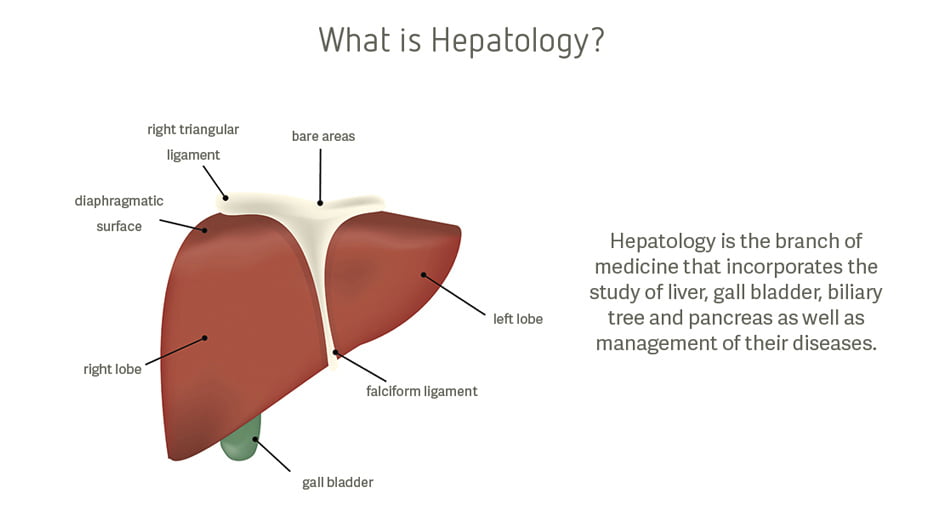
A hepatologist is a medical doctor who specializes in the diagnosis, treatment, and management of diseases affecting the liver, gallbladder, bile ducts, and pancreas. This subspecialty within gastroenterology requires extensive post-graduate training and a deep understanding of the complex physiology and pathology of these organs.
Beyond General Medicine: Specialized Training
While general practitioners and gastroenterologists can diagnose and manage common liver ailments, hepatologists possess a more profound and nuanced understanding of rare and complex liver conditions. Their training typically involves:
- Medical School: Completing a four-year medical degree.
- Internal Medicine Residency: A three-year residency program focused on diagnosing and treating a broad range of adult diseases.
- Gastroenterology Fellowship: A three-year fellowship concentrating on digestive diseases, including those of the liver, stomach, intestines, and pancreas.
- Hepatology Fellowship (Optional but common): Many hepatologists pursue an additional one- to two-year fellowship specifically dedicated to liver diseases, gaining in-depth knowledge and hands-on experience in managing conditions like cirrhosis, hepatitis, and liver cancer.
This rigorous training equips hepatologists with the specialized knowledge and skills to interpret complex diagnostic tests, understand the intricate mechanisms of liver disease, and develop individualized treatment plans.
Conditions Treated by Hepatologists
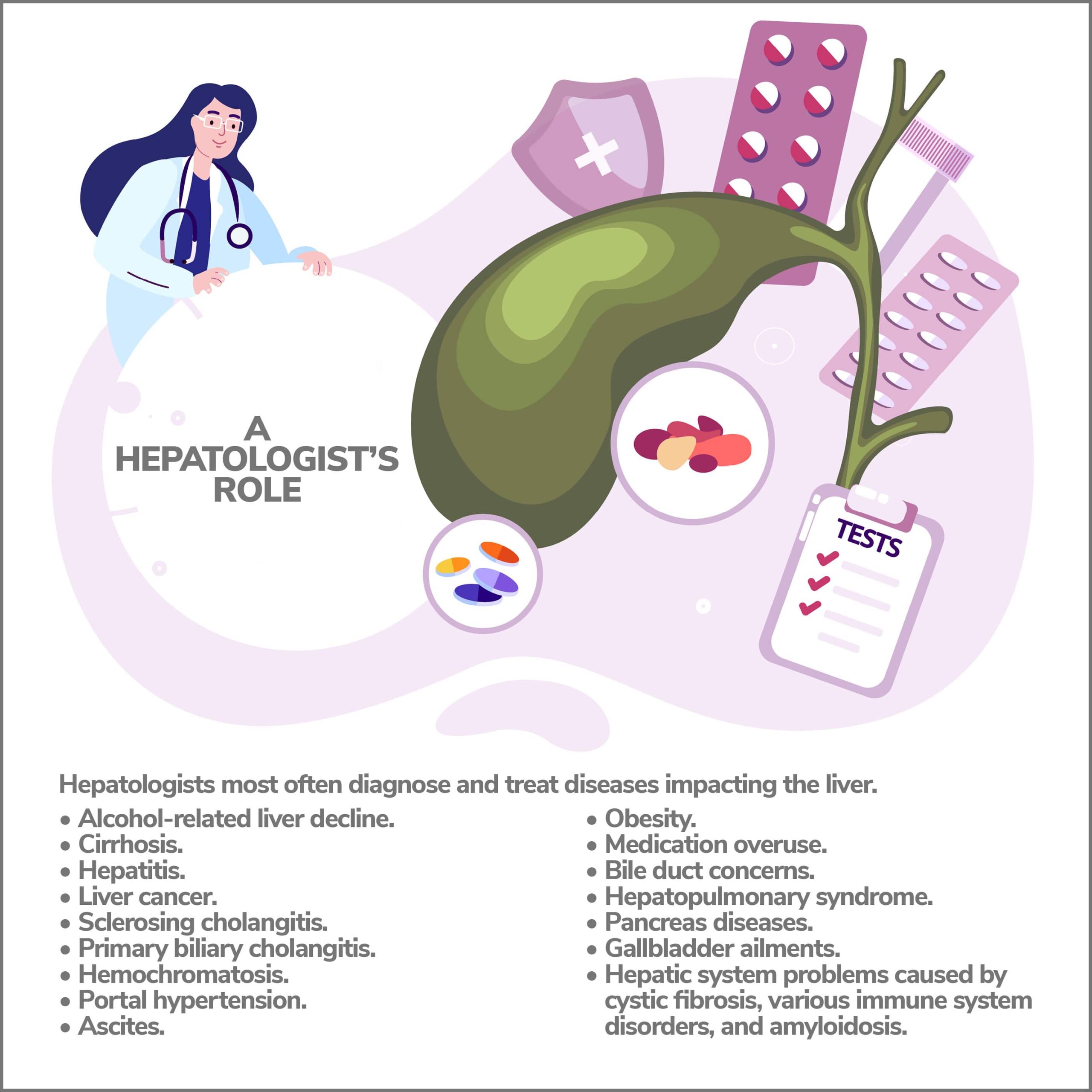
Hepatologists are the go-to specialists for a wide spectrum of liver-related conditions, ranging from common viral infections to rare genetic disorders. Some of the most frequent conditions they manage include:
Viral Hepatitis: A Global Concern
Hepatitis, an inflammation of the liver, is most commonly caused by viral infections. Hepatologists are experts in diagnosing and managing:
- Hepatitis A: Typically spread through contaminated food or water, usually resolves on its own.
- Hepatitis B: Can be acute or chronic, spread through blood and bodily fluids, and can lead to serious long-term complications if untreated.
- Hepatitis C: Primarily spread through blood contact, often becomes chronic and can cause significant liver damage. Antiviral therapies have revolutionized its treatment.
- Hepatitis D: Requires Hepatitis B infection to replicate and can worsen Hepatitis B outcomes.
- Hepatitis E: Similar to Hepatitis A in transmission, but can be more severe in pregnant women.
Hepatologists utilize various diagnostic tools, including blood tests to detect viral markers and liver function, as well as imaging techniques and sometimes liver biopsies, to assess the extent of the infection and inflammation. Treatment strategies often involve antiviral medications, lifestyle modifications, and monitoring for complications.
Alcoholic Liver Disease: The Impact of Alcohol Abuse
Excessive alcohol consumption is a leading cause of liver damage. Hepatologists treat the spectrum of alcoholic liver disease, which can progress through stages:
- Fatty Liver (Steatosis): Accumulation of fat in the liver cells, often reversible with abstinence.
- Alcoholic Hepatitis: Inflammation of the liver, which can be mild to severe and potentially life-threatening.
- Alcoholic Cirrhosis: Scarring of the liver, leading to irreversible damage and impaired function.
Hepatologists work with patients to manage alcohol dependence, provide supportive care, and address the complications of liver damage.
Non-Alcoholic Fatty Liver Disease (NAFLD) and Non-Alcoholic Steatohepatitis (NASH): The Modern Epidemic
NAFLD is increasingly prevalent, often linked to obesity, diabetes, and metabolic syndrome. It ranges from simple fatty liver to NASH, a more inflammatory form that can progress to fibrosis and cirrhosis. Hepatologists are at the forefront of research and treatment for NAFLD/NASH, focusing on lifestyle interventions, managing underlying metabolic conditions, and exploring emerging therapeutic options.
Autoimmune Liver Diseases: The Body Attacking Itself
In these conditions, the body’s immune system mistakenly attacks its own liver cells. Hepatologists diagnose and manage:
- Autoimmune Hepatitis: Chronic inflammation of the liver caused by an autoimmune response.
- Primary Biliary Cholangitis (PBC): A chronic disease that slowly destroys the bile ducts in the liver.
- Primary Sclerosing Cholangitis (PSC): A chronic disease that causes inflammation and scarring of the bile ducts within and outside the liver.
Treatment often involves immunosuppressive medications to control the immune attack and manage symptoms.
Cirrhosis and Its Complications: The Scarred Liver
Cirrhosis is the end-stage scarring of the liver, resulting from chronic damage from various causes like viral hepatitis, alcohol abuse, and NAFLD. As the liver becomes scarred, its ability to function diminishes. Hepatologists manage the complex complications of cirrhosis, which can include:
- Portal Hypertension: Increased pressure in the portal vein, which carries blood to the liver.
- Ascites: Fluid accumulation in the abdomen.
- Hepatic Encephalopathy: Brain dysfunction due to the buildup of toxins in the blood.
- Variceal Bleeding: Swollen blood vessels in the esophagus or stomach that can rupture and bleed.
- Liver Cancer (Hepatocellular Carcinoma): The risk of developing liver cancer is significantly increased in individuals with cirrhosis.
Hepatologists employ a range of strategies to manage these complications, including diuretics for ascites, specific medications for hepatic encephalopathy, endoscopic procedures to band varices, and rigorous screening for liver cancer.
Genetic Liver Diseases: Inherited Predispositions
Certain liver diseases are inherited. Hepatologists diagnose and manage conditions such as:
- Hemochromatosis: An iron overload disorder.
- Wilson’s Disease: A disorder of copper metabolism.
- Alpha-1 Antitrypsin Deficiency: A genetic disorder that can affect the lungs and liver.
Treatment often involves managing the specific metabolic imbalance, such as phlebotomy for hemochromatosis or chelation therapy for Wilson’s disease.
Liver Tumors and Cancer: Early Detection and Treatment
Hepatologists play a crucial role in the early detection and management of liver tumors, including primary liver cancer (hepatocellular carcinoma) and metastases from other cancers. They work closely with oncologists and surgeons to determine the best course of treatment, which may include surgery, transplantation, chemotherapy, radiation therapy, or targeted therapies.
Drug-Induced Liver Injury: When Medications Harm
Many medications, both prescription and over-the-counter, can cause liver damage. Hepatologists are skilled at identifying drug-induced liver injury, discontinuing the offending agent, and managing the resulting inflammation and damage.
The Role of the Hepatologist in Patient Care
The work of a hepatologist extends beyond simply diagnosing and treating specific diseases. They are integral to comprehensive patient care, offering support, education, and a holistic approach to managing liver health.
Diagnosis and Evaluation: Unraveling the Mystery
The diagnostic process for liver disease can be complex. Hepatologists utilize a combination of tools:
- Medical History and Physical Examination: Gathering detailed information about symptoms, lifestyle, family history, and medications.
- Blood Tests: Liver function tests (LFTs) to assess the liver’s health, viral serologies to detect infections, and tests for specific antibodies or genetic markers.
- Imaging Studies: Ultrasound, CT scans, and MRI scans to visualize the liver’s structure, detect abnormalities, and assess blood flow.
- Liver Biopsy: In some cases, a small sample of liver tissue is taken and examined under a microscope to determine the cause and extent of liver damage.
Treatment and Management: A Tailored Approach
Treatment plans are highly individualized, taking into account the specific diagnosis, the stage of the disease, the patient’s overall health, and other co-existing conditions. Hepatologists employ a range of therapeutic strategies:
- Medications: Antivirals, immunosuppressants, anti-fibrotic agents, and medications to manage complications.
- Lifestyle Modifications: Dietary changes, weight management, alcohol abstinence, and exercise are often crucial components of treatment.
- Procedures: Endoscopic therapies for varices, paracentesis to drain ascites, and interventional radiology procedures.
- Liver Transplantation: For patients with end-stage liver disease, transplantation is a life-saving option. Hepatologists manage the evaluation process for transplantation and the long-term care of transplant recipients.
Patient Education and Support: Empowering Individuals
Living with a chronic liver disease can be daunting. Hepatologists are committed to educating their patients about their condition, treatment options, and self-management strategies. They empower patients to actively participate in their care, understand the importance of adherence to treatment, and make informed decisions about their health. This support extends to addressing the emotional and psychological impact of liver disease.
Research and Advancement: Pushing the Boundaries of Knowledge
The field of hepatology is dynamic, with ongoing research continuously advancing our understanding of liver diseases and developing new treatment modalities. Hepatologists are often involved in clinical trials and research initiatives, contributing to the development of novel therapies and improving patient outcomes.
In conclusion, a hepatologist is a highly specialized physician dedicated to the intricate world of liver health. Their expertise is invaluable in diagnosing, treating, and managing a vast array of liver diseases, from common viral infections to complex genetic disorders. Through their deep knowledge, diagnostic acumen, and commitment to patient care, hepatologists play a critical role in preserving and restoring the vital functions of the liver, ultimately impacting the overall health and well-being of countless individuals.
aViewFromTheCave is a participant in the Amazon Services LLC Associates Program, an affiliate advertising program designed to provide a means for sites to earn advertising fees by advertising and linking to Amazon.com. Amazon, the Amazon logo, AmazonSupply, and the AmazonSupply logo are trademarks of Amazon.com, Inc. or its affiliates. As an Amazon Associate we earn affiliate commissions from qualifying purchases.