
The hospitality industry is a complex ecosystem, with numerous roles working in concert to deliver a seamless and enjoyable dining experience. While servers, chefs, and bartenders often take center stage, a crucial, often underestimated, role is that of the food runner. Beyond simply carrying plates, a food runner is an integral cog in the operational machinery of a restaurant, directly impacting efficiency, guest satisfaction, and ultimately, the establishment’s profitability. Understanding this position requires delving into its core responsibilities, its vital place within the front-of-house team, and the evolving landscape of this role, particularly through the lens of technological integration.

The Essential Duties of a Food Runner
At its most fundamental level, a food runner’s primary responsibility is to efficiently and accurately deliver food from the kitchen to the guest’s table. This seemingly straightforward task involves a multifaceted set of duties that demand attentiveness, speed, and a keen understanding of restaurant operations.
Expediting and Delivery
The food runner acts as the critical link between the kitchen and the dining room. They are responsible for receiving plated dishes from the expediter or chef, verifying order accuracy against the ticket, and promptly transporting them to the correct table. This requires an intimate knowledge of table numbers, seating arrangements, and the nuances of each dish to ensure it arrives at the table in its optimal state – hot food hot, cold food cold, and garnishes intact. They must be adept at navigating busy dining rooms without colliding with staff or guests, maintaining grace and professionalism under pressure. This often involves carrying multiple plates simultaneously, a skill honed through practice and attention to detail.
Maintaining Table Presentation and Readiness
Beyond just delivering food, food runners play a significant role in maintaining the overall presentation and readiness of the dining room. This includes ensuring that tables are cleared promptly after guests have finished their meals, and that any necessary pre-bussing is completed. They might also be responsible for refilling water glasses, bringing bread baskets, or providing extra condiments as requested by servers or guests. Their presence at the table offers an additional point of contact for guests, allowing for quick resolution of minor issues or requests that can enhance the dining experience. This proactive approach contributes to a smoother workflow for servers, allowing them to focus on more complex guest interactions and order taking.
Supporting Servers and Kitchen Staff
The food runner’s role is inherently supportive. They are the “extra hands” that allow servers to manage larger sections and handle more intricate guest requests. By taking on the physical task of food delivery, servers can dedicate more time to engaging with guests, explaining menu items, taking orders, and managing the overall dining experience. Similarly, food runners can assist the kitchen by clearing and cleaning pass-through areas, organizing plates for service, and communicating any guest feedback or special requests back to the kitchen. This collaborative spirit is vital for the efficient functioning of any busy restaurant.
The Food Runner’s Place in the Front-of-House Hierarchy
The front-of-house (FOH) team in a restaurant is a well-oiled machine, and the food runner occupies a pivotal position within this structure, working closely with several key roles to ensure operational excellence.
Collaboration with Servers
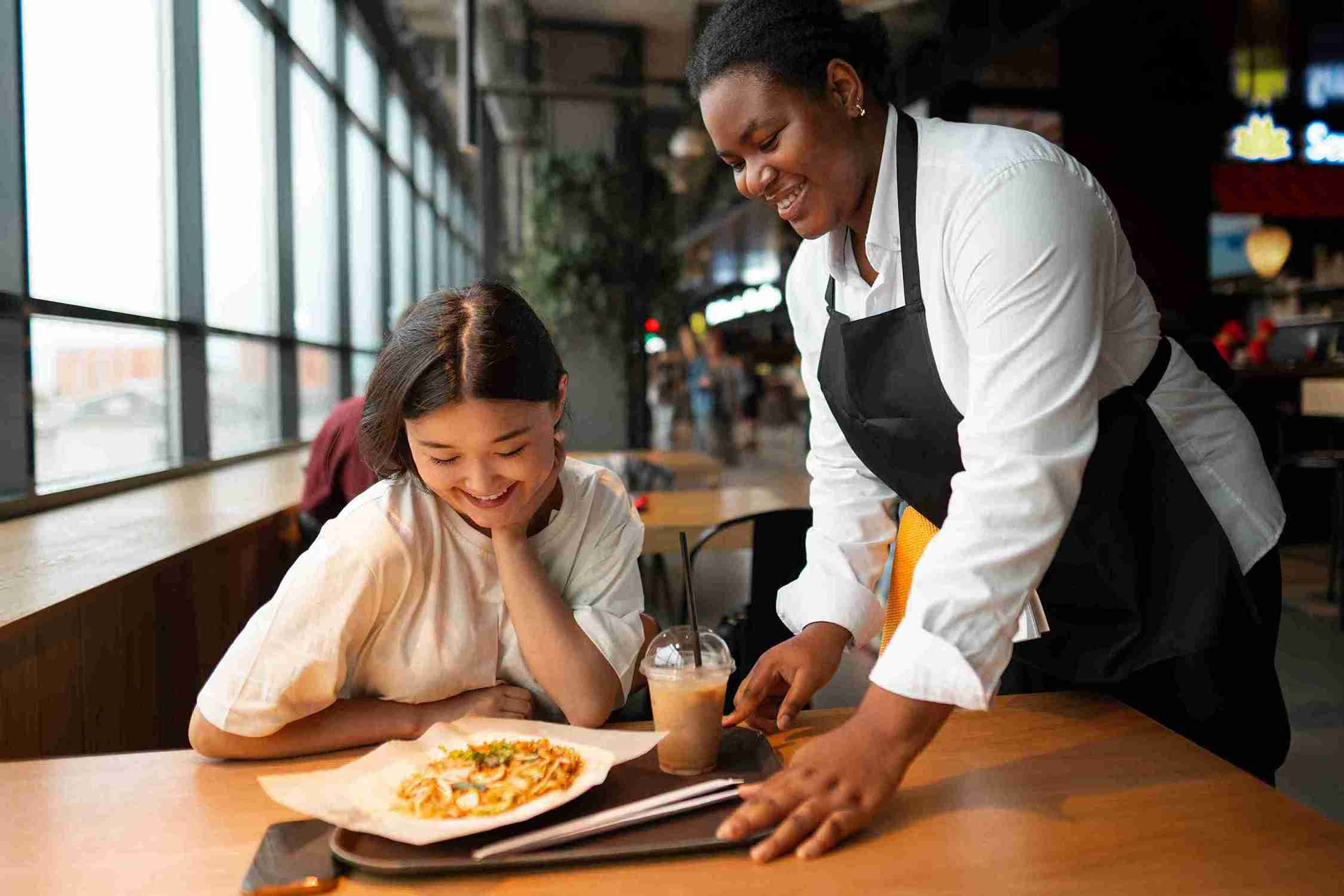
The relationship between a food runner and a server is symbiotic. Servers rely on runners to deliver their orders accurately and efficiently, freeing them up to focus on guest interaction and upselling opportunities. Runners, in turn, depend on servers for clear communication regarding orders, table assignments, and any special guest requests. Effective communication, often facilitated by shared ordering systems and clear verbal cues, is paramount. A well-functioning server-runner dynamic leads to faster table turns, increased guest satisfaction, and higher earning potential for both roles through increased tips.
Liaising with the Kitchen and Expediter
The kitchen is the engine room of the restaurant, and the expediter is the conductor. Food runners are the primary liaison between the kitchen and the dining room, often working directly under the expediter’s guidance. They must understand the workflow of the kitchen, anticipate when dishes will be ready, and be prepared to receive them. Accurate communication back to the kitchen about food quality, presentation issues, or guest preferences is also a vital aspect of this role, ensuring that the kitchen can adapt and improve. This direct feedback loop is crucial for maintaining consistent food quality and addressing any potential problems before they impact the guest.
Interaction with Management and Other Staff
Beyond their immediate operational circle, food runners also interact with restaurant management and other FOH staff. They may be directed by the floor manager on duty to assist with various tasks, such as setting up new tables, managing waitlists, or helping with end-of-shift cleaning duties. They also work alongside hosts, bussers, and bartenders, contributing to a cohesive team environment. This interconnectedness means that a food runner’s performance can impact the entire FOH operation, highlighting the importance of their dedication and efficiency.
The Evolving Role of the Food Runner: Technology and Efficiency
The traditional image of a food runner is being reshaped by technological advancements that are streamlining operations and enhancing efficiency within the restaurant industry. While the core responsibilities remain, the tools and methods used to execute them are rapidly evolving.
Integration with Digital Ordering Systems
Modern restaurants increasingly rely on integrated digital ordering systems, often referred to as Point of Sale (POS) systems. These systems allow servers to input orders directly from handheld devices or tablets, which are then transmitted instantly to the kitchen and expediter. For food runners, this translates to real-time updates on incoming orders, often displayed on dedicated screens in the pass-through area. This digital communication reduces the likelihood of errors, eliminates the need for physical tickets in some instances, and allows runners to anticipate orders more effectively. Advanced systems can even flag orders for specific runners based on table proximity or availability, further optimizing the delivery process.
The Rise of Kitchen Display Systems (KDS) and Table Management Software
Kitchen Display Systems (KDS) are digital screens that replace traditional paper tickets in the kitchen. They provide a clear, visual representation of incoming orders, allowing chefs and expediters to manage workflow efficiently. Food runners interact with KDS by noting which orders are ready for pickup. Complementing KDS are table management software solutions. These platforms provide a birds-eye view of the dining room, detailing table statuses, order progress, and even estimated times for food delivery. This software empowers food runners to prioritize their tasks, identify tables that are awaiting food, and ensure a smooth flow of service. By providing real-time data, these technologies enable food runners to be more strategic in their movements and more proactive in their support of the dining room.

Leveraging Technology for Improved Guest Experience
Ultimately, the integration of technology in the food runner role is geared towards enhancing the guest experience. Faster delivery times, greater order accuracy, and a more attentive FOH team all contribute to a more positive dining experience. For example, if a server uses a tablet to take an order, and that order is instantly displayed on a KDS for the kitchen, and then flagged on a runner’s tablet when ready for delivery to the correct table, the entire process is significantly accelerated. This efficiency means guests spend less time waiting for their food and more time enjoying their meal. Furthermore, some advanced systems allow for communication between runners and servers via the system itself, enabling quick alerts about table readiness or specific guest needs without the need for constant physical interaction, thereby reducing noise and disruption in the dining area. The ongoing evolution of these tools promises even greater optimization for the food runner position.
aViewFromTheCave is a participant in the Amazon Services LLC Associates Program, an affiliate advertising program designed to provide a means for sites to earn advertising fees by advertising and linking to Amazon.com. Amazon, the Amazon logo, AmazonSupply, and the AmazonSupply logo are trademarks of Amazon.com, Inc. or its affiliates. As an Amazon Associate we earn affiliate commissions from qualifying purchases.