
The wrestling world is a crucible for personality, a stage where larger-than-life characters are forged and evolve. Within this dynamic landscape, Rhea Ripley has emerged not merely as a dominant competitor, but as a formidable personal brand. Her impact transcends the squared circle, influencing fashion, fan engagement, and the very perception of what a female wrestling superstar can be. The question “what happened to Rhea Ripley?” therefore, isn’t just about in-ring victories or losses; it’s a probe into the strategic development, inherent appeal, and dynamic transformation of a modern wrestling icon’s brand. This exploration delves into the core elements that define Rhea Ripley’s brand, tracing its trajectory and analyzing the factors that have cemented her position as a captivating and influential figure.
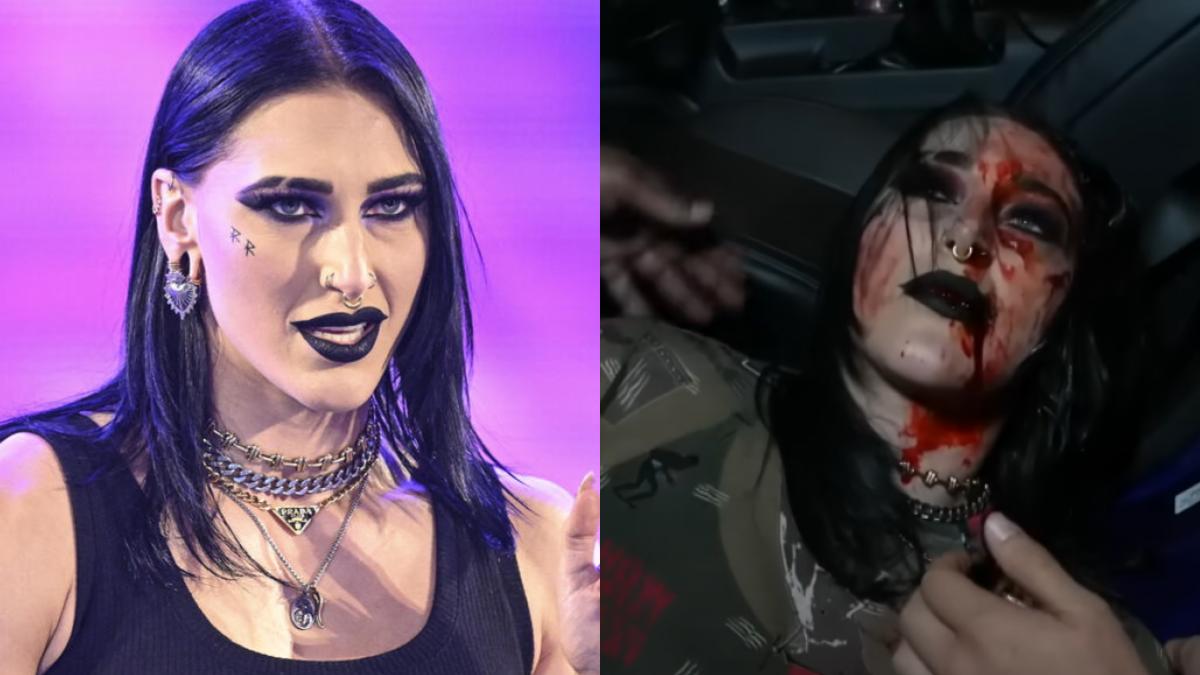
The Genesis of the “Mami” Persona: Building an Uncompromising Brand Identity
Rhea Ripley’s ascent in the professional wrestling sphere has been characterized by a consistent and powerful brand identity. From her early days as a burgeoning talent, the foundations were laid for a persona that exuded strength, confidence, and a touch of menace. This wasn’t a character developed overnight, but a meticulously cultivated image that resonated with audiences and positioned her as a distinct entity in a crowded field.
From NXT’s “The Nightmare” to a Dominant Force
Ripley’s initial branding in NXT, where she was known as “The Nightmare,” immediately signaled her intent. The moniker itself conjured images of fear and invincibility, setting a clear expectation for her in-ring style and overall demeanor. This early branding was instrumental in establishing her as a credible threat and a compelling character. Her look – often incorporating edgy, dark attire and a fierce, determined expression – further reinforced this image. This visual consistency played a crucial role in making her instantly recognizable and memorable. The development of her in-ring style, characterized by powerful strikes, impactful slams, and a no-nonsense approach, was intrinsically linked to her brand. She wasn’t just a wrestler; she was a force of nature, and her moves reflected that raw power.
The “Mami” Phenomenon: Leveraging Cultural Resonance and Fan Connection
The transition and subsequent evolution to the “Mami” persona marked a significant turning point in Rhea Ripley’s brand. This shift wasn’t a radical departure but rather an organic growth, tapping into a different facet of her appeal and connecting with a broader audience. The term “Mami,” often used affectionately and with respect within certain cultural contexts, allowed Ripley to project an aura of maternal dominance, protective strength, and undeniable authority. This resonated deeply, creating a unique and empowering image that defied traditional wrestling archetypes.
The brilliance of the “Mami” branding lay in its duality. On one hand, it retained the toughness and dominance established with “The Nightmare.” On the other, it introduced an element of leadership and almost maternalistic authority, making her relatable and aspirational in a new way. This allowed for a more nuanced connection with the fanbase, attracting not just those drawn to raw power, but also those who admired her commanding presence and self-assuredness. This deliberate or perhaps intuitive branding strategy proved to be incredibly effective, creating a loyal and vocal following that embraced the “Mami” moniker with enthusiasm. It transformed from a nickname into a powerful brand identifier, synonymous with Ripley’s unique character.
The Strategic Evolution of Rhea Ripley’s Visual and Narrative Brand
A successful personal brand is rarely static. It requires constant adaptation and refinement to remain relevant and impactful. Rhea Ripley’s brand has demonstrated a remarkable capacity for evolution, particularly in its visual presentation and the narratives woven around her character. These elements have been crucial in maintaining her momentum and ensuring her continued appeal to a diverse fanbase.
From Edgy Attire to Fashion-Forward Statements: The Aesthetic of Dominance
Ripley’s in-ring gear has consistently mirrored her persona, but it has also undergone a discernible evolution, moving from purely functional and edgy to a more fashion-forward and statement-making approach. While retaining her signature tough aesthetic, her attire has increasingly incorporated elements that are both striking and contemporary. This has allowed her to transcend the typical wrestling gear mold and become a fashion influencer in her own right.
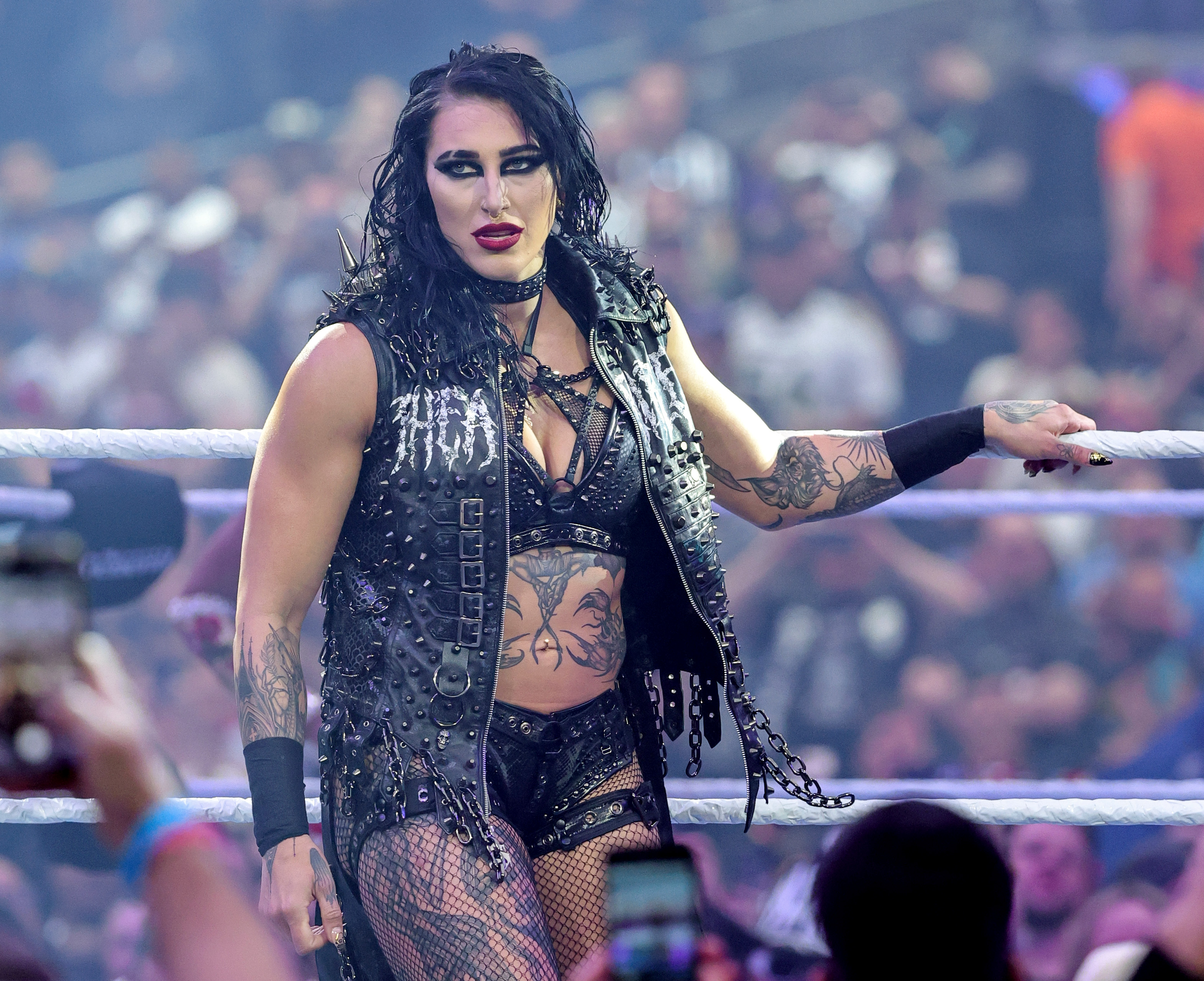
The adoption of bolder colors, unique cuts, and more elaborate designs has transformed her ring gear into an extension of her commanding presence. This strategic aesthetic choice not only enhances her visual appeal but also communicates a sense of confidence and self-expression, further solidifying her personal brand as one that is both powerful and stylish. Her ability to blend raw intensity with an eye for contemporary fashion has created a memorable visual identity that stands out and generates significant discussion and admiration among fans. This conscious evolution in her aesthetic demonstrates a keen understanding of how visual branding contributes to overall character recognition and appeal.
Narrative Arcs: Building Credibility Through Storytelling
Beyond her physical presence and attire, Rhea Ripley’s brand has been significantly shaped by the narrative arcs she has been involved in. Professional wrestling is fundamentally a form of storytelling, and Ripley’s journey has been punctuated by compelling storylines that have tested her, showcased her resilience, and further cemented her dominance.
Her feuds, alliances, and championship reigns have all served as narrative pillars, building upon her established persona and adding layers to her character. Whether it was her dominant reign as NXT Women’s Champion, her battles on the main roster, or her involvement with factions like The Judgment Day, each storyline has provided an opportunity to demonstrate her unwavering commitment to her character and her ability to command attention. The success of these narratives is a testament to her skill as a performer and her understanding of how to leverage storytelling to enhance her brand. The way she has navigated these storylines, always maintaining her core strengths while adapting to the evolving plots, has been instrumental in her sustained popularity and the perception of her as a true force within the industry.
The “What Happened?” Question Reframed: Impact and Influence Beyond the Ring
The question “what happened to Rhea Ripley?” is perhaps best answered by examining her profound impact and influence, which extend far beyond her in-ring achievements. Her presence has undeniably reshaped perceptions and set new benchmarks within the women’s division and the broader wrestling landscape.
Redefining the Women’s Division: A Blueprint for Dominance
Rhea Ripley’s success has been instrumental in redefining what is expected of female performers in professional wrestling. Her unapologetic power, commanding presence, and fearless demeanor have challenged traditional notions of femininity within the sport. She has provided a blueprint for how women can be portrayed as not just equals, but as absolute forces of nature, capable of dominating opponents and capturing championships with the same intensity and authority as their male counterparts.
Her championship reigns and memorable performances have elevated the profile of the women’s division, drawing more attention and respect from fans. She has become a symbol of strength and empowerment, inspiring a new generation of aspiring wrestlers and fans alike. The narrative that “women can be just as tough and dominant as men” has been powerfully advanced by Ripley’s consistent performances and her unwavering commitment to her powerful persona. This has a tangible effect on how the division is booked and perceived, creating opportunities for more diverse and impactful storytelling for all female talent.
Fan Engagement and Merchandise: The Commercial Power of a Personal Brand
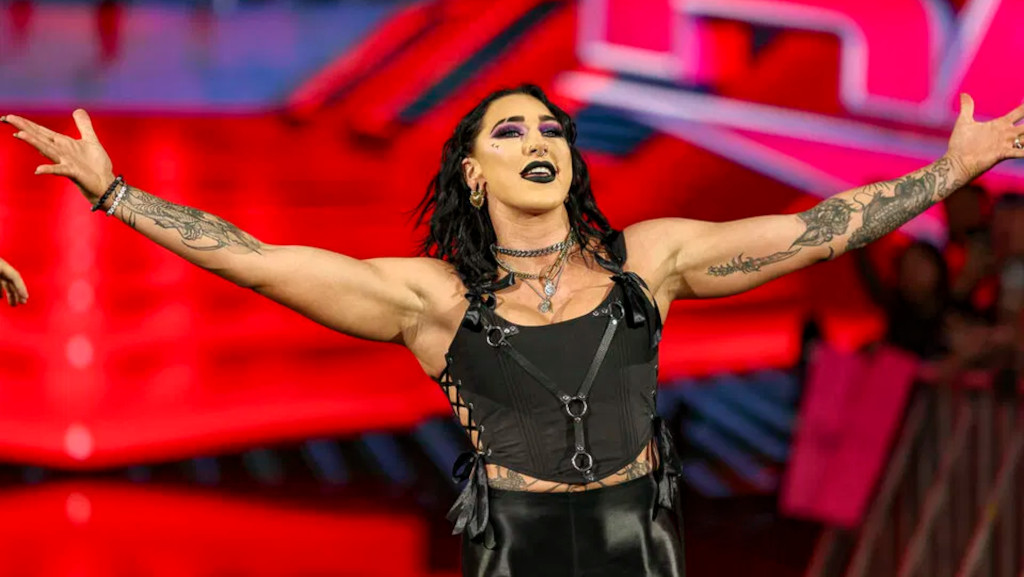
The commercial success of Rhea Ripley’s personal brand is a clear indicator of her widespread appeal and the effectiveness of her branding strategy. Her merchandise, from t-shirts emblazoned with “Mami” to other fan-centric items, consistently performs well, demonstrating a strong demand from her dedicated fanbase. This commercial success is a direct reflection of her ability to connect with audiences on a deep level.
Her active engagement on social media and her presence at fan events further solidify this connection, transforming casual viewers into loyal followers. The “Mami” phenomenon has transcended the wrestling ring, becoming a cultural touchstone for many, evidenced by the widespread use of the term and the enthusiastic reception she receives. This ability to cultivate a passionate and commercially viable fanbase is a hallmark of a truly successful personal brand. The consistent demand for her merchandise and the fervent support she garners at live events underscore the power of her persona and its resonance with a global audience, making her a highly valuable asset for any promotion.
In conclusion, “what happened to Rhea Ripley?” is not a question of decline or disappearance, but rather one of profound evolution and enduring impact. Her journey from “The Nightmare” to the universally recognized “Mami” is a masterclass in personal branding. By meticulously crafting an identity rooted in power, authenticity, and an evolving aesthetic, Rhea Ripley has not only conquered the wrestling ring but has also carved out a significant and influential space within the broader landscape of entertainment. Her story is a testament to the power of a well-defined and dynamically evolving brand in the modern era, demonstrating that true dominance is built not just on physical prowess, but on a compelling narrative and an undeniable connection with the audience.
aViewFromTheCave is a participant in the Amazon Services LLC Associates Program, an affiliate advertising program designed to provide a means for sites to earn advertising fees by advertising and linking to Amazon.com. Amazon, the Amazon logo, AmazonSupply, and the AmazonSupply logo are trademarks of Amazon.com, Inc. or its affiliates. As an Amazon Associate we earn affiliate commissions from qualifying purchases.