
The seemingly simple question of “what does turtles eat” opens a surprisingly complex door into the diverse dietary habits of these ancient reptiles. While the common image of a turtle might conjure up a slow-moving creature munching on lettuce, the reality is far more nuanced, spanning a spectrum from strict herbivores to voracious carnivores, and many omnivorous creatures in between. Understanding their diet is not just a matter of curiosity; it’s crucial for their health, conservation, and the successful management of both wild and captive populations. This exploration delves into the fascinating world of turtle nutrition, examining the varied diets of different species, the ecological roles they play, and the implications of dietary choices for their well-being.

The Spectrum of Turtle Diets: Herbivores, Carnivores, and Omnivores
The vast diversity of turtle species, spread across terrestrial, freshwater, and marine environments, dictates a wide array of dietary preferences. This variation is a testament to evolutionary adaptation, with each species honing its feeding strategies to thrive in its specific ecological niche.
Terrestrial Tortoises: The Grazing Specialists
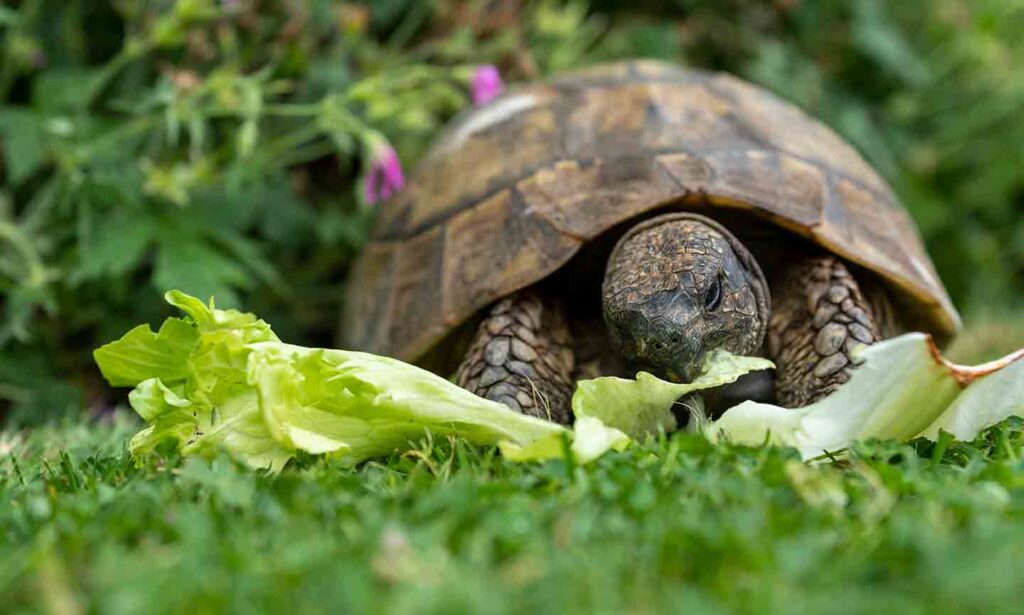
Land-dwelling tortoises are overwhelmingly herbivorous. Their digestive systems are optimized for processing tough, fibrous plant matter, including grasses, leaves, flowers, fruits, and succulents. Species like the Galapagos tortoise are known for their extensive grazing, consuming large quantities of vegetation. The African spurred tortoise (Sulcata tortoise), one of the largest tortoise species, also relies heavily on dry grasses and weeds. Their diet is characterized by high fiber content, which aids digestion and provides essential nutrients.
For these herbivores, variety is key. A balanced diet should mimic the diverse flora they would encounter in their natural habitats. This means providing a mix of leafy greens (kale, collards, dandelion greens), appropriate vegetables (squash, carrots in moderation), and occasional fruits for hydration and a sugar boost. It’s important to note that certain plants can be toxic to tortoises, so careful research into species-specific dietary needs is paramount. The calcium-to-phosphorus ratio is also critical for bone health, and a lack of adequate calcium can lead to debilitating metabolic bone disease. This is often addressed through proper supplementation or by feeding a diet rich in calcium-containing plants.
Aquatic and Semi-Aquatic Turtles: Opportunistic Omnivores
The majority of freshwater and semi-aquatic turtles, such as the Painted turtle, Red-eared slider, and Snapping turtle, are omnivores. Their diets are highly adaptable and can change with age and availability of food sources. Young aquatic turtles tend to be more carnivorous, consuming insects, small fish, crustaceans, and worms. As they mature, their diet often shifts towards a greater proportion of plant matter, including aquatic vegetation, algae, and fallen fruits.
This omnivorous flexibility allows them to exploit a wide range of food resources, giving them a survival advantage in diverse aquatic environments. For instance, a Red-eared slider in its natural habitat might feed on algae and aquatic plants, but also readily consume small invertebrates and occasional carrion. The Common snapping turtle, with its powerful jaws, can consume a broad spectrum of food, including fish, amphibians, birds, small mammals, and aquatic plants. Their opportunistic feeding behavior contributes to their ecological role as scavengers, helping to keep aquatic ecosystems clean.
In captivity, replicating this omnivorous diet requires careful consideration. A base diet of high-quality commercial turtle pellets, formulated to provide balanced nutrition, is often recommended. This should be supplemented with a variety of vegetables (e.g., romaine lettuce, zucchini, bell peppers) and protein sources (e.g., earthworms, crickets, ghost shrimp, small feeder fish). The frequency and proportion of protein versus plant matter will vary depending on the species and age of the turtle. Overfeeding protein, especially to young turtles, can lead to rapid growth and potential health problems.
Marine Turtles: Specialized Diets Reflecting Ocean Life
The diets of marine turtles are as varied as the oceans they inhabit. Each species has evolved specialized feeding mechanisms and preferences to suit its particular marine environment.
- Green Sea Turtles: Primarily herbivorous as adults, Green sea turtles graze on seagrasses and algae. Their digestive systems are adapted to break down these tough plant materials, and they play a vital role in maintaining the health of seagrass beds. Juvenile Green sea turtles, however, are more omnivorous, consuming a wider range of invertebrates and small fish.
- Loggerhead Sea Turtles: These turtles are largely carnivorous, with a diet consisting of bottom-dwelling invertebrates such as conchs, crabs, mollusks, and sea urchins. Their powerful jaws and strong skulls are designed to crush hard shells.
- Hawksbill Sea Turtles: With their narrow, bird-like beaks, Hawksbill sea turtles are specialized for foraging in coral reefs. They feed on sponges, a food source that is toxic to most other marine animals. Their feeding habits are crucial for the health and regeneration of coral reefs, as they prevent sponges from overgrowing and smothering corals.
- Leatherback Sea Turtles: The largest of all sea turtles, Leatherbacks have a unique diet consisting almost exclusively of jellyfish. Their throat lining is adapted to prevent jellyfish from escaping, and their digestive system can handle the jelly-like material.
- Kemp’s Ridley and Olive Ridley Sea Turtles: These species are omnivores, feeding on a variety of crustaceans, mollusks, fish, and algae. They are known to aggregate in large numbers to feed on specific prey, such as sea urchins and crabs.
- Flatback Sea Turtles: Found only in the waters around Australia, Flatback turtles have a diet that includes sea cucumbers, jellyfish, mollusks, and crustaceans.
Understanding these specialized diets is critical for marine conservation efforts. Changes in prey availability due to climate change, pollution, or overfishing can have devastating impacts on marine turtle populations. Protecting their habitats, such as seagrass beds and coral reefs, is therefore directly linked to ensuring the availability of their essential food sources.
Factors Influencing Turtle Diets
Beyond species-specific adaptations, several external factors can significantly influence what turtles eat. These include age, environmental conditions, and the availability of food.
Age and Life Stage: A Shifting Appetite
As mentioned, many turtle species exhibit a dietary shift as they grow. Hatchlings and juveniles are often more carnivorous, benefiting from the higher protein content for rapid growth and development. This allows them to build strength and agility for survival in a competitive environment. As they mature, their metabolic rate may slow, and their dietary needs evolve. This transition to a more herbivorous or omnivorous diet in adulthood can be an adaptation to access more readily available, less energetically costly food sources. For example, the increased fibrous plant matter in an adult tortoise’s diet is easier to digest and provides sustained energy.
In managed environments, such as zoos or private collections, this age-related dietary shift must be carefully managed. Providing the correct balance of nutrients at each life stage is crucial for preventing developmental issues, obesity, or malnutrition. Nutritional deficiencies in young turtles can lead to skeletal deformities, while an overabundance of protein in adults can contribute to organ damage.
Environmental Conditions: Resource Availability and Adaptation
The environment in which a turtle lives is a primary determinant of its diet. In the wild, turtles are opportunistic feeders, adapting their food choices based on what is seasonally available.
- Seasonal Fluctuations: During wetter seasons, aquatic turtles may have access to a wider variety of lush aquatic plants and abundant insect larvae. In drier periods, they might rely more on scavenging or less palatable vegetation. Terrestrial tortoises in arid regions have adapted to consume drought-resistant plants and can go for extended periods without food or water, relying on stored reserves.
- Habitat Quality: The health and richness of a turtle’s habitat directly impact its food sources. Pollution in waterways can reduce the availability of invertebrates and aquatic plants, forcing turtles to seek less nutritious alternatives or face starvation. The destruction of seagrass beds due to coastal development or poor water quality poses a significant threat to Green sea turtles.
- Climate Change: Shifting weather patterns and rising sea temperatures can disrupt food webs, impacting prey populations and altering the availability of essential food sources for marine turtles. For instance, warmer ocean temperatures can affect jellyfish populations, a primary food source for Leatherbacks.
Understanding these environmental influences is vital for conservationists. Protecting and restoring natural habitats ensures that turtles have access to the diverse and nutritious food sources they need to survive and reproduce.
Nutritional Needs and Health Implications
The diet of a turtle is not simply about sustenance; it’s about providing the right balance of nutrients for optimal health and longevity. Nutritional imbalances can lead to a range of health problems.
Macronutrients: Protein, Fats, and Carbohydrates
- Protein: Essential for growth, tissue repair, and immune function. Carnivorous and omnivorous turtles require a higher protein intake, especially during their juvenile stages. However, excessive protein can be detrimental, leading to kidney problems and shell deformities.
- Fats: Provide energy and are necessary for the absorption of fat-soluble vitamins. While essential, an unbalanced diet can lead to obesity and associated health issues.
- Carbohydrates: Primarily come from plant matter and provide energy. Herbivorous turtles are adept at digesting complex carbohydrates from fibrous vegetation.
Micronutrients: Vitamins and Minerals
- Calcium and Phosphorus: This is perhaps the most critical mineral balance for all turtles. Calcium is essential for strong bones, shell development, and nerve function. Phosphorus plays a role in bone metabolism and energy production. A diet with an improper calcium-to-phosphorus ratio (ideally 2:1) can lead to Metabolic Bone Disease (MBD), a serious condition characterized by soft, deformed shells, and bone weakness.
- Vitamin D3: Crucial for calcium absorption. In captive turtles, this is often obtained through exposure to UVB light, which stimulates its production in the skin. Without adequate Vitamin D3, even a calcium-rich diet can be ineffective.
- Other Vitamins and Minerals: A variety of other vitamins (e.g., A, E, K, B complex) and minerals (e.g., magnesium, potassium) are essential for various bodily functions, including vision, immune response, and enzyme activity. A diverse diet is the best way to ensure a comprehensive intake of these micronutrients.

Common Dietary-Related Health Issues
- Metabolic Bone Disease (MBD): As previously discussed, this is a widespread problem, particularly in captive reptiles, stemming from inadequate calcium, improper calcium-to-phosphorus ratios, or insufficient UVB exposure.
- Obesity: Common in captive turtles fed diets too high in fat or calories, leading to heart disease, organ failure, and reduced mobility.
- Kidney and Liver Disease: Often linked to diets too high in protein, or containing toxins and unsuitable food items.
- Digestive Impaction: Can occur if a turtle ingests non-digestible materials or if the diet lacks sufficient fiber, leading to blockages in the digestive tract.
- Vitamin Deficiencies: Can manifest in various ways, including eye problems (Vitamin A deficiency), poor immune function, and neurological issues.
Ensuring a well-balanced and species-appropriate diet is the cornerstone of maintaining a healthy turtle, whether in the wild or under human care. Continuous research and careful observation are vital for understanding and meeting the complex nutritional needs of these fascinating reptiles.
aViewFromTheCave is a participant in the Amazon Services LLC Associates Program, an affiliate advertising program designed to provide a means for sites to earn advertising fees by advertising and linking to Amazon.com. Amazon, the Amazon logo, AmazonSupply, and the AmazonSupply logo are trademarks of Amazon.com, Inc. or its affiliates. As an Amazon Associate we earn affiliate commissions from qualifying purchases.