
The Common Access Card (CAC) is far more than just a piece of plastic; it’s a sophisticated, multi-functional smart card that serves as the cornerstone of identity verification and secure access for millions of individuals within the United States Department of Defense (DoD) and other federal agencies. Its seemingly simple exterior belies a complex internal architecture designed to protect sensitive information, enable digital signatures, and facilitate secure communication. Understanding what the CAC contains is crucial for anyone who uses or interacts with this critical piece of technology. This article will delve into the technical components and functionalities embedded within the CAC, providing a comprehensive overview of its contents and the security it underpins.
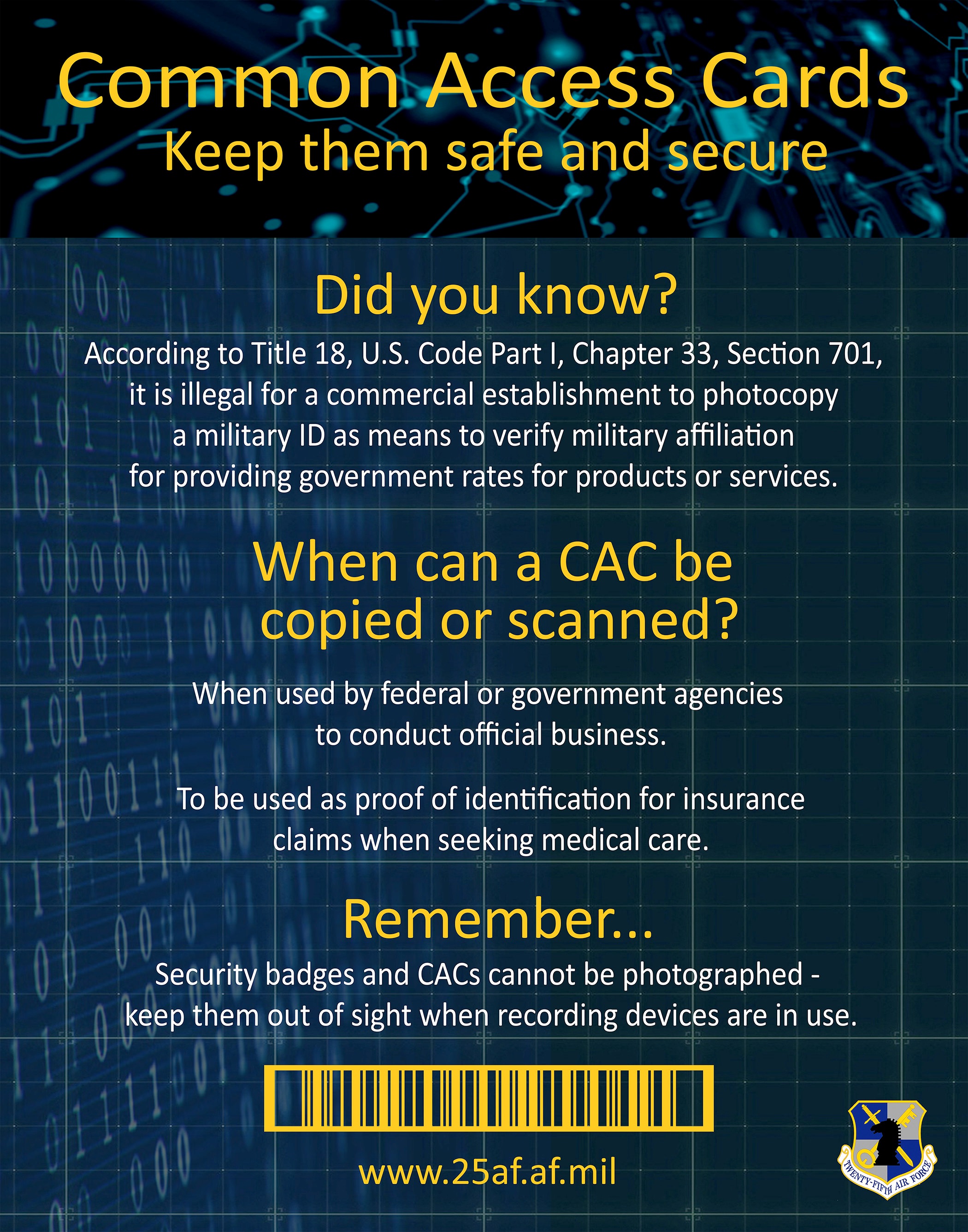
The CAC’s design prioritizes security and interoperability, adhering to stringent government standards. Its primary purpose is to provide a verifiable digital identity for authorized personnel, enabling them to access physical facilities, secure networks, and protected information systems. This is achieved through a combination of physical features and embedded digital capabilities, all meticulously designed to prevent unauthorized access and ensure data integrity.
The Physical Embodiment of Digital Identity
At its core, the CAC is a physical token designed to house and protect sensitive digital information. Its physical characteristics are designed to be robust and difficult to counterfeit, providing a first layer of security.
Card Materials and Construction
The Common Access Card is typically manufactured from durable PVC (polyvinyl chloride) or a composite material, similar to credit cards. This ensures longevity and resistance to everyday wear and tear. The card is designed to meet specific size and thickness standards, making it compatible with standard card readers and systems.
Security Features on the Card Surface
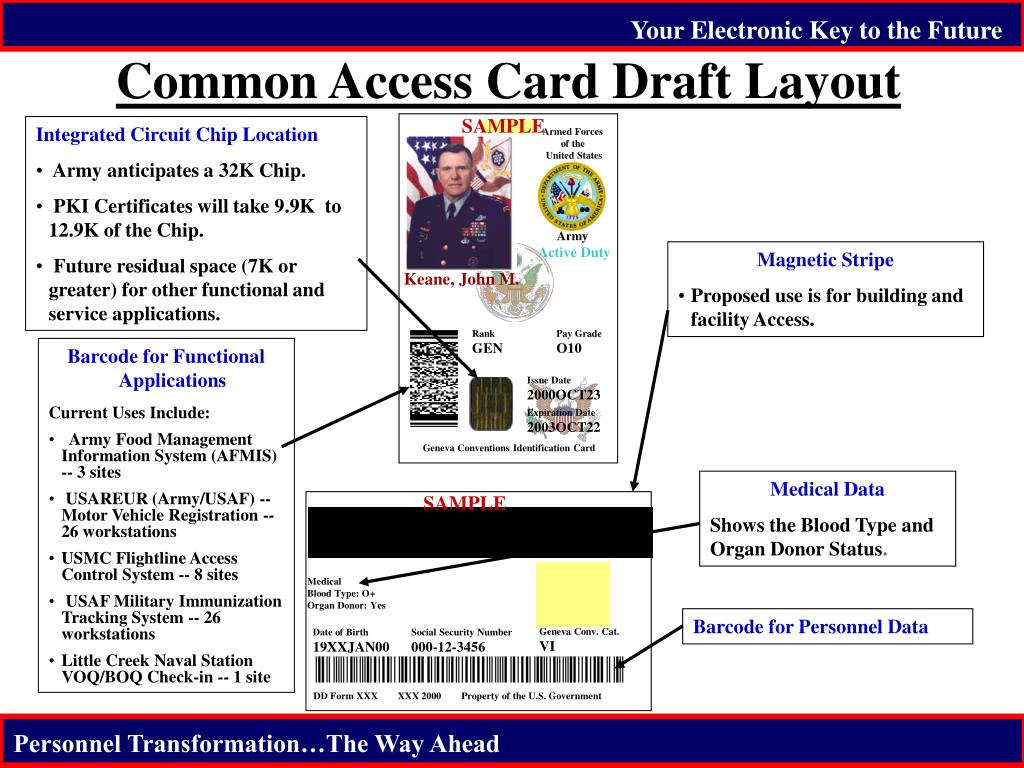
Beyond the materials, the physical surface of the CAC incorporates several overt and covert security features to deter counterfeiting and tampering. These include:
- Holograms: A prominent holographic image, often depicting the DoD seal or other agency insignia, is embedded in the card. These holograms are complex and difficult to replicate accurately, serving as a visual indicator of authenticity.
- Microprinting: Very small text, often too small to be seen with the naked eye, is printed on the card. This microprinting can contain identifying information or security patterns that are hard for counterfeiters to reproduce.
- UV Markings: Certain elements or patterns on the card may only be visible under ultraviolet (UV) light. These invisible markings provide an additional layer of authentication that can be checked by authorized personnel.
- Embossed Information: The cardholder’s name, DoD ID number, and other identifying details are often embossed (raised) on the card, a feature that is difficult to replicate with standard printing techniques.
- Photographic Image: A clear, high-resolution photograph of the cardholder is affixed to the card, often with a secure laminate overlay that further prevents tampering.
- Unique Serial Number: Each CAC is assigned a unique serial number, which is crucial for tracking and management.
These physical security features, while not directly containing digital data, are integral to the CAC’s overall security framework. They serve as the initial barrier, prompting scrutiny of the card’s authenticity before any digital access is even attempted.
The Digital Heart: Embedded Microchip and Cryptographic Capabilities
The most critical components of the CAC are housed within its embedded microchip. This chip is a sophisticated piece of technology that stores digital certificates, cryptographic keys, and other essential data, enabling the card to perform its primary functions.
The Integrated Circuit (IC) Chip
The CAC features a contact-based integrated circuit (IC) chip, which is a miniature computer capable of performing complex cryptographic operations. This chip is the engine that drives the CAC’s secure identity and access capabilities. The chip is designed to be tamper-resistant, meaning any attempt to physically breach it would likely render its contents inaccessible or unusable.
Data Storage and Management
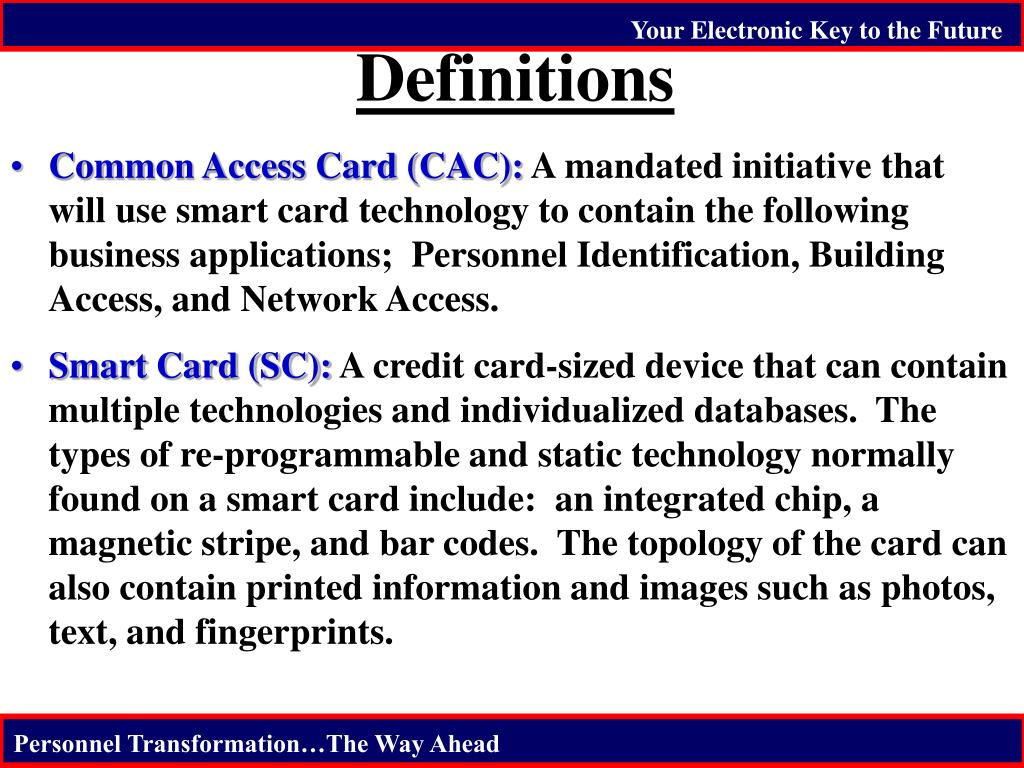
The IC chip on the CAC contains a variety of critical data elements, managed through secure file structures. These elements include:
- Digital Certificates: This is arguably the most important content on the CAC. Digital certificates are electronic credentials that bind a public key to an individual’s identity. They are issued by trusted Certificate Authorities (CAs) and are used to:
- Authenticate the Cardholder: Verify that the person presenting the card is who they claim to be.
- Enable Digital Signatures: Allow the cardholder to digitally sign documents and emails, providing non-repudiation and ensuring the integrity of the message.
- Encrypt and Decrypt Data: Facilitate secure communication by enabling the encryption of sensitive information and the decryption of messages sent to the cardholder.
- Public Key Infrastructure (PKI) Information: The CAC is a key component of the DoD’s PKI. It contains the cardholder’s public key, which is used by others to encrypt messages for the cardholder or to verify their digital signatures. The corresponding private key is securely stored within the chip and is never accessible outside of it.
- Cardholder Identification Information: While sensitive Personally Identifiable Information (PII) is not typically stored directly on the chip in an unencrypted form for broad access, certain identifiers are present to link the digital credentials to the physical cardholder. This may include a unique card identifier or a reference to the individual’s identity within a secure directory.
- Cryptographic Keys: The chip securely stores the cardholder’s private key. This key is essential for performing cryptographic operations such as signing and decrypting. Its security is paramount, and it is protected by the chip’s hardware and firmware.
- Agency-Specific Information: Depending on the issuing agency and the cardholder’s role, the CAC may contain additional data relevant to specific access requirements or organizational policies. This could include clearances, access levels, or specific authorization tokens.
The secure storage and cryptographic processing capabilities of the IC chip are what empower the CAC to act as a robust digital identity credential. Without this embedded technology, the CAC would be little more than a laminated ID.
Functionality: What the Contents Enable
The data and cryptographic capabilities housed within the CAC translate into a range of essential functionalities that are critical for operations within the DoD and other government entities. These functions are designed to enhance security, streamline processes, and protect sensitive information.
Secure Authentication and Access Control
The primary function enabled by the CAC’s contents is secure authentication. This process verifies the identity of the user attempting to access a resource.
Two-Factor Authentication (2FA)
The CAC is a fundamental element of two-factor authentication. When a user inserts their CAC into a reader and enters their Personal Identification Number (PIN), they are providing two distinct factors for verification: something they have (the CAC) and something they know (the PIN). This significantly strengthens security compared to single-factor authentication methods.
- Network Access: The CAC is used to log into secure government networks, including classified and unclassified systems. This prevents unauthorized individuals from accessing sensitive military and government data.
- Physical Access: In many government facilities, CAC readers are integrated into access control systems. Inserting the CAC and providing the correct PIN can grant access to secured buildings, floors, or specific rooms.
- Application Access: Many internal government applications, such as email, document management systems, and communication platforms, require CAC authentication to ensure that only authorized personnel can access and use them.
Digital Signatures and Encryption
The cryptographic capabilities of the CAC are vital for ensuring the confidentiality and integrity of digital communications and transactions.
- Secure Email: The CAC enables users to send and receive encrypted and digitally signed emails. This ensures that only the intended recipient can read the email and that the sender can be positively identified, preventing spoofing and message tampering. Technologies like S/MIME (Secure/Multipurpose Internet Mail Extensions) leverage the CAC’s digital certificates for this purpose.
- Document Signing: For official documents, digital signatures provided by the CAC offer a legally binding equivalent to a handwritten signature. This is critical for maintaining the integrity and authenticity of official records, contracts, and reports.
- Secure Data Transmission: Beyond email, the CAC can be used to establish secure connections for data transmission to and from government systems, protecting sensitive information during transit.
Identity Management and Verification
The CAC plays a central role in the broader identity management ecosystem of the federal government.
- Attribute Verification: The digital certificates on the CAC can contain various attributes about the cardholder, such as their rank, clearance level, or specific roles. This allows systems to automatically verify these attributes without requiring manual checks, streamlining access provisioning.
- Auditing and Logging: Every authentication and cryptographic operation performed using a CAC is logged. This provides a comprehensive audit trail, which is essential for security monitoring, incident response, and accountability. If an unauthorized access attempt occurs or a policy violation is detected, the logs generated by CAC usage can be invaluable in an investigation.
In conclusion, the Common Access Card is a sophisticated technological artifact that integrates physical security features with advanced digital capabilities. Its contents, particularly the embedded microchip containing digital certificates and cryptographic keys, are the foundation for its multi-faceted security functions. From enabling secure network and physical access to facilitating encrypted communications and digital signatures, the CAC is indispensable for maintaining the security and operational integrity of the U.S. Department of Defense and other federal agencies. Understanding what it contains empowers users and administrators alike to better appreciate and leverage its capabilities in an increasingly digital and interconnected world.
aViewFromTheCave is a participant in the Amazon Services LLC Associates Program, an affiliate advertising program designed to provide a means for sites to earn advertising fees by advertising and linking to Amazon.com. Amazon, the Amazon logo, AmazonSupply, and the AmazonSupply logo are trademarks of Amazon.com, Inc. or its affiliates. As an Amazon Associate we earn affiliate commissions from qualifying purchases.