
Gold. The very word conjures images of opulence, prestige, and enduring value. For centuries, it has been the metal of kings, the currency of empires, and a universal signifier of wealth and importance. In the competitive landscape of branding, understanding the symbolic power of colors is paramount. Among the spectrum, gold stands out as a potent and multifaceted hue, capable of imbuing a brand with a distinct aura and communicating a specific set of values to its target audience. This article delves into the symbolic meanings of gold and explores how brands strategically leverage its power to cultivate identity, convey prestige, and forge deeper connections with consumers.
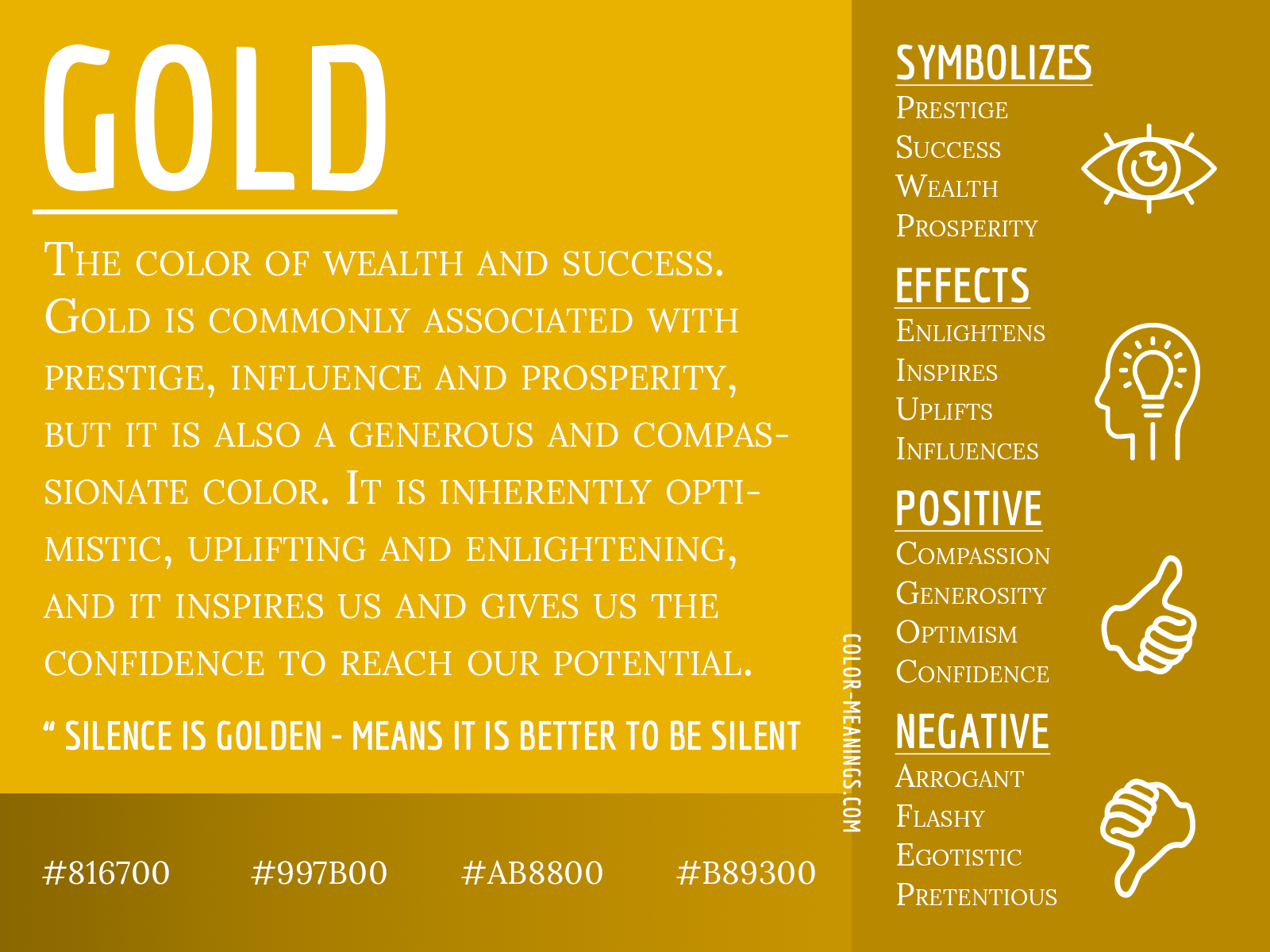
The Intrinsic Allure of Gold: Power, Prestige, and Divinity
Gold’s symbolic weight is deeply rooted in human history and psychology. Its rarity, natural luster, and resistance to corrosion have long associated it with permanence, purity, and divine favor. These inherent qualities translate directly into the brand perceptions that marketers aim to cultivate.
A Timeless Icon of Wealth and Prosperity
From ancient civilizations adorning their pharaohs and deities with gold to modern economies pegging their currency to its value, gold has consistently been the ultimate symbol of wealth. In branding, this translates to an immediate association with affluence, luxury, and financial success. Brands that employ gold in their visual identity often aim to position themselves as aspirational, exclusive, and catering to a discerning clientele.
Consider the luxury fashion houses that prominently feature gold accents in their logos and packaging. Think of high-end jewelry brands that use gold as their primary material and brand identifier. The mere presence of gold communicates a premium product or service, suggesting an investment rather than a mere purchase. It whispers of quality craftsmanship, superior materials, and an elevated experience. For brands seeking to occupy the upper echelons of their respective markets, gold offers a shortcut to conveying this perception of wealth and exclusivity, making it an invaluable tool in their branding arsenal.
The Aura of Royalty and Superiority
Throughout history, gold has been the prerogative of royalty and the divine. Its use was often restricted to rulers, religious figures, and sacred artifacts, further solidifying its association with power, authority, and elevated status. This historical resonance continues to influence how consumers perceive brands that utilize gold.
When a brand incorporates gold into its visual language, it taps into this deep-seated cultural understanding of superiority. It suggests that the brand itself possesses an inherent quality of leadership and excellence. This can be particularly effective in industries where trust and perceived authority are critical. For instance, financial institutions, legal firms, or even high-end automotive brands might strategically employ gold to evoke a sense of established power, reliability, and a commitment to being the best. The color can act as a silent testament to the brand’s long-standing reputation and its ability to command respect within its domain. It imbues the brand with an almost regal presence, setting it apart from competitors and drawing in consumers who aspire to associate with such esteemed entities.
Connecting to Divinity and Spirituality
Beyond its material value, gold has also been imbued with spiritual and divine connotations. In many cultures and religions, gold represents enlightenment, divine wisdom, and eternal life. It is often associated with the sun, a celestial body revered for its life-giving energy and supreme power. This spiritual dimension adds another layer of meaning to the color, allowing brands to tap into deeper, more transcendent values.
While not as overtly utilized as its association with wealth, the spiritual undertones of gold can subtly influence brand perception. Brands that aim for a sense of inner peace, spiritual well-being, or a connection to something larger than themselves might cautiously incorporate gold. Think of wellness brands that use subtle gold accents to evoke serenity and inner radiance, or brands focused on mindfulness and self-discovery that use gold to represent the pursuit of higher consciousness. This subtle application can imbue a brand with a sense of purity, truth, and an almost sacred quality, attracting consumers who are seeking more than just a transactional relationship and are drawn to brands that resonate with their spiritual aspirations.
Strategic Deployment of Gold in Brand Identity
The mere inclusion of gold in a brand’s palette is not enough. Its true power lies in its strategic and thoughtful application, ensuring it aligns with the brand’s core values and target audience.
Logos and Wordmarks: The Golden Seal of Approval
Perhaps the most common application of gold in branding is within logos and wordmarks. A golden logo instantly elevates a brand’s perceived value and can communicate a strong sense of prestige. The choice between a bright, shimmering gold and a more muted, antique gold can further refine the message.
-
Metallic Finishes: Using metallic gold inks or foil stamping on packaging, business cards, or other printed materials creates a tangible sense of luxury. The way light reflects off the gold adds a dynamic and eye-catching element, drawing attention and conveying a premium feel. This is particularly effective for products where tactile experience is important, such as high-end chocolates, exclusive spirits, or designer stationery. The physical presence of gold in these applications reinforces the idea of a valuable and carefully crafted product.
-
Digital Representation: In the digital realm, achieving the visual impact of metallic gold requires careful design and rendering. Brands use gradients, subtle textures, and strategic lighting effects to simulate the sheen and depth of real gold. Even in a purely digital format, the visual cues of gold can powerfully convey luxury and sophistication, making it a popular choice for online luxury retailers, exclusive apps, or premium digital services.
Packaging and Product Design: The Golden Touch of Excellence
The packaging of a product is often the first physical interaction a consumer has with a brand. When that packaging incorporates gold, it immediately sets expectations of quality and desirability. This is especially prevalent in industries such as cosmetics, jewelry, and gourmet food.
- Creating Unboxing Experiences: For many luxury brands, the unboxing experience is as important as the product itself. Gold accents on boxes, ribbons, or tissue paper can transform a simple package into a gift-worthy, memorable event. This elevates the perceived value of the item inside and fosters a sense of anticipation and delight. The act of revealing a product nestled within gold-embellished packaging reinforces the idea that one is about to encounter something special and valuable.

- Product Differentiation: In crowded marketplaces, a touch of gold can make a product stand out. Whether it’s a subtle gold band on a perfume bottle, a gold-plated component on an electronic device, or a gold-embossed label on a wine bottle, these details communicate craftsmanship and attention to detail. They suggest that the product has been designed with a higher standard in mind, differentiating it from more generic offerings and appealing to consumers who appreciate finer details and superior aesthetics.
Website and Digital Presence: The Digital Gleam of Sophistication
In the digital age, a brand’s website and online presence are critical touchpoints. Gold can be used judiciously to inject a sense of sophistication and exclusivity into the online experience.
-
Subtle Accents and Interactive Elements: Overuse of gold online can quickly become gaudy. However, strategic use of subtle gold accents in buttons, borders, or as highlights on key information can lend an air of elegance. Interactive elements that shimmer or gleam with gold effects can also enhance user engagement and reinforce the brand’s premium positioning. For example, a “Learn More” button that subtly glows with a golden hue upon hover can make the interaction feel more significant and luxurious.
-
Visual Storytelling: Gold can be a powerful tool for visual storytelling on a brand’s website. High-quality imagery featuring golden elements, or even abstract representations of gold, can evoke the desired emotions and associations. This could include imagery of golden sunsets to convey aspiration, or intricate golden patterns to suggest heritage and craftsmanship. This allows brands to communicate their values and personality through a rich visual narrative, making the online experience more immersive and impactful.
The Nuances of Gold: Tone and Context Matter
While gold universally symbolizes wealth and prestige, its specific meaning can be nuanced and depends heavily on how it is used and in what context. Understanding these nuances is crucial for effective brand building.
Different Shades, Different Messages
The type of gold used can drastically alter its symbolic meaning. A bright, vibrant yellow gold often conveys a sense of exuberance, optimism, and overt luxury. It’s bold and attention-grabbing. In contrast, a softer, more antique or rose gold can evoke a sense of vintage charm, romance, or understated elegance. A muted, brushed gold might suggest a more modern, sophisticated, and less ostentatious form of luxury.
- Warm vs. Cool Tones: The interplay of warm and cool tones within a gold palette can also influence perception. Warmer golds tend to feel more inviting and traditional, while cooler, almost brassy golds might lean towards a more modern, edgy, or industrial aesthetic. Brands must carefully consider which tone best aligns with their specific brand personality and the emotional response they wish to elicit.
Balancing Gold with Other Colors
Gold rarely stands alone. Its impact is often amplified or softened by the colors it is paired with. Pairing gold with deep blues or rich purples can enhance its regal and opulent feel. Contrasting gold with stark whites or blacks can create a bold, graphic, and contemporary look.
- Creating Harmony and Contrast: The choice of complementary colors can dictate whether the gold is perceived as the dominant element or a sophisticated accent. For instance, a brand aiming for a classic, timeless appeal might pair gold with cream or ivory for a gentle, harmonious effect. Conversely, a brand seeking to make a strong, contemporary statement might use gold against a deep, matte black for maximum visual impact and a sophisticated edge. The interplay between gold and its surrounding colors is a delicate dance that requires careful consideration to achieve the desired brand identity.
Risks and Considerations When Using Gold in Branding
Despite its powerful symbolism, the use of gold in branding is not without its challenges. Overdoing it or misapplying it can lead to unintended negative perceptions.
The Peril of Ostentation and Gimmickry
The most significant risk associated with using gold is the potential for it to appear gaudy, overly ostentatious, or even cheap if not handled with skill and restraint. If gold is used excessively or in a way that feels inauthentic to the brand’s core values, it can alienate consumers and undermine the intended message of sophistication and quality.
- Authenticity is Key: Consumers are increasingly discerning and can spot disingenuous attempts at luxury. A brand that is fundamentally mass-market or offers products of questionable quality will likely find that gold accents do not magically elevate its perception. In fact, it can backfire, making the brand seem like it’s trying too hard to mask its shortcomings with superficial adornment. Authenticity in brand values and product quality must always be the foundation upon which any branding strategy, including the use of gold, is built.

Understanding Your Audience’s Perception
The symbolic meaning of gold, while broadly understood, can also have subtle variations based on cultural backgrounds and individual experiences. It’s essential for brands to understand how their target audience is likely to perceive the use of gold.
- Cultural Relativity: In some cultures, gold might be more strongly associated with religious significance or specific historical events, which could influence its reception. While universally a symbol of wealth, the specific nuances of that wealth—whether it’s seen as generous, hoarded, or traditional—can differ. Brands targeting a global audience must be mindful of these potential cultural interpretations and ensure their use of gold is universally understood and positively received. Thorough market research and an understanding of the cultural context are vital to avoid misinterpretations and ensure the chosen symbolism resonates effectively.
In conclusion, gold is a color rich with symbolism, offering brands a potent way to communicate prestige, power, and enduring value. However, its effectiveness hinges on strategic and thoughtful application. By understanding the nuances of gold’s historical and psychological associations, and by deploying it with care and authenticity, brands can harness its inherent allure to craft compelling identities, forge deeper connections with their audiences, and ultimately, stand out in a crowded marketplace. The golden touch, when applied wisely, can indeed be a mark of true excellence.
aViewFromTheCave is a participant in the Amazon Services LLC Associates Program, an affiliate advertising program designed to provide a means for sites to earn advertising fees by advertising and linking to Amazon.com. Amazon, the Amazon logo, AmazonSupply, and the AmazonSupply logo are trademarks of Amazon.com, Inc. or its affiliates. As an Amazon Associate we earn affiliate commissions from qualifying purchases.