
The quest for vibrant, salon-fresh hair color often leads us down a rabbit hole of products and techniques. Among these, purple shampoo has emerged as a cult favorite, particularly for those with blonde or highlighted hair seeking to combat brassiness. But what about brunettes? Can purple shampoo offer any benefits to brown hair, or is it a tool best left to lighter locks? The answer, like the nuanced tones of brown hair itself, is complex and warrants a closer look.
For brunettes, the purpose of purple shampoo isn’t typically about neutralizing overt brassy or orange tones. Instead, it’s about enhancing and maintaining the richness and depth of their natural or colored brown hair. Understanding how purple shampoo works and its specific applications for brown hair requires delving into the science of color theory and the realities of hair color maintenance.
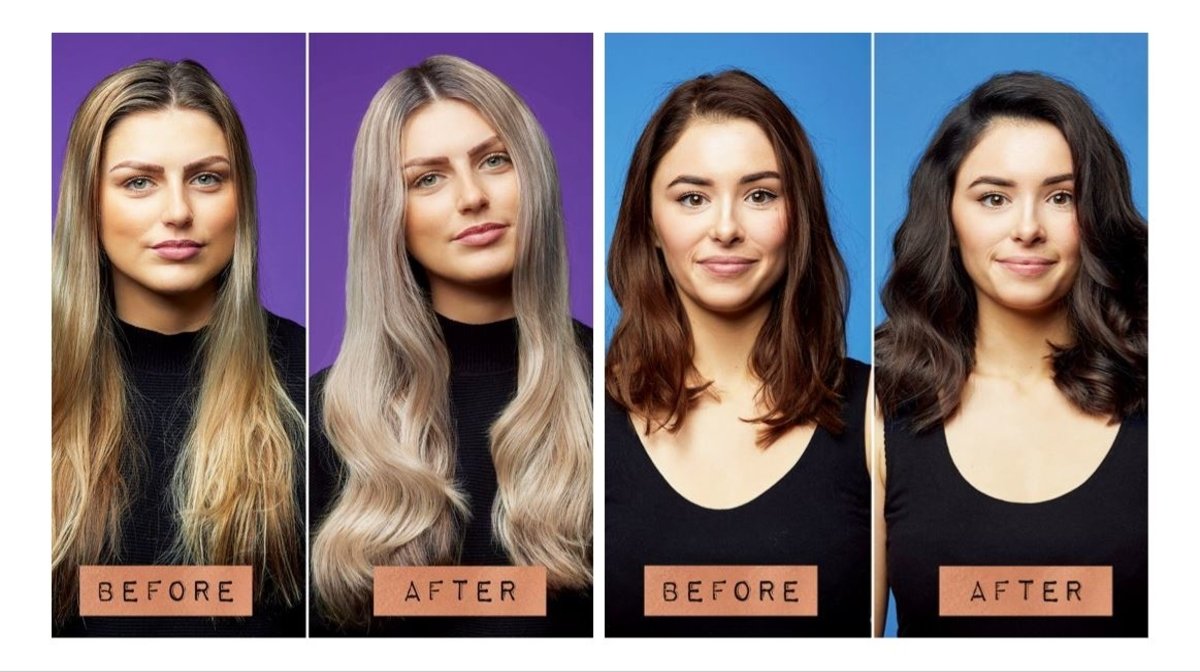
The core principle behind purple shampoo lies in the color wheel. Purple sits directly opposite yellow on the color wheel. This means that when purple tones are introduced to hair that has developed unwanted yellow undertones, they cancel each other out, neutralizing the brassiness. For blondes, this is crucial because prolonged exposure to heat, sun, or chemical processes can strip away cool pigments, revealing warmer, yellow tones.
While brown hair doesn’t typically exhibit the stark yellow tones seen in bleached blonde hair, it’s not immune to subtle shifts in color. Over time, the natural pigments in brown hair can also fade, leading to a dulling effect or the emergence of warmer undertones, sometimes perceived as a subtle brassiness or a reddish hue. This is where purple shampoo can play a surprisingly effective role for brunettes, albeit with a different objective.
The Science of Color Neutralization in Brown Hair
Understanding Undertones in Brown Hair
Brown hair, in its natural state, possesses a spectrum of undertones. These can range from cool, ash-based browns with hints of blue or violet, to warmer browns with red, orange, or even gold undertones. The perception of “brassy” brown hair often arises when the natural red or orange undertones become more prominent due to fading or environmental factors. This can make the hair appear less rich and more uniform in color.
For example, a dark brown might start to look a bit muddy or even reddish after a few weeks. A lighter brown, perhaps one that has been subtly highlighted or colored, might begin to show hints of gold or copper that weren’t there initially. These are not as extreme as the brassiness seen in blonde hair, but they can detract from the desired depth and dimension of the brown.
How Purple Pigment Interacts with Brown Tones
The effectiveness of purple shampoo on brown hair depends on the type of unwanted tones present. While pure purple is excellent at canceling yellow, brown hair might be exhibiting more subtle undertones like orange or even red.
-
Neutralizing Subtle Yellow/Gold: If a brunette’s hair has developed a faint yellow or golden hue, perhaps from sun exposure or washing with hard water, a purple shampoo can indeed help to neutralize these tones. The violet pigments will counteract the yellow, restoring a more neutral or even slightly cooler brown.
-
Enhancing Cool Brown Shades: For brunettes who naturally have or desire cooler, ash-based brown tones, purple shampoo can act as a maintenance tool. By depositing subtle violet pigments, it can help to counteract any emerging warmth, keeping the brown looking richer and more complex. This is particularly beneficial for those with dyed ash-brown hair, preventing it from turning warmer over time.
-
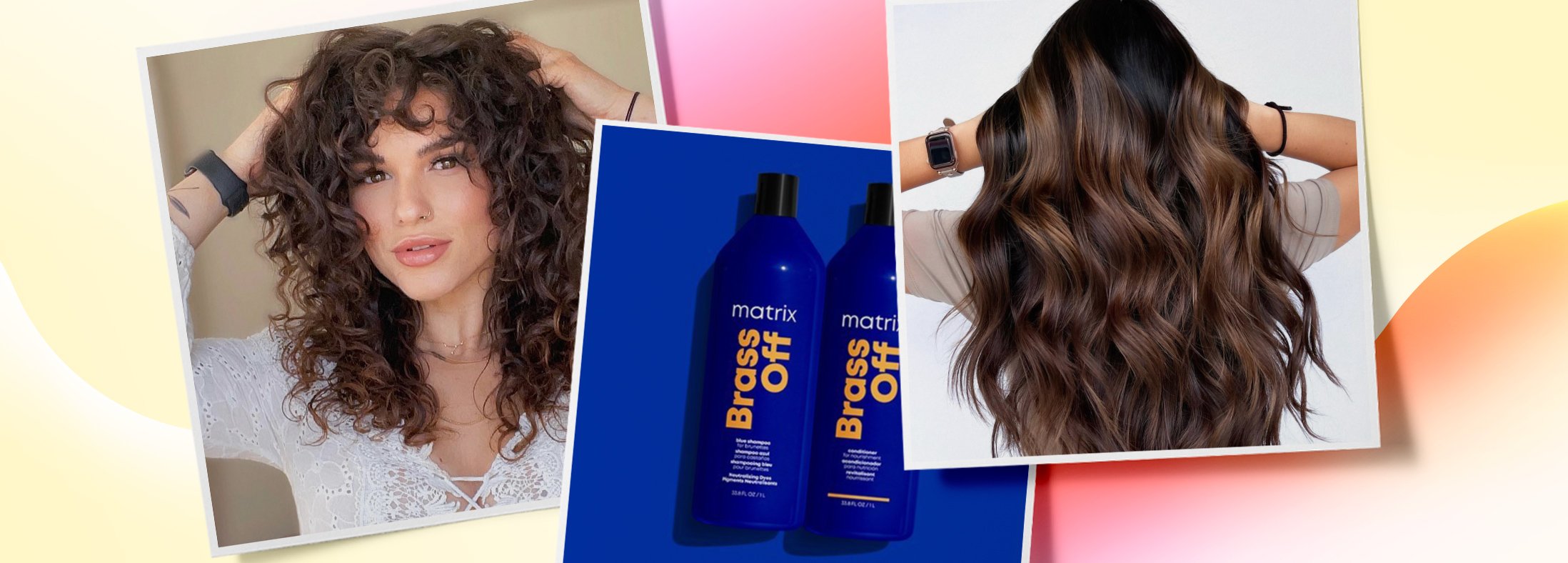
The Limitation with Red/Orange Undertones: It’s important to note that purple is not the ideal pigment to directly counteract strong red or orange tones. While it might offer a slight softening effect, shampoos specifically formulated with blue pigments are generally more effective at neutralizing orange and red. Therefore, if a brunette’s primary concern is significant brassiness in the red or orange spectrum, a blue shampoo might be a better choice.
Beyond Neutralization: Other Benefits for Brown Hair
While the color-correcting aspect is a primary draw, purple shampoo can offer other advantages for brown hair when used judiciously. These benefits often stem from the gentle cleansing and conditioning properties found in many purple shampoo formulations.
Maintaining Vibrancy and Depth of Color
For brunettes who have colored their hair, maintaining the vibrancy and depth of their chosen shade is crucial. Over time, the color molecules can fade, leading to a duller appearance. Purple shampoo, by neutralizing any underlying warm tones that can make a color look less saturated, can help the brown color appear richer and more true to its original shade.
Imagine a rich chocolate brown that starts to look a bit faded and has subtle reddish undertones creeping through. A regular wash might not address this. However, a purple shampoo can deposit enough violet pigment to counteract those emerging reds and browns, making the chocolate hue appear deeper and more intense. This isn’t about a dramatic color change, but rather a subtle refresh that keeps the color looking its best between salon visits.
Adding a Subtle Cool Tinge
In some instances, brunettes might be looking for a very subtle shift in their hair’s tone. While not a primary function, the violet pigments in purple shampoo can, with repeated use and depending on the hair’s porosity and current shade, impart a very faint cool or even slightly silvery sheen. This is more likely to be noticeable on lighter brown hair or hair that has been lightened. It’s a delicate effect, not a drastic transformation, and appeals to those who want to experiment with subtle tonal shifts without committing to a full color service.
Gentle Cleansing and Conditioning
Many purple shampoos are formulated with nourishing ingredients to protect and enhance hair. While their primary purpose is pigment deposition, they often function as a gentle cleansing agent. This means they can effectively clean the hair without stripping away natural oils, which is important for maintaining hair health and preventing dryness. Furthermore, many purple shampoos also contain conditioning agents that help to soften the hair, improve manageability, and add a healthy shine. This dual action of cleansing and conditioning makes them a valuable addition to the hair care routine for many.
How to Effectively Use Purple Shampoo on Brown Hair
The key to unlocking the benefits of purple shampoo for brown hair lies in understanding how to use it correctly. Overuse or incorrect application can lead to unwanted results, such as a dull, purplish tint. The goal is subtle enhancement, not a dramatic color overhaul.
Determining if Purple Shampoo is Right for You
Before reaching for that violet bottle, it’s essential to assess your hair’s needs.
-
Identify Your Undertones: Take a close look at your brown hair in natural light. Do you notice any unwanted yellow or gold tones? Are you seeing a subtle brassiness that dulls your overall color? If so, purple shampoo might be beneficial. If your primary concern is strong orange or red tones, consider a blue shampoo.
-
Consider Your Hair Color History: If your brown hair is natural, the benefits might be more about maintaining its natural richness and countering environmental dullness. If your hair is colored brown, purple shampoo can be instrumental in preserving the vibrancy of your dyed shade and preventing it from turning brassy as it fades.
-
Assess Porosity and Condition: Porous hair, which tends to be more damaged or chemically treated, will absorb pigment more readily. If your brown hair is highly porous, you’ll need to be more cautious with the frequency and duration of purple shampoo use to avoid over-toning. Healthy, less porous hair might require more frequent use to see noticeable results.
Application Techniques for Optimal Results
The method of application is as important as the product itself.
-
Frequency is Key: For most brunettes, using purple shampoo once a week or once every two weeks is sufficient to see and maintain results. Overusing it can lead to a build-up of purple pigment, making the hair appear dull or even casting an undesirable purple hue. Start with less frequent use and adjust based on how your hair responds.
-
Lather and Leave-In Time: Apply the purple shampoo to wet hair, focusing on areas that tend to show warmth or dullness. Lather gently and then let it sit for a short period. For brunettes, this leave-in time is typically much shorter than for blondes – perhaps 1 to 3 minutes initially. You can gradually increase the time if you find your hair needs more toning. Always follow the manufacturer’s recommended leave-in time as a starting point.
-
Rinse Thoroughly: Ensure you rinse the shampoo out completely. Any residual product can contribute to unwanted color build-up.
-
Follow with Conditioner: Always follow up with a hydrating conditioner. This helps to replenish moisture, detangle the hair, and seal the cuticle, further enhancing shine and manageability. Many brands offer matching purple conditioners that can be used in conjunction with the shampoo for an even more potent toning effect.
-
Strand Test: If you’re unsure how your hair will react, perform a strand test. Apply the shampoo to a small, inconspicuous section of hair and rinse after the recommended time. This will give you a clear indication of how your hair will absorb the pigment.
Potential Pitfalls and How to Avoid Them
While purple shampoo can be a boon for brown hair, it’s not without its potential downsides. Being aware of these pitfalls and taking preventive measures can ensure a positive experience.
Over-Toning and Unwanted Hues
The most common concern for brunettes using purple shampoo is over-toning. This occurs when the hair absorbs too much purple pigment, resulting in a dull, ashy appearance or even a faint purple cast.
-
Recognizing Over-Toning: Your brown hair might start to look muted, less vibrant, or have an unnatural purplish tint, especially in certain lighting. This is more likely to happen if you have very light brown or porous hair and use the shampoo too frequently or leave it on for too long.
-
Preventive Measures:
- Start Slow: Begin with infrequent use (e.g., once every two weeks) and a short leave-in time (1-2 minutes).
- Dilute if Necessary: If you have very light brown hair or are concerned about over-toning, you can dilute the purple shampoo with a regular color-safe shampoo.
- Observe Your Hair: Pay close attention to how your hair looks after each wash. If it’s starting to look too cool or dull, reduce the frequency or duration of use.
Drying Out the Hair
Some purple shampoos, particularly those with strong pigment concentrations, can be drying. This is because they often contain sulfates or other cleansing agents that can strip the hair of its natural oils.
-
Signs of Dryness: Your hair might feel rough, brittle, or frizzy after using purple shampoo.
-
Counteracting Dryness:
- Use a Hydrating Conditioner: Always follow up with a rich, moisturizing conditioner.
- Incorporate Deep Conditioning Treatments: Regularly use a deep conditioner or hair mask to replenish moisture.
- Consider a Purple Conditioner: A purple conditioner can provide toning benefits with less risk of dryness compared to shampoo.
- Alternate with Moisturizing Shampoos: Don’t use purple shampoo every wash. Alternate it with a hydrating shampoo.

Ineffectiveness on Very Dark or Red-Toned Browns
As mentioned earlier, purple shampoo is most effective at neutralizing yellow and gold tones. If your brown hair is very dark, like a deep espresso, or if it has strong red or orange undertones, you might find that purple shampoo doesn’t yield significant results.
-
Understanding the Limits: The violet pigment in the shampoo simply isn’t designed to counteract strong red or orange.
-
Alternative Solutions:
- Blue Shampoo: For orange or red brassiness, a blue shampoo is a more appropriate choice.
- Professional Consultation: If you’re struggling with persistent unwanted tones in dark or red-based brown hair, consult a professional colorist. They can assess your hair and recommend targeted solutions, which might include specific toners or color-correcting treatments.
By understanding the science behind purple shampoo and its nuanced application for brown hair, brunettes can effectively leverage this popular product to enhance and maintain the richness, vibrancy, and beauty of their locks. It’s a tool that, when used wisely, can contribute to achieving and preserving that perfect shade of brown.
aViewFromTheCave is a participant in the Amazon Services LLC Associates Program, an affiliate advertising program designed to provide a means for sites to earn advertising fees by advertising and linking to Amazon.com. Amazon, the Amazon logo, AmazonSupply, and the AmazonSupply logo are trademarks of Amazon.com, Inc. or its affiliates. As an Amazon Associate we earn affiliate commissions from qualifying purchases.