
When you encounter the term “charged off account” in the realm of personal finance, it can evoke a sense of concern and confusion. This is a significant event in the life of a debt, representing a point where a lender has essentially given up on actively collecting the outstanding balance from the original borrower. Understanding what a charge-off entails is crucial for anyone managing their finances, as it has profound implications for credit scores, future borrowing, and the potential for continued collection efforts.
A charge-off is not a magical disappearance of debt; rather, it’s an accounting and reporting mechanism for lenders. It signifies that the debt is deemed unlikely to be collected, and the lender writes it off as a loss on their books. However, this act of writing off the debt does not absolve the borrower of their responsibility to repay it. In fact, it often triggers a shift in how the debt is pursued, potentially involving third-party collection agencies. Navigating the aftermath of a charge-off requires a clear understanding of its mechanics, its impact, and the strategies available for resolution.
The Mechanics and Implications of a Charged-Off Account
Defining a Charge-Off in Financial Terms
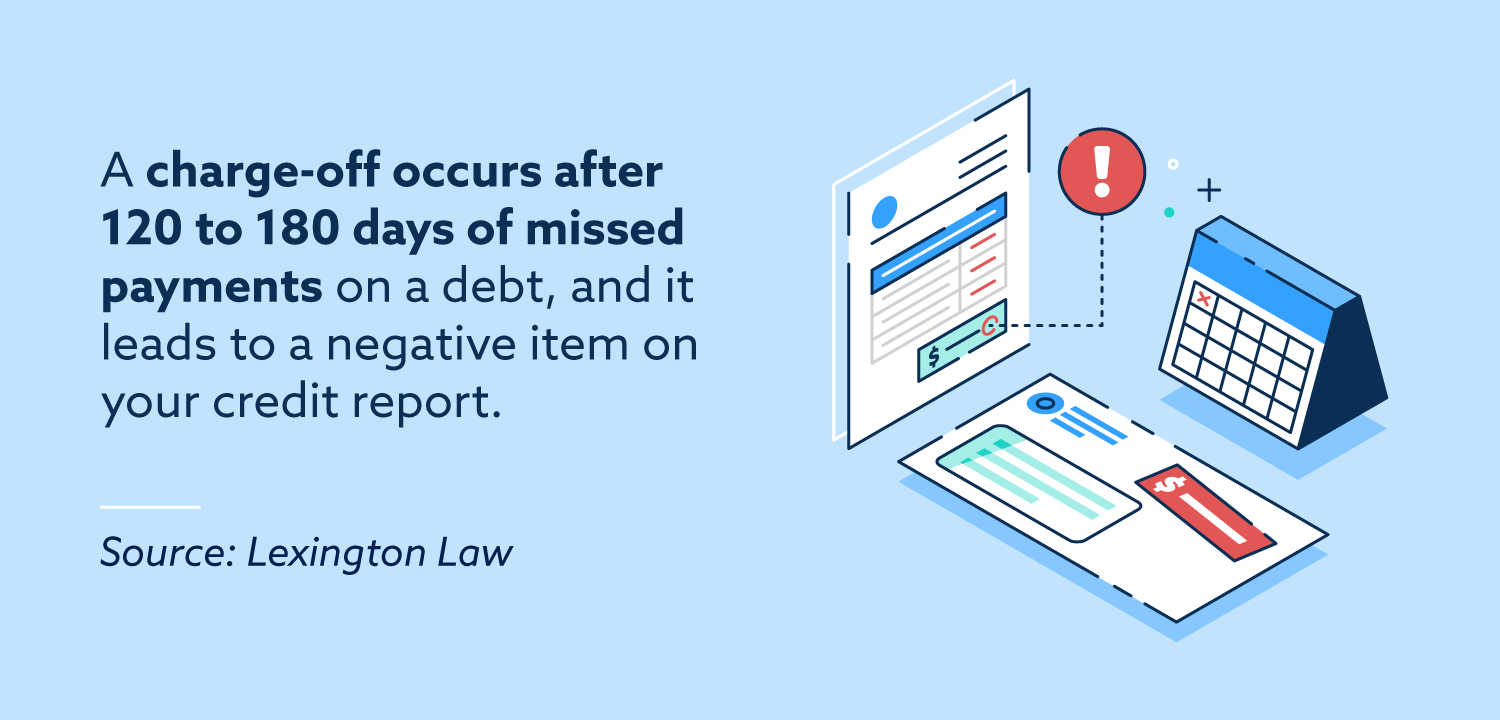
At its core, a charge-off occurs when a creditor decides that an account is so delinquent that the likelihood of recovering the full amount owed is minimal. This typically happens after a prolonged period of non-payment, often ranging from 120 to 180 days past due, depending on the creditor’s internal policies. The specific timeframe can vary, but the underlying principle is a recognition of significant default.
When an account is charged off, the lender removes the outstanding balance from their active accounts receivable. This is an accounting procedure that allows the lender to claim the debt as a tax deduction, thus mitigating their financial loss. Crucially, this write-off is an internal accounting decision and does not legally extinguish the debt. The borrower still owes the money.
The Immediate Impact on Your Credit Score
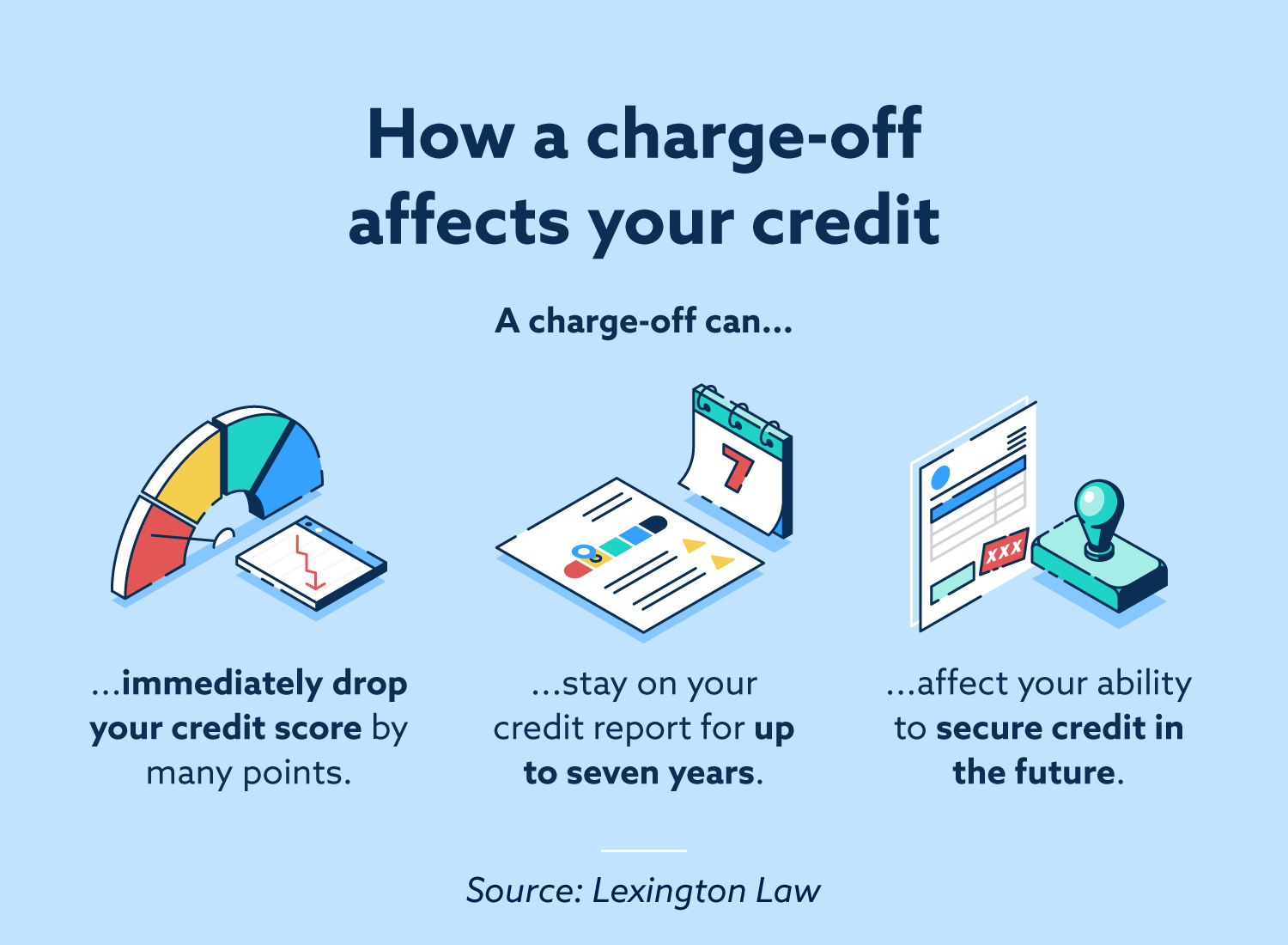
The charge-off itself is a severe negative mark on your credit report. It signals to future lenders that you have a history of significant financial distress and an inability to meet your debt obligations. This can lead to a dramatic drop in your credit score, often by a substantial number of points. The longer the account remains unpaid after being charged off, the more detrimental its effect on your creditworthiness can be.
A charged-off account can remain on your credit report for up to seven years from the date of the original delinquency. During this period, it will significantly hinder your ability to secure new credit, such as loans, credit cards, or mortgages. Even if you can find lenders willing to extend credit, you will likely face much higher interest rates and stricter terms due to the increased risk you represent. This makes it imperative to address any charged-off accounts as quickly as possible to minimize their long-term damage.
Differentiating Charge-Offs from Other Debt Statuses
It’s important to distinguish a charge-off from other negative credit events. A late payment indicates a single instance or a pattern of delayed payments but doesn’t signify a complete loss of hope for the creditor to recover the debt. A collection account, on the other hand, often arises after a charge-off. This is when the original creditor sells the debt to a debt collection agency, or when they outsource the collection process to a third party. In a collection account scenario, the original creditor has essentially transferred the responsibility of pursuing payment.
A settlement is an agreement where the borrower pays a reduced amount of the total debt owed, and the creditor agrees to consider the debt settled. This is different from a charge-off because it involves a negotiated resolution. A bankruptcy is a legal process that can discharge certain debts, but it also has its own set of severe and long-lasting consequences for your credit. Understanding these distinctions is vital because the actions required and the implications for your financial future can differ significantly.
The Aftermath: Debt Collection and Resolution Strategies
The Role of Debt Collectors
Once an account is charged off, the original creditor may attempt to collect the debt themselves for a period, or they may engage the services of a debt collection agency. These agencies are often more aggressive in their pursuit of payment. They may contact you by phone, mail, or email, and they have various legal tools at their disposal to attempt to recover the debt.
Debt collectors are legally bound by the Fair Debt Collection Practices Act (FDCPA) in the United States. This act prohibits abusive, deceptive, and unfair debt collection practices. Collectors cannot harass you, call you at unreasonable hours, or misrepresent themselves. However, they can legally pursue payment through various means, including sending demand letters, making phone calls, and, in some cases, filing lawsuits to obtain a judgment against you. It is important to be aware of your rights as a consumer when dealing with debt collectors.
Strategies for Addressing a Charged-Off Account
Dealing with a charged-off account can feel overwhelming, but several strategies can help you navigate this situation and mitigate its impact. The first and most crucial step is to acknowledge the debt and understand your options.
Negotiating a Settlement
One common approach is to negotiate a settlement with the creditor or the collection agency. This involves offering to pay a lump sum of money that is less than the total amount owed. While the debt collector or creditor may initially refuse, persistence and a willingness to demonstrate your financial limitations can lead to a successful negotiation. If a settlement is reached, ensure you get all the terms of the agreement in writing before making any payment. This written agreement should clearly state that the payment in full settles the debt and that no further action will be taken. It’s also important to understand the tax implications of a settled debt, as forgiven debt may be considered taxable income in some circumstances.
Payment Plans
If a lump-sum settlement is not feasible, you might be able to negotiate a payment plan. This involves setting up a schedule to pay off the debt over time, often with a reduced interest rate or even without interest. While this may take longer to resolve the debt, it can make the payments more manageable and prevent further legal action. Again, all agreed-upon terms should be documented in writing.
Debt Consolidation and Management Programs
For individuals with multiple debts, including charged-off accounts, debt consolidation or debt management programs might be a viable option. Debt consolidation involves combining multiple debts into a single new loan, often with a lower interest rate and a single monthly payment. This can simplify your repayment process and potentially save you money on interest.
Debt management programs, typically offered by non-profit credit counseling agencies, involve working with the agency to create a repayment plan. The agency negotiates with your creditors on your behalf to reduce interest rates and fees, and you make a single monthly payment to the agency, which then distributes it to your creditors. These programs can be beneficial, but it’s essential to choose a reputable agency.
Understanding the Statute of Limitations
Each state has a statute of limitations for debt collection. This is the legal timeframe within which a creditor or debt collector can file a lawsuit to collect a debt. Once the statute of limitations expires, the debt is no longer legally collectible through the courts. However, the debt can still appear on your credit report and may be collected by other means (e.g., through continued collection efforts, though not legal action). It is crucial to understand the statute of limitations in your state, as it can influence your negotiation strategy.
Rebuilding Your Financial Future After a Charge-Off
The Long-Term Impact on Your Credit Report
A charged-off account will remain on your credit report for seven years from the date of the original delinquency. This prolonged presence can make it challenging to obtain favorable credit terms for a significant period. The negative impact lessens over time, but it will continue to affect your credit score until it falls off your report.
The goal after a charge-off is not just to eliminate the debt but also to actively work towards rebuilding your credit. This involves demonstrating responsible financial behavior over time. Even with a charge-off on your record, consistent positive credit activity can gradually improve your creditworthiness.
Strategies for Credit Rebuilding
Rebuilding credit after a charge-off requires patience, discipline, and a strategic approach. Here are some effective methods:
Secured Credit Cards
A secured credit card is an excellent tool for rebuilding credit. You make a security deposit upfront, which then becomes your credit limit. By using the secured card responsibly – making small purchases and paying them off in full and on time each month – you can demonstrate to credit bureaus that you are capable of managing credit. Many secured credit cards report to the major credit bureaus, allowing your positive activity to be reflected in your credit history.
Credit-Builder Loans
Similar to secured credit cards, credit-builder loans involve making regular payments towards a loan that is held in a savings account. Once the loan is fully repaid, you receive the money. This process allows you to build a positive payment history without directly accessing the funds until the loan is complete.
Authorized User Status
If you have a trusted friend or family member with excellent credit, they might be willing to add you as an authorized user on one of their credit cards. This means you’ll have a card with their account, and their positive payment history on that card can be reflected on your credit report. However, it’s crucial that the primary cardholder maintains a good payment history, as any negative activity on their part could also negatively impact your credit.
Regular Bill Payments
Beyond traditional credit accounts, consistently paying other bills on time, such as rent, utilities, and phone bills, can also contribute to credit building if you utilize services that report these payments to credit bureaus. While not all landlords or utility companies report to credit agencies, some specialized services allow you to do so.
The Importance of Financial Literacy and Prudent Management
Ultimately, the best way to avoid the challenges associated with charged-off accounts is through strong financial literacy and prudent financial management. This includes:
- Budgeting: Creating and adhering to a realistic budget helps you understand where your money is going and identify areas where you can save.
- Saving: Building an emergency fund is crucial for covering unexpected expenses and preventing you from falling behind on debt payments.
- Debt Management: Prioritizing debt repayment, especially high-interest debt, can prevent balances from spiraling out of control.
- Understanding Credit: Educating yourself about how credit works, the impact of your financial decisions, and the importance of a good credit score empowers you to make informed choices.
A charged-off account is a serious financial setback, but it is not the end of your financial journey. By understanding what it means, addressing the debt proactively, and implementing strategies for credit rebuilding, you can work towards a healthier financial future. It requires dedication and consistent effort, but a repaired credit profile and sound financial habits are attainable goals.
aViewFromTheCave is a participant in the Amazon Services LLC Associates Program, an affiliate advertising program designed to provide a means for sites to earn advertising fees by advertising and linking to Amazon.com. Amazon, the Amazon logo, AmazonSupply, and the AmazonSupply logo are trademarks of Amazon.com, Inc. or its affiliates. As an Amazon Associate we earn affiliate commissions from qualifying purchases.