
The seemingly simple question, “What does 3:12 roof slope mean?” unlocks a world of critical information for homeowners, builders, and anyone involved in construction and property maintenance. Far from being mere jargon, understanding roof slope is fundamental to ensuring structural integrity, water management, and ultimately, the longevity and value of a property. This ratio, often expressed as a “rise over run,” dictates how water will shed, how snow will accumulate, and the types of roofing materials that can be effectively installed. For the savvy property owner, a grasp of roof slope is not just about aesthetics; it’s a cornerstone of sound financial stewardship and informed decision-making regarding one of a home’s most significant investments.
The Foundation of Understanding: Defining Roof Slope
At its core, roof slope is a measurement that describes the steepness of a roof. It’s a crucial design element that influences everything from drainage efficiency to the structural load the roof can bear. When we encounter a ratio like 3:12, it’s essential to break down its components and understand its practical implications.
Decoding the Ratio: Rise Over Run
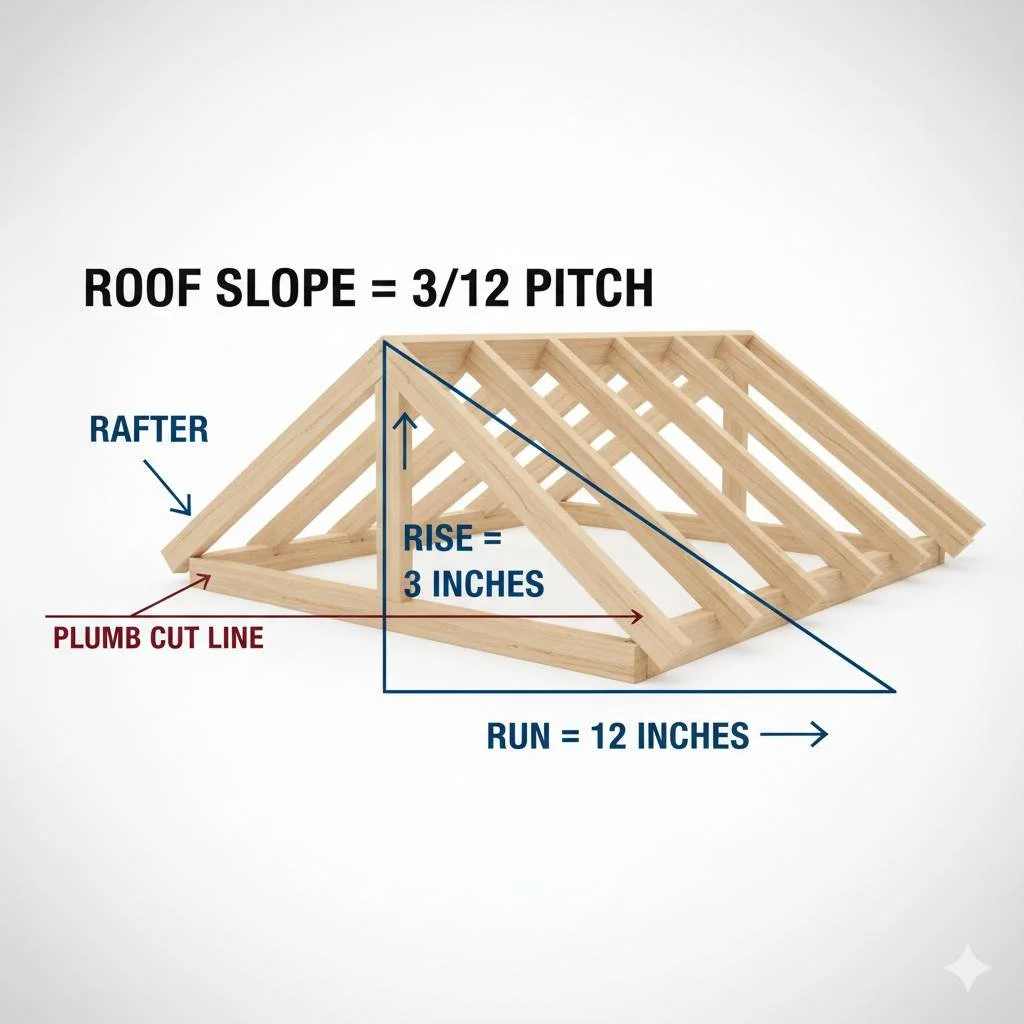
The most common way to express roof slope is as a ratio of “rise” to “run.” In the case of a 3:12 slope, the “3” represents the vertical rise in inches for every 12 inches of horizontal run. Imagine a perfectly flat surface; its slope would be 0:12. As the rise increases, so does the slope.
- Rise: This is the vertical measurement, essentially how much the roof climbs upwards.
- Run: This is the horizontal measurement, the flat distance across the roof.
So, a 3:12 slope means that for every 12 inches the roof extends horizontally, it rises 3 inches vertically. This creates a relatively gentle incline, a common characteristic of many residential roof designs.
Visualizing the Slope: From Flat to Steep
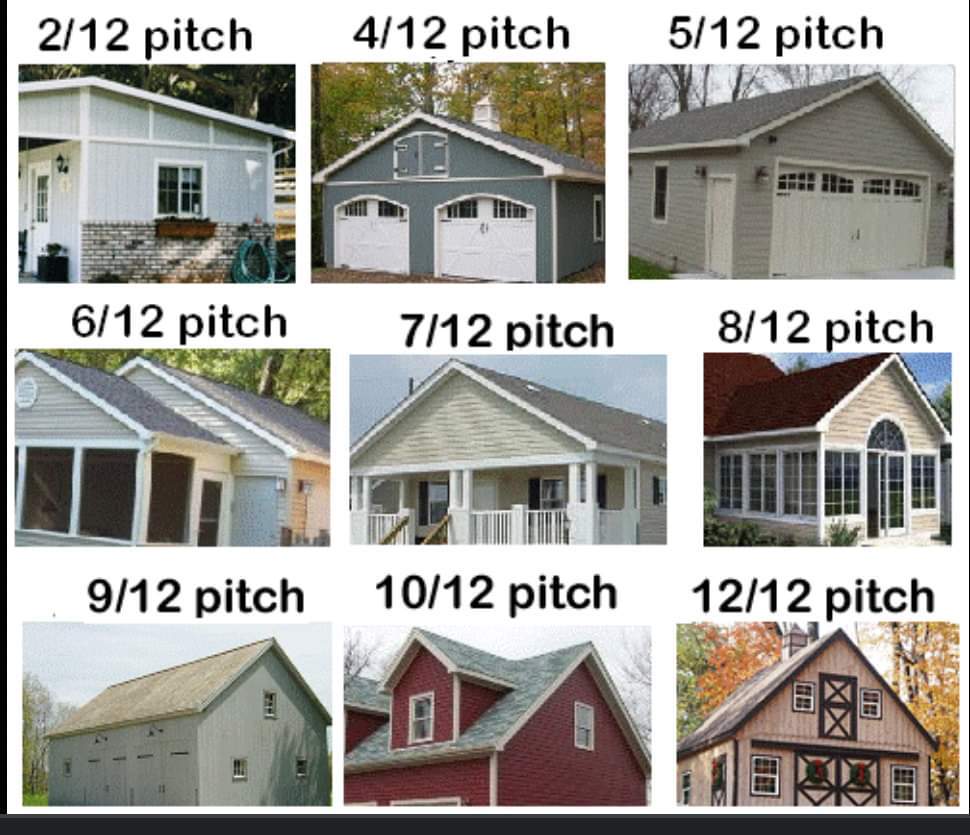
Understanding the numbers is one thing; visualizing them is another. A 3:12 slope is considered a low-slope or shallow-slope roof. It’s significantly steeper than a flat roof (0:12) but much less steep than a steeply pitched roof.
- Flat Roofs (0:12 to 1:12): These roofs are designed to be almost level and require specialized drainage systems to prevent water ponding.
- Low-Slope Roofs (e.g., 3:12): These roofs offer better drainage than flat roofs and are suitable for a wider range of materials. A 3:12 slope is often used for certain architectural styles or to maximize attic space without creating an overly steep pitch.
- Medium-Slope Roofs (e.g., 4:12 to 7:12): These are very common in residential construction, offering good drainage and a balance between attic space and material suitability.
- Steep-Slope Roofs (8:12 and above): These roofs shed water and snow very effectively and allow for the use of a broader array of roofing materials, including shingles.
A 3:12 slope falls into the category where careful consideration of water management is still paramount, even though it’s more efficient than a flat roof.
Calculating the Angle: Degrees of Steepness
While the rise and run ratio is the standard for specifying roof slope, it can also be converted into an angle in degrees. This can be helpful for engineers and those accustomed to measuring angles in a more traditional geometric sense. Using trigonometry, specifically the arctangent function, we can determine the angle.
For a 3:12 slope:
Angle = arctan (rise / run) = arctan (3 / 12) = arctan (0.25)
This calculation yields an angle of approximately 14 degrees. This reinforces that a 3:12 slope is indeed a gentle incline. Understanding this conversion can be beneficial when consulting architectural plans or discussing roof pitch with professionals who may use different terminology.
The Practical Implications of a 3:12 Roof Slope
The significance of a 3:12 roof slope extends far beyond theoretical definitions. This particular pitch has direct and tangible consequences for a property’s performance, maintenance, and cost.
Water and Snow Management: The Drainage Imperative
One of the most critical functions of a roof is to shed water and, in colder climates, snow. The slope directly impacts how effectively this happens.
-
Water Drainage: With a 3:12 slope, water will generally flow downwards efficiently. However, it’s not as aggressive as steeper slopes. This means that proper guttering and downspout systems are absolutely essential to collect and direct the water away from the foundation. Even with a low slope, ponding can occur if drainage pathways are blocked or inadequate. The relatively gentle slope means that debris, such as leaves and sediment, can accumulate more readily than on a steeper pitch, potentially hindering water flow. Regular cleaning of gutters and ensuring downspouts are clear is therefore a vital maintenance task for homes with this slope.
-
Snow Load: In areas that experience snowfall, the 3:12 slope offers some advantage over flat roofs, as snow will tend to slide off. However, it will not shed snow as rapidly or as completely as a steeper slope. This means that snow can accumulate, creating a significant load on the roof structure. Building codes in snow-prone regions will dictate the maximum snow load a roof must be designed to withstand, and the slope plays a direct role in this calculation. For very heavy snowfalls, manual snow removal might become a necessary safety measure to prevent structural damage.
Roofing Material Compatibility: Choosing the Right Shield
The type of roofing material that can be installed is heavily influenced by the roof’s slope. A 3:12 slope presents specific considerations.
- Asphalt Shingles: Traditional asphalt shingles are typically designed for slopes of 4:12 and steeper. Installing them on a 3:12 slope can be problematic and may violate manufacturer warranties and building codes. The shingles might not overlap sufficiently, leading to water penetration. Special underlayment and installation techniques might be required for shingles on lower slopes, but often, it’s not the ideal material.

-
Metal Roofing: Standing seam metal roofs are an excellent option for low-slope applications, including 3:12. Their interlocking panels and concealed fasteners create a highly waterproof system. The smooth surface also helps shed water and snow effectively. Various types of metal roofing can be adapted for this slope, offering durability and a long lifespan.
-
Membrane Roofing: Single-ply membrane roofing systems, such as TPO (Thermoplastic Polyolefin), EPDM (Ethylene Propylene Diene Monomer), or PVC (Polyvinyl Chloride), are specifically designed for low-slope and flat roofs. These systems are installed in large sheets that are fused or adhered together, creating a seamless and waterproof barrier. They are a common and effective choice for a 3:12 roof slope.
-
Roll Roofing: While less common for new construction and often associated with older or less expensive applications, some types of roll roofing can be used on slopes as low as 1:12. However, their lifespan is typically shorter than other options. For a 3:12 slope, it would be a functional, though perhaps not the most aesthetically pleasing or durable, choice.
Choosing the correct roofing material for a 3:12 slope is paramount for ensuring a watertight and long-lasting roof. Consulting with a qualified roofing professional is essential to select materials that meet both code requirements and the specific environmental conditions of the property.
Structural Considerations and Building Codes
The slope of a roof directly impacts the structural engineering required. Steeper roofs tend to distribute their load more effectively down to the walls. Lower slopes, like 3:12, can concentrate loads differently.
-
Load Bearing: The weight of roofing materials, snow, and wind forces are all influenced by the roof’s pitch. A 3:12 slope will require specific framing techniques and potentially stronger supporting members to ensure it can safely bear these loads. Building codes will outline the minimum requirements for structural integrity based on the roof slope and local environmental factors.
-
Attic Space and Ventilation: A 3:12 slope provides a modest amount of attic space. This space is crucial for proper ventilation, which helps regulate temperature and prevent moisture buildup within the roof structure. Inadequate ventilation can lead to premature deterioration of roofing materials and wood framing, as well as potential issues with ice dams in colder climates. Designing for sufficient ventilation within the constraints of a 3:12 slope is a key aspect of building a healthy roof system.
-
Building Code Compliance: Virtually all construction projects are governed by local building codes. These codes specify minimum requirements for roof slope, structural support, drainage, and material selection. A 3:12 slope is a recognized and common pitch, but its implementation must adhere to all relevant codes to ensure safety and legality. Failure to comply can result in costly remediation and issues with insurance or resale.
Maintenance and Longevity: Protecting Your Investment
Understanding the implications of a 3:12 roof slope is crucial for developing an effective maintenance strategy that will protect your investment. Proactive care can prevent minor issues from escalating into expensive repairs.
Routine Inspections: The First Line of Defense
Regular visual inspections are the cornerstone of good roof maintenance, regardless of the slope. For a 3:12 roof, specific areas require extra attention.
-
Gutters and Downspouts: As mentioned, these are critical for a 3:12 slope. Inspecting them for debris, blockages, and proper securement at least twice a year (spring and fall) is essential. Ensure water is flowing freely away from the house.
-
Roof Surface: Look for any signs of damage, such as cracked or missing shingles (if applicable), dents, or punctures in membrane roofing. Examine seams and edges where water might tend to collect.
-
Flashing: Pay close attention to flashing around chimneys, vents, skylights, and any other penetrations through the roof. Damaged or deteriorating flashing is a common source of leaks.
Addressing Common Issues: Proactive Problem Solving
Specific issues can arise with low-slope roofs like a 3:12. Identifying and addressing them promptly can save significant costs.
-
Water Ponding: If you notice areas where water consistently pools after rain, it indicates a drainage problem. This could be due to clogged gutters, improper grading, or sagging sections of the roof. Addressing ponding is crucial as it significantly accelerates material degradation.
-
Debris Accumulation: Leaves, twigs, and sediment can accumulate more readily on a gentler slope. This debris not only blocks drainage but can also trap moisture against the roofing material, promoting mold and mildew growth. Regular sweeping or blowing of the roof surface can be beneficial.
-
Moss and Algae Growth: In damp climates, moss and algae can thrive on roof surfaces. While not always a sign of immediate structural failure, their growth can trap moisture and potentially break down certain roofing materials over time. Specialized cleaning products can be used, but it’s important to use them as directed and ensure they are compatible with your roofing material.
The Financial Advantage of Informed Maintenance
Investing in regular maintenance for a 3:12 roof slope is a financially sound decision. The cost of routine inspections, gutter cleaning, and addressing minor issues is minuscule compared to the expense of major repairs or premature roof replacement.
-
Extended Lifespan: Properly maintained roofs, regardless of slope, will last longer. This translates to fewer replacement costs over the lifetime of the property.
-
Preventing Costly Leaks: Leaks can cause extensive damage to the roof deck, insulation, drywall, and even structural elements. Preventing leaks through diligent maintenance is far more cost-effective than repairing the subsequent damage.
-
Maintaining Property Value: A well-maintained roof is a significant asset when selling a property. Potential buyers are often deterred by signs of neglect, and a roof in good condition can command a higher sale price and make the selling process smoother.
In conclusion, understanding the “3:12 roof slope meaning” is not just about deciphering a technical term. It’s about understanding the fundamental performance characteristics of a roof, making informed decisions about materials and construction, and implementing a proactive maintenance strategy that safeguards a property’s structural integrity and financial value. For any homeowner, this knowledge is an essential component of responsible property ownership.
aViewFromTheCave is a participant in the Amazon Services LLC Associates Program, an affiliate advertising program designed to provide a means for sites to earn advertising fees by advertising and linking to Amazon.com. Amazon, the Amazon logo, AmazonSupply, and the AmazonSupply logo are trademarks of Amazon.com, Inc. or its affiliates. As an Amazon Associate we earn affiliate commissions from qualifying purchases.