
The intricate dance of a vehicle’s suspension system is crucial for a comfortable and safe ride. While shock absorbers and springs often steal the spotlight, less visible components play equally vital roles. Among these is the sway bar link, a seemingly simple piece of hardware that significantly influences your car’s handling, particularly when navigating turns. Understanding what sway bar links do is key to appreciating the engineering that keeps your vehicle stable and responsive.
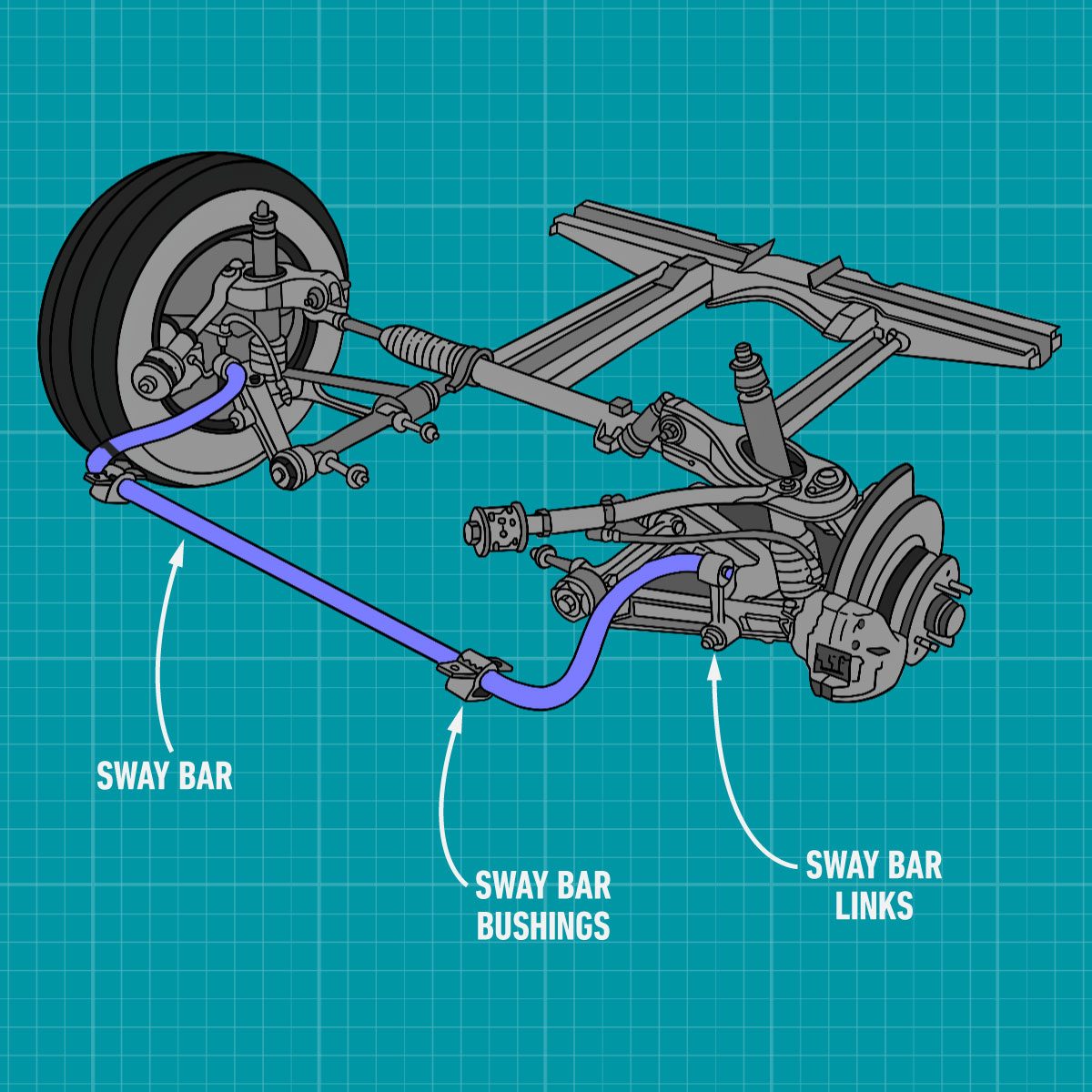
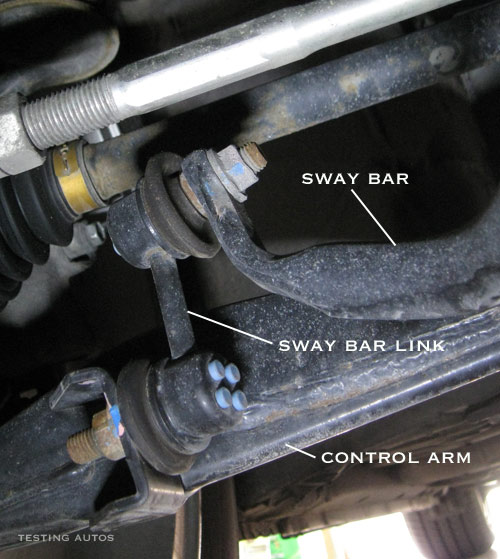
The sway bar, also known as an anti-roll bar or stabilizer bar, is a U-shaped torsion bar that connects the left and right sides of a vehicle’s suspension. Its primary function is to reduce body roll – the tendency of a vehicle’s chassis to lean or tilt to the outside of a turn. Sway bar links are the connectors that attach this bar to the suspension components, typically the control arms. Without these links, the sway bar would be inert, unable to exert its stabilizing influence.

The Mechanics of Stability: How Sway Bar Links Contribute to Body Roll Reduction
At its core, the sway bar works on the principle of torsional resistance. When a vehicle turns, centrifugal force pushes the body outward, causing the suspension on the outside of the turn to compress and the suspension on the inside to extend. This differential movement results in body roll. The sway bar, by connecting the two sides of the suspension, resists this differential movement.
Torsional Force and Chassis Leaning
Imagine the sway bar as a spring that is constantly trying to keep both sides of the suspension at the same height. When one side of the suspension compresses (on the outside of a turn) and the other extends (on the inside), it forces the sway bar to twist. This twisting action creates a torsional force within the bar, which pushes back against the differential movement. This counteracting force is what reduces the amount of body lean experienced by the occupants.
The sway bar links are the crucial intermediaries that transmit this torsional force from the sway bar to the suspension. They are designed to be strong yet flexible enough to allow for the necessary articulation of the suspension while effectively transferring the stabilizing forces. Without properly functioning sway bar links, the sway bar’s ability to combat body roll is severely compromised, leading to a less stable and predictable vehicle.
The Crucial Role of Sway Bar Links in Vehicle Dynamics
Sway bar links are more than just simple fasteners; they are engineered components that directly impact vehicle handling, safety, and even ride comfort. Their design, material, and condition are all critical to their performance.
Connecting the Sway Bar to the Suspension System
Sway bar links typically consist of a rod or arm with one or two ball joints at either end. One end of the link attaches to a mounting point on the sway bar itself, often near its ends. The other end attaches to a corresponding mounting point on the suspension, usually a control arm or a strut. These ball joints allow for the slight rotational and angular movements that occur as the suspension articulates during driving, while maintaining a solid connection for force transfer.
The design of these links can vary depending on the vehicle’s make and model, and whether it is equipped with a standard or performance-oriented suspension system. Some links may be simple rods, while others might feature more robust construction with larger ball joints and reinforced materials. The choice of materials, often steel or high-strength alloys, is also critical to ensuring durability and the ability to withstand the significant forces they encounter during dynamic driving.
Recognizing Signs of Wear and Tear in Sway Bar Links
Like many automotive components, sway bar links are subject to wear and tear over time. Exposure to road debris, moisture, and the constant stress of suspension movement can lead to degradation. Recognizing the signs of worn sway bar links is essential for maintaining optimal vehicle handling and preventing more serious issues.
Common Symptoms of Failing Sway Bar Links
One of the most common indicators of failing sway bar links is an increase in clunking or rattling noises, particularly when driving over uneven surfaces, speed bumps, or when turning. These sounds often originate from the front or rear of the vehicle, depending on the location of the worn links. The ball joints within the links can develop play, allowing components to move and make contact, producing these audible symptoms.
Another significant symptom is a noticeable increase in body roll. If your car feels like it’s leaning excessively in turns, or if the steering feels less precise and responsive, worn sway bar links could be a primary contributor. This compromised stability can affect driver confidence and reduce overall vehicle control, especially in emergency maneuvers.
Furthermore, drivers might experience a feeling of looseness or vagueness in the steering. This can manifest as the steering wheel not returning to center as quickly as it should, or a general lack of directness in steering inputs. The ability of the suspension to react predictably to steering commands is diminished when the sway bar links are not functioning correctly. In some cases, worn links can also contribute to uneven tire wear due to the altered suspension geometry and weight distribution during cornering.
Maintenance and Replacement: Ensuring Optimal Suspension Performance
The longevity of sway bar links is influenced by driving habits and road conditions. Regular inspections and timely replacement are crucial for ensuring the integrity and performance of your vehicle’s suspension system.
Inspection and Diagnostic Procedures
During routine maintenance, a mechanic will typically inspect the sway bar links for signs of damage, wear, or looseness. This involves visually examining the components for cracked rubber boots on the ball joints, which can allow dirt and moisture to ingress and accelerate wear. Technicians will also check for play in the ball joints by attempting to manually move the link. A loose or wobbly link is a clear indication of wear.
A professional diagnosis might also involve listening for specific sounds during a test drive, particularly on a track or varied road surfaces designed to elicit suspension noises. This allows for the precise identification of the source of any clunking or rattling. The responsiveness of the steering and the degree of body roll during cornering will also be assessed.
The Importance of Timely Replacement
Ignoring worn sway bar links can lead to a cascade of problems. Beyond the compromised handling and reduced safety, excessive wear can put additional stress on other suspension components, potentially leading to premature failure of other parts. In severe cases, a completely failed sway bar link could detach, leading to a loss of stability and control, posing a significant safety risk.
Replacing worn sway bar links is a relatively straightforward procedure for experienced mechanics. It typically involves unbolting the old links and installing new ones, ensuring proper torque specifications are met. While it might seem like a minor repair, the impact on your vehicle’s driving dynamics and safety is substantial, making it a critical maintenance item.
In conclusion, sway bar links are fundamental components of a vehicle’s suspension system, directly contributing to stability and handling. Their primary role is to connect the sway bar to the suspension, enabling it to effectively reduce body roll during cornering. Recognizing the symptoms of wear and tear, such as increased noise and body lean, and addressing them promptly through timely inspection and replacement ensures that your vehicle maintains its intended performance characteristics, providing a safer and more enjoyable driving experience.
aViewFromTheCave is a participant in the Amazon Services LLC Associates Program, an affiliate advertising program designed to provide a means for sites to earn advertising fees by advertising and linking to Amazon.com. Amazon, the Amazon logo, AmazonSupply, and the AmazonSupply logo are trademarks of Amazon.com, Inc. or its affiliates. As an Amazon Associate we earn affiliate commissions from qualifying purchases.