
Cavities, also known as dental caries, are a common dental problem that can affect people of all ages. They are caused by bacteria in the mouth that produce acids, which erode tooth enamel. Over time, these acids can create holes in the teeth, leading to pain and discomfort. Understanding what cavities feel like can help you recognize the early signs and seek professional dental care before the problem becomes more severe.
Early Stages of Cavities: Subtle Sensations and Growing Concerns
In the initial stages of cavity development, the symptoms can be quite subtle, often going unnoticed until the decay has progressed further. This is precisely why regular dental check-ups are so crucial. Early detection means less invasive and less painful treatment.
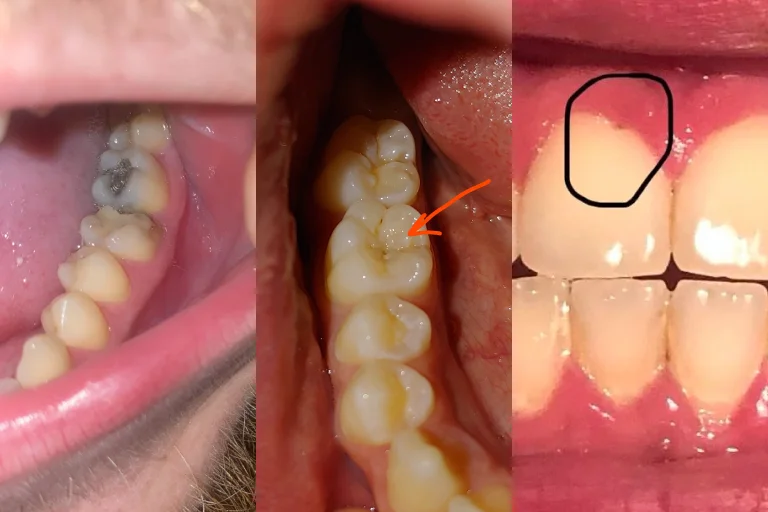
The Enamel’s First Whispers: Sensitivity to Sweet or Hot
As the protective outer layer of your tooth, the enamel, begins to demineralize due to acidic attacks, it becomes more porous and sensitive. This is often the first tangible sensation people experience.
- Sweet Sensitivity: The increased porosity of the enamel means that sugary foods and drinks can directly interact with the slightly exposed dentin beneath. This interaction triggers a brief, sharp twinge or an unpleasant lingering sensation that can be easily dismissed as a fleeting sensitivity to sweets. It’s the tooth’s early warning system, signaling that the mineral structure is being compromised.
- Temperature Sensitivity: Similarly, extreme temperatures, particularly cold, can cause discomfort. When you sip a cold drink or breathe in cold air, the nerves within the tooth can be stimulated more readily through the weakened enamel. This sensitivity might be described as a sharp, jolt-like pain that subsides quickly once the stimulus is removed. Hot temperatures can also elicit a similar response, though cold sensitivity is often more pronounced in the early stages.
The Lingering Ache: Persistent Discomfort
While the sharp twinges are often transient, as the cavity progresses deeper into the tooth, a more persistent ache can begin to develop. This is because the decay is starting to affect the dentin, the layer beneath the enamel, which contains more nerve endings.
- Dentin’s Role: Dentin is more sensitive than enamel, and when it’s exposed to external stimuli or becomes inflamed due to bacterial activity, it can lead to a dull, throbbing pain. This ache might be more noticeable when you’re not actively eating or drinking, sometimes keeping you awake at night. It’s a sign that the decay is no longer just on the surface but is beginning to burrow deeper.
- Intermittent vs. Constant: In these intermediate stages, the discomfort might not be constant. It could be intermittent, flaring up at certain times of the day or after consuming specific foods. This inconsistency can sometimes lead people to delay seeking help, hoping the discomfort will simply disappear on its own. However, the underlying decay is almost certainly continuing its destructive path.
Moderate Cavities: Pain Becomes a Constant Companion
As the cavity deepens and starts to approach or involve the pulp (the innermost part of the tooth containing nerves and blood vessels), the symptoms become more pronounced and harder to ignore. The protective barriers are significantly breached, leaving the sensitive inner structures vulnerable.
The Sharp, Stabbing Pain: Unmistakable Signals
When decay reaches the dentin layer and begins to irritate the pulp, the pain often transforms from a dull ache to a sharp, stabbing sensation. This is a clear indicator that the cavity is no longer a minor issue.
- Triggered by Pressure and Chewing: One of the most common ways this sharp pain manifests is when you bite down or chew food, especially on the affected side. The pressure exerted on the tooth can push bacteria and food particles deeper, directly irritating the nerves. This can be so intense that it makes eating certain foods, like crunchy apples or chewy bread, unbearable.
- Spontaneous Pain: In more advanced moderate cavities, you might start experiencing spontaneous pain. This is pain that occurs without any apparent trigger, such as eating or drinking. It can be a sudden, intense throb that can strike at any time, serving as an urgent call for dental attention.
Visible Changes in the Tooth: More Than Just Feeling
By this stage, the physical signs of a cavity are often becoming visible, not just felt. Observing these changes in the mirror can be a stark confirmation of the internal damage.
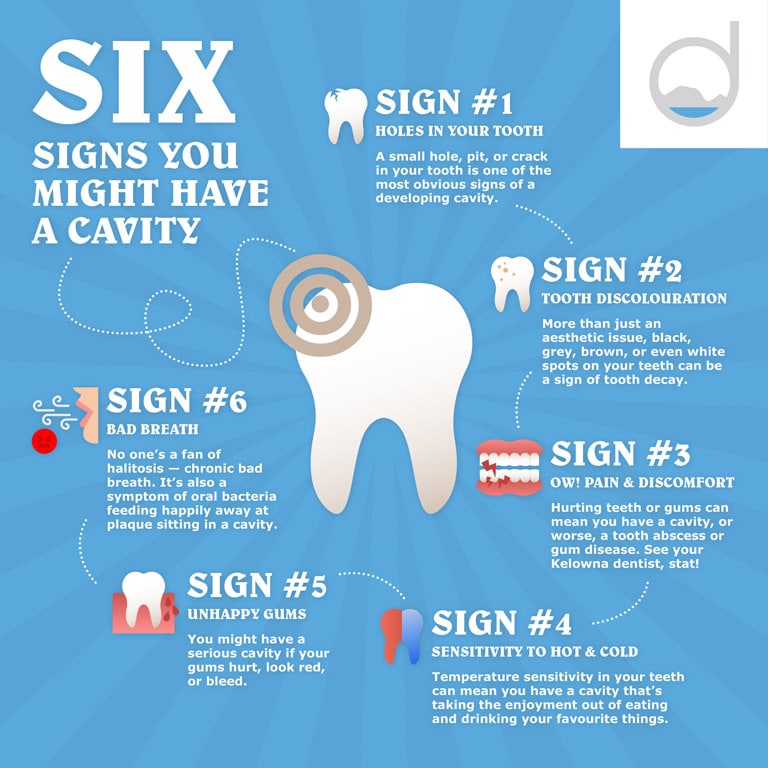
- Holes and Pits: The most obvious sign is the appearance of actual holes or pits in the tooth’s surface. These can range from small, dark spots to larger, more noticeable cavities. You might be able to feel these imperfections with your tongue.
- Discoloration: Cavities often lead to discoloration of the affected tooth. The area around the cavity might appear brown, black, or even white and chalky. The black or brown discoloration is often due to the decay process itself and the accumulation of debris within the cavity. A chalky white spot can indicate early demineralization, which can still be reversed if caught early.
- Food Trapping: As cavities develop, they create hollow spaces where food particles can easily get trapped. This can lead to an unpleasant taste in your mouth, bad breath, and further irritation of the tooth and surrounding gums. You might notice yourself constantly trying to dislodge food from a specific area.
Advanced Cavities and Pulp Involvement: The Height of Discomfort
When a cavity is left untreated for an extended period, it can progress to the point where it reaches the pulp. This is a critical stage that can lead to severe pain and potential complications if not addressed promptly.
The Throbbing, Gnawing Pain of Pulpitis
The pulp is the nerve center of the tooth. When it becomes infected or inflamed (a condition called pulpitis), the pain can be excruciating and relentless.
- Unrelievable Pain: At this stage, the pain is often constant and may not be relieved by over-the-counter pain medication. It can be a deep, throbbing, or gnawing sensation that can be debilitating. The constant pressure and inflammation within the confined space of the pulp chamber make relief nearly impossible without professional intervention.
- Pain Exacerbated by Lying Down: Many people with pulpitis experience their pain worsening when they lie down. This is due to increased blood flow to the head, which can heighten the pressure within the tooth and intensify the throbbing pain. This can significantly disrupt sleep and daily functioning.
- Referred Pain: In some cases, the pain from an advanced cavity can be felt in other areas, such as the jaw, ear, or even the head. This “referred pain” can make it challenging to pinpoint the exact source of the problem, further emphasizing the need for a thorough dental examination.
Swelling and Abscess Formation: A Sign of Serious Infection
If the infection in the pulp spreads beyond the tooth, it can lead to swelling and the formation of an abscess, which is a pocket of pus. This is a serious dental emergency.
- Gum Swelling and Tenderness: You might notice swelling around the affected tooth, making the gum appear red, puffy, and tender to the touch. This swelling can extend to the cheek or jaw, depending on the severity and location of the infection.
- Formation of a Pimple-like Bump (Parulis): In some instances, a small, pimple-like bump may appear on the gum tissue near the affected tooth. This is called a parulis or gum boil, and it is a sign that the body is trying to drain the infection. When this bump ruptures, it can release pus and provide temporary relief from the pressure, but the underlying infection remains.
- Fever and General Malaise: In severe cases of abscess, the infection can spread, leading to systemic symptoms such as fever, chills, and a general feeling of being unwell. This indicates that the infection is becoming more widespread and requires immediate medical and dental attention.
The Importance of Early Detection and Prevention
Understanding what cavities feel like is crucial, but it’s even more important to prioritize their prevention and early detection. The sensations associated with cavities are a warning that your oral health is at risk, and addressing them promptly can save you from significant pain, expense, and potential tooth loss.
Regular Dental Check-ups: Your First Line of Defense
The most effective strategy for managing cavities is to prevent them from forming or to catch them in their earliest stages, when treatment is simplest and least invasive.
- Professional Cleanings and Examinations: Dentists and hygienists are trained to spot the subtle signs of demineralization and early cavity formation that may not be apparent to the untrained eye. Regular cleanings remove plaque and tartar, reducing the bacterial load in your mouth, while examinations allow for early diagnosis.
- X-rays for Hidden Decay: Dental X-rays are invaluable tools that can reveal cavities between teeth or in areas that are not visible during a visual examination. These images can detect decay before it becomes painful or causes significant damage.
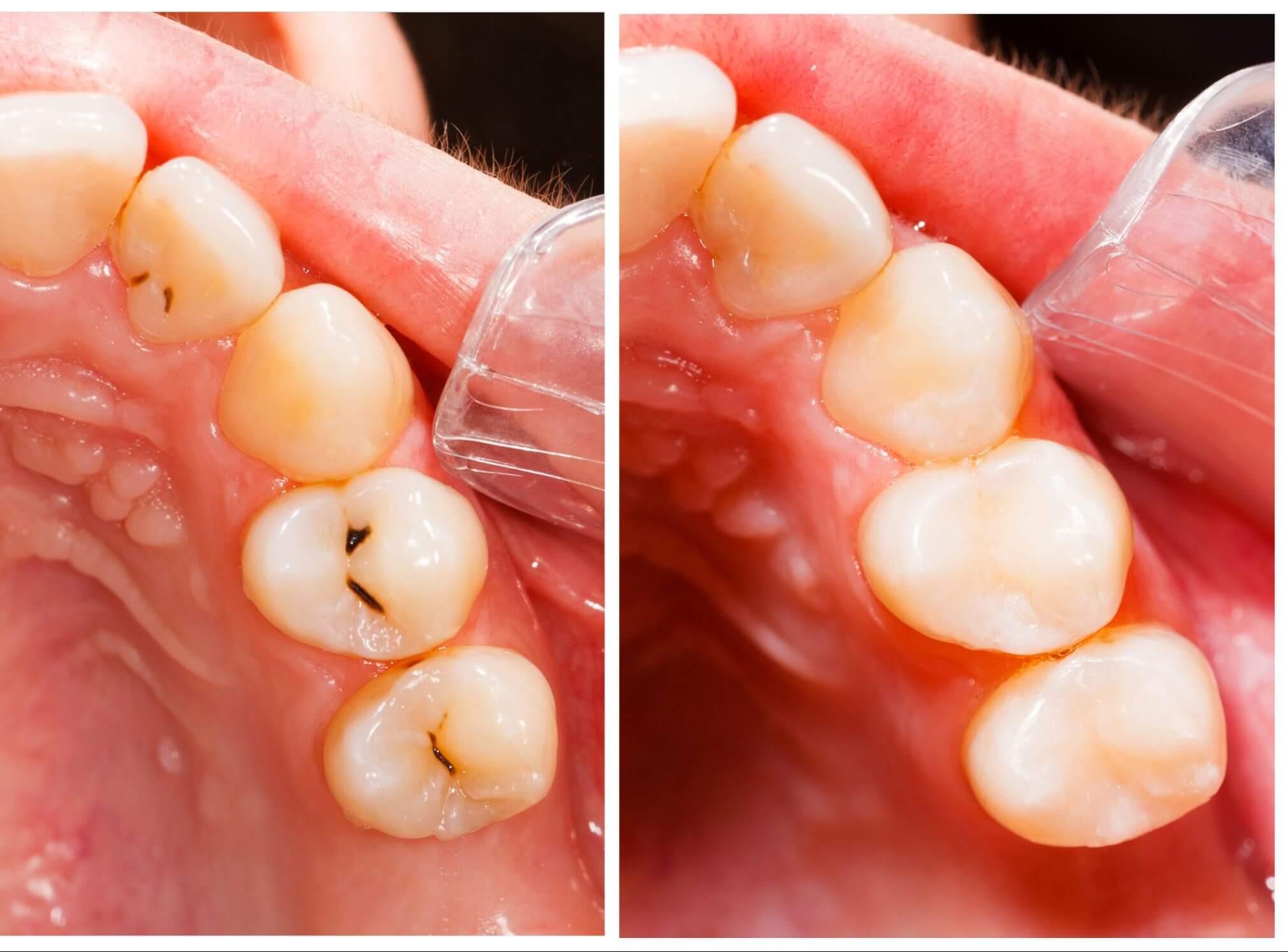
- Fluoride Treatments and Sealants: In-office fluoride treatments and dental sealants are preventive measures that can significantly reduce the risk of cavities, especially in children and adolescents. Fluoride strengthens enamel, making it more resistant to acid attacks, and sealants create a protective barrier on the chewing surfaces of back teeth.
Proactive Oral Hygiene Habits: Empowering Your Smile
Beyond professional care, adopting robust daily oral hygiene practices is fundamental to cavity prevention. These habits are your daily defense against the bacteria and acids that cause decay.
- Brushing Twice Daily with Fluoride Toothpaste: Brushing effectively removes food particles and plaque from tooth surfaces. Using fluoride toothpaste enhances this protective effect by strengthening enamel. Ensure you brush for at least two minutes, covering all surfaces of your teeth.
- Daily Flossing: Flossing is essential for cleaning the areas between teeth where a toothbrush cannot reach. These interproximal spaces are common sites for cavity development. Consistent flossing removes trapped food debris and plaque, preventing bacterial buildup.
- Dietary Choices: Limiting your intake of sugary and acidic foods and drinks is paramount. Bacteria feed on sugars to produce acids. Frequent snacking on cariogenic (cavity-causing) foods means your teeth are constantly exposed to these acids. Opt for water, dairy products, and fruits and vegetables as healthier alternatives.
By understanding the diverse sensations that cavities can present, from the mildest sensitivity to the most agonizing pain, you can become a more informed advocate for your own oral health. The key takeaway is that any unusual sensation in your teeth warrants attention. Don’t wait for the pain to become unbearable; embrace prevention and seek professional dental advice at the first sign of trouble. Your smile, and your comfort, will thank you for it.
aViewFromTheCave is a participant in the Amazon Services LLC Associates Program, an affiliate advertising program designed to provide a means for sites to earn advertising fees by advertising and linking to Amazon.com. Amazon, the Amazon logo, AmazonSupply, and the AmazonSupply logo are trademarks of Amazon.com, Inc. or its affiliates. As an Amazon Associate we earn affiliate commissions from qualifying purchases.