
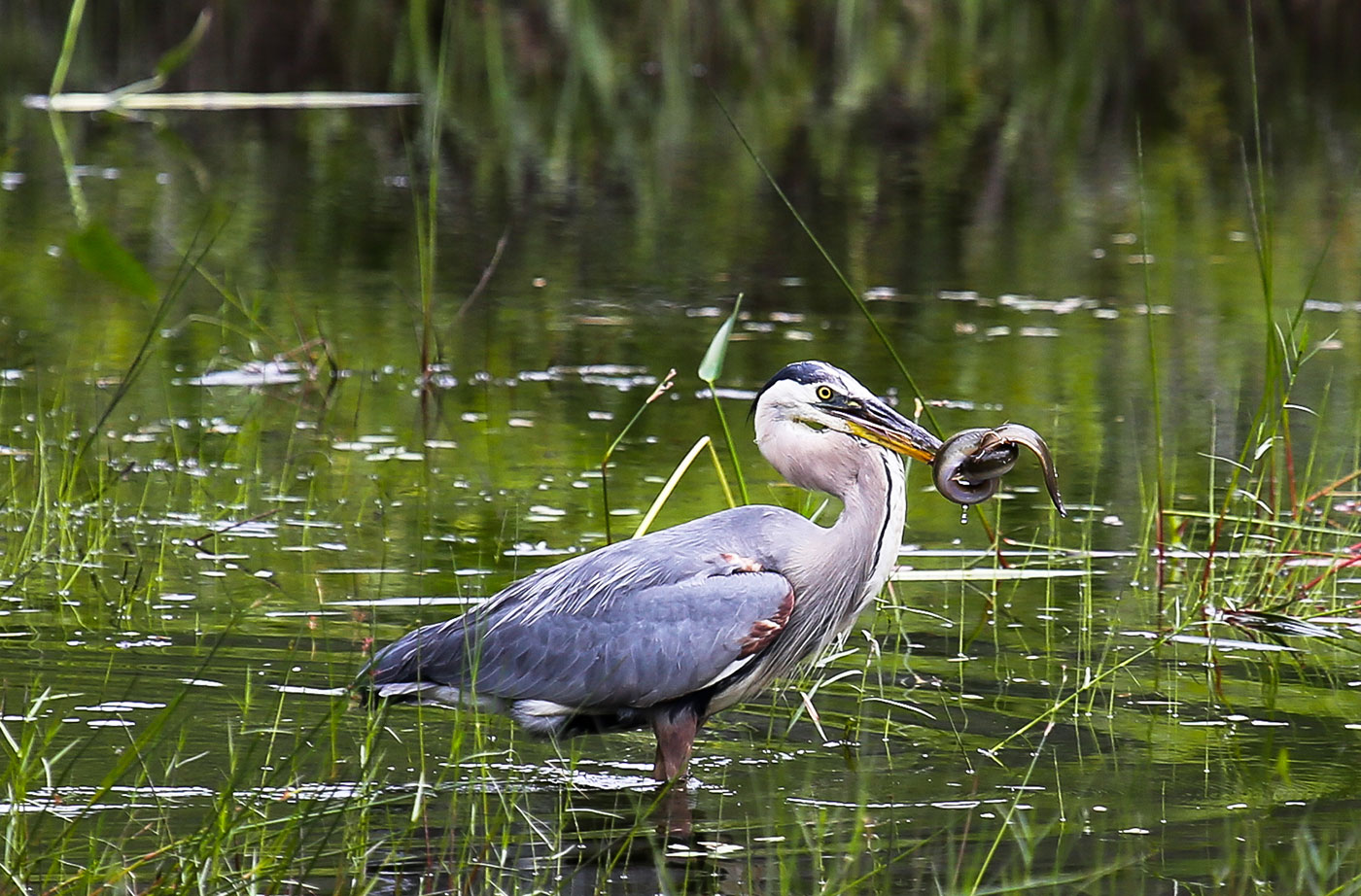
The majestic Blue Heron, a ubiquitous sight gracing wetlands, rivers, and coastlines across North America, is a creature of profound ecological significance. Its presence is often a barometer of a healthy aquatic ecosystem, and understanding its dietary habits is crucial for appreciating its role and for implementing effective conservation strategies. While ornithologists have long studied these avian predators through traditional observation methods, the advent and proliferation of sophisticated technology have revolutionized our ability to peer into the intricate world of what blue herons consume. This article delves into the technological advancements that illuminate the feeding ecology of Ardea herodias, transforming anecdotal observations into data-driven insights. We will explore how cutting-edge tools, from advanced imaging and tracking devices to AI-powered analytics, are providing unprecedented clarity on the diverse and dynamic diet of this iconic bird.
The Evolving Landscape of Avian Diet Research: From Field Notebooks to High-Tech Surveillance
Historically, understanding the diet of any wild animal relied heavily on direct observation, specimen dissection (often from deceased individuals), and analysis of stomach contents or fecal matter. While these methods provided foundational knowledge, they were often labor-intensive, limited in scope, and prone to observer bias. The digital revolution has fundamentally reshaped this landscape, offering non-invasive, precise, and scalable approaches to studying animal diets.
Traditional Methods: Laying the Groundwork
Before the widespread adoption of digital technologies, ornithologists employed meticulous, albeit time-consuming, methods. This included:
- Direct Observation: Long hours spent in the field, patiently watching herons hunt and noting their prey. This often involved binoculars and spotting scopes, and detailed field notes on the type of prey, capture success rates, and feeding behaviors.
- Prey Remains Analysis: Collecting and identifying the remains of prey items found near nesting sites or feeding grounds, such as fish scales, bones, amphibian bones, or insect exoskeletons.
- Regurgitated Pellet Analysis: For some bird species, analyzing the indigestible material regurgitated in pellets provided clues to their diet. While less common for herons, it was a technique used in avian diet studies.
- Stomach Content Analysis: Examining the stomach contents of deceased birds, often obtained through scientific collections or salvaged carcasses. This provided direct evidence of what the bird had recently consumed.
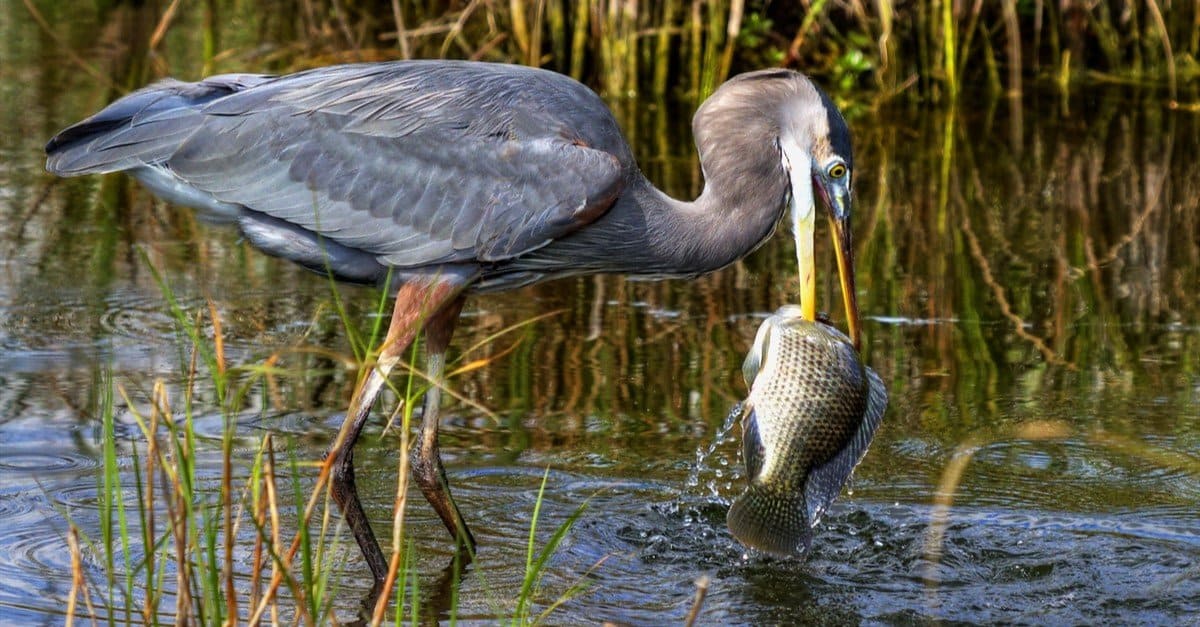
These foundational studies provided a broad understanding of blue heron diet, identifying primary food groups like fish, amphibians, and invertebrates. However, they offered limited insight into temporal or spatial variations, the precise nutritional components of their diet, or the fine-grained details of their foraging strategies.
The Digital Shift: Empowering Precision and Scale
The integration of technology has moved avian diet research from a qualitative to a more quantitative and precise science. This shift has been driven by advancements in several key technological domains, allowing for more comprehensive and less intrusive data collection.
Technological Frontiers in Blue Heron Diet Research
The modern study of blue heron diets is a testament to how technology can unlock deeper ecological understanding. From sophisticated tracking devices that reveal foraging locations to advanced imaging that analyzes prey composition, these innovations are painting a richer, more detailed picture of what sustains these magnificent birds.
Remote Sensing and Tracking Technologies
One of the most significant technological leaps has been in our ability to track birds without constant direct human presence. This allows researchers to follow herons across vast distances and diverse habitats, providing crucial data on their feeding grounds and the types of prey available in those specific locations.
GPS and Satellite Tracking: Mapping the Foraging Grounds
Modern GPS and satellite tags are miniature marvels of engineering. These devices, often attached to the birds’ legs or backs, transmit location data at regular intervals. By analyzing this data, researchers can map the areas where herons spend most of their time foraging.
- Spatial Ecology: This provides insights into preferred habitat types for feeding, such as specific types of wetlands, river bends, or coastal areas. The density of tagged birds in certain areas can also indicate the richness of prey resources.
- Movement Patterns: Tracking data reveals daily and seasonal movements, migratory routes, and how these movements correlate with prey availability. For instance, a surge in movement towards a particular estuary might indicate a seasonal abundance of a favored fish species.
- Foraging Efficiency: By combining location data with habitat maps, researchers can infer the energy expenditure and success rates of foraging attempts in different environments. Areas with high foraging activity but low success might indicate resource depletion or suboptimal foraging conditions.
Biologging and Accelerometers: Understanding Foraging Behavior
Beyond simple location, biologging devices can record a wealth of behavioral data. Accelerometers, gyroscopes, and other sensors within these tags can detect subtle movements associated with hunting.
- Predatory Actions: These sensors can differentiate between general movement, standing, walking, and the rapid, precise movements associated with striking at prey. By correlating these actions with GPS locations, researchers can pinpoint not just where a heron forages, but how it forages within that location.
- Energy Expenditure: Measuring the intensity and duration of various activities provides data on the energetic costs of foraging, helping to understand the caloric needs of the bird and the efficiency of its hunting strategies.
- Prey Capture Confirmation (Indirect): While not directly recording prey capture, specific patterns of movement (e.g., rapid head movements, wing beats associated with lunging) can be highly indicative of successful prey capture events, allowing for statistical inference of feeding success.
Advanced Imaging and Acoustic Monitoring
While tracking tells us where and how herons forage, imaging and acoustic technologies offer a window into what they are consuming and the broader ecosystem context of their diet.
Drone-Based Imaging and Spectroscopy: Non-Invasive Prey Identification
Drones equipped with high-resolution cameras and advanced imaging sensors are transforming the study of avian diets. These technologies allow for observations from a bird’s-eye view without disturbing the subject.
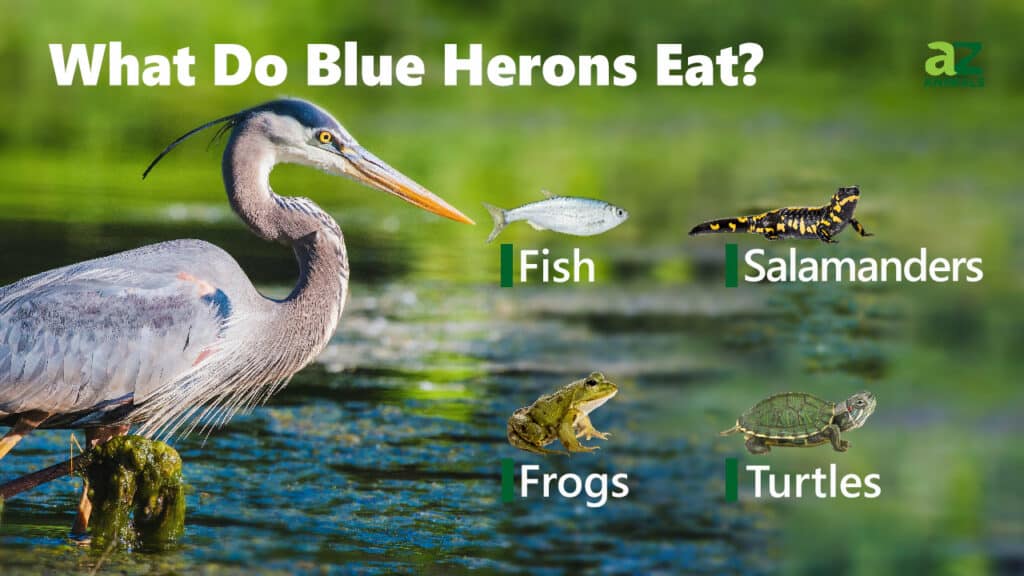
- Visual Prey Identification: High-resolution imagery can, in some cases, allow for the direct identification of prey items being handled or consumed by a heron, especially larger fish or amphibians. This is particularly useful in open water or shallow areas where visual identification is possible.
- Hyperspectral and Multispectral Imaging: These advanced sensors capture light across numerous spectral bands, far beyond what the human eye can see. Different biological materials reflect and absorb light uniquely.
- Biomass Estimation: Multispectral data can be used to map aquatic vegetation density, a key indicator of habitat suitability for various prey species.
- Prey Presence Signatures: While direct identification of every small invertebrate might be challenging, hyperspectral analysis can potentially identify signatures of common prey groups within the water column or on the substrate, indirectly informing about prey availability.
Acoustic Monitoring: Listening to the Wetlands
Acoustic sensors placed in or near heron foraging habitats can record the soundscape of their environment. While not directly recording what a heron eats, these recordings can provide crucial context.
- Biodiversity Indicators: The presence and abundance of certain sounds (e.g., amphibian calls, insect chirps, specific fish sounds) can indicate the diversity and density of potential prey species within a foraging area.
- Habitat Health Assessment: The overall acoustic profile of an environment can serve as a proxy for ecosystem health, indirectly informing about the quality and quantity of food resources available for herons.
Artificial Intelligence and Big Data Analytics
The sheer volume of data generated by modern tracking and imaging technologies necessitates sophisticated analytical tools. Artificial intelligence (AI) and machine learning (ML) are proving invaluable in extracting meaningful insights from these vast datasets.
AI-Powered Image Recognition
AI algorithms can be trained to identify specific patterns within large image datasets.
- Prey Classification: When combined with high-resolution imagery, AI can be trained to recognize and classify different types of prey, even when partially obscured or in complex aquatic environments. This significantly accelerates the analysis of visual feeding data.
- Behavioral Event Detection: AI can identify specific behavioral cues associated with hunting, such as prey detection, lunging, and swallowing, by analyzing video footage or sensor data from biologgers.
Predictive Modeling and Ecological Inference
AI and ML are also employed to build predictive models about blue heron diet based on environmental factors.
- Dietary Predictability: By correlating tracking data, environmental variables (water temperature, salinity, vegetation cover), and known prey distributions, AI models can predict dietary composition in different locations and at different times of the year.
- Resource Management Implications: These predictive models can inform resource management decisions, such as identifying critical foraging habitats that require protection or areas where prey populations might be stressed, thus impacting the heron population.
- Understanding Prey Selection: AI can analyze complex relationships between available prey species and the prey actually consumed by herons, revealing sophisticated selection criteria related to prey size, nutritional value, and ease of capture.
The Interplay of Technology and Conservation
The technological advancements discussed are not merely academic exercises; they have profound implications for the conservation of blue herons and the ecosystems they inhabit. By understanding their dietary needs with unprecedented detail, we can implement more targeted and effective conservation strategies.
Habitat Protection and Restoration
Knowledge of a heron’s preferred foraging grounds, derived from GPS tracking and habitat analysis, allows conservationists to prioritize the protection of these critical areas. This might involve safeguarding wetlands from development, restoring degraded aquatic habitats, or managing water levels to ensure the availability of prey species.
Understanding Human Impact
Technological monitoring can help researchers understand how human activities, such as pollution, overfishing, or habitat alteration, impact blue heron diets. For instance, changes in prey availability documented through acoustic monitoring or imaging could be directly linked to specific anthropogenic stressors.
Climate Change Adaptation
As climate change alters aquatic ecosystems, blue heron diets may shift. Technological monitoring provides a critical tool for tracking these changes in real-time, allowing for adaptive conservation strategies. For example, observing a shift in prey species in a heron’s diet could indicate a broader ecosystem response to warming waters.
Citizen Science Integration
While much of the advanced technology is employed by researchers, there is increasing potential for citizen science to contribute. Modified versions of these technologies, or simpler data collection methods facilitated by apps, could allow the public to contribute to understanding blue heron feeding habits, further enriching our knowledge base.
The Future of Avian Diet Research: A Symbiotic Relationship with Technology
The journey from basic field observations to the sophisticated technological analyses of blue heron diets is a compelling narrative of scientific progress. The future promises even more integrated and intelligent systems. We can anticipate advancements in miniaturization of tracking devices, enhanced AI capabilities for real-time data interpretation, and novel sensor technologies that can analyze prey composition with even greater precision. The continued symbiosis between technological innovation and ecological research will undoubtedly deepen our understanding of blue herons, ensuring their continued presence in our natural landscapes and contributing to the health of the aquatic ecosystems they call home. The question of “what do blue herons eat” is no longer a simple inquiry but a complex puzzle being solved piece by piece through the powerful lens of modern technology.
aViewFromTheCave is a participant in the Amazon Services LLC Associates Program, an affiliate advertising program designed to provide a means for sites to earn advertising fees by advertising and linking to Amazon.com. Amazon, the Amazon logo, AmazonSupply, and the AmazonSupply logo are trademarks of Amazon.com, Inc. or its affiliates. As an Amazon Associate we earn affiliate commissions from qualifying purchases.