
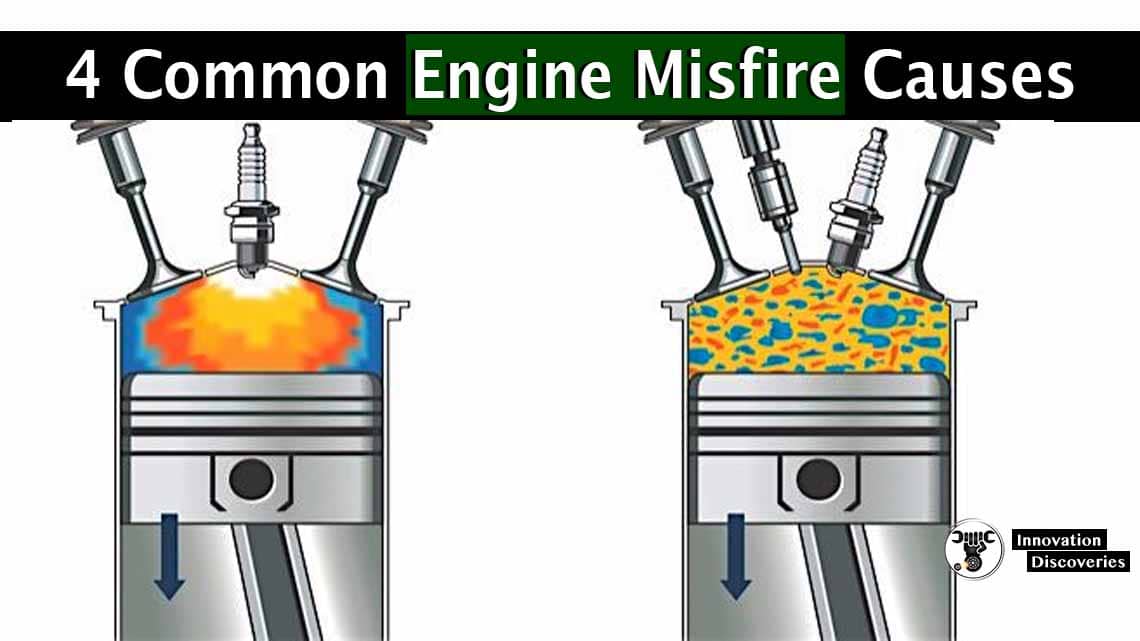
An engine misfire is a symptom, not a direct problem in itself. It signifies that one or more cylinders in your internal combustion engine are not combusting fuel properly, or at all. This can manifest as rough idling, reduced power, stalling, illuminated check engine lights, and increased emissions. While the sensation might be unsettling and the implications for your vehicle’s health can be significant, understanding the root causes is the first step towards diagnosis and resolution. Modern vehicles are intricate systems of mechanical and electronic components working in harmony. When this harmony is disrupted, misfires can occur. This article delves into the multifaceted technological reasons behind engine misfires, providing an in-depth look at the systems and components that, when malfunctioning, can lead to this common automotive ailment.

The Pillars of Combustion: Fuel, Spark, and Air
At the heart of an internal combustion engine’s operation lies a precisely timed process involving the intake of air, the injection of fuel, and the ignition of this mixture by a spark. For optimal combustion to occur, all three elements must be present in the correct proportions and at the right moment. A failure in any of these fundamental pillars will inevitably lead to a misfire.
Fuel Delivery System Failures
The fuel delivery system is responsible for ensuring that the right amount of fuel reaches each cylinder. This system involves several key components, each with the potential to cause a misfire if it fails.
Clogged or Malfunctioning Fuel Injectors
Fuel injectors are sophisticated electronically controlled valves that atomize and spray fuel into the combustion chamber. Over time, deposits from fuel additives or contaminants can build up on the injector nozzles, restricting fuel flow or causing them to spray unevenly. This can lead to a lean fuel mixture in the affected cylinder, preventing complete combustion. In more severe cases, a completely clogged injector will starve the cylinder of fuel altogether. Diagnosing injector issues often involves checking fuel pressure, inspecting injector spray patterns, and sometimes using specialized cleaning equipment. Electronic testing can also reveal if an injector is not being commanded to open by the engine control module (ECM).
Weak or Failing Fuel Pump
The fuel pump is responsible for delivering fuel from the tank to the injectors at the required pressure. If the fuel pump is weak or failing, it may not be able to supply sufficient fuel volume or pressure, particularly under load. This can result in a lean condition across multiple cylinders, leading to misfires. Symptoms of a failing fuel pump can include hesitation during acceleration, difficulty starting, and a noticeable drop in engine performance. Modern fuel pumps are often located within the fuel tank and are difficult to access, making diagnostic testing crucial.
Fuel Pressure Regulator Issues
The fuel pressure regulator maintains a consistent fuel pressure within the fuel rail, ensuring that injectors receive fuel at the optimal pressure for proper atomization. A faulty regulator can cause either too high or too low fuel pressure. Excessively low pressure will result in a lean condition and misfires, while excessively high pressure can lead to a rich condition, which can also cause incomplete combustion and plug fouling.
Ignition System Malfunctions
The ignition system is responsible for generating the spark that ignites the air-fuel mixture. This is a critical step, and any disruption to this process will result in a misfire.
Worn or Fouled Spark Plugs
Spark plugs are consumable items that degrade over time. Their electrodes erode, and the gap between them can widen, requiring more voltage to generate a spark. Additionally, spark plugs can become fouled with oil, carbon deposits, or unburnt fuel, which can short-circuit the spark. A weak or non-existent spark in a cylinder will prevent combustion and cause a misfire. Regular inspection and replacement of spark plugs are essential maintenance items.
Faulty Ignition Coils or Spark Plug Wires
In modern vehicles, ignition coils are often located directly on top of the spark plugs (coil-on-plug systems) or are connected to them via spark plug wires. Each coil is responsible for transforming the low voltage from the battery into the high voltage needed to create a spark. A failing ignition coil will not generate sufficient voltage, leading to a weak or absent spark. Similarly, degraded spark plug wires can resist the flow of high voltage, diminishing the spark at the plug. Diagnostic tools can often pinpoint a specific misfiring cylinder, which can then be traced back to a faulty coil or wire.
Distributor Cap and Rotor Issues (Older Vehicles)
In older vehicles that utilize a distributor-based ignition system, the distributor cap and rotor play a crucial role in directing the spark to the correct spark plug. Cracks in the distributor cap or wear on the rotor can lead to arcing, misfires, and poor engine performance. Moisture and corrosion can also interfere with their operation.
Air Intake and Management Problems
While fuel and spark are critical, the air intake system provides the oxygen necessary for combustion. Any issues with airflow can disrupt the air-fuel ratio and lead to misfires.
Mass Airflow (MAF) Sensor Malfunctions
The MAF sensor measures the amount of air entering the engine. The ECM uses this information, along with data from other sensors, to calculate the correct amount of fuel to inject. A dirty or failing MAF sensor can provide inaccurate readings, leading to an incorrect air-fuel mixture. If the ECM receives a reading that suggests more air than is actually present, it will inject too little fuel, causing a lean condition and misfires.
Throttle Body Issues
The throttle body controls the amount of air entering the engine based on accelerator pedal input. If the throttle body is dirty, sticking, or if its electronic control module (if applicable) is malfunctioning, it can lead to erratic airflow. This can cause rough idling and misfires, especially at low engine speeds. Cleaning the throttle body is a common maintenance procedure that can resolve some of these issues.
Vacuum Leaks
A vacuum leak occurs when unmetered air enters the intake manifold after the throttle body. This disrupts the carefully controlled air-fuel ratio, leading to a lean condition. Common sources of vacuum leaks include cracked or disconnected vacuum hoses, leaking intake manifold gaskets, or faulty PCV (Positive Crankcase Ventilation) valves. Vacuum leaks can cause rough idling, stalling, and misfires, often across multiple cylinders.
Mechanical Engine Faults
Beyond the systems directly involved in the combustion process, internal mechanical issues within the engine itself can also lead to misfires by compromising the cylinder’s ability to compress the air-fuel mixture or seal effectively.
Low Cylinder Compression
Compression is the process by which the air-fuel mixture is squeezed before ignition. Adequate compression is vital for efficient combustion. Several mechanical problems can lead to low compression in one or more cylinders:
Worn Piston Rings
Piston rings create a seal between the piston and the cylinder wall. Over time and with wear, these rings can become less effective, allowing combustion gasses to blow past the piston into the crankcase (blow-by). This reduces the pressure within the cylinder, leading to incomplete combustion and misfires. Worn rings can also contribute to oil consumption.
Damaged Valves or Valve Seats
The intake and exhaust valves are responsible for controlling the flow of gases into and out of the cylinder. If a valve is bent, burnt, or its seat is damaged, it will not seal properly. This allows the compressed mixture to escape during the compression stroke, significantly reducing compression and causing a misfire. Valve issues often manifest as ticking or tapping noises from the engine.
Blown Head Gasket
The head gasket seals the cylinder head to the engine block, preventing coolant, oil, and combustion gasses from mixing. A blown head gasket can allow combustion gasses to leak from one cylinder to another, or into the cooling system or oil passages. This leakage disrupts the compression in the affected cylinders, leading to misfires, rough running, and often the presence of coolant in the exhaust or oil.
Timing Belt or Chain Issues
The timing belt or chain synchronizes the rotation of the crankshaft and camshaft(s). This ensures that the valves open and close at the precise moment in relation to the piston’s position. If the timing belt slips or the timing chain stretches, this synchronization is lost. This can lead to valves not opening or closing at the correct time, preventing proper cylinder filling or exhaust scavenging, and ultimately causing misfires and potentially severe engine damage.
Electronic Control System Failures
Modern vehicles rely heavily on a complex network of sensors, actuators, and a powerful Engine Control Module (ECM) or Powertrain Control Module (PCM) to manage engine operation. Failures within this electronic ecosystem can directly lead to misfires.
Faulty Sensors
As mentioned earlier, sensors like the MAF sensor are crucial. However, many other sensors contribute to the ECM’s ability to manage combustion.
Oxygen (O2) Sensors
O2 sensors monitor the amount of oxygen in the exhaust gases. This data helps the ECM adjust the air-fuel mixture to optimize combustion and minimize emissions. A malfunctioning O2 sensor can send incorrect readings, leading the ECM to enrich or lean out the mixture inappropriately, resulting in misfires.
Crankshaft Position Sensor (CKP) and Camshaft Position Sensor (CMP)
These sensors provide critical information to the ECM about the engine’s rotational speed and the position of the crankshaft and camshafts. This data is essential for precise fuel injection timing and ignition timing. A faulty CKP or CMP sensor can cause intermittent or complete loss of engine spark and fuel injection, leading to stalling and misfires.
Knock Sensor
The knock sensor detects abnormal combustion events (knocking or pinging) and signals the ECM to retard ignition timing. If the knock sensor is faulty and incorrectly detects knocking, it can cause the ECM to excessively retard timing, leading to a significant loss of power and misfires.
Engine Control Module (ECM) or Powertrain Control Module (PCM) Issues
The ECM is the “brain” of the engine. It receives data from all the sensors, processes it according to its programming, and sends commands to the actuators (fuel injectors, ignition coils, etc.). While rare, the ECM itself can fail. This could be due to internal component failure, electrical damage, or programming corruption. An ECM failure can lead to a wide range of symptoms, including misfires. Diagnosing ECM issues can be complex and often requires specialized diagnostic equipment.

Wiring Harness and Connector Problems
The intricate network of wires and connectors that link all the sensors, actuators, and the ECM is known as the wiring harness. Damage to the wiring harness, such as frayed wires, corroded connectors, or loose connections, can interrupt the flow of electrical signals. This can manifest as intermittent misfires or the failure of specific engine functions. Thorough inspection of the wiring harness for any signs of damage or corrosion is an important part of troubleshooting.
In conclusion, an engine misfire is a complex symptom with a wide array of potential causes rooted in the intricate technological systems that govern modern vehicle operation. From the fundamental delivery of fuel, air, and spark to the sophisticated electronic management of these processes, any disruption can lead to a cylinder failing to combust properly. By understanding these underlying technological causes, vehicle owners and technicians can systematically diagnose and address the root of the problem, ensuring the smooth, efficient, and reliable operation of the engine. Regular maintenance, coupled with a keen awareness of the vehicle’s performance, remains the best defense against the onset of engine misfires.
aViewFromTheCave is a participant in the Amazon Services LLC Associates Program, an affiliate advertising program designed to provide a means for sites to earn advertising fees by advertising and linking to Amazon.com. Amazon, the Amazon logo, AmazonSupply, and the AmazonSupply logo are trademarks of Amazon.com, Inc. or its affiliates. As an Amazon Associate we earn affiliate commissions from qualifying purchases.