
Battery corrosion is a pervasive issue that can significantly impact the performance, lifespan, and safety of a wide array of electronic devices. From the smartphones in our pockets to the complex systems powering electric vehicles and critical infrastructure, batteries are the lifeblood of modern technology. Understanding the root causes of battery corrosion is therefore paramount for engineers, manufacturers, and even end-users looking to maintain their gadgets and ensure their reliability. This article delves into the scientific and technological factors that contribute to battery corrosion, offering an in-depth look at the mechanisms involved and their implications within the tech landscape.
The Electrochemical Underpinnings of Battery Corrosion
At its core, battery corrosion is an electrochemical process, a byproduct of the very reactions that allow a battery to store and discharge energy. While intended chemical transformations are crucial for operation, unintended side reactions can lead to the degradation of battery components, manifesting as corrosion. These unintended reactions are often exacerbated by environmental factors and inherent material properties.
Electrolyte Degradation and Its Byproducts
The electrolyte is the medium through which ions travel between the anode and cathode of a battery, facilitating the flow of electric current. However, electrolytes are not inert substances and can undergo degradation over time, especially under stressful conditions like high temperatures, prolonged storage, or overcharging.
Thermal Decomposition
Many electrolytes are organic solvents or salts that can decompose when exposed to elevated temperatures. This decomposition can produce acidic byproducts, such as volatile organic compounds (VOCs) or even corrosive gases. These acidic compounds can then attack the metallic components of the battery, including the current collectors (often aluminum or copper) and the active electrode materials. For instance, in lithium-ion batteries, the breakdown of organic carbonates can lead to the formation of species that aggressively attack the aluminum cathode current collector, forming aluminum fluoride and other corrosive salts. This process not only compromises the structural integrity of the electrodes but also increases internal resistance, leading to reduced capacity and power output.
Chemical Reactions with Electrode Materials
Beyond thermal decomposition, electrolytes can also react directly with the electrode materials, especially at the electrode-electrolyte interface. This is particularly true when the battery is operated outside its optimal voltage window. Overcharging, for example, can lead to the oxidation of the electrolyte at the cathode, generating highly reactive species that can etch the electrode surface. Conversely, over-discharging can cause reductive decomposition of the electrolyte at the anode. These reactions can create a resistive layer, often referred to as the solid-electrolyte interphase (SEI) layer, which is intentionally formed in many battery chemistries to protect the anode. However, an unstable or excessively thick SEI layer can become a source of corrosion, impeding ion transport and leading to further chemical attacks.
The Role of Impurities and Contaminants
Even in meticulously manufactured batteries, minute impurities can act as catalysts for corrosive reactions. These impurities can originate from raw materials, manufacturing processes, or even ingress from the external environment.
Water Content and Hydrolysis
Water is a notorious enemy of many battery chemistries, particularly those utilizing non-aqueous electrolytes. Even trace amounts of moisture can lead to hydrolysis reactions. In lithium-ion batteries, water can react with lithium salts in the electrolyte to form hydrofluoric acid (HF) if fluoride-containing salts are present. HF is a highly corrosive acid that readily attacks both metallic and ceramic components within the battery. The aluminum current collector of the cathode is particularly susceptible to HF attack, leading to its dissolution and the formation of aluminum fluoride deposits. This not only degrades the cathode’s electrical contact but can also lead to internal short circuits if these deposits bridge the electrodes.
Metal Ion Contamination
Metallic impurities, such as iron, copper, or nickel, can be introduced into the battery during manufacturing. These metal ions can catalyze unwanted side reactions, accelerating electrolyte decomposition or promoting dendrite formation in certain battery types. Dendrites are needle-like structures of metal that can grow from the anode during charging. If they pierce the separator and reach the cathode, they can cause a short circuit, leading to rapid heat generation and potentially thermal runaway. The presence of metal ions can also directly contribute to localized corrosion by acting as electrochemical couples, creating galvanic cells within the battery.
External Environmental Factors and Their Corrosive Impact
While internal electrochemical processes are primary drivers of battery corrosion, external environmental factors can significantly accelerate these degradation mechanisms or initiate entirely new ones. Protecting batteries from these elements is crucial for their longevity and reliable operation in diverse technological applications.
Temperature Extremes: The Double-Edged Sword
Temperature plays a critical role in battery performance and degradation. While batteries generally perform better within a specific temperature range, both extreme heat and cold can contribute to corrosion.
High Temperatures and Accelerated Degradation
As discussed earlier, elevated temperatures accelerate chemical reaction rates. This means that any undesirable side reactions occurring within the battery, such as electrolyte decomposition or reactions with electrode materials, will happen much faster at higher temperatures. For instance, the thermal runaway phenomenon in lithium-ion batteries is a catastrophic example of accelerated corrosion and exothermic reactions. Even sub-catastrophic high temperatures, experienced during prolonged operation in hot environments or fast charging, can lead to a gradual but significant increase in internal resistance due to the formation of resistive layers and the degradation of electrode materials. This can manifest as a noticeable drop in battery capacity and power output over time.
Low Temperatures and Electrolyte Properties
At very low temperatures, the ionic conductivity of the electrolyte decreases. This leads to slower ion transport and increased internal resistance. While not direct corrosion in the sense of chemical attack, this impedance can lead to a phenomenon known as “lithium plating” in lithium-ion batteries. During charging at low temperatures, the lithium ions may not be able to intercalate into the anode material quickly enough. Instead, they deposit as metallic lithium on the anode surface. This metallic lithium is highly reactive and can react with the electrolyte, forming unstable SEI layers or even leading to dendrite formation and potential internal shorts upon further cycling. Furthermore, the mechanical stress induced by the expansion and contraction of battery components due to temperature cycling can also contribute to physical damage and compromise protective layers, indirectly facilitating corrosion.
Moisture and Humidity: The Silent Corroder
Humidity and direct exposure to water are particularly detrimental to battery systems, especially those not designed with stringent ingress protection.
Ingress of Moisture into Battery Casing
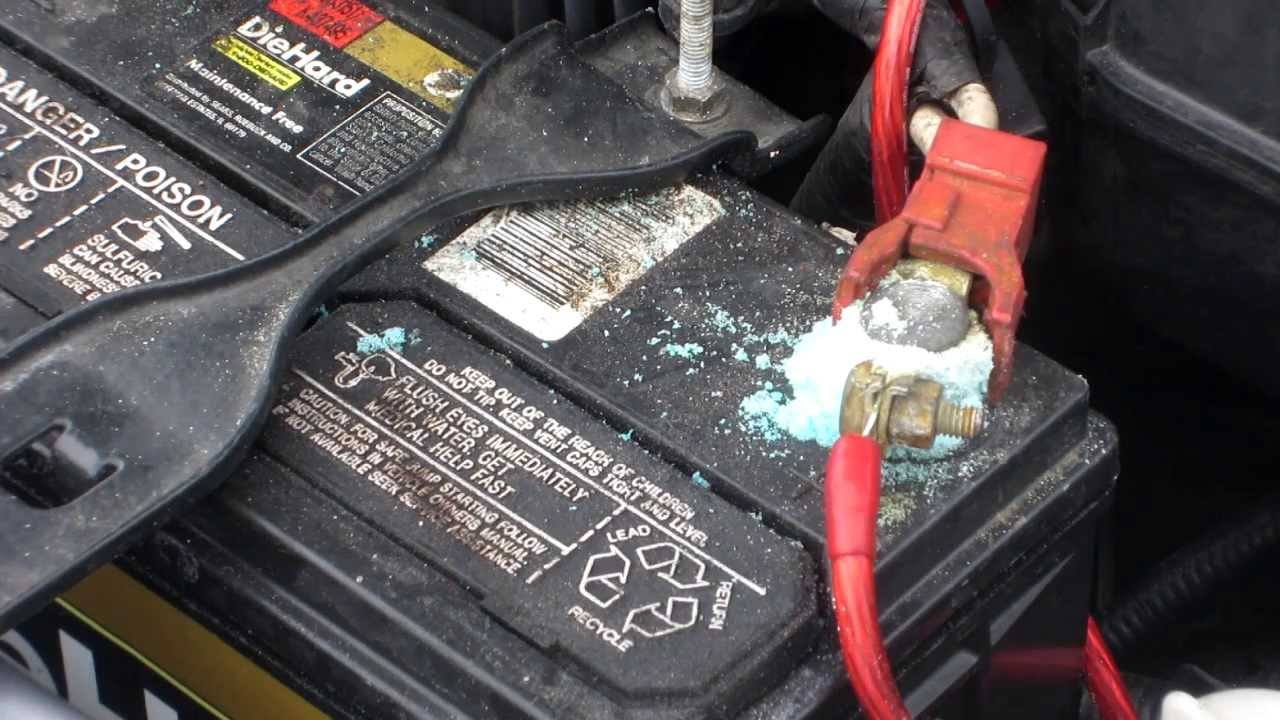
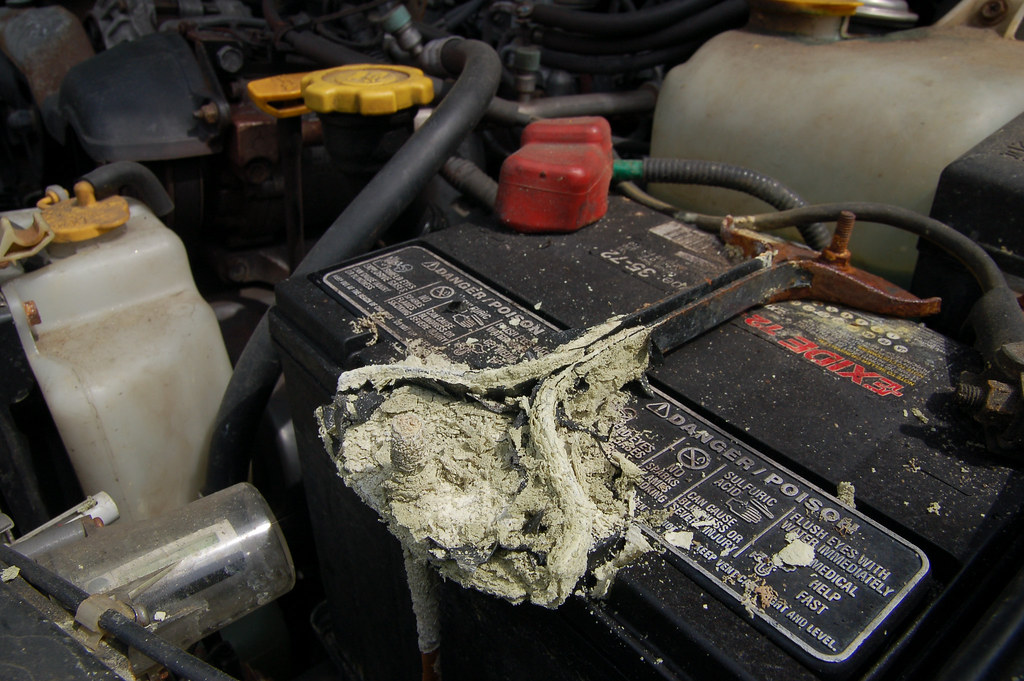
For batteries housed in devices that lack adequate sealing, moisture can seep into the battery compartment. This is a common issue with older electronics or devices subjected to harsh environments. Once inside, water can interact with battery terminals, leading to the formation of metal oxides, hydroxides, or carbonates. This is a visible form of corrosion, often appearing as a white or greenish powder around the battery contacts. This corroded material is electrically resistive, hindering proper electrical connection between the battery and the device, leading to intermittent power or complete failure to operate.
Internal Electrolyte Contamination
In rechargeable batteries, internal corrosion due to moisture ingress can be even more severe. As mentioned previously, water can hydrolyze electrolyte salts and solvents, generating corrosive acids. This internal contamination can rapidly degrade electrode materials and current collectors, leading to irreversible capacity loss and a significantly shortened battery lifespan. The corrosive byproducts can also propagate through the battery, affecting multiple internal components.
Physical Damage and Mechanical Stress
Physical impacts, vibrations, and improper handling can also contribute to battery corrosion by compromising the structural integrity of the battery and its protective layers.
Cracks and Punctures in the Battery Casing
Accidental drops, crushing, or punctures to the battery casing can create pathways for external contaminants like moisture, dust, and oxygen to enter the battery. Oxygen, in particular, can react with electrode materials, especially at high temperatures, leading to oxidative degradation. The physical damage can also expose internal components to the environment, initiating corrosion processes that would otherwise be prevented by the battery’s protective casing.
Internal Stress from Expansion/Contraction
Many battery chemistries experience volume changes during charging and discharging cycles as active materials expand and contract. Over time, repeated cycling can induce mechanical stress within the battery. This stress can lead to micro-cracks in the electrode materials or the SEI layer, compromising their integrity. These cracks can expose fresh surfaces to the electrolyte, leading to increased SEI formation and further degradation, essentially a form of self-corrosion driven by mechanical fatigue. Repeated stress can also dislodge active material particles, reducing the effective surface area and capacity.
Battery Chemistry and Material Choices: Intrinsic Vulnerabilities
The fundamental design and materials used in a battery’s construction inherently influence its susceptibility to corrosion. Different battery chemistries possess unique vulnerabilities that engineers must address through material selection and design optimization.
The Chemistry of Lithium-Ion Batteries and Its Challenges
Lithium-ion batteries, while ubiquitous in portable electronics and electric vehicles, are complex systems with specific corrosion pathways that require careful management.
Cathode Degradation: Aluminum Current Collector Attack
The aluminum current collector used in the positive electrode (cathode) of most lithium-ion batteries is susceptible to corrosion, particularly in the presence of acidic species. As noted, HF formed from electrolyte decomposition can readily attack aluminum, forming aluminum fluoride. This process degrades the electrical conductivity of the cathode and can lead to the formation of insulating layers, hindering efficient charge transfer. Furthermore, the dissolution of aluminum can contribute to the formation of internal shorts or gas evolution.
Anode Stability and SEI Layer Evolution
The anode material, typically graphite, relies on the formation of a stable solid-electrolyte interphase (SEI) layer during initial cycles to prevent continuous electrolyte decomposition. However, this SEI layer is not always perfectly stable. Factors like temperature, voltage fluctuations, and impurities can lead to its breakdown and reformation. Each reformation process consumes electrolyte and active lithium, leading to capacity fade and increased internal resistance. An unstable SEI layer can also become a source of internal resistance, hindering lithium-ion transport to the anode.
Other Battery Chemistries and Their Corrosion Susceptibilities
While lithium-ion batteries are a prominent example, other battery chemistries also face unique corrosion challenges.
Lead-Acid Batteries and Sulfation
Traditional lead-acid batteries, commonly used in automotive applications, are prone to sulfation. This occurs when lead sulfate crystals, formed during discharge, do not fully convert back to lead and lead dioxide during charging. Over time, these crystals grow larger and become more difficult to dissolve, forming a hard, electrically insulating layer on the electrode plates. This process effectively reduces the active surface area of the electrodes, leading to a significant loss of battery capacity and eventually premature failure. Electrolyte concentration and temperature also play a role in the rate of sulfation.
Nickel-Metal Hydride (NiMH) Batteries and Alkaline Batteries
NiMH batteries can suffer from internal corrosion, particularly at elevated temperatures, which can lead to gas generation and swelling of the battery casing. Alkaline batteries, while generally more robust for disposable applications, can experience leakage of alkaline electrolyte if corroded. This leakage can damage the device they are powering and is a common reason for device failure when batteries are left in place for extended periods after depletion.
Mitigation Strategies and Future Directions in Corrosion Prevention
Addressing battery corrosion requires a multi-faceted approach, encompassing material science advancements, sophisticated engineering designs, and intelligent battery management systems.
Material Science Innovations: Developing Corrosion-Resistant Materials
The ongoing research and development in material science are crucial for creating next-generation batteries with enhanced corrosion resistance.
Novel Electrolyte Formulations
Scientists are actively developing new electrolyte formulations that are more chemically stable and less prone to decomposition. This includes the use of solid-state electrolytes, which eliminate the liquid component entirely, and ionic liquids, which possess higher thermal and chemical stability. The aim is to create electrolytes that are inert to electrode materials and current collectors under a wide range of operating conditions, thereby minimizing undesirable side reactions.
Advanced Electrode Materials and Coatings
Developing electrode materials that are inherently more resistant to chemical attack is another key area of focus. This can involve surface modifications or coatings that act as protective barriers. For instance, coating current collectors with polymers or ceramics can prevent direct contact with corrosive electrolyte species. Similarly, modifying the active electrode materials themselves to be less reactive with the electrolyte can significantly improve long-term stability and reduce corrosion-related degradation.
Engineering Design and Manufacturing Processes
Beyond material choices, the way batteries are designed and manufactured plays a vital role in preventing corrosion.
Enhanced Sealing and Environmental Protection
For devices where batteries are exposed to external elements, robust sealing and environmental protection are paramount. This includes the use of O-rings, specialized adhesives, and hermetically sealed enclosures to prevent moisture and contaminant ingress. For larger battery systems, such as those in electric vehicles, sophisticated thermal management systems are essential to maintain optimal operating temperatures and prevent accelerated degradation due to heat.
Stringent Quality Control in Manufacturing
Minimizing impurities during manufacturing is a critical step. Implementing rigorous quality control measures for raw materials and advanced purification techniques can significantly reduce the likelihood of internal contamination that can catalyze corrosion. Precise manufacturing processes also ensure consistent electrode morphology and proper alignment, reducing mechanical stress and the potential for micro-cracks.
Intelligent Battery Management Systems (BMS)
Modern battery management systems (BMS) are increasingly sophisticated, offering advanced features to monitor and control battery operation, thereby mitigating corrosion.
Real-time Monitoring and Anomaly Detection
BMS can continuously monitor key battery parameters like voltage, current, and temperature. By analyzing these data, anomalies that might indicate early signs of corrosion, such as unexpected voltage drops or rapid capacity fade, can be detected. This allows for proactive interventions, such as limiting charging rates or reducing power output, to prevent further damage.

Advanced Charging Algorithms
Intelligent charging algorithms can optimize the charging process to minimize stress on the battery. This includes avoiding overcharging, managing charging rates based on temperature, and employing slow charging techniques when necessary. By operating the battery within its safe and recommended parameters, the frequency and severity of corrosion-inducing reactions can be significantly reduced.
In conclusion, battery corrosion is a complex phenomenon driven by a confluence of electrochemical reactions, material properties, and environmental factors. As technology continues to advance, the demand for more reliable, longer-lasting, and safer energy storage solutions will only grow. By understanding the fundamental causes of battery corrosion and implementing innovative material science, robust engineering designs, and intelligent management systems, the tech industry can continue to push the boundaries of what is possible with battery-powered devices.
aViewFromTheCave is a participant in the Amazon Services LLC Associates Program, an affiliate advertising program designed to provide a means for sites to earn advertising fees by advertising and linking to Amazon.com. Amazon, the Amazon logo, AmazonSupply, and the AmazonSupply logo are trademarks of Amazon.com, Inc. or its affiliates. As an Amazon Associate we earn affiliate commissions from qualifying purchases.