
Venezuela. The name itself has become a shorthand for economic devastation, hyperinflation, and a profound humanitarian crisis. For years, the South American nation has been grappling with an unprecedented meltdown, a complex web of political mismanagement, plummeting oil prices, international sanctions, and a host of other factors that have together created a catastrophic financial landscape. Understanding “what is going on in Venezuela right now” necessitates a deep dive into the persistent economic challenges and their far-reaching financial implications for its citizens, the region, and even the global financial system.
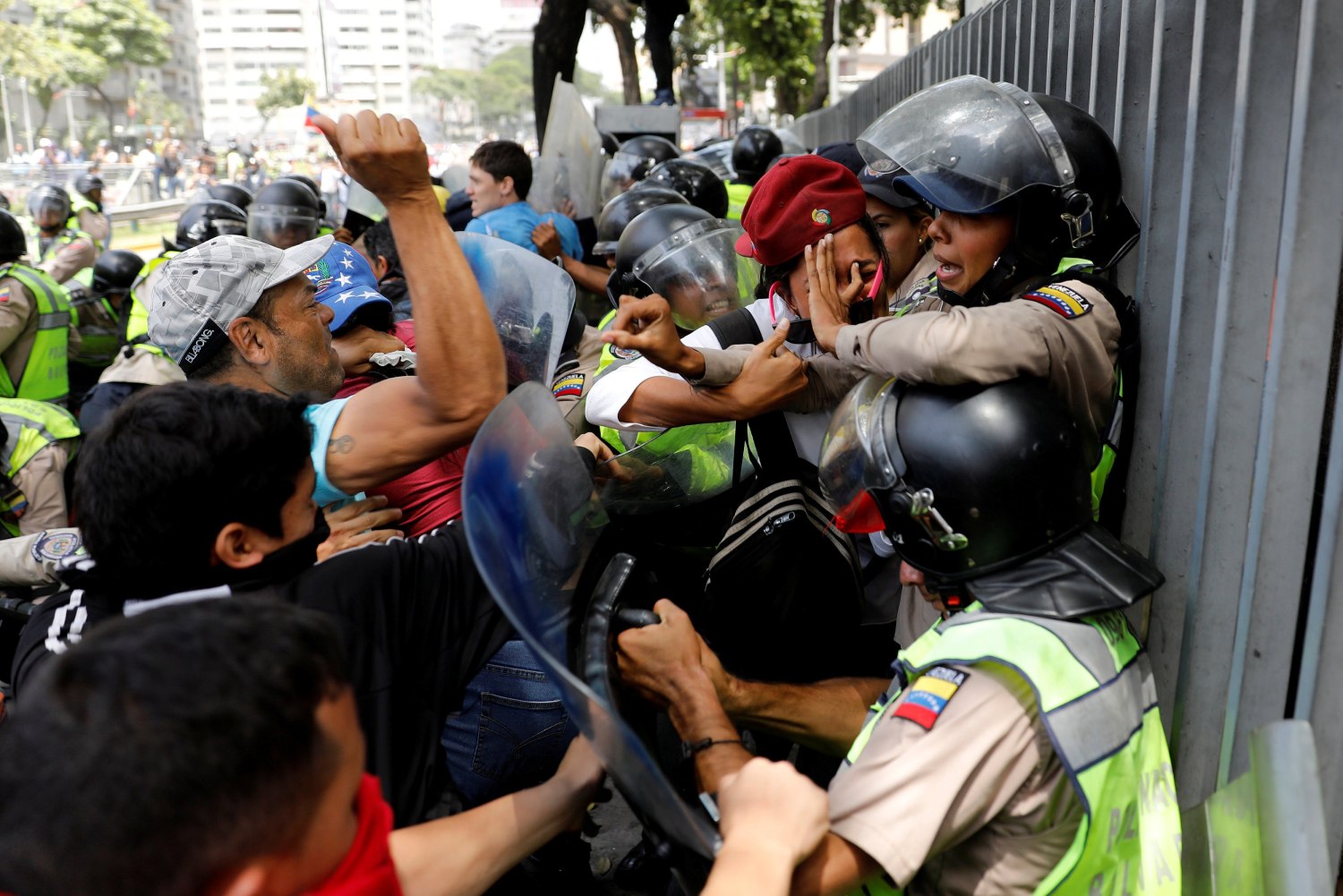
The narrative of Venezuela’s economic collapse is not a recent phenomenon. It is a story that has been unfolding for over a decade, characterized by a dramatic decline in oil revenues, the nation’s primary export, coupled with policies that have stifled domestic production and investment. This has led to a scarcity of basic goods, a collapse in public services, and a mass exodus of its population seeking a better life elsewhere. While the political landscape remains a significant factor, the economic realities are the most tangible and devastating consequence.
The Persistent Grip of Hyperinflation and Currency Devaluation
At the heart of Venezuela’s economic woes lies the relentless onslaught of hyperinflation. This phenomenon, where prices skyrocket at an exponential rate, has rendered the national currency, the Bolívar, virtually worthless. The government’s attempts to control inflation through price controls and currency interventions have largely proven futile, often exacerbating the problem.
The Devastating Impact of Hyperinflation on Daily Life
For the average Venezuelan, hyperinflation means a constant struggle for survival. Wages, even those in the formal sector, are decimated by the rapid increase in the cost of living. A loaf of bread, a carton of eggs, or a liter of milk can become prohibitively expensive overnight. This forces families to make impossible choices: prioritize food over medicine, or electricity over basic hygiene. The psychological toll of this constant economic uncertainty is immense, leading to widespread anxiety, stress, and a pervasive sense of hopelessness. Many citizens have resorted to bartering and informal economies to acquire essential goods, circumventing the devalued official currency. The inability to plan for the future, to save for a rainy day, or to invest in education or small businesses has crippled individual economic agency.
Government Interventions and Their Unintended Consequences
In a bid to combat hyperinflation and stabilize the economy, the Venezuelan government has implemented a series of measures, often with unintended and detrimental consequences. These have included printing more money, which inevitably fuels further inflation, and imposing strict price controls on essential goods. While intended to make necessities affordable, these controls often lead to shortages as producers find it unprofitable to sell at artificially low prices. This creates black markets, further distorting the economy and enriching those with access to illicit supply chains. The nationalization of industries, once hailed as a path to economic self-sufficiency, has in many cases led to decreased productivity, mismanagement, and a decline in output.
The Collapse of the Oil Industry: The Backbone Broken
Venezuela’s economy has historically been heavily reliant on its vast oil reserves. The meteoric rise of oil prices in the early 2000s funded significant social programs and economic development, creating a perception of prosperity. However, this over-reliance became a critical vulnerability when oil prices began to decline, and the nation’s oil infrastructure deteriorated due to a lack of investment and maintenance.
Decades of Neglect and Mismanagement in the Oil Sector
Petróleos de Venezuela, S.A. (PDVSA), the state-owned oil company, was once a global energy giant. However, years of political interference, corruption, and a brain drain of experienced personnel have crippled its operational capacity. Essential infrastructure, from refineries to oil rigs, has fallen into disrepair, leading to reduced production and frequent operational failures. This decline is not a sudden event but a gradual erosion of capacity over years, making recovery an arduous and long-term undertaking. The inability to extract and export oil efficiently has had a domino effect on the entire economy, cutting off the primary source of foreign exchange and government revenue.

The Impact of Sanctions on Oil Exports and Revenue
Adding to the woes of the Venezuelan oil industry are international sanctions, primarily imposed by the United States. These sanctions aim to pressure the government by limiting its access to international financial markets and restricting its ability to sell oil. While their effectiveness in achieving broader political goals is debated, their impact on the oil sector is undeniable. Reduced export volumes and the difficulty in finding buyers have significantly curtailed Venezuela’s foreign exchange earnings, further exacerbating its economic crisis. The intricate web of sanctions and counter-sanctions creates a challenging environment for any potential economic recovery, making it difficult for the country to attract foreign investment or engage in normal international trade.
The Rise of Alternative Economies and Financial Workarounds
In the face of overwhelming economic challenges, Venezuelans have demonstrated remarkable resilience and ingenuity in finding alternative ways to survive and conduct economic activities. This has led to the proliferation of informal economies, the widespread adoption of foreign currencies, and the burgeoning use of cryptocurrencies.
The Dollarization of the Economy and its Implications
As the Bolívar’s value plummeted, many Venezuelans began to abandon it in favor of the U.S. dollar. This unofficial dollarization has become a de facto reality in many parts of the country. Transactions for everything from groceries to rent are increasingly conducted in dollars, providing a semblance of stability in an otherwise chaotic economic environment. While this has offered some relief to individuals who can access dollars, it has also created a dual economy, where those without access to foreign currency are further marginalized. The government’s initial resistance to dollarization has softened over time, recognizing its inevitability, but the long-term implications for national sovereignty and economic planning remain complex.
The Emergence of Cryptocurrencies as a Survival Tool
In this environment of rampant inflation and currency instability, cryptocurrencies have emerged as a surprising lifeline for some Venezuelans. Bitcoin and other digital currencies offer a potential store of value and a means of international remittance, bypassing the volatile local currency and complex financial systems. Venezuelans have used cryptocurrencies to send and receive money from relatives abroad, to purchase goods and services, and even as a speculative investment. While the regulatory landscape for cryptocurrencies is still evolving, their adoption in Venezuela highlights the innovative ways individuals are adapting to extreme economic hardship. The decentralized nature of these digital assets provides an attractive alternative to traditional financial institutions that may be inaccessible or untrustworthy. This trend also points to a growing global shift towards digital financial solutions, with Venezuela serving as a stark example of their potential utility in crisis situations.
The Humanitarian Crisis and the Financial Strain on Neighbors
The economic collapse in Venezuela has not only devastated its population but has also created a significant humanitarian crisis, leading to one of the largest displacement crises in recent history. Millions of Venezuelans have fled their homeland in search of better opportunities and basic necessities, placing immense strain on neighboring countries.
Mass Exodus and the Strain on Regional Economies
The sheer volume of Venezuelan migrants and refugees has overwhelmed the resources of countries like Colombia, Peru, Ecuador, and Brazil. These nations are grappling with the financial implications of providing essential services, healthcare, education, and housing to a growing influx of newcomers. While many migrants contribute to the local economies through their labor, the initial and ongoing costs of integration are substantial. This has led to social tensions in some host communities and has placed a significant burden on public finances, necessitating international aid and support.

The Role of International Aid and Remittances
International organizations and governments have provided significant humanitarian aid to Venezuela and to the host countries supporting Venezuelan refugees. Remittances from the Venezuelan diaspora, sending money back to their families, have also become a crucial source of financial support for many who remain in the country. These remittances, often sent through informal channels or now increasingly via digital platforms, represent a vital flow of foreign currency into an economy starved of it. The sheer scale of these financial flows, both in terms of aid and personal remittances, underscores the profound interconnectedness of economies and the ripple effects of a national financial crisis on a regional and global scale. The resilience of the Venezuelan people, supported by these external financial inflows, continues to be a testament to their will to survive and rebuild.
aViewFromTheCave is a participant in the Amazon Services LLC Associates Program, an affiliate advertising program designed to provide a means for sites to earn advertising fees by advertising and linking to Amazon.com. Amazon, the Amazon logo, AmazonSupply, and the AmazonSupply logo are trademarks of Amazon.com, Inc. or its affiliates. As an Amazon Associate we earn affiliate commissions from qualifying purchases.