
Fall Guys is a vibrant and chaotic multiplayer video game that has captured the attention of millions worldwide since its initial release. It’s a delightful blend of the popular battle royale genre with the whimsical, obstacle-course-based competition seen in classic game shows. Instead of aiming for combat or strategic elimination, players are thrust into a series of madcap challenges, striving to be the last bean standing after a series of rounds. This unique approach has cemented its place as a standout title in the digital entertainment landscape, offering a distinctly different kind of competitive fun.

The Tech Behind the Fun: Fall Guys’ Game Design and Technical Foundation
The appeal of Fall Guys isn’t just its silly premise; it’s also built upon a solid technical foundation that enables its seamless, large-scale multiplayer chaos. Understanding the technology behind such a game offers insight into the modern development of online interactive entertainment, from network infrastructure to the physics engines that govern its comical physics.
Rendering and Visual Design: A Colorful and Lively Aesthetic
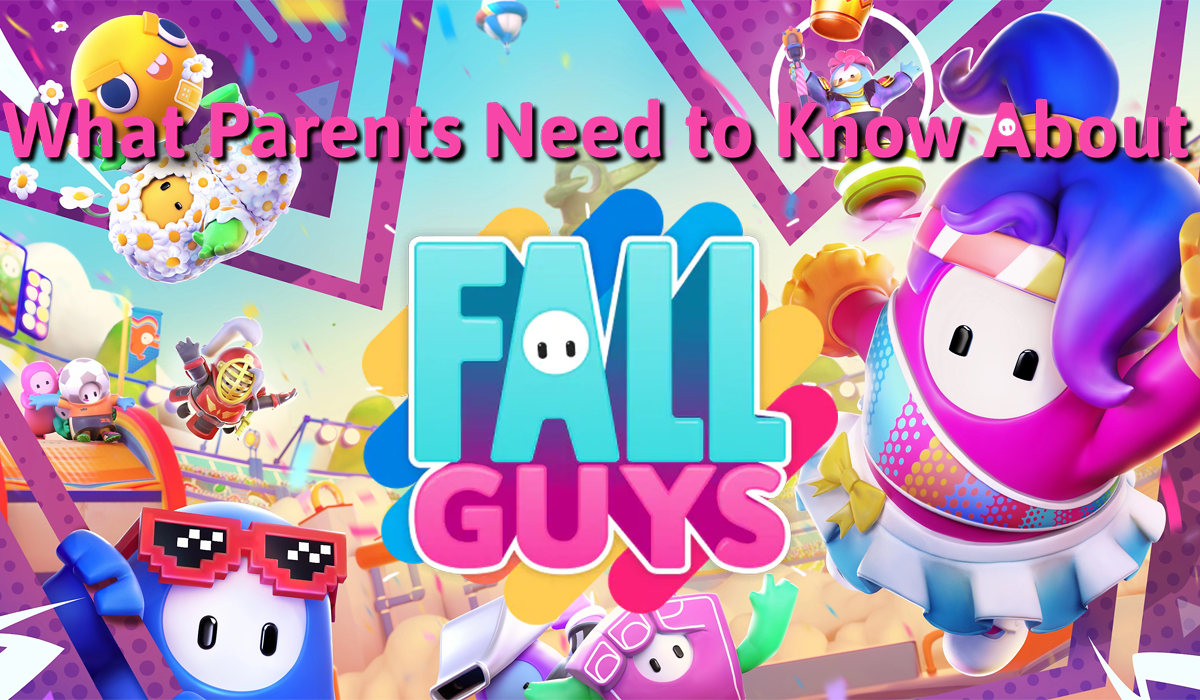
Fall Guys employs a distinctive visual style that is crucial to its identity. The game’s aesthetic is characterized by brightly colored, smooth, and rounded character models, affectionately known as “beans.” This design choice serves multiple purposes. Firstly, it contributes to the game’s lighthearted and approachable tone, making it universally appealing and non-intimidating. Secondly, the simplicity of the character models and environments allows for efficient rendering across a wide range of gaming hardware, promoting accessibility.
The development team at Mediatonic (and later Epic Games) focused on creating environments that are visually stimulating yet clear enough for players to navigate under pressure. Each obstacle and platform is designed with distinct visual cues to indicate their function and potential hazards. The use of vibrant colors and dynamic animations not only enhances the visual appeal but also provides immediate feedback to players about their actions and the state of the game. This attention to visual detail, coupled with robust animation systems, ensures that even during frantic moments, the game remains readable and engaging, a testament to effective art direction and technical implementation in game design.
Physics Engine and Gameplay Mechanics: The Heart of the Chaos
At the core of Fall Guys’ gameplay is its unique physics engine, which is responsible for the game’s signature unpredictable and often hilarious outcomes. Unlike many competitive games where precise physics are crucial for strategic maneuvers, Fall Guys embraces a more forgiving and chaotic approach. The characters’ movements are deliberately somewhat floaty and prone to stumbling, which leads to spontaneous tumbles, unexpected ricochets, and comical pile-ups.
The game utilizes a ragdoll physics system that allows characters to react organically to collisions, impacts, and environmental forces. This means that when one player bumps into another, or when a player is hit by a swinging hammer or a falling object, their character’s reaction is rendered dynamically. This unpredictability is not a bug; it’s a feature that adds to the emergent humor and replayability of the game. Mastering these loose physics requires a different kind of skill, one that involves anticipating and reacting to unpredictable movements rather than executing perfectly timed inputs.
Furthermore, the game’s mechanics are designed to be simple and intuitive. Players typically have basic controls for movement, jumping, and diving. These simple controls, combined with the complex physics, create a fertile ground for emergent gameplay. Rounds like “See Saw,” where players must balance a platform, or “Hex-A-Gone,” where players jump between disappearing hexagonal tiles, showcase how the physics engine and simple mechanics can combine to create complex and challenging scenarios. The technical implementation of these physics is crucial, requiring careful balancing to ensure that the game is challenging and fair, even amidst the chaos.
Network Infrastructure and Multiplayer Synchronization: Connecting Thousands of Beans
One of the most significant technical achievements of Fall Guys is its ability to host and synchronize gameplay for up to 60 players simultaneously. This demands a robust and efficient network infrastructure. The game employs client-server architecture, where dedicated servers manage the game state and communicate with each player’s client. This is essential for ensuring a fair and consistent experience for all participants, regardless of their individual internet connections.
The challenges in multiplayer synchronization are immense. With so many players interacting in dynamic environments, the server must accurately track the position, actions, and interactions of every bean in real-time. Latency, or the delay between a player’s input and its effect on the game, is a critical factor. Fall Guys’ developers have invested heavily in optimizing their network code to minimize latency and packet loss, ensuring that the game feels responsive and that the chaotic interactions are perceived consistently by all players.
The matchmaking system is another key technological component. It is designed to quickly group players into lobbies and start games, minimizing wait times. Furthermore, the game’s infrastructure needs to be scalable to accommodate fluctuating player numbers, from peak hours to quieter periods. The transition to free-to-play and its subsequent surge in popularity highlighted the importance of having a robust and scalable backend that can handle millions of concurrent players. This involves sophisticated load balancing, server management, and ongoing optimization to prevent server crashes and maintain stable gameplay. The success of Fall Guys in this regard is a testament to advanced networking techniques in modern online gaming.
The Fall Guys Brand: From Indie Darling to Global Phenomenon
The journey of Fall Guys from its initial release to becoming a household name is a fascinating case study in modern brand building, particularly within the competitive gaming industry. Its distinctive identity, marketing strategies, and evolution have played a pivotal role in its widespread adoption and enduring popularity.
Genesis and Initial Branding: The Underdog’s Charm
When Fall Guys first launched in August 2020, it was an independent title developed by Mediatonic. The game’s branding was instantly recognizable: the lovable, jellybean-like characters, the colorful and whimsical obstacle courses, and the overarching theme of playful competition. This initial branding was a significant departure from the often gritty and violent aesthetics prevalent in the battle royale genre.
The “Fall Guys” name itself is memorable and evocative, suggesting the game’s core mechanic of players tumbling and falling. The character design, with its simple yet expressive features, made them instantly marketable and relatable. The branding emphasized fun, silliness, and accessibility, positioning the game not as a hardcore competitive experience, but as a joyous, shared spectacle. This underdog charm resonated with a broad audience, including many who were not traditional gamers. The initial marketing focused on showcasing the game’s most entertaining and chaotic moments, utilizing social media effectively to create buzz and encourage word-of-mouth marketing.
Marketing and Community Engagement: Building Hype Through Chaos

The marketing strategy for Fall Guys was highly effective in building anticipation and sustaining interest. Early on, they leveraged influencer marketing, sending early access keys to popular streamers and YouTubers. The inherent humor and unpredictable nature of the gameplay made for highly engaging content, allowing these creators to showcase the game’s chaotic charm to their vast audiences. This organic spread of gameplay footage was instrumental in its rapid rise.
Beyond influencer collaborations, the Fall Guys social media presence was a masterclass in community engagement. They actively interacted with fans, responded to feedback, and fostered a playful, meme-friendly culture around the game. This included responding to fan art, engaging in humorous banter, and even implementing community-suggested changes, which made players feel heard and valued. The brand’s consistent use of vibrant visuals and lighthearted messaging across all platforms reinforced its playful identity.
The introduction of themed seasons, with new obstacles, costumes, and storylines, provided a continuous stream of fresh content and marketing opportunities. Each season brought a new narrative and visual theme, encouraging players to return and explore the updated game. This cyclical approach to content release, coupled with a strong understanding of viral marketing, helped to keep Fall Guys relevant and exciting in the ever-evolving gaming landscape.
Evolution and Acquisition: Adapting to a Changing Market
The acquisition of Mediatonic by Epic Games in 2021 marked a significant turning point for the Fall Guys brand. This acquisition signaled a strategic move by Epic Games to expand its gaming portfolio and integrate Fall Guys into its ecosystem, particularly its free-to-play model. This transition brought about several key changes that further shaped the brand.
Firstly, Fall Guys transitioned to a free-to-play model across all platforms. This was a monumental shift that dramatically lowered the barrier to entry, allowing an even wider audience to experience the game. The branding adapted to this new model, with a greater emphasis on in-game purchases for cosmetic items rather than upfront game purchases. This allowed the brand to monetize its popularity effectively while maintaining accessibility.
Secondly, the integration into the Epic Games ecosystem meant Fall Guys became part of a larger platform that includes Fortnite and the Epic Games Store. This provides opportunities for cross-promotion and potential in-game collaborations, further broadening the brand’s reach. The visual identity of Fall Guys remained largely consistent, but its positioning evolved to align with Epic’s broader strategy of fostering a connected gaming universe. The brand’s ability to adapt and evolve under new ownership, while retaining its core identity, is a testament to its strong initial foundation and strategic management.
Fall Guys in the Ecosystem of Digital Entertainment: Its Impact and Legacy
Fall Guys has carved out a unique niche in the digital entertainment landscape, influencing not only the gaming industry but also the broader culture of online content consumption. Its success is a testament to the power of accessible, fun, and social gaming experiences in the modern digital age.
The Rise of Party Games and Social Competition
Fall Guys has been a significant catalyst in the resurgence and mainstream appeal of “party games” and social competitive experiences. In a world increasingly dominated by complex, skill-intensive games or solitary digital experiences, Fall Guys offered an antidote. Its emphasis on simple controls, unpredictable physics, and large-player lobbies created a sense of shared experience and collective fun that transcended individual skill levels.
The game’s accessibility meant that friends of all gaming backgrounds could easily jump in and enjoy playing together. The inherent silliness and the frequent, comical failures meant that the stakes felt lower, allowing for more relaxed and social interactions. This focus on emergent humor and shared moments of triumph and despair has become a blueprint for subsequent games aiming for a similar audience. Fall Guys demonstrated that the most engaging online multiplayer experiences aren’t always about intense combat or strategic depth, but about shared laughter and memorable moments.
Its success has inspired a wave of imitators and has encouraged developers to explore similar accessible, chaotic, and visually appealing multiplayer formats. The “battle royale” genre, which Fall Guys revitalized with its non-violent twist, has become a dominant force, and Fall Guys proved that this format could be applied to a wide variety of gameplay concepts beyond traditional shooting.
Content Creation and Streaming Culture: A Streamer’s Dream
Fall Guys’ inherent visual humor and unpredictable gameplay made it a perfect fit for content creators and live streamers. The game consistently provides moments of surprise, triumph, and hilarious failure that are highly engaging for viewers. The simple mechanics meant that streamers could easily explain the game to their audience, and the large number of players in each match offered a constant stream of potential dramatic or comedic events.
The game’s popularity surged in tandem with its presence on platforms like Twitch and YouTube. Streamers often played the game in groups, creating a dynamic and entertaining viewing experience that fostered a sense of community among their viewers. The game’s colorful and animated style is also inherently visually appealing, making it stand out in the crowded streaming landscape.
The ongoing updates, new seasons, and the introduction of limited-time events ensured that Fall Guys remained a fresh and exciting game for streamers to play and for viewers to watch. This symbiotic relationship between the game and its content creators has been a crucial factor in its sustained popularity. Fall Guys became more than just a game; it became a cultural phenomenon amplified by the power of online streaming and social media, demonstrating the intricate relationship between game design and digital media trends.
The Future of Accessible Multiplayer Entertainment
The impact of Fall Guys extends beyond its immediate success; it provides valuable lessons for the future of digital entertainment. Its emphasis on accessibility, social interaction, and emergent humor has set a new standard for what constitutes engaging multiplayer gaming. As technology continues to advance, the principles demonstrated by Fall Guys will likely guide the development of future titles.
The trend towards free-to-play models, fueled by the success of games like Fall Guys, is likely to continue. This democratizes access to gaming, allowing a wider demographic to participate. Furthermore, the demand for experiences that foster social connection and shared enjoyment, especially in an increasingly digital world, will continue to grow. Games that can deliver on this front, while maintaining technical sophistication and engaging gameplay, will find widespread appeal.
Fall Guys has proven that a game doesn’t need hyper-realistic graphics or complex mechanics to be a massive success. It has shown the power of a well-executed concept, a strong brand identity, and a focus on pure, unadulterated fun. As the digital entertainment landscape evolves, the lessons learned from this chaotic, bean-filled phenomenon will undoubtedly continue to shape the games we play and the ways we connect with each other online.
aViewFromTheCave is a participant in the Amazon Services LLC Associates Program, an affiliate advertising program designed to provide a means for sites to earn advertising fees by advertising and linking to Amazon.com. Amazon, the Amazon logo, AmazonSupply, and the AmazonSupply logo are trademarks of Amazon.com, Inc. or its affiliates. As an Amazon Associate we earn affiliate commissions from qualifying purchases.