
When considering the purchase of a new vehicle, the question “What is the trade-in value of my car?” is often the most significant financial variable in the equation. For many consumers, a vehicle is one of the largest assets they own, second only to a home. Understanding the nuances of vehicle valuation is not merely about getting a fair price; it is a critical component of personal finance, debt management, and strategic wealth preservation.
Trading in a vehicle is a complex financial transaction that involves assessing depreciation, market demand, and the “net” benefit of a deal. This guide explores the financial mechanics behind trade-in values, how to leverage market data, and the strategies you can use to ensure you are maximizing your bottom line.
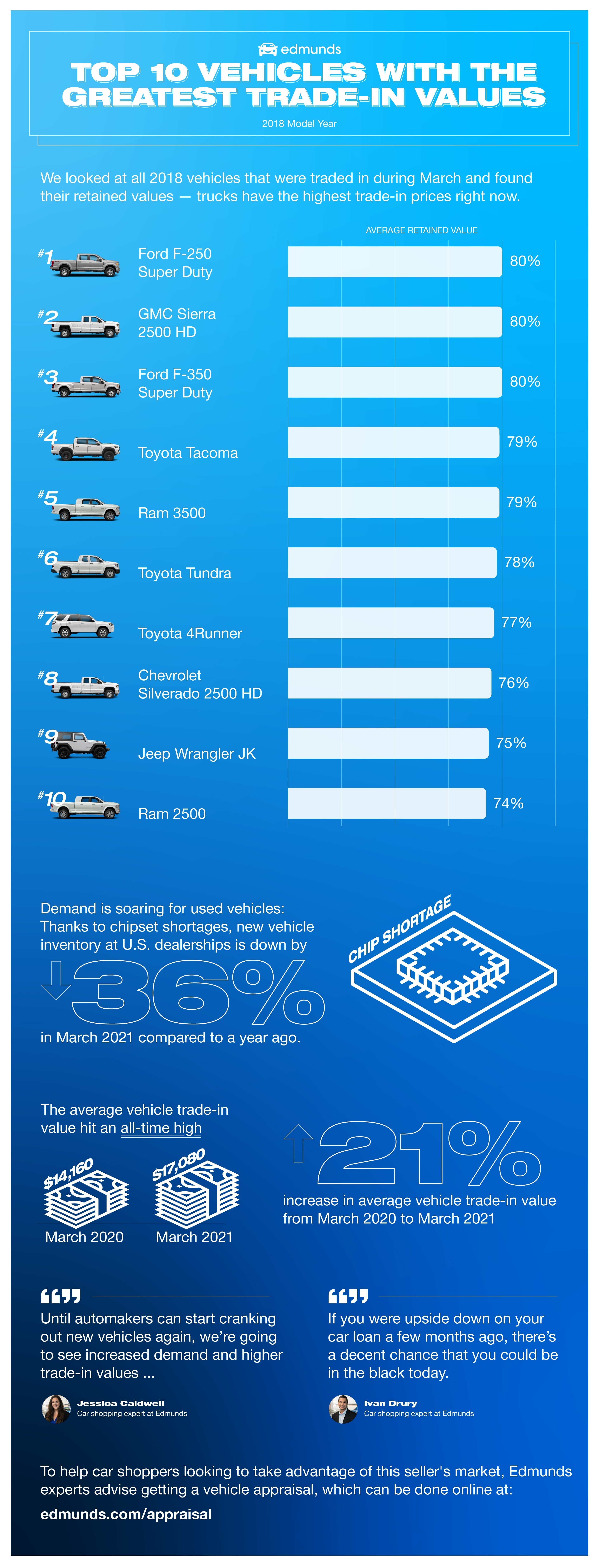
Understanding the Financial Mechanics of Vehicle Trade-Ins
At its core, a trade-in is a liquidity event. You are selling a used asset to a dealer who intends to resell it for a profit, either on their own lot or through a wholesale auction. Because the dealer assumes the risk of ownership, reconditioning, and marketing, the trade-in value is historically lower than a “private party” sale. However, the financial benefits of a trade-in often extend beyond the raw number offered by the dealer.
The Concept of Equity: Positive vs. Negative
The first step in any financial assessment of a vehicle is determining your equity position. Equity is the difference between the current market value of the car and the remaining balance on any outstanding auto loan.
If your car is worth $20,000 and you owe $15,000, you have $5,000 in positive equity. This serves as a “down payment” on your next vehicle, reducing the principal amount you need to borrow and lowering your monthly payments. Conversely, if you owe $25,000 on that same car, you have $5,000 in negative equity (often referred to as being “underwater” or “upside down”). From a financial planning perspective, rolling negative equity into a new loan is a risky move, as it compounds interest on an asset that is already depreciating.
Tax Advantages of Trading In vs. Selling Privately
One of the most overlooked financial incentives of a trade-in is the sales tax credit. In many jurisdictions, you only pay sales tax on the “price difference” between the new car and the trade-in.
For example, if you buy a $40,000 car and trade in your old vehicle for $20,000, you are only taxed on the remaining $20,000. If your local sales tax is 8%, this saves you $1,600. To match this financial outcome through a private sale, you would need to sell the car for at least $21,600. Understanding this “tax-adjusted value” is crucial when comparing the convenience of a dealership offer against the potentially higher price of a private buyer.
Key Factors Influencing Your Car’s Market Valuation
The value of a car is not static; it is a reflection of supply, demand, and the specific condition of the asset. To answer “what is my car worth,” one must look at both the internal factors (the car itself) and external factors (the economy).
The Role of Mileage and Maintenance Records
In the world of personal finance, depreciation is the greatest cost of car ownership. Mileage is the primary proxy for a vehicle’s remaining lifespan. Generally, cars hit significant “value cliffs” at 36,000, 60,000, and 100,000 miles, as these often coincide with the expiration of manufacturer warranties or the requirement for major service intervals.
Furthermore, maintenance is a value-multiplier. A vehicle with a documented history of oil changes, brake replacements, and fluid flushes represents a lower risk to the dealer. From a financial standpoint, keeping a meticulous folder of receipts can result in a higher “condition” rating, which can translate into hundreds or even thousands of dollars in additional trade-in value.
Regional Market Demand and Economic Trends
The value of your car is heavily influenced by where you live and the current economic climate. For instance, a four-wheel-drive SUV will command a higher trade-in value in snowy mountain regions than in a coastal city.
Macroeconomic factors such as interest rates and fuel prices also play a role. When interest rates are high, the demand for used cars often increases as new car loans become more expensive. Conversely, if gas prices spike, the trade-in value of fuel-inefficient trucks may plummet, while hybrids and EVs see a surge in valuation. Monitoring these trends allows you to time your trade-in for a moment when your specific vehicle type is in high demand.

Leveraging Digital Financial Tools for Accurate Estimation
In the modern era, the “Kelly Blue Book” is no longer just a physical manual; it is part of a vast ecosystem of digital financial tools designed to provide real-time valuation data. Using these tools effectively requires a move from “emotional” pricing to “data-driven” pricing.
Comparative Analysis of Valuation Platforms
To get a true sense of your car’s value, you should aggregate data from multiple sources. Platforms like KBB, Edmunds, and J.D. Power (formerly NADA) use massive datasets from auctions and dealer sales to provide estimates.
However, it is also wise to look at “instant cash offer” tools from online retailers like Carvana or Vroom. These companies provide a firm, guaranteed price based on current inventory needs. Even if you don’t intend to sell to them, having a written “cash offer” in hand provides you with a financial floor. It changes the conversation from “What will you give me?” to “Can you beat this confirmed offer?”
How to Interpret “Wholesale” vs. “Retail” Value
When using online tools, you will see several different numbers. The “Retail Value” is what a dealer would list the car for on their lot. The “Trade-In Value” (or Wholesale Value) is what the dealer will pay you.
As a savvy financial actor, you must recognize that the gap between these two numbers is the dealer’s margin for reconditioning, overhead, and profit. If the gap is excessively wide, it indicates that the dealer is “lowballing” the offer. Understanding the spread between wholesale and retail helps you negotiate from a position of knowledge rather than intuition.
Strategic Negotiation: Maximizing Your Bottom Line
Negotiating a trade-in is often the most stressful part of the car-buying process, but it is also where the most money can be saved or lost. The goal is to ensure the dealer treats the trade-in as a separate financial transaction rather than a way to hide the true cost of the new vehicle.
Separating the Trade-In from the New Purchase Price
One common tactic in the automotive industry is “shell game” pricing. A dealer might offer you an exceptionally high trade-in value but refuse to budge on the MSRP of the new car, or they might offer a great discount on the new car while offering a pittance for your trade-in.
To protect your finances, negotiate the price of the new car first. Once you have a firm “out-the-door” price in writing, only then introduce the trade-in. This ensures that the value of your asset is being evaluated independently and that the dealer isn’t simply moving numbers around on a ledger to make the deal look better than it actually is.
Timing Your Trade-In for Maximum Return
Timing is a critical element of financial strategy. Dealerships operate on monthly and quarterly quotas. Trading in your car at the end of a month, or during a holiday sales event, can sometimes yield a better offer as dealers are more motivated to move units and bolster their inventory for the coming month.
Additionally, consider the “life cycle” of your current vehicle. If your car is about to require an expensive 60,000-mile service or needs new tires, trading it in before those costs are incurred can be a smart move. While the dealer will deduct some value for the needed maintenance, they can often perform those repairs at a much lower internal cost than you would pay at retail, effectively saving you the difference.

Conclusion: The Long-Term Financial Impact
Determining the trade-in value of your car is more than a simple search; it is an exercise in asset management. By understanding the mechanics of equity, accounting for tax benefits, and utilizing data-driven valuation tools, you transform the trade-in process from a passive experience into a strategic financial move.
Every dollar you gain in your trade-in value is a dollar that doesn’t have to be financed. This results in less interest paid over the life of your next loan, a faster path to positive equity in your new asset, and a healthier overall financial profile. In the end, your car is not just a mode of transportation—it is a significant piece of your financial puzzle. Treating its trade-in value with the same rigor you would an investment portfolio ensures that you are always moving toward a position of greater financial strength.
aViewFromTheCave is a participant in the Amazon Services LLC Associates Program, an affiliate advertising program designed to provide a means for sites to earn advertising fees by advertising and linking to Amazon.com. Amazon, the Amazon logo, AmazonSupply, and the AmazonSupply logo are trademarks of Amazon.com, Inc. or its affiliates. As an Amazon Associate we earn affiliate commissions from qualifying purchases.