
The concept of a “dry orgasm,” while often discussed in hushed tones, is a very real physiological experience that can be understood and, in some cases, addressed with the aid of modern technology. Far from being an anomaly or a sign of fundamental dysfunction, a dry orgasm refers to the experience of sexual climax without the expulsion of semen or vaginal lubrication. While this can be a natural occurrence for some individuals, particularly those who have undergone specific medical procedures or are experiencing certain physiological changes, it can also be a source of concern or a point of curiosity. In this exploration, we will delve into the technological landscape that offers insights, potential solutions, and supportive tools for understanding and managing dry orgasms.
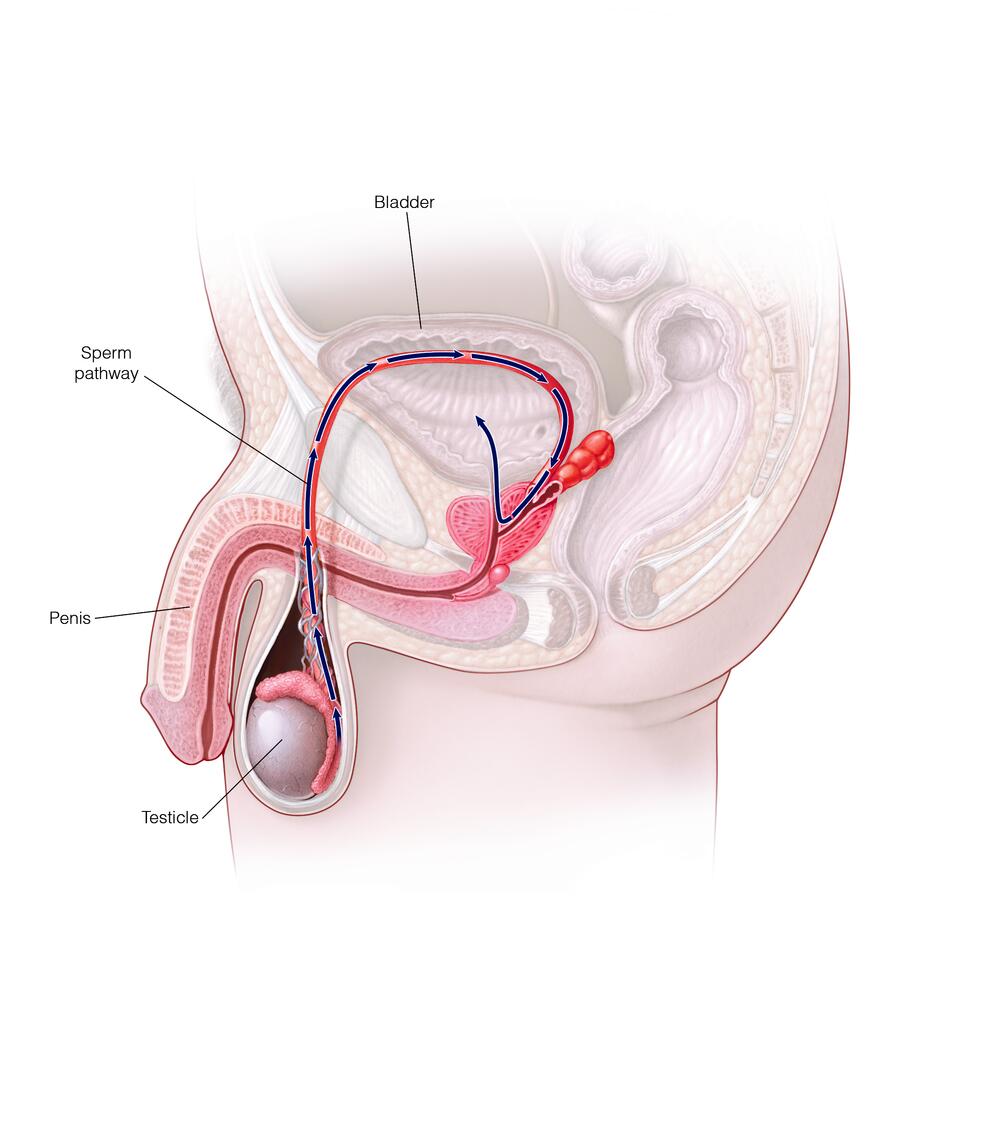
Understanding the Physiology: The Role of Biosensors and Data Analysis
The ability to understand the nuanced workings of the human body has been significantly advanced by the development of sophisticated biosensing technologies. These devices, ranging from wearable trackers to more clinical diagnostic tools, provide invaluable data that can shed light on the mechanisms behind sexual response and orgasm, including the phenomenon of a dry orgasm.
The Mechanics of Orgasm: Beyond Ejaculation
Traditionally, the physical manifestation of orgasm, especially in males, has been closely linked to ejaculation. However, modern physiological understanding, informed by technological advancements in imaging and physiological monitoring, reveals a more complex picture. The orgasmic experience is primarily a neurological and muscular event, characterized by a series of involuntary muscle contractions, heightened sensory perception, and a release of endorphins and other neurochemicals. Ejaculation is a separate, albeit often concurrent, physiological process.
Technological tools like electromyography (EMG) can precisely measure the muscle contractions that are fundamental to the orgasmic response. These sensors, which can be incorporated into specialized undergarments or even discrete external devices, capture the intensity and pattern of muscular activity during sexual arousal and climax. By analyzing this data, individuals and their healthcare providers can gain an objective understanding of the orgasmic process, identifying whether the core neurological and muscular components are intact even in the absence of ejaculation or significant lubrication.
Furthermore, advancements in neuroimaging technologies, while not typically used for at-home diagnostics, have significantly contributed to our understanding of the brain’s role in sexual pleasure and orgasm. Functional magnetic resonance imaging (fMRI) studies have mapped the areas of the brain that become active during sexual arousal and climax, highlighting the intricate interplay of neural pathways responsible for pleasure, reward, and the physical sensations associated with orgasm. This underlying neurological understanding is crucial for appreciating that a “dry” orgasm does not necessarily mean a “lesser” or absent orgasm in terms of subjective pleasure and physiological response.
Data-Driven Insights: Wearable Technology and Sexual Health Apps
The proliferation of wearable technology and sophisticated health-tracking applications has opened new avenues for individuals to monitor and understand their bodies, including their sexual health. While many devices focus on general wellness metrics like heart rate, sleep patterns, and physical activity, a growing segment is emerging that addresses sexual health specifically.
For individuals experiencing or curious about dry orgasms, these technologies can offer a means of self-monitoring and data collection. Wearable devices that track heart rate variability (HRV) and electrodermal activity (EDA) can provide indirect indicators of arousal and physiological stress or relaxation during sexual activity. While not directly measuring the orgasmic event itself, these metrics can contribute to a broader understanding of one’s physiological responses.
More specialized applications, often designed in conjunction with medical professionals, are beginning to incorporate features that allow users to log sexual experiences, including the presence or absence of ejaculation/lubrication, subjective pleasure levels, and any associated physical sensations. These logs, when combined with physiological data from wearables, can create a personal dataset that, over time, might reveal patterns or correlations that were not previously apparent. This data can be invaluable when discussing concerns with a healthcare provider, providing objective information to supplement subjective reports.
The integration of AI and machine learning algorithms within these apps is also a promising development. By analyzing large anonymized datasets, these algorithms can identify trends and potential contributing factors to experiences like dry orgasms, offering personalized insights and suggestions based on an individual’s data. This could range from recommending specific relaxation techniques to suggesting exercises that target pelvic floor muscles, all informed by data analysis.
Technological Interventions and Support Systems
Beyond diagnostics and monitoring, technology is also playing a role in developing interventions and support systems for individuals seeking to enhance their sexual experiences, including those who may experience dry orgasms. This spans from therapeutic tools to educational platforms.
Pelvic Floor Training and Biofeedback Devices
The pelvic floor muscles play a crucial role in sexual sensation and the orgasmic response, particularly in expelling seminal fluid in males and contributing to vaginal contractions in females. Weakness or dysfunction in these muscles can sometimes be a contributing factor to a perceived absence of physical expulsion or lubrication during orgasm.
Technological advancements in biofeedback devices have made pelvic floor training more accessible and effective. These devices, often resembling tampons or small probes, are inserted internally and connect wirelessly to a smartphone app. They provide real-time visual feedback on muscle engagement, allowing individuals to see when they are correctly contracting their pelvic floor muscles. The apps often guide users through specific exercises, track progress, and provide targeted training programs designed to strengthen these muscles.

For individuals experiencing dry orgasms, targeted pelvic floor exercises, guided by biofeedback technology, can potentially enhance the intensity of muscular contractions during climax. While this might not directly lead to ejaculation in cases where it’s medically or physiologically impossible, it can contribute to a more robust and satisfying physical sensation. Similarly, for individuals experiencing reduced natural lubrication, strengthening these muscles can sometimes improve blood flow and sensitivity in the pelvic region, potentially enhancing natural lubrication.
Virtual Reality (VR) and Augmented Reality (AR) for Sexual Health Education and Therapy
Virtual reality and augmented reality are emerging as powerful tools in various fields, including healthcare and sexual health. These immersive technologies offer unique opportunities for education, desensitization, and even therapeutic interventions related to sexual experiences.
For understanding sexual response, VR can create simulated scenarios that allow individuals to explore their physiological responses in a safe and controlled environment. While not directly addressing dry orgasms, it can help demystify the complexities of sexual arousal and climax.
More relevantly, VR and AR are being explored for therapeutic applications. For individuals experiencing issues related to sexual function, including concerns about dry orgasms, these technologies can be used for sex therapy. Guided VR experiences can help individuals overcome performance anxiety, improve body image, and enhance their focus on pleasurable sensations rather than solely on specific physical outcomes like ejaculation or lubrication.
Furthermore, AR can overlay anatomical information onto a user’s own body or a partner’s during educational sessions, providing a visual understanding of the physiological processes involved in orgasm. This can be particularly helpful for individuals seeking to understand the mechanics of their own bodies and how technology might play a role in optimizing their sexual health.
Digital Health Platforms and Telemedicine for Personalized Support
The digital revolution has transformed how we access healthcare, and this extends to sexual health. Telemedicine platforms and specialized digital health applications are providing individuals with discreet, convenient, and personalized support for a range of concerns, including those related to dry orgasms.
Online Resources and Educational Content
A wealth of information about sexual health is now available online, though the quality can vary significantly. Reputable digital health platforms and websites, often run by medical institutions or established sexual health organizations, offer well-researched articles, FAQs, and explainer videos that address various aspects of sexual function.
For individuals experiencing dry orgasms, these platforms can provide accurate information about the potential causes, ranging from hormonal imbalances and neurological conditions to the side effects of certain medications and surgical procedures. Understanding the underlying physiology and potential contributing factors is the first step towards finding effective strategies. These platforms often feature expert interviews, case studies, and links to further scientific research, empowering individuals with knowledge.
Telemedicine Consultations and Digital Therapeutics
Telemedicine has made expert medical advice more accessible than ever before. For individuals concerned about dry orgasms, consulting with a urologist, gynecologist, or sexual health specialist via a secure video call can be a convenient and discreet first step. These digital consultations allow for a thorough discussion of symptoms, medical history, and lifestyle factors.
Based on the initial consultation, healthcare providers can recommend further diagnostic steps, which might involve blood tests to check hormone levels or refer to specialized imaging if necessary. Crucially, telemedicine also facilitates the prescription and management of digital therapeutics. These are evidence-based software programs designed to treat, manage, or prevent a disease or disorder.
For conditions that might contribute to dry orgasms, digital therapeutics could include personalized exercise programs (like those for pelvic floor health), cognitive behavioral therapy (CBT) modules to address psychological factors influencing sexual response, or guided mindfulness exercises aimed at enhancing sensory awareness and pleasure. The digital nature of these therapeutics allows for continuous monitoring and adaptation, providing a highly personalized approach to sexual health management.

AI-Powered Symptom Checkers and Personalized Health Journeys
The integration of artificial intelligence into health platforms is rapidly evolving. AI-powered symptom checkers can help individuals understand potential causes for their symptoms, including dry orgasms, by analyzing their input against vast medical databases. While these tools are not a substitute for professional medical advice, they can serve as an initial guide, helping individuals formulate questions for their doctor or identify areas to explore further.
Furthermore, AI can be utilized to create personalized health journeys. Based on an individual’s reported symptoms, medical history, and lifestyle data (often collected through secure apps and wearables), AI algorithms can curate a tailored path of information, exercises, and recommended professional consultations. This proactive approach can empower individuals to take control of their sexual health, providing them with the right information and resources at the right time, all facilitated by technology.
In conclusion, while the term “dry orgasm” might sound clinical or even concerning, the technological advancements of the 21st century offer a robust framework for understanding, addressing, and ultimately enhancing the sexual experiences of individuals facing this phenomenon. From the microscopic insights provided by biosensors to the accessible support offered by telemedicine and AI, technology is empowering us to navigate the complexities of human physiology with greater knowledge and efficacy.
aViewFromTheCave is a participant in the Amazon Services LLC Associates Program, an affiliate advertising program designed to provide a means for sites to earn advertising fees by advertising and linking to Amazon.com. Amazon, the Amazon logo, AmazonSupply, and the AmazonSupply logo are trademarks of Amazon.com, Inc. or its affiliates. As an Amazon Associate we earn affiliate commissions from qualifying purchases.